Little Ongava Camp
Etosha, Namibia
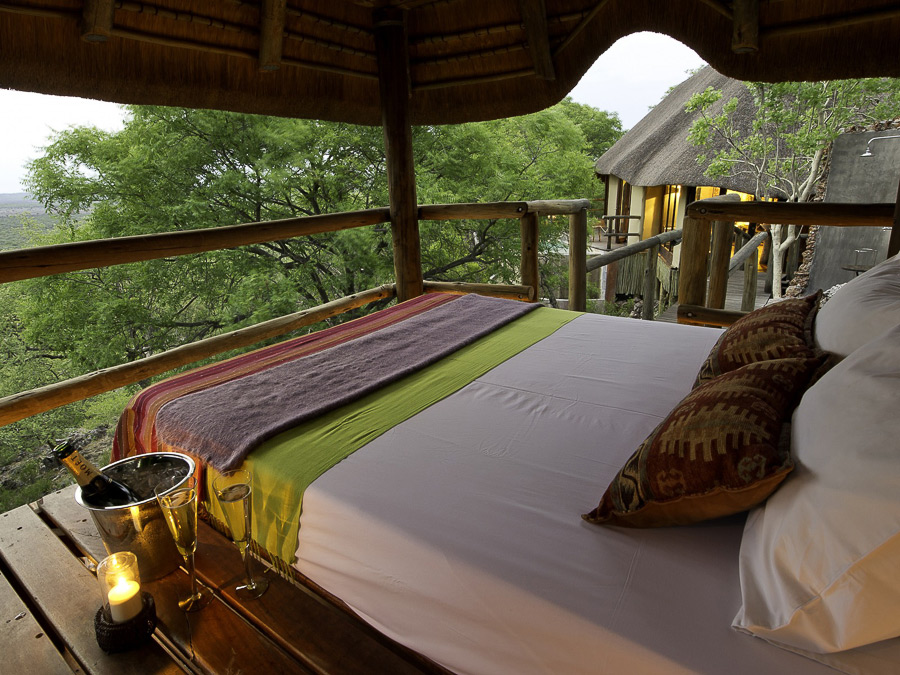
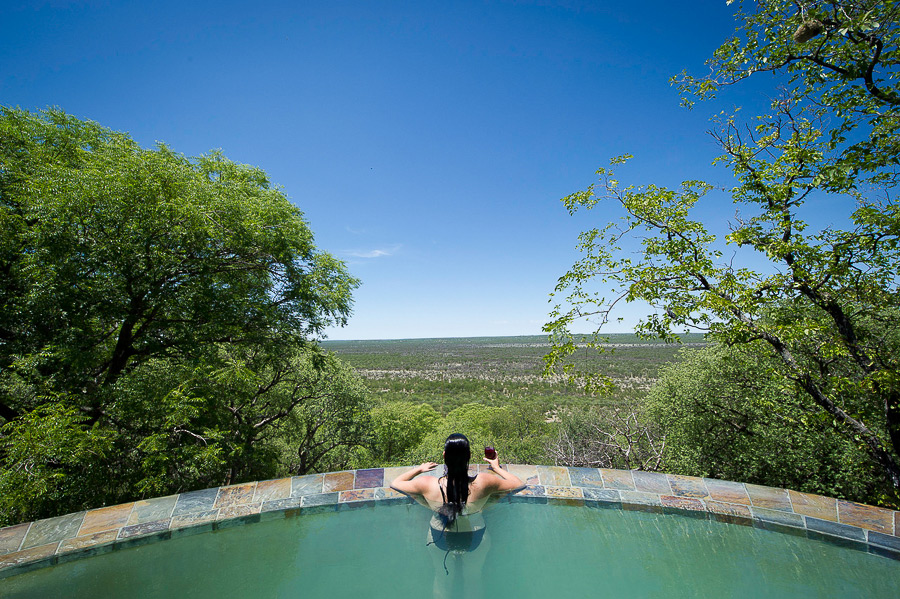
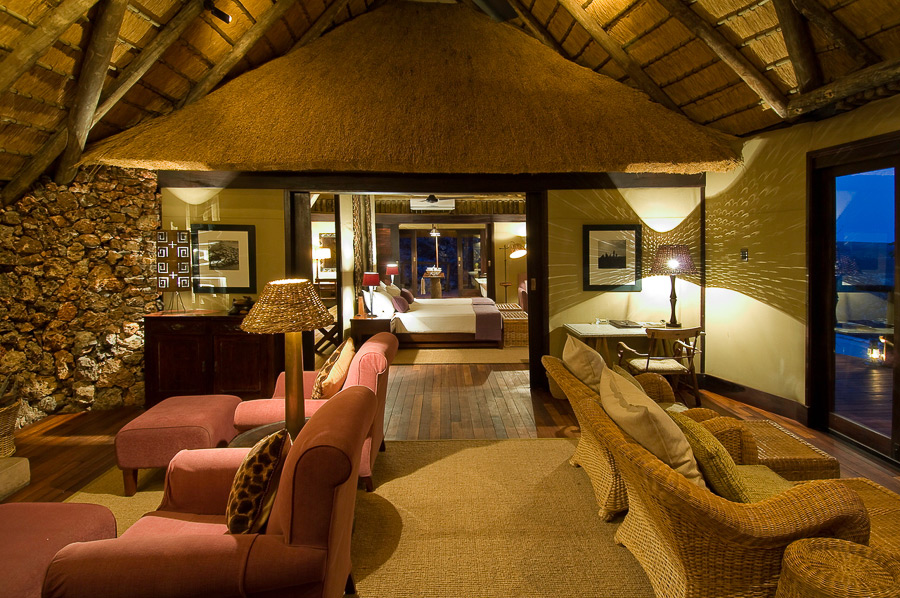
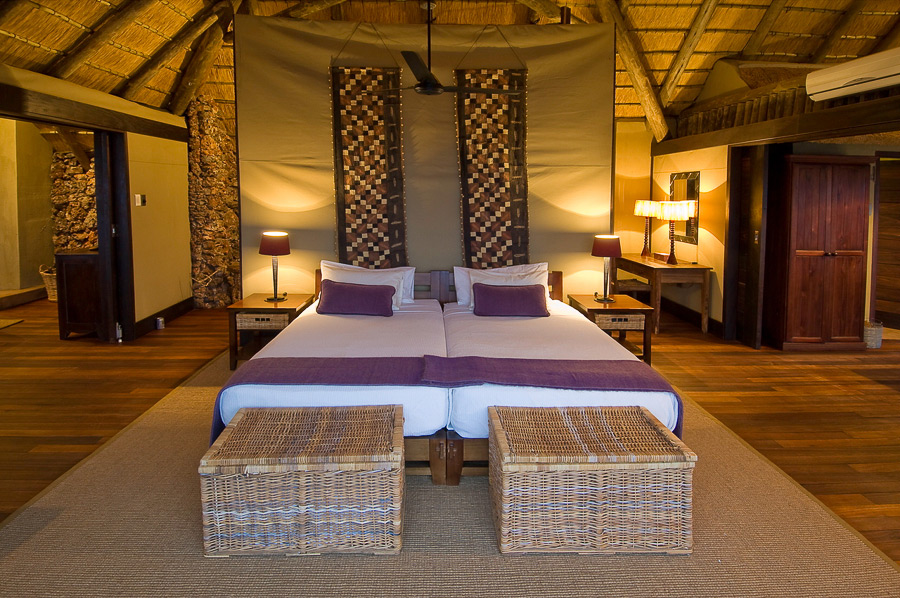
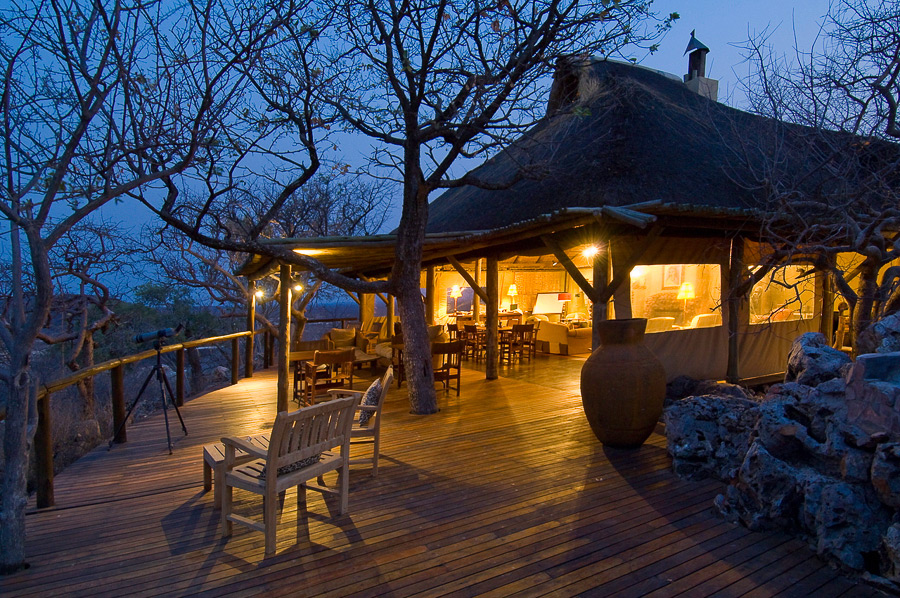
Enjoy unrivalled privacy in this exclusive six person camp. The three spacious suites each have their own private plunge pool. The camp has wonderful views onto the plains below where the private 30,000 hectare Ongava game reserve shares a common boundary with Etosha National Park. The camp is suitable for children eight years and over.
-
Location:
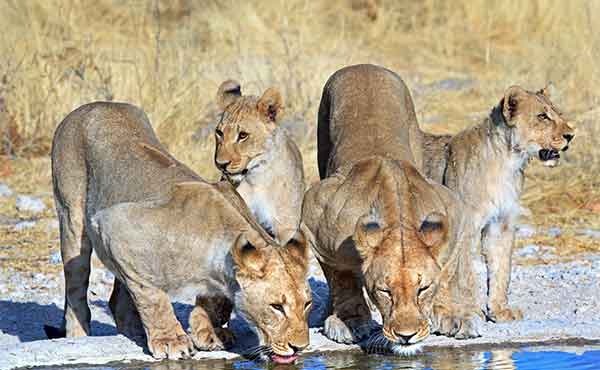
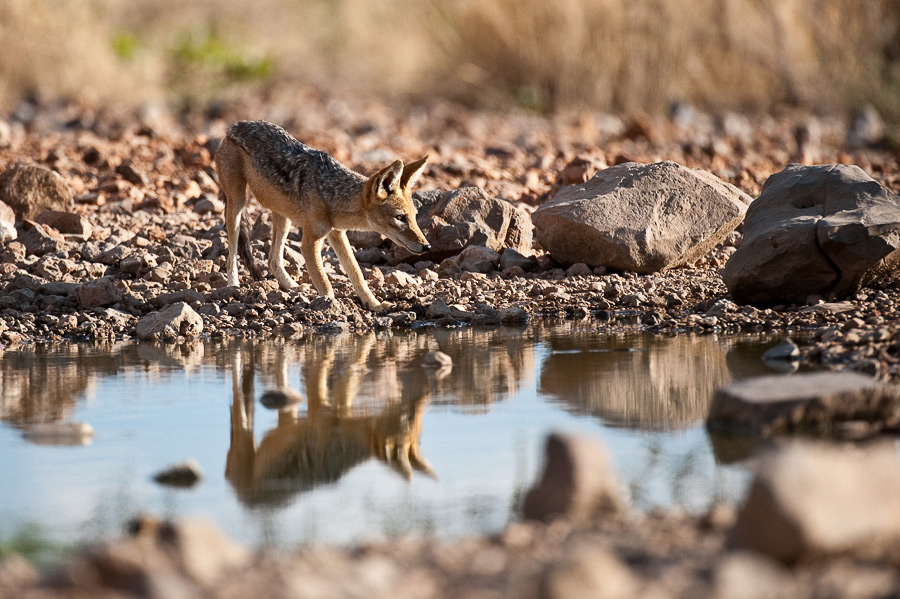
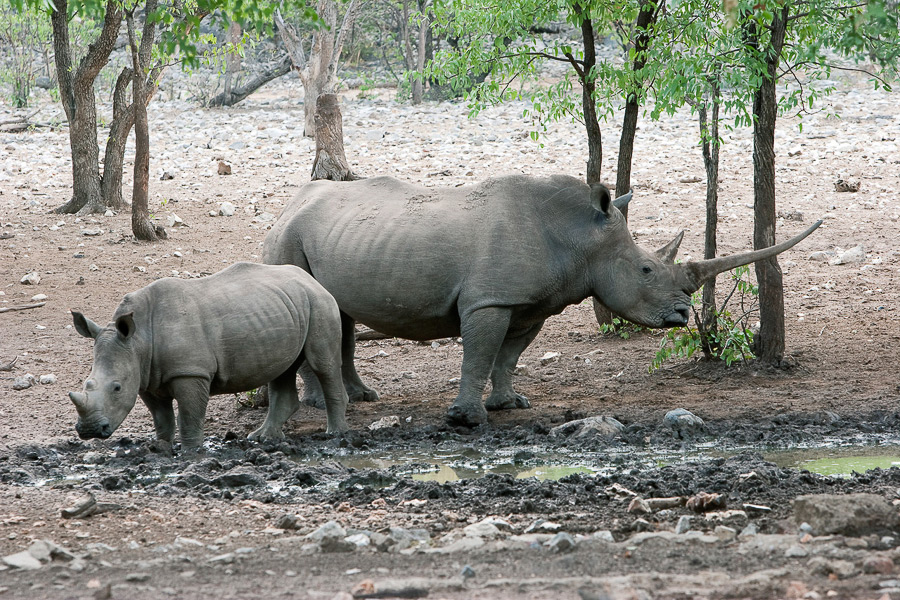
Ongava Private Game Reserve borders Namibia's Etosha National Park on its southern side. Following the reduction in size of Etosha National Park from 10 million hectares to 2.7 million hectares) a group of international partners bought 30,000 hectares of land with the aim of creating Namibia's finest private game reserve, and to protect Etosha's southern boundary by creating a buffer zone. It was named Ongava after the Herero word for Rhinoceros and subsequently White Rhino were successfully introduced, with Black Rhino joining them from neighbouring Etosha. Today although the reserve is famous for its rhino there are many thousands of animals including Elephant, giraffe, Gemsbok (Oryx), springbok, Red Hartebeest, Eland, wildebeest, zebra and the rare Black-Faced Impala. Lion and Leopard have moved back onto the reserve. Recently the southern boundary of Ongava was upgraded and there is a possibility that Ongava may become part of Etosha. In any case animals are free to migrate between the two areas. Wilderness Safaris manages the main lodge and the tented camp for the owners, offering the Etosha experience with luxury accommodation not available inside Etosha itself, and opportunities for night drives and tracking rhino on foot.
Etosha National Park is Namibia's premier wildlife park and is considered by many to be one of the finest game sanctuaries in southern Africa. Nearly as big as Switzerland, it is one of Africa's largest as well. The park is dominated by a vast, shimmering white salt pan - indeed the word "Etosha" means "big, white place". The pan is simply the floor of a large, shallow inland lake, one hundred kilometres across, which has dried up. Permanent waterholes are plentiful along the southern side of the pan, where water, collected during the rainy season, flows onto the dense clay floor of the pan. The wildlife is quite superb here, particularly in the dry winter months. Mammals are likely to include the Black-Faced Impala, Gemsbok, Damara Dik-Dik, Eland, Greater Kudu, Hartebeest and springbok, together with large numbers of Elephant, Lion, Leopard, Black Rhino, giraffe, Burchell's Zebra and wildebeest. The birdlife of Etosha is also excellent, with over 300 species recorded. Birds of prey are particularly numerous, and include Red-Necked Falcons, Gabar Goshawks, and many species of eagles and vultures. Some of the local "specials" include Short-Toed Rock Thrush, Hartlaub's Francolin, Freckled Nightjar and Meyer's Parrot.
accommodation Listings
- Hotel Option: Chongwe River House, Lower Zambezi, Zambia
- Hotel Option: Elsa's Private House, Meru, Kenya
- Hotel Option: Jasmine House, Lamu, Kenya
- Hotel Option: Little Kwara, Okavango Delta, Botswana
- Hotel Option: Little Madikwe Hills, Madikwe Game Reserve, South Africa
- Hotel Option: Little Mombo, Moremi, Botswana
- Hotel Option: Little Ongava Camp, Etosha, Namibia
- Hotel Option: Loisaba Cottage, Laikipia, Kenya
- Hotel Option: Luangwa House, South Luangwa, Zambia
- Hotel Option: Okonjima Villa, Waterberg, Namibia
- Hotel Option: Robin's House, South Luangwa, Zambia
- Hotel Option: Shinde Enclave, Okavango Delta, Botswana
- Hotel Option: Tangala House, Victoria Falls, Zambia
- Hotel Option: The Castle on the Cliff, Plettenberg Bay, South Africa
- Hotel Option: Wescamp Villa, Cape Town, South Africa
- Hotel Option: Wolwedans Private Camp, Namibia