Maximum opportunity to watch and photograph wildlife with close encounters
A variety of activities and workshops including inspiring talks and lectures
Knowledgeable experts and guides to inform and entertain you
A group of like-minded people with a strong interest in the natural world
What to expect on a Wildlife Festival
The concept of Wildlife Festivals was conceived by Wildlife Worldwide founder Chris Breen, whose vision was to run a trip to “celebrate all aspects of an area’s flora and fauna”. Over the years this has evolved into special itineraries packed with a rich variety of activities.
Each day will bring new wildlife experiences, talks, workshops and master classes with a prestigious line-up of experts. Many participants appreciate the unique experience that a festival offers, and return regularly to enjoy the celebration.
Travel with the Experts
The experts that are likely to accompany you on a Festival include naturalists, wildlife photographers, writers, television wildlife presenters, film/documentary makers, sculptors and artists. A team from Wildlife Worldwide also accompanies each Festival to manage this unique wildlife event.
Some of our tour leaders on our Festival of Wildlife include broadcaster and conservationist Mark Carwardine, TV naturalists Mike Dilger and Nick Baker, artists Jonathan Truss and Nick Mackman, Founder Chris Breen, team member Helen Bryon plus wildlife photographers Nick Garbutt, Bret Charman, Emma Healey, Ben Sutcliffe and Sean Weekly.
Workshops & Presentations
Throughout the Festival there will be a comprehensive programme of activities or illustrated talks you can choose from. Depending on the festival and the location, these might include photography workshops, sculpture or sketching workshops, erudite lectures and/or illustrated talks. Each evening there will normally be an after-dinner presentation by one of the Festival experts. Meticulous long term planning ensures that nothing is left to chance. One thing is certain – you won’t be short of things to keep you busy!
Unique accommodation
On all our Festivals, we select wonderful, characterful accommodation, located in the best possible locations for wildlife viewing. Our group will have exclusive use of the lodge/camp, which allows for an even more intimate experience. Our venue for the Festival of Bears in Canada is the waterfront Spirit Bear Lodge, perfectly located for bear viewing in the Great Bear Rainforest. On Canada's Atlantic coast, our Festival of Whales saw us taking up residence in the summer home of former US President Franklin D Roosevelt on historic Campobello Island. On our Festival of Wildlife Madagascar, the safari lodges we use are regularly frequented by wildlife, so even when you're not on a game drive you can still catch the action!
History
Such was the success of our first Festival in Kenya’s Masai Mara in 2004, that subsequent festivals took place in the Galapagos Islands in 2005, Ranthambhore National Park in India in 2006, the Great Bear Rainforest, British Columbia in 2007, Madagascar in 2008, Tanzania’s legendary Serengeti in 2009, and the Pantanal, Brazil in 2010, with each festival focussing on the area’s wildlife in depth. The somewhat smaller Festival of Whales started in 2014, and the Festival of Bears in British Columbia, Canada, the same year. We are looking forward to returning to Madagascar in the upcoming years.
The wildlife focus has featured lions, tigers, jaguars, lemurs, grey whales, grizzly bears, as well as those species which led Charles Darwin to formulate his ground-breaking theory of evolution.
Festival of Bears
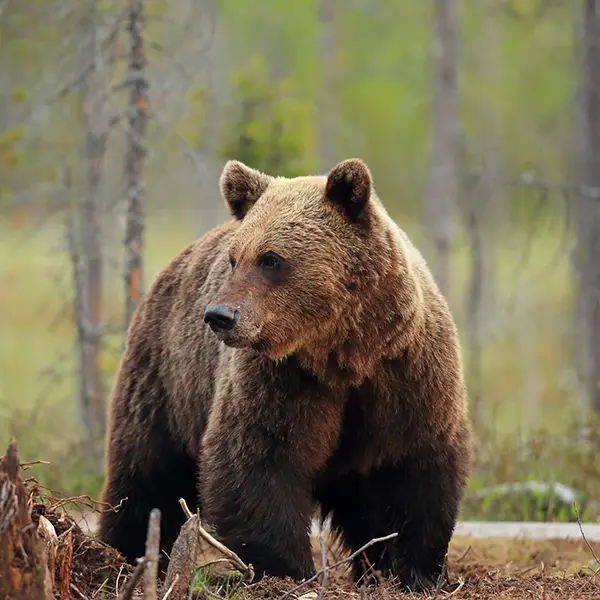
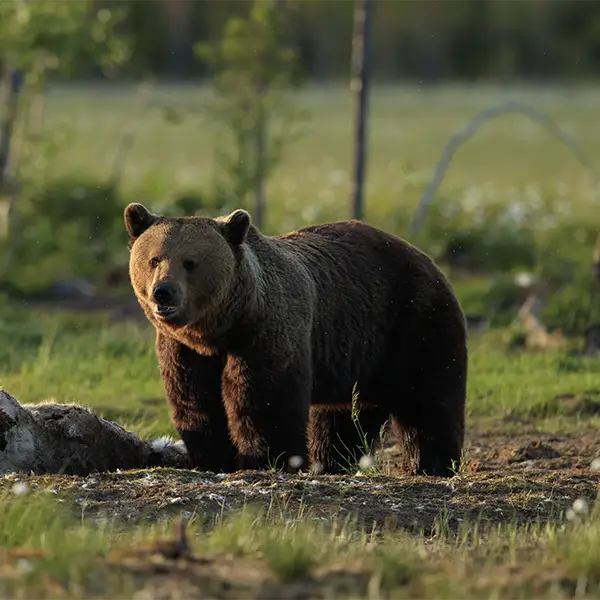
Our popular Festival of Bears stays at a location in British Columbia that is renowned for sightings of brown (grizzly) bears. The lodges we select all offer comfortable accommodation, but more importantly, heart-stoppingly close encounters with the bears, as these magnificent forest-dwellers forage and fish at the height of summer. The resident experts on these trips are naturalist, writer and broadcaster Mark Carwardine and Wildlife Worldwide founder Chris Breen - both 'bear men' through and through.
Festival of Whales
Our Festival of Whales has historically taken place at San Ignacio lagoon in Baja California, the desert peninsula that extends down Mexico’s Pacific coastline, where the focus was grey whales. This Festival has now moved to the stunning Bay of Fundy on Canada's Atlantic Coast, where we charter our own boat to spend maximum time with a variety of whale species, in particular the endangered North Atlantic right whale.
Festival of British Wildlife
The location of any festival is carefully selected for its potential for unmatchable sightings of the region’s most iconic wildlife – the focus may be a single species that inhabits or is endemic to the area, or the broad range of inhabitants of a particular habitat.
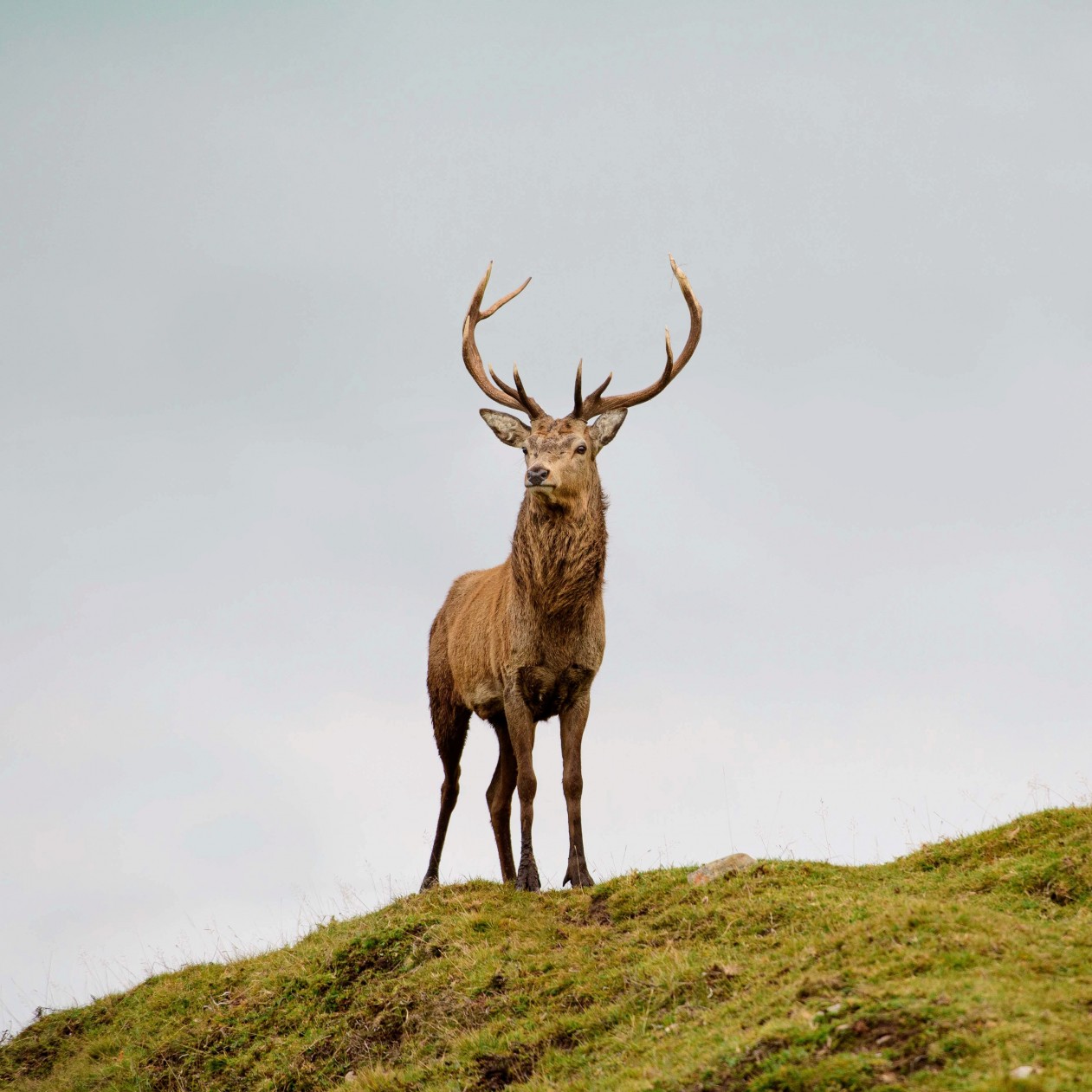
Our Festival of British Wildlifeis a week-long holiday to the Scottish Highlands is packed with a rich variety of activities, presentations and workshops and led by some of the UK’s leading naturalists and wildlife photographers. With exclusive access to the 600-acre Aigas Estate and nearby specialist hides we can expect to see pine marten, red deer, European crested tit, Scottish crossbill and more. This is a true celebration of our island’s wildlife.
European Festival of Bears
Following the great success of our Festival of Bears to Canada's west coast and a previous trip to Finland, we’re excited to return to this Nordic nation for a 9-day celebration of European brown bears,led by Wildlife Worldwide founder Chris Breen and wildlife photographer Mark Carwardine. Travelling to Finland’s taiga forests, we watch and photograph the bears and their cubs in addition to keeping an eye out for some of the other species amongst Finland’s famed wildlife including wolverine, wolf, and many more.
Festival of Wildlife Madagascar
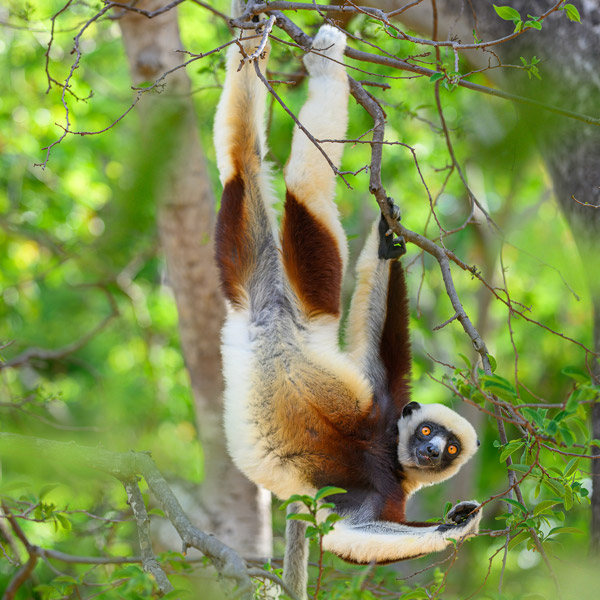
For our 2026 Festival of Wildlife, we are off to a destination without equal – Madagascar, visiting two of the country’s finest wildlife destinations. We start in the rainforests of Andasibe before continuing to the dry, deciduous forests of Anjajavy, with exclusive lodge use at each. We are joined by a team of naturalists, artists, and photographers as we enjoy guided excursions, presentations, workshops, and masterclasses. At this time of year, we can experience incredible wildlife with species of reptiles, endemic birds, and tenrecs, as well as species of lemur such as diademed sifaka, bamboo lemur and maybe the rare red-bellied lemur, all vying for our attention.
Festival of Wildlife Costa Rica
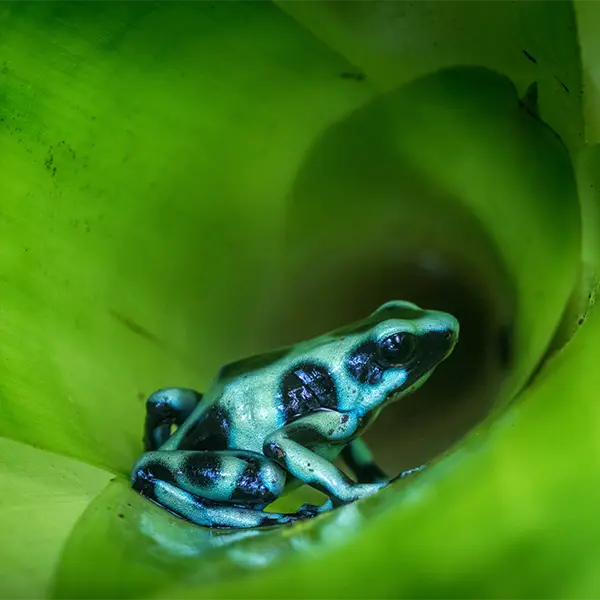
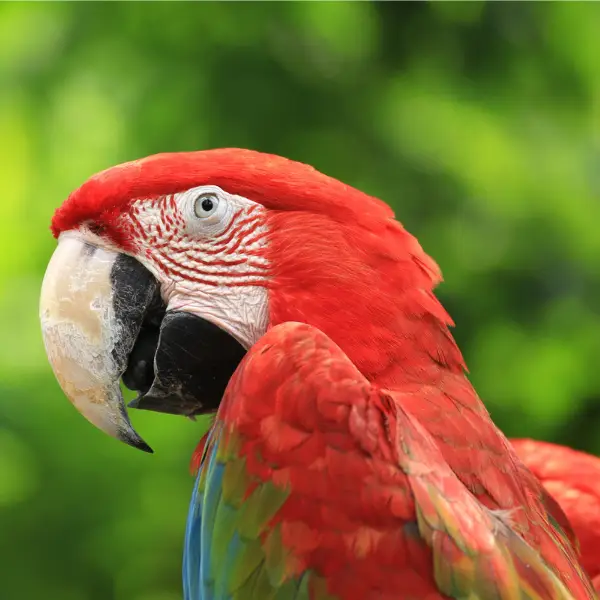
On our2027 Festival of Wildlife, discover the tropical forest delights and rich coastal waters of Costa Rica’s Osa Peninsula, home to Corcovado National Park. Staying at a stunning rainforest lodge, explore one of the world’s most diverse destinations through immersive daily excursions, workshops, photography sessions and presentations with our specialists. This destination provides many rewarding wildlife experiences both on land and in the water, with opportunities to spot a plethora of fauna, from scarlet macaws to humpbacks.
Festival of Wildlife India
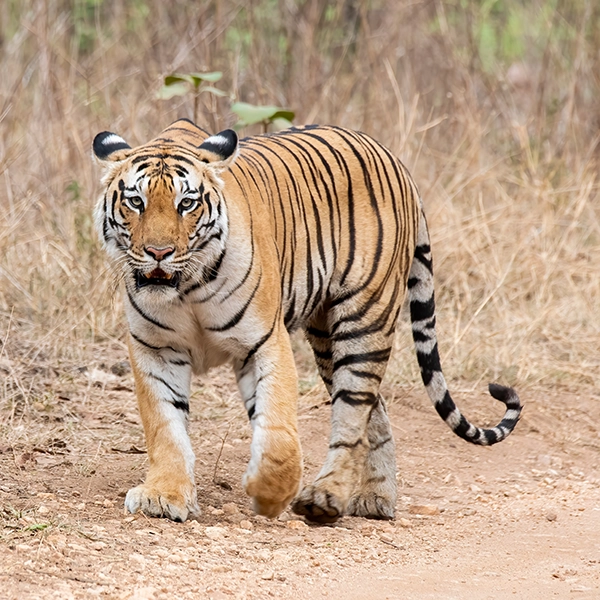
Pench National Park, one of India’s most biodiverse regions, will play host to our 2028 Festival of Wildlife. Based at a stunning lodge immersed in nature, we’ll be joined by local guides with extensive knowledge of Pench’s flora and fauna, alongside our usual team of experts, including wildlife photographers and artists. We’ll venture deep into the park on daily safaris through picturesque teak forest to search for vibrant birdlife and iconic mammals, such as sloth bear, dhole, and of course Bengal tiger.
Festival of Wildlife Falklands & South Georgia
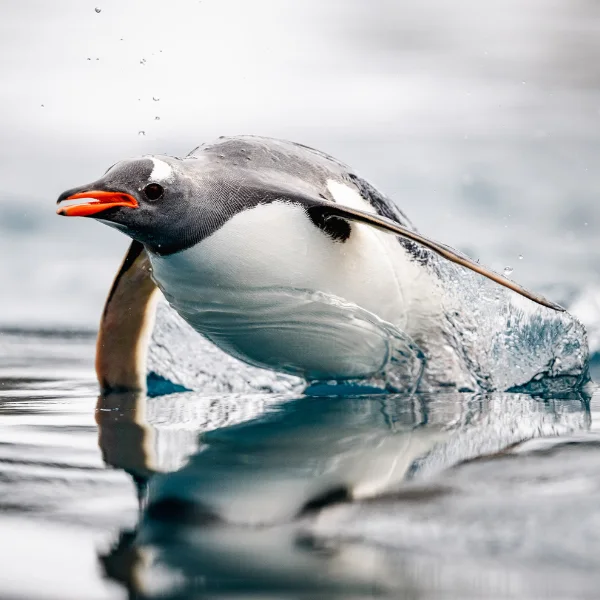
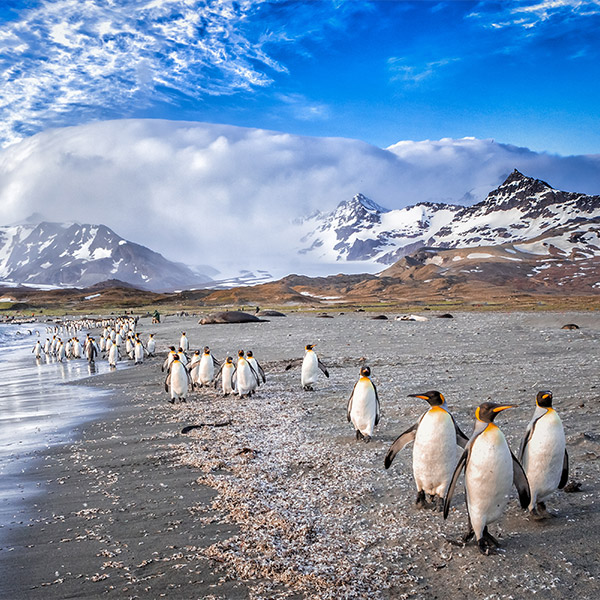
This Festival embarks on an incredible wildlife voyage to one of the greatest, and most remote, locations on earth – South Georgia. With millions of penguins, hundreds of thousands of seals, the world’s great seabirds and cetaceans, the wildlife sightings are second to none, and this is certainly a trip of a lifetime. Before we sail to South Georgia we explore the remote Falkland Islands for more penguin watching highlights, all in the company of our expert team of photographers, artists and sculptors.