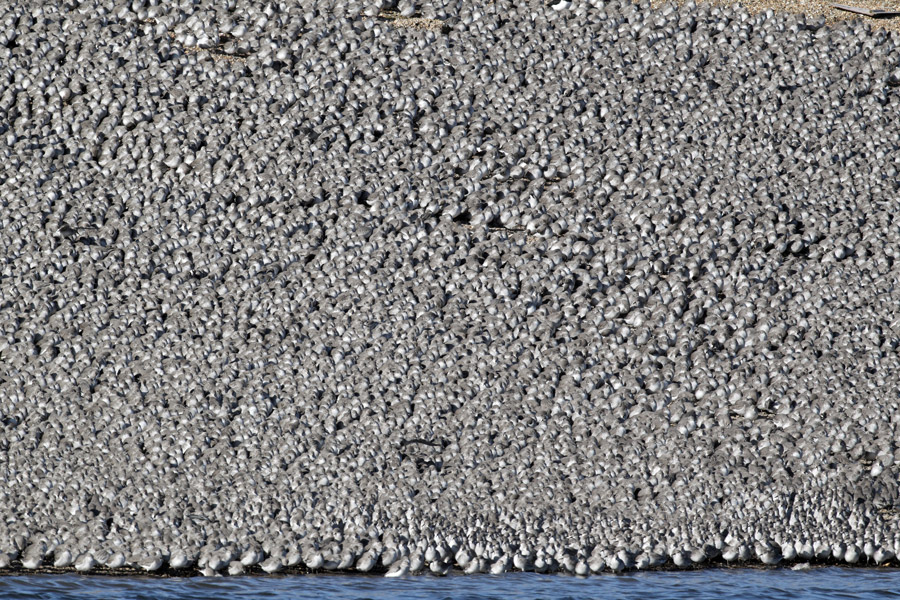
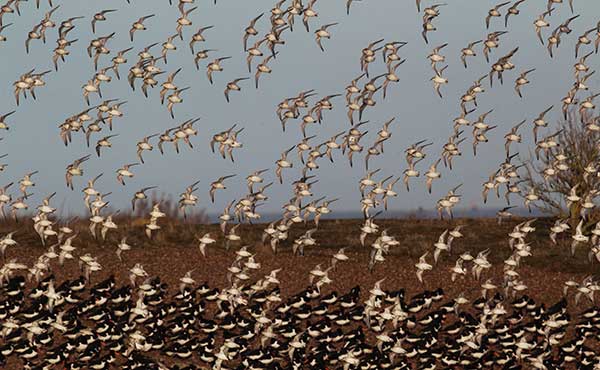
Explore the North Norfolk Coast at the peak of wader migration and witness the astounding high tide gathering of knot, godwits, oystercatchers and other birds at RSPB Snettisham in the company of naturalist Nick Acheson.
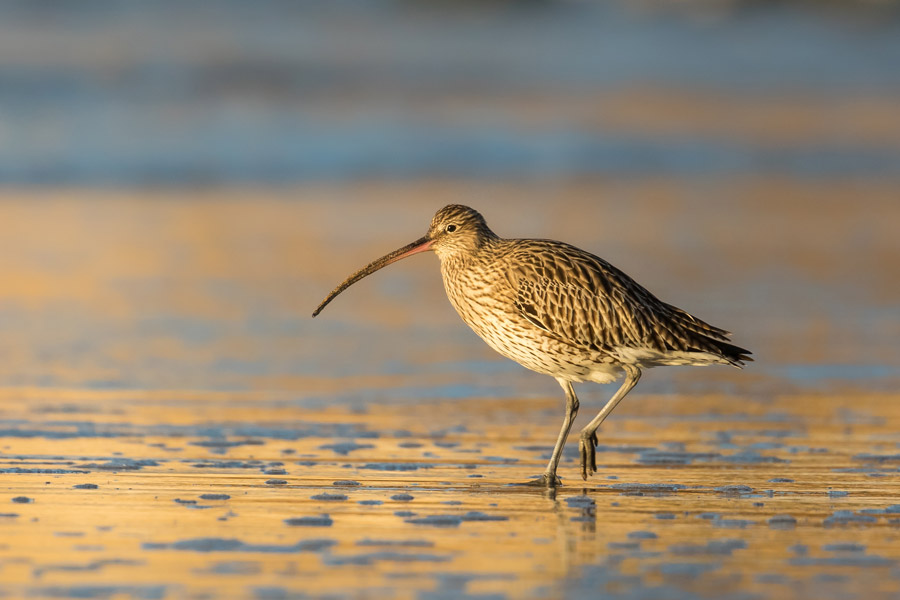
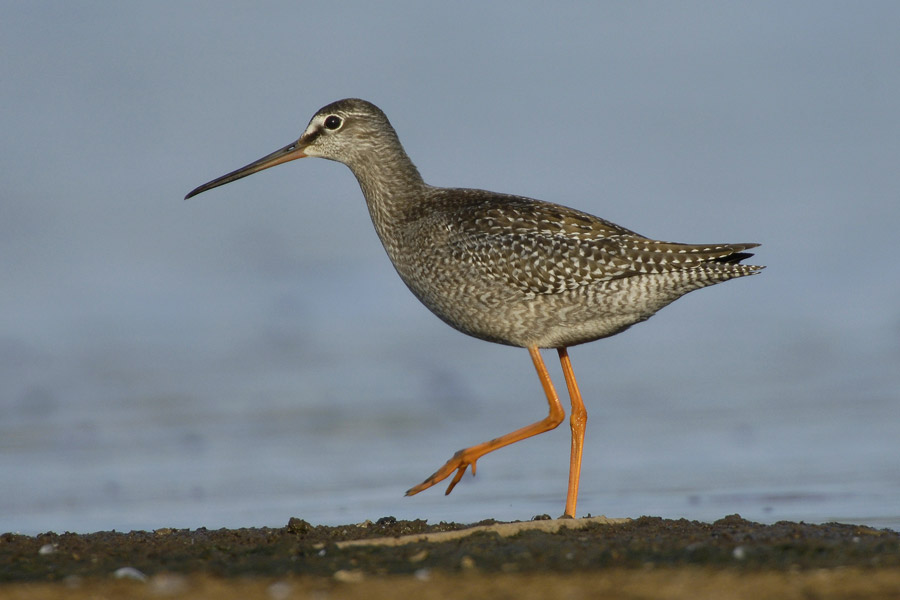
Late summer and early autumn are among the finest times of year in Norfolk, especially for waders and seabirds. In addition to the celebrated spectacle of knot and other waders at Snettisham, marshes all around the Norfolk coast can have impressive gatherings of wading birds now, with some sites recording more than 20 species each day. We visit a range of sites, including RSPB Titchwell Marsh and Norfolk Wildlife Trust Cley Marshes to experience the very best of Norfolk’s coastal birding.
We also offer a tour in Early Summer and Late Winter.
Find out more about our birding trips to Norfolk in Nick Acheson's blog.
Typical Itinerary
-
Day 1:
Meet and visit a local nature reserve
We meet early this afternoon and check in to our hotel. We later visit one of a number of nature reserves nearby to begin our coastal birding.
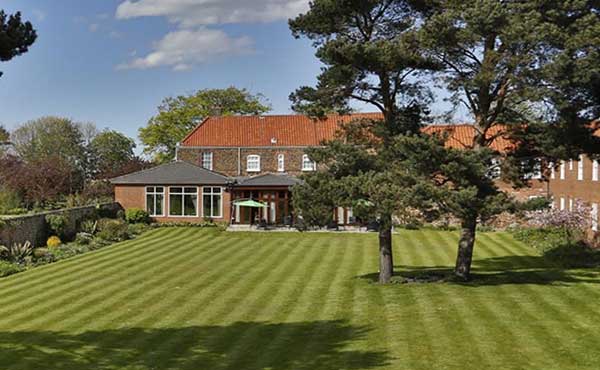
Accommodation: Knights Hill Hotel, 4-nights
-
Day 2:
Visit RSPB Snettisham for its knot spectacular
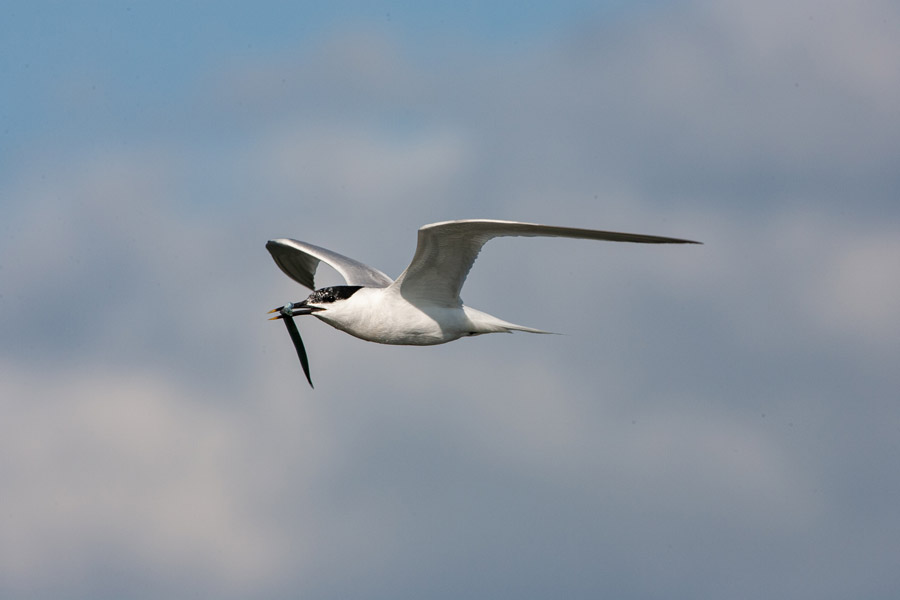
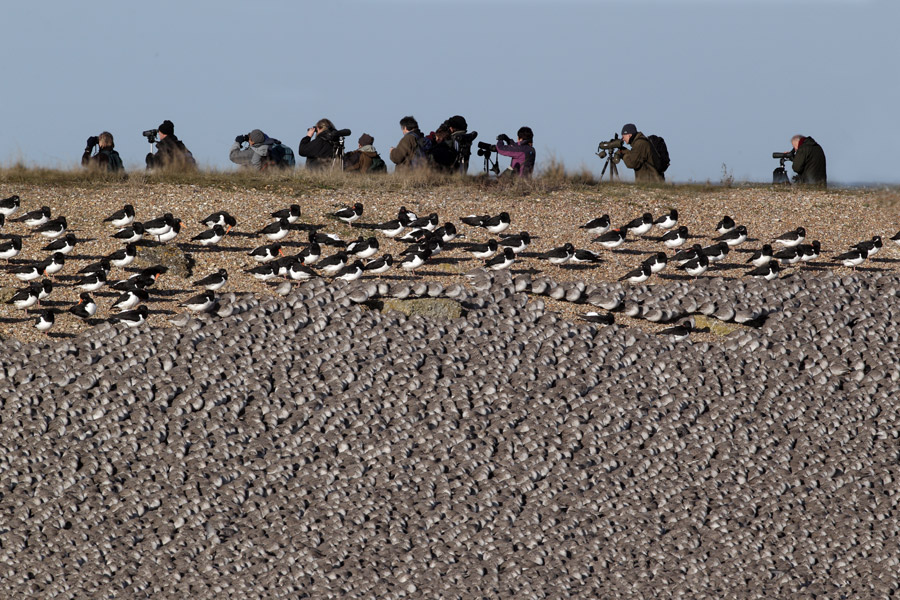
According to tide times, today we visit RSPB Snettisham to witness one of the UK’s most remarkable bird spectacles. At high tide in late summer and early autumn many tens of thousands of red knot and other shorebirds are pushed off the Wash and sometimes spill over the beach and onto the pits. These huge, whirling flocks of birds are harried by peregrines and sometimes other raptors. A huge range of waders, waterfowl, gulls and terns is possible at these roosts but the sheer number of acrobatic birds present is always the highlight.
The rest of the day we spend nearby along the coast, visiting key sites for migrant waders and other birds. We may roam a little further if a rarity has been found.
-
Day 3:
Visit RSPB Titchwell Marsh and Holkham NNR
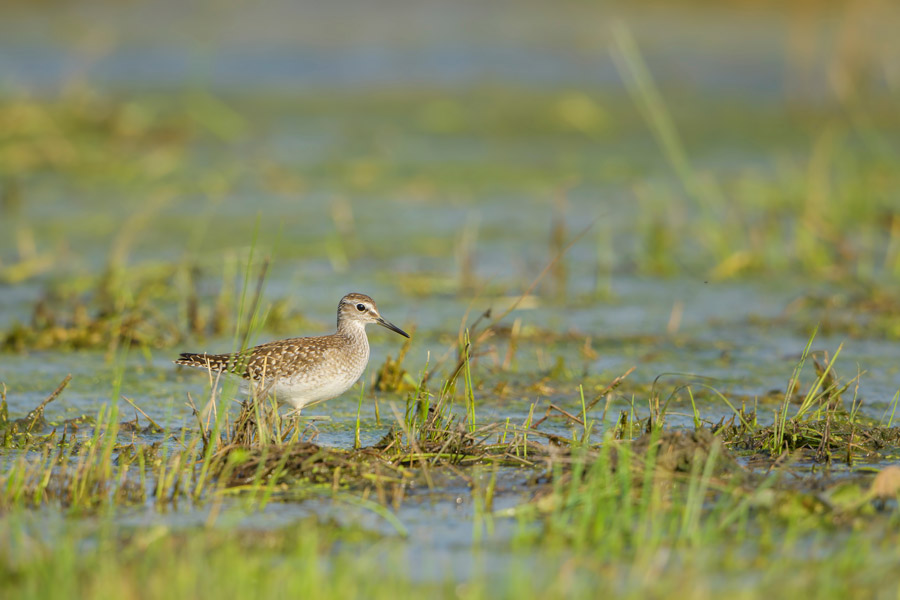
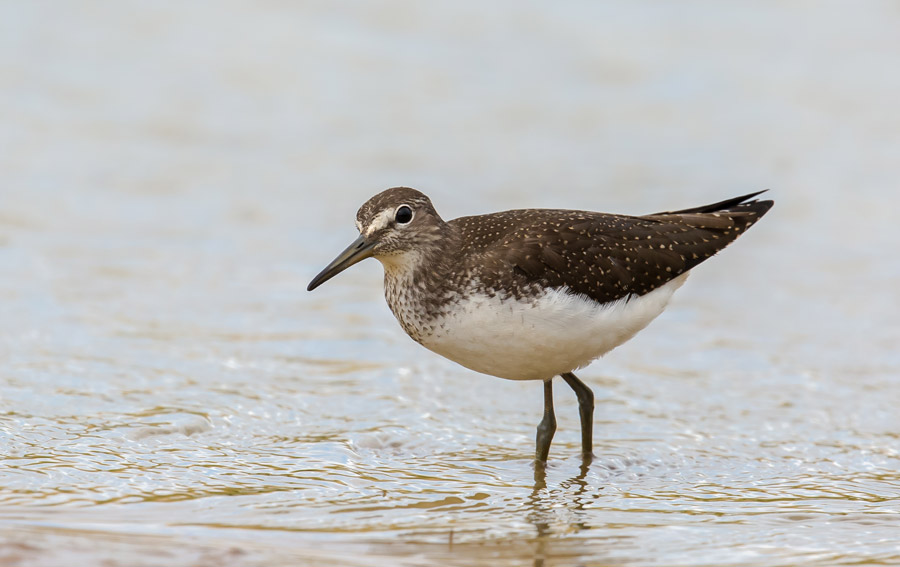
Today we continue our exploration of the North Norfolk Coast, visiting some of its flagship nature reserves. We spend half the day at RSPB Titchwell Marsh, a superb mix of freshwater, brackish and saline wetlands inhabited by a huge range of birds. We will devote plenty of time to watching and identifying the many wading birds likely to be here, especially as, accustomed to humans on the sea wall, they are often remarkably confiding. More than twenty species of waders are frequently seen at Titchwell in a day in late summer and early autumn, and rarities are seen most years.
We may also visit Holkham National Nature Reserve, which includes Burnham Overy Dunes. This is a magnificent stretch of grazing marsh, reedbed, saltmarsh and woodland, which supports a huge range of birds. Breeding species include spoonbill, great and cattle egrets, bittern and marsh harrier.
-
Day 4:
Explore NWT Cley Marshes
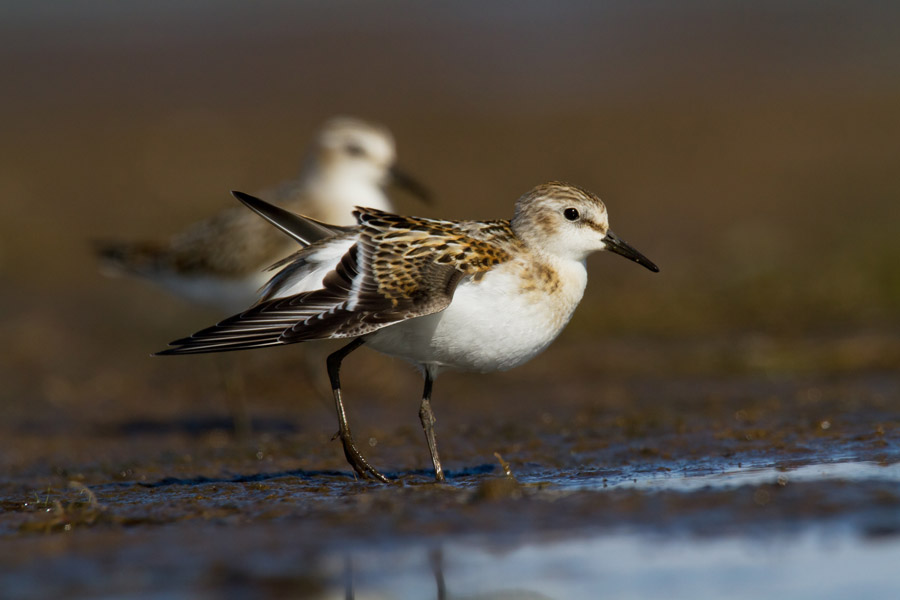
Today we head further east to the iconic NWT Cley Marshes reserve. Its historic scrapes have hosted a phenomenal variety of birds since the reserve was created in 1926. Just as at Titchwell, this is the best time of year for watching waders at Cley. Birds present now may include bar-tailed and black-tailed godwits, whimbrel, knot, curlew sandpiper, little stint, ruff and perhaps rarer species such as pectoral or white-rumped sandpipers.
We will also be sure to visit some of the other excellent sites around Cley, including Blakeney Freshes, Salthouse and Kelling Heaths, each with its own wonderful variety of birds.
-
Day 5:
Final bird walk and tour ends
This morning we take a final bird walk, either on one of the coastal nature reserves nearby or in farmland and heathland close to our hotel, depending on what birds we would still like to see. Before midday we return to the hotel, where our tour ends.