
Watching whales is one of the most profound of all wildlife experiences, as these giants of the deep hold a particular attraction for us humans. Our whale watching holidays include trips, destinations and locations that offer the finest possibilities to see whales.

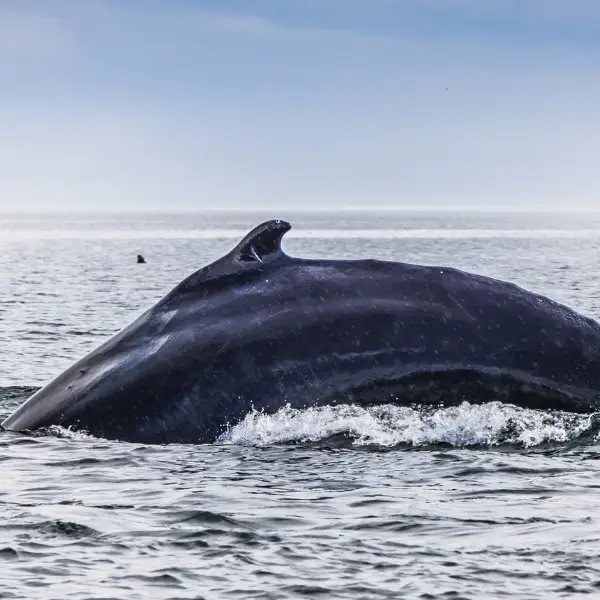
Why our whale watching holidays are so successful


What whales to see and where
Whales are categorised into two groups; toothed whales (Odontoceti) that feed on fish, squid, and marine mammals and include sperm whale, killer whale and beluga whale; and baleen whales (Mysticeti) which are made up of filter feeders such as the blue whale, humpback whale, grey whale and southern right whale, that strain seawater through sieve-like structures in their mouth to collect plankton and krill.
Ranging in size from the blue whale, the largest animal in existence, to the 3.5-metre-long pygmy sperm whale, whales are found in all the world’s great oceans in their millions, where they migrate immense distances between their feeding grounds and breeding grounds. Occurring in locations as diverse as the nutrient-rich icy waters around the polar icecaps to the balmy shallows around the equator, they really are universal travellers.
Blue whale
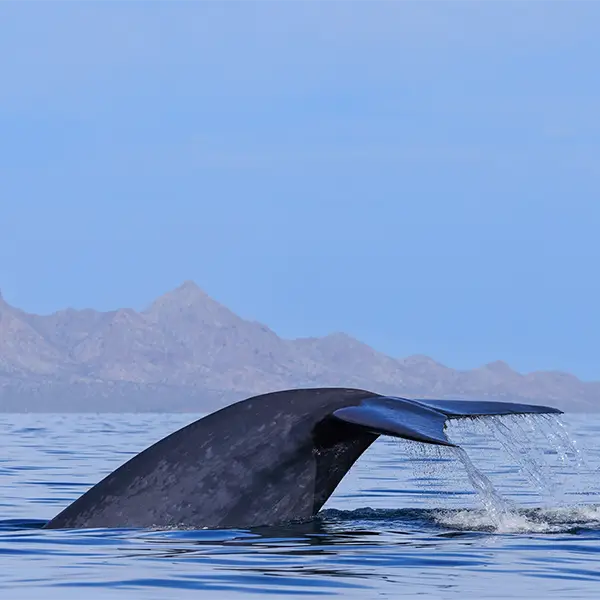
Blue whale sightings are particularly reliable in Mexico’s Sea of Cortez, on our Baja's Ultimate Whale Safari and in Canada on our Whales of Tadoussac & Saguenay Fjord trip. We also recommend our Whales & Dolphins of Antarctica & the Chilean Fjords voyage, New Zealand's Fiordland Wildlife Cruise and Around Spitsbergen expedition to the Svalbard archipelago in the Arctic.
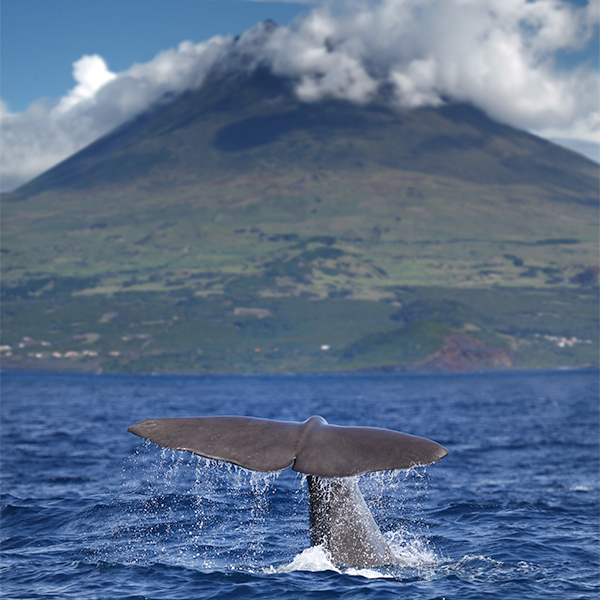
Sperm whale

Kalpitiya, on the west coast of Sri Lanka, is a reliable location to see sperm whales - they arrive here to feed on the abundant food between February and April, when the sea is relatively calm. In Kaikoura on the South Island of New Zealand, they can be seen year-round feeding in the deep Hikurangi trench. Closer to home the Azores boast a resident population - we have a popular Whales & Dolphins of the Azores small group tour or join a team of researchers on a sperm whale conservation trip in the Azores.
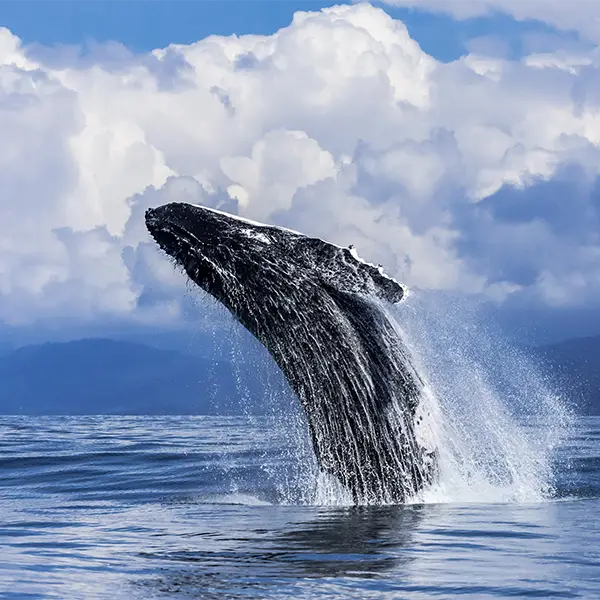
Humpback whale
Fin whale
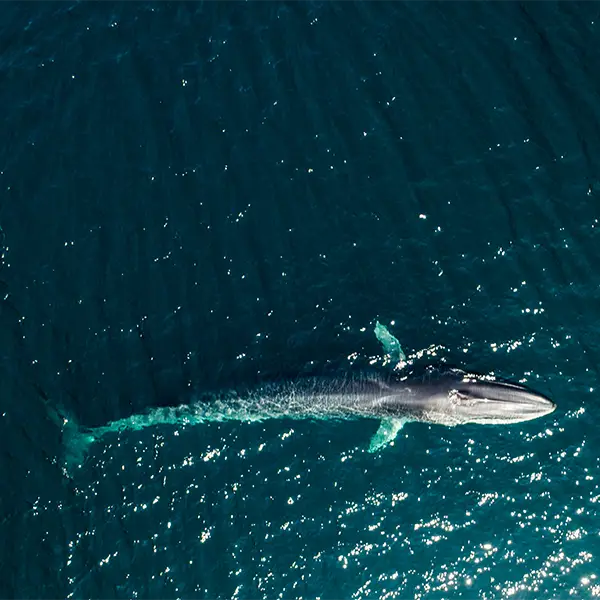
Fin whales can also be found in the waters of the mid-Atlantic around the archipelago of the Azores, which are home to – or visited by - a surprising number of whale and dolphin species.
Other whale species
With around 90 species of cetaceans recognised worldwide, we can’t list them all, but special mention should go to a select few. It would be remiss to exclude speedy sei whales (Balaenoptera borealis), the third-largest whale in the world after blue whales and fin whales. For a chance of seeing them, head to the Azores in spring, Chile or the Falkland Islands.
Common minke whales (Balaenoptera acutorostrata), their comparatively small cousins, reach just nine metres in length and can frequently be seen in Svalbard and rather wonderfully, off UK shores too in the Isle of Mull or The Shetland Islands. You can even sea-kayak with them in Quebec.
Finally, celebrate the deep divers, beaked whales and pilot whales who hunt at almost inconceivable depths. For the former, voyage through Hawaii or off New Zealand’s south coast, and for the latter, try Iceland’s Snaefellsness Peninsula and southern Svalbard in summer.
Grey whale
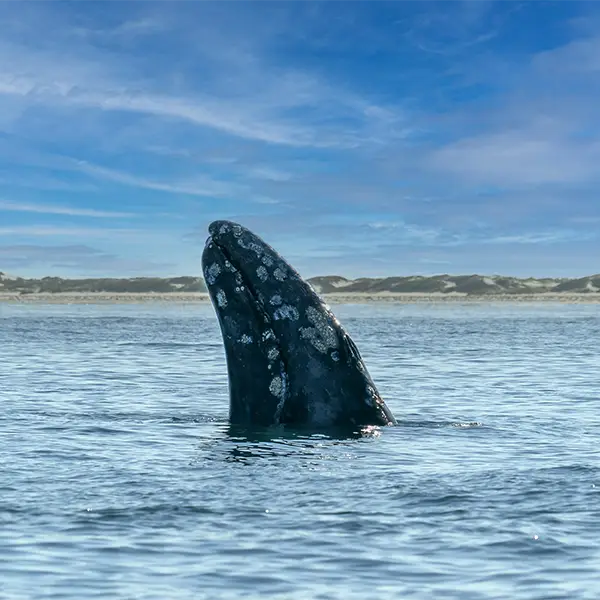
In summer, self-drive Tofino and Pacific Rim National Park on Vancouver Island’s west coast where some grey whales feed on rich plankton. Further north, combine them with bald eagles and bears in Alaska.
Orca (Killer whale)
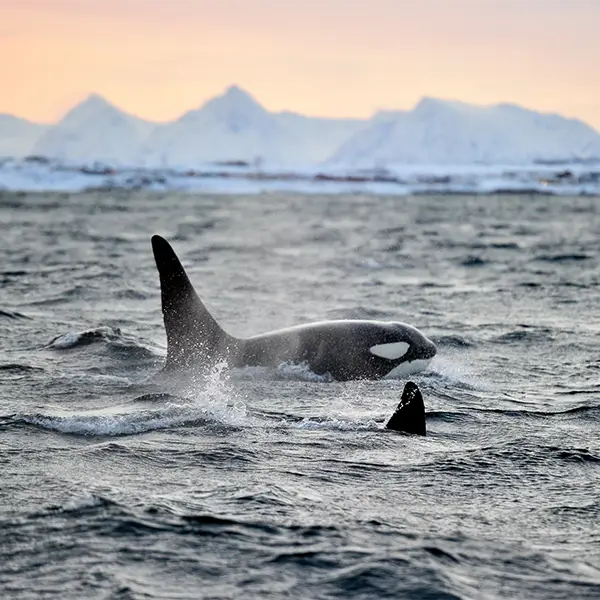
Further south, visit Argentina’s Peninsula Valdes, jutting out into the Atlantic Ocean. Combine spectacular scenery and big cats with the chance to observe intentional stranding on our Patagonia’s Pumas & Orcas small group tour. Alternatively, tailormake your own adventure exploring Patagonia’s Marine Life.
Closer to home, Norway and Iceland provide great opportunities to view orcas with the Northern Lights or take things one step further and swim with killer whales in Norway, sharing their natural habitat through in-water encounters. What a privilege!
Southern right whale
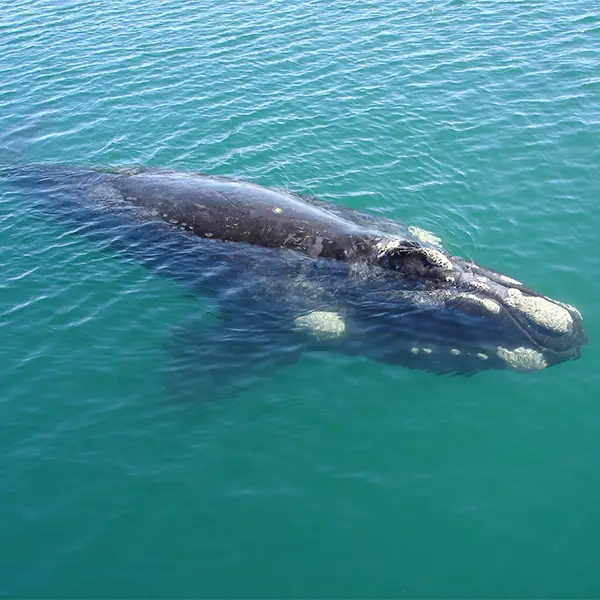
Every year they migrate from their icy feeding grounds off Antarctica to warmer climates to breed. Reaching both Argentina and South Africa in July, they mate and calve off the Valdes Peninsula and Hermanus respectively, providing excellent sightings until November. Join us for a winning cetacean and Big Five extravaganza on South Africa’s Wildlife of Land & Sea or enjoy the freedom of incorporating Hermanus and the Garden Route’s marine wildlife on our South Africa Self-drive Adventure.
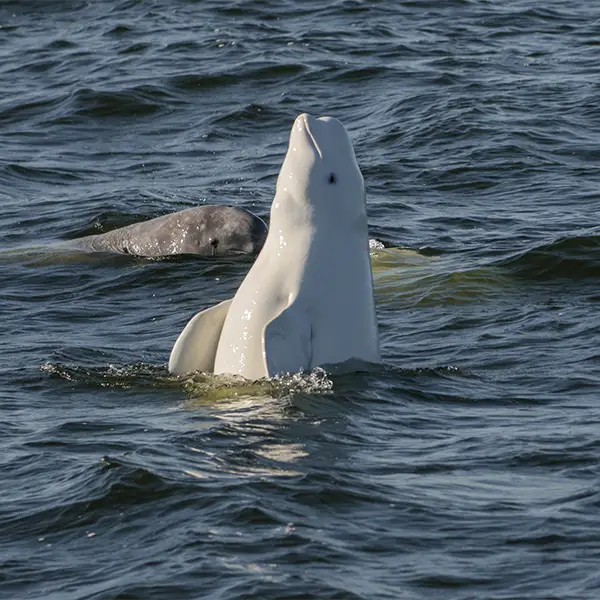
Beluga whale