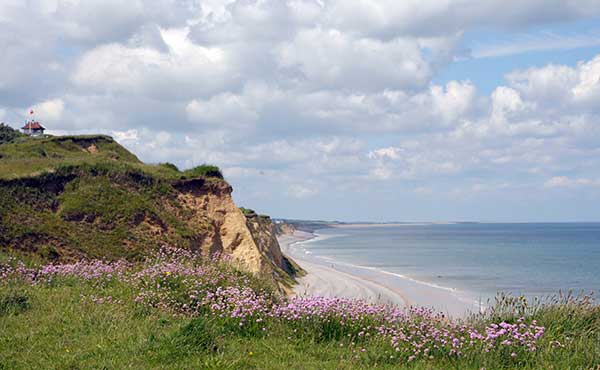
Norfolk in Late Winter goes in search of many of the county’s iconic birds, both along the glorious coast and in the wild, beautiful Brecks in the company of naturalist Nick Acheson.
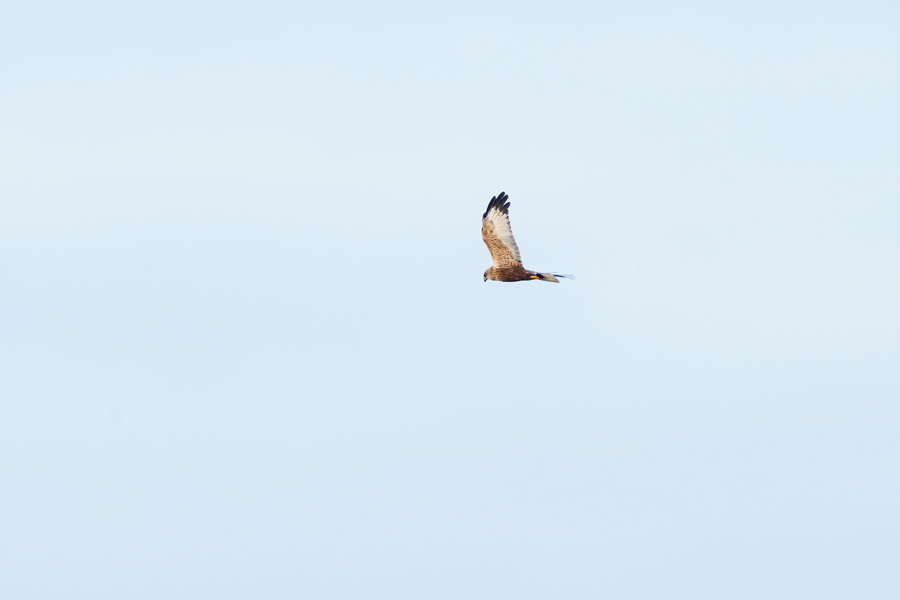
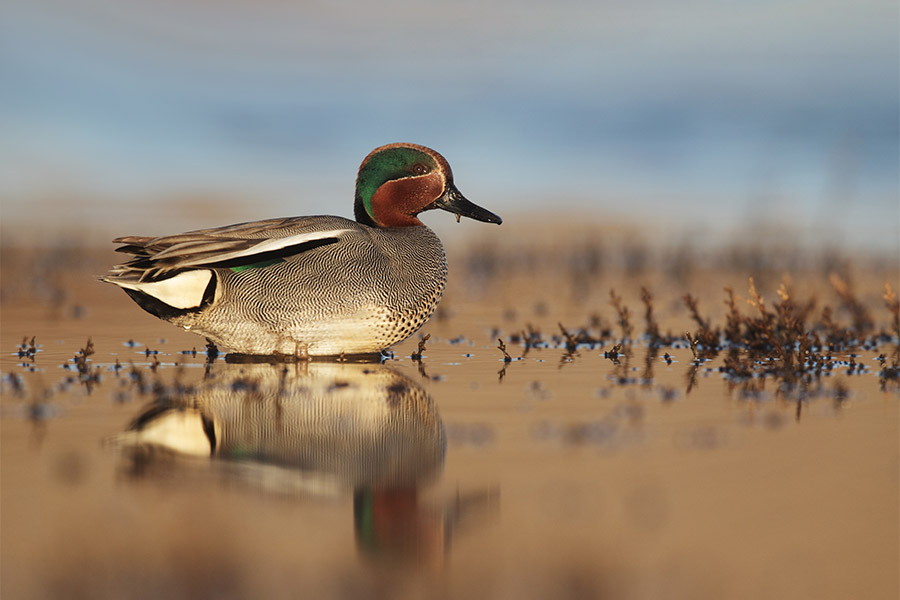
At evening raptor roosts we look for hen and marsh harriers, barn owl, short-eared owl, merlin and peregrine, while along the coast we watch flocks of geese, ducks and waders, and may find scarce divers and grebes offshore. In the forests and grasslands of the Brecks we look for hawfinch, lesser spotted woodpecker, firecrest, crossbill and displaying goshawk. In farmland there are hares, grey partridges, stock doves, yellowhammers and perhaps corn buntings.
If you're interested in visiting Norfolk in summer, we have an Early and Late Summer tour led by Nick and Ed.
Read all about Norfolk's wildlife in Nick Acheson's blog.
Typical Itinerary
-
Day 1:
Meet and greet, visit local raptor roost
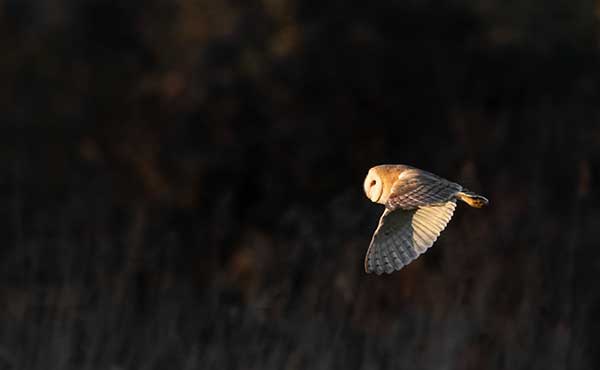
Having met this afternoon at our hotel, we visit a local raptor roost where marsh and hen harriers and barn owl are all often seen. Peregrine, merlin and short-eared owl are all also possible here.
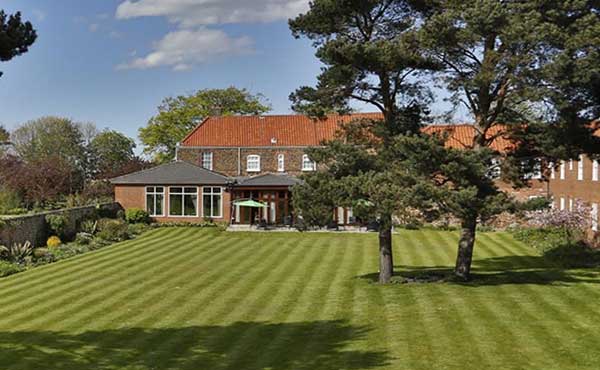
Accommodation: Knights Hill Hotel, 3-nights
-
Day 2:
Explore the North Norfolk Coast
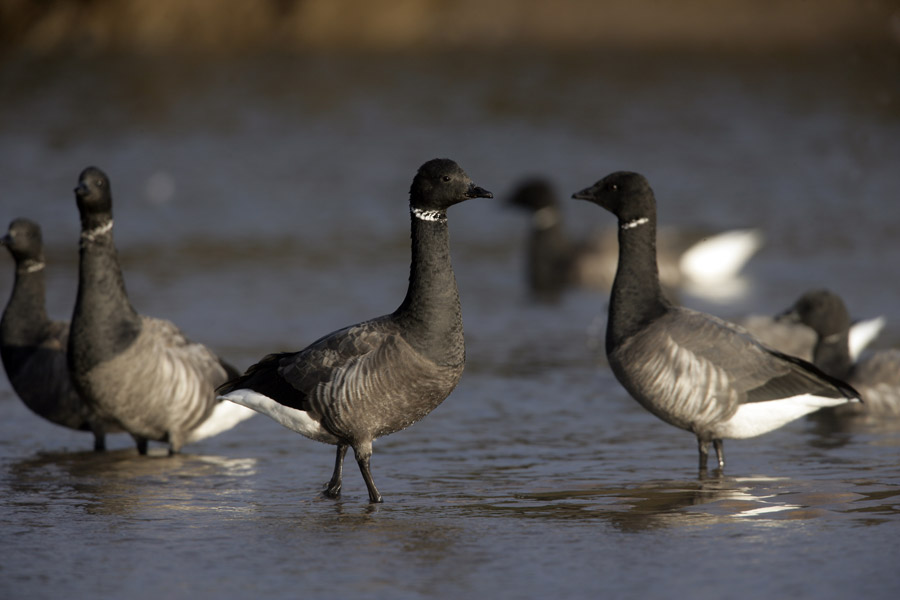
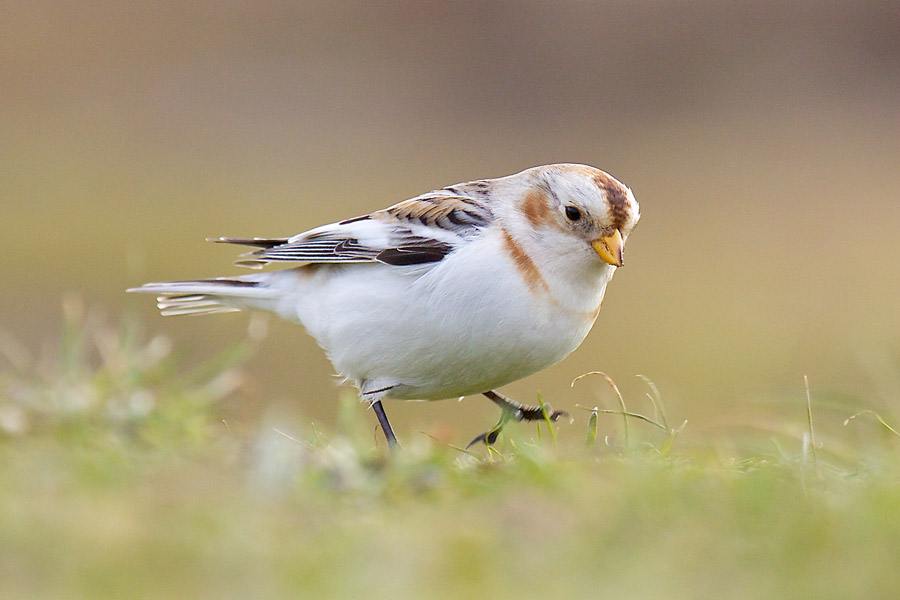
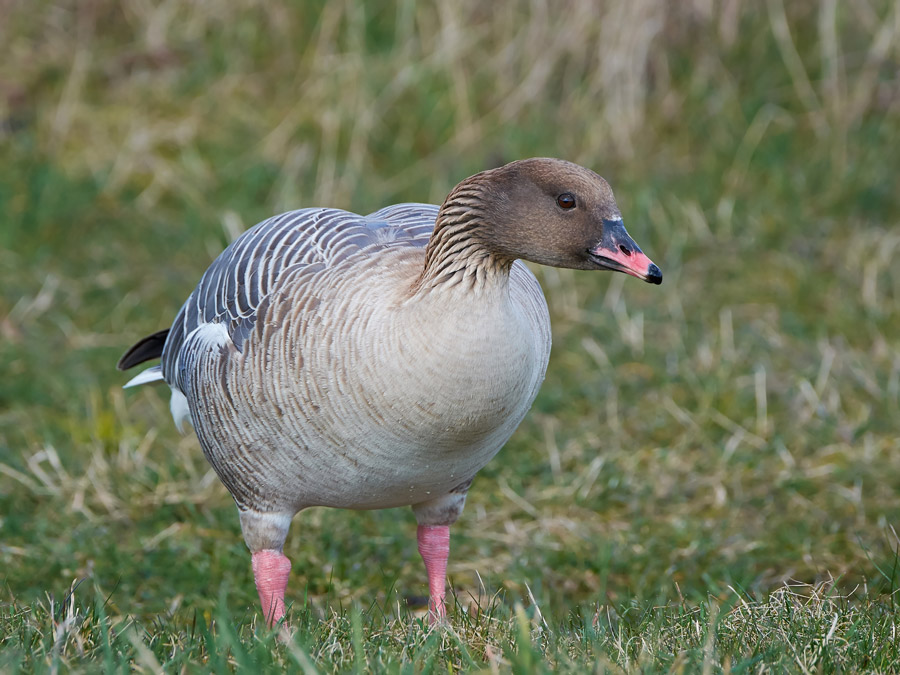
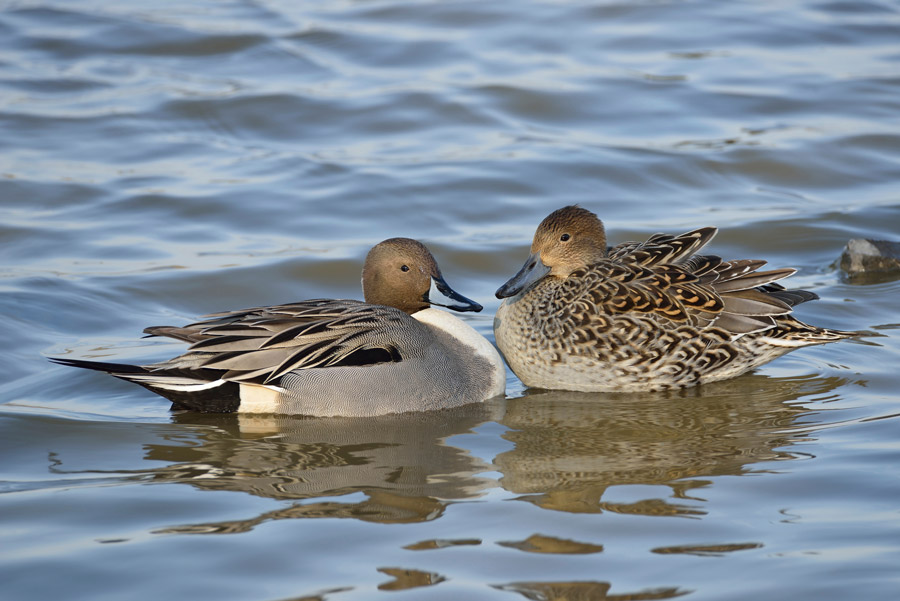
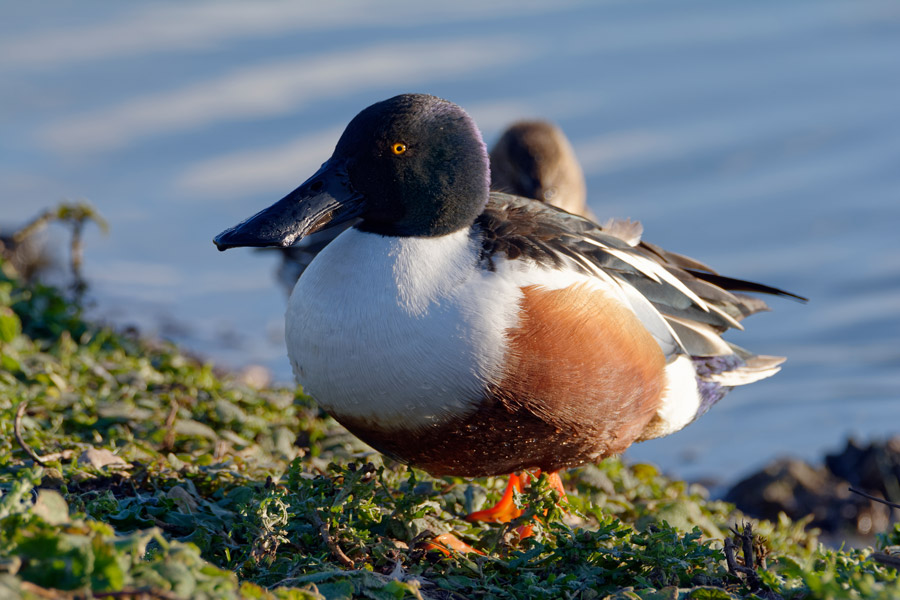
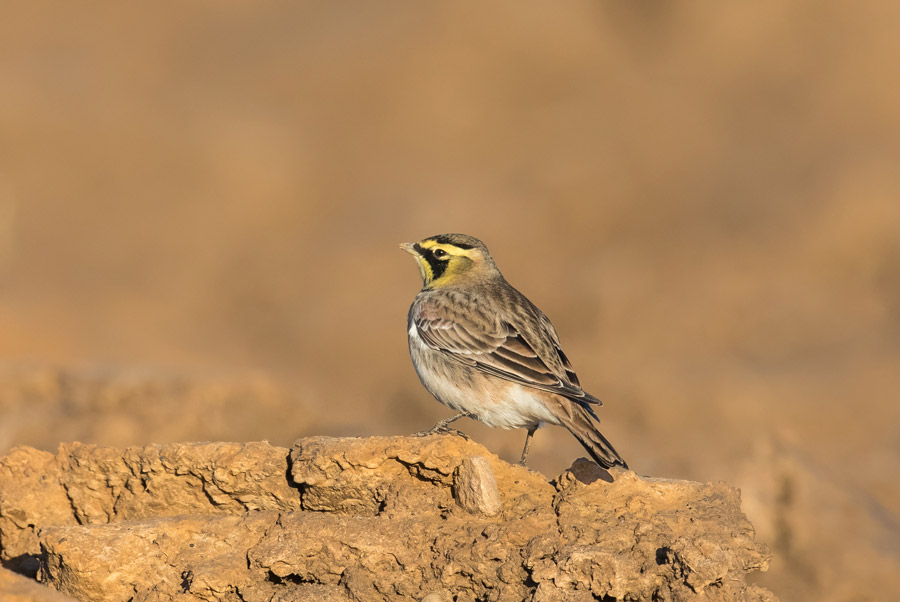
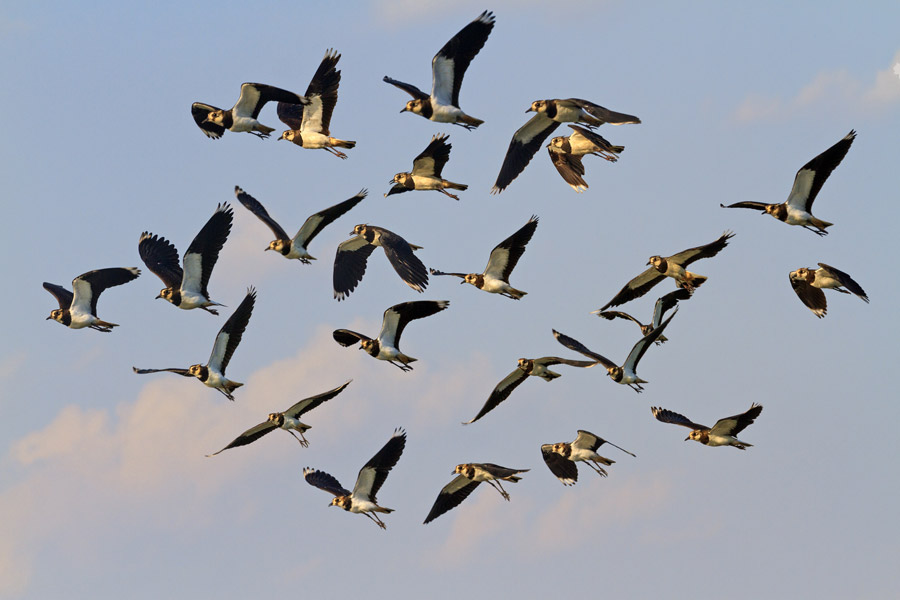
We spend the whole of today along the North Norfolk Coast. Sites we visit may include RSPB Titchwell Marsh and the Holkham National Nature Reserve. Both are excellent for waterfowl and waders, including flocks of dark-bellied brent geese, lapwing, golden plover and wigeon. Offshore at either site there may be red-necked or Slavonian grebes, red-throated or great northern divers, or rafts of common and velvet scoters and long-tailed ducks. On beaches and in the dunes in this area shorelarks, snow buntings are twite are seen.
We end the day at another raptor roost, which is especially good for merlin and hen harrier, though short-eared and barn owls may also be seen heading out to hunt.
-
Day 3:
Explore the Norfolk Brecks
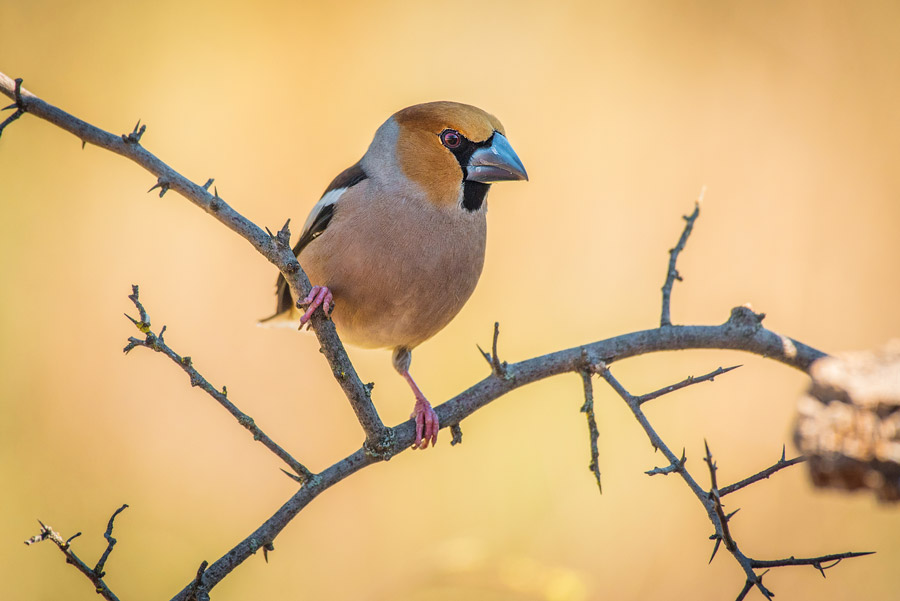
Today we head south to the Norfolk Brecks. This is an excellent time of year for catching up with some of its scarcer inhabitants including firecrest, woodlark, hawfinch and lesser spotted woodpecker. In some years large flocks of bramblings, siskins and redpolls are here too.
Along the River Little Ouse we may see mandarin ducks and even otters, and we will visit a wood where goshawks are commonly seen in display at this time of year.
-
Day 4:
Local birding and tour ends
This morning we make an outing close to our hotel. A nearby heath can be excellent for woodlark and stonechat, while farmland nearby has corn bunting, yellowhammer and grey partridge.
Before midday we return to our hotel where the tour ends.