Join us as we explore the Forest of Dean and further afield into the Wye Valley to observe a whole variety of different species ranging from wild boar to firecrest.
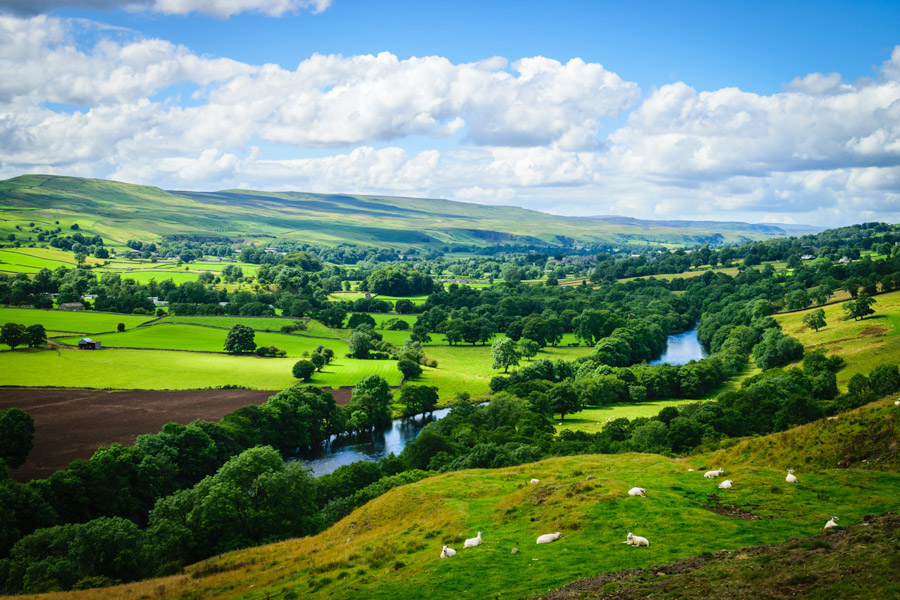
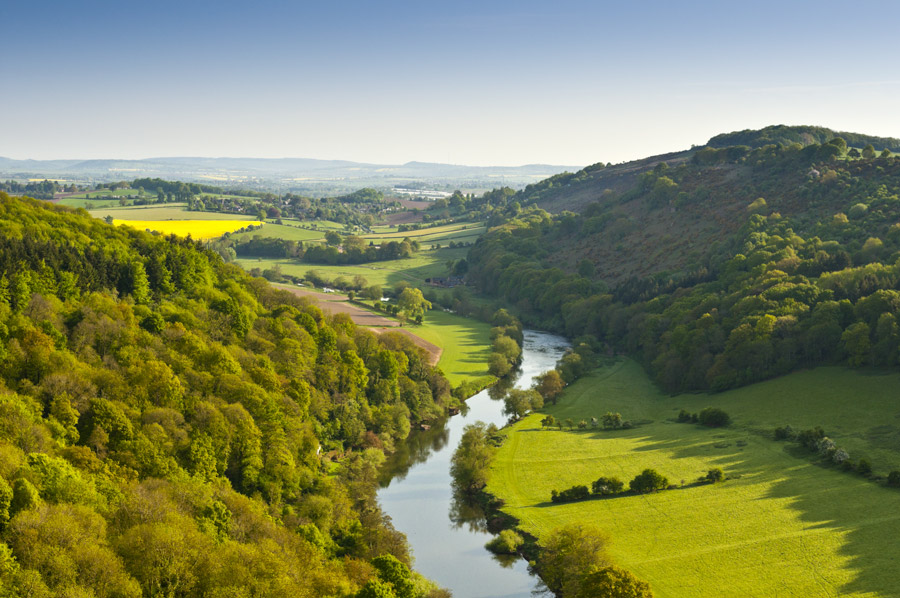
The vast wooded areas of the Forest of Dean and Lower Wye Valley are geographically and culturally distinct places, situated on the western side of the county of Gloucestershire, with the River Wye forming the boundary between England and Wales. The once remote Forest of Dean is a roughly triangular sandstone plateau of over 42 square miles of near-continuous managed woodland, while the contrasting Lower Wye Valley is a more spectacular landscape, long visited by the first ever tourists, with its deep gorge with pale limestone cliffs and primeval ancient woodland. Between these two very different areas, there is an abundance of wildlife found within an unspoilt landscape.
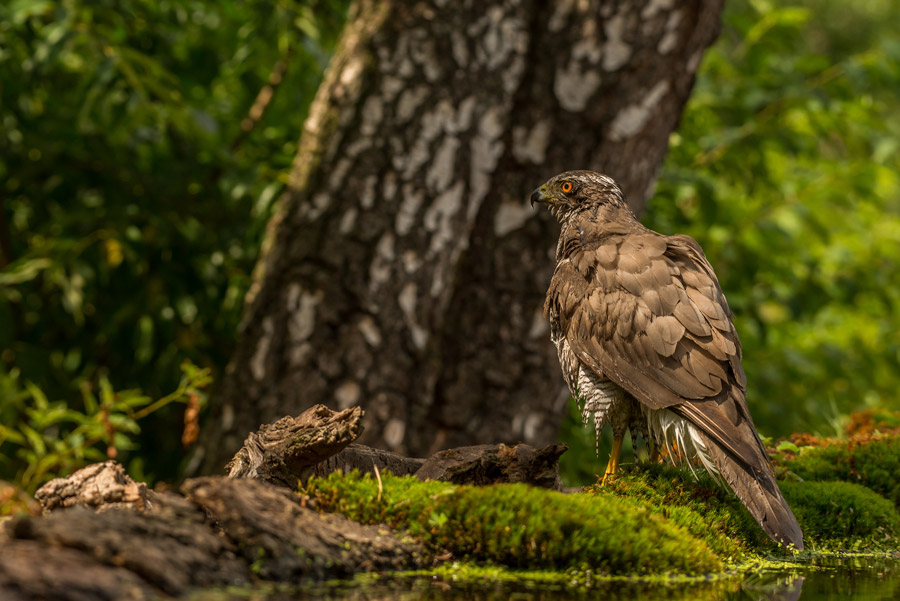
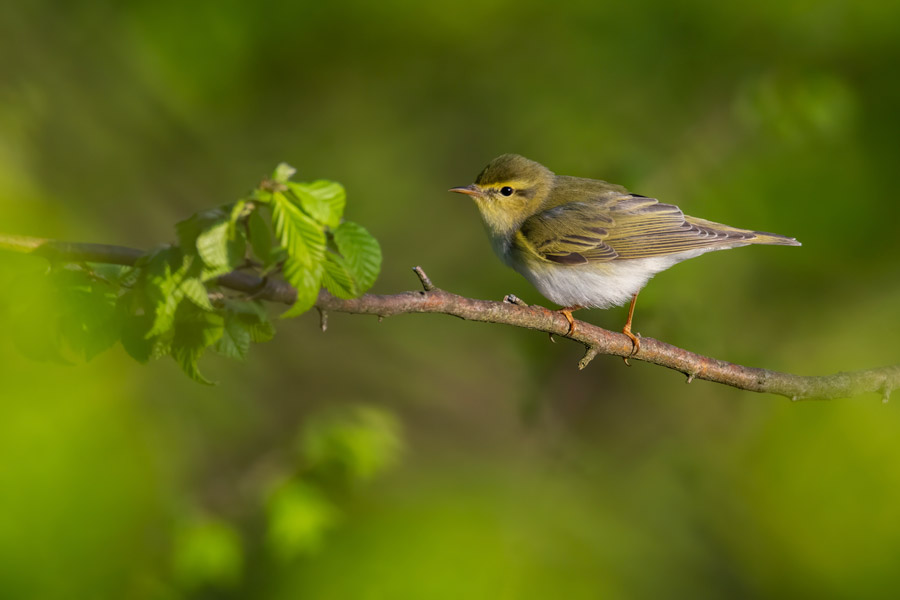
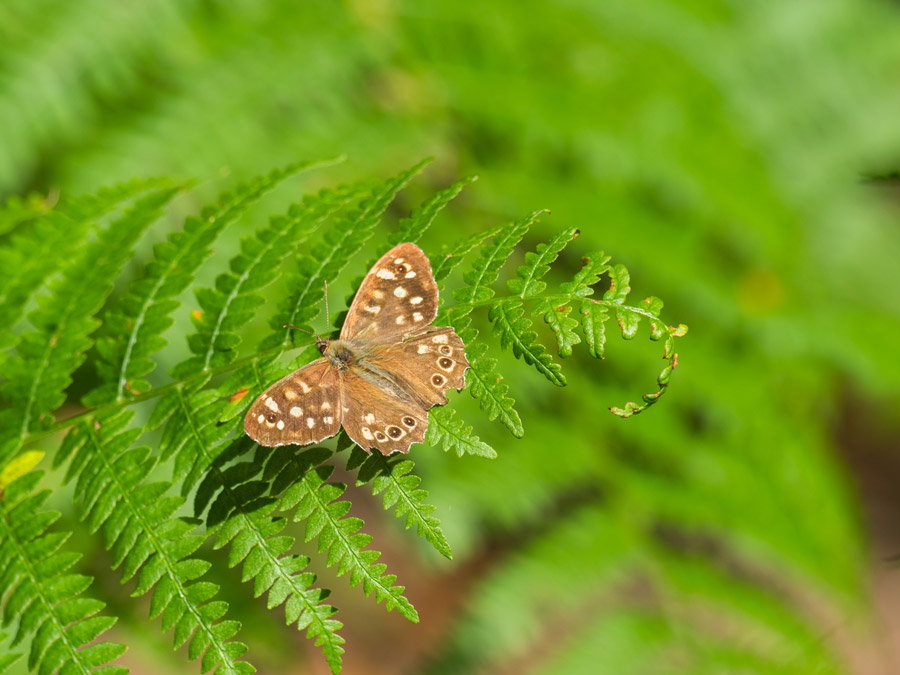
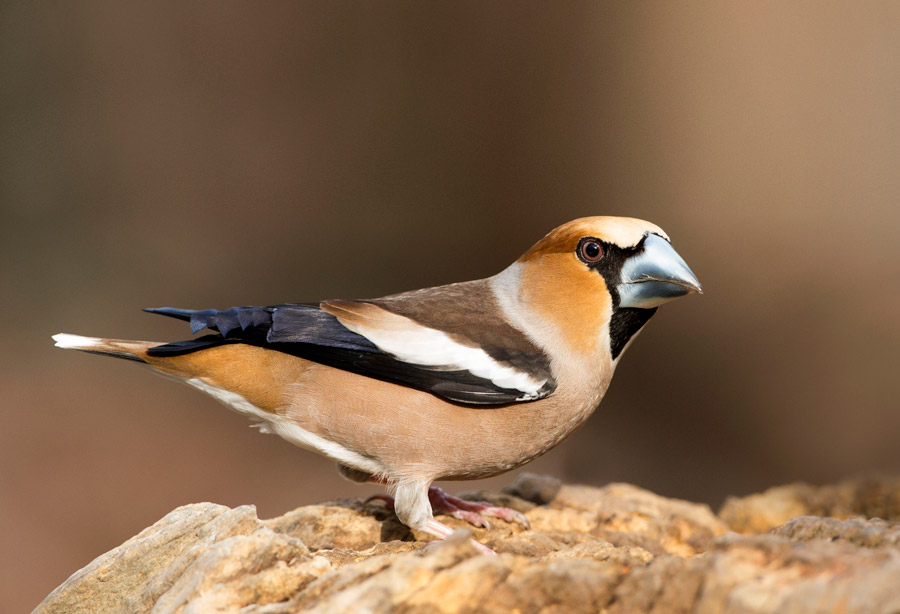
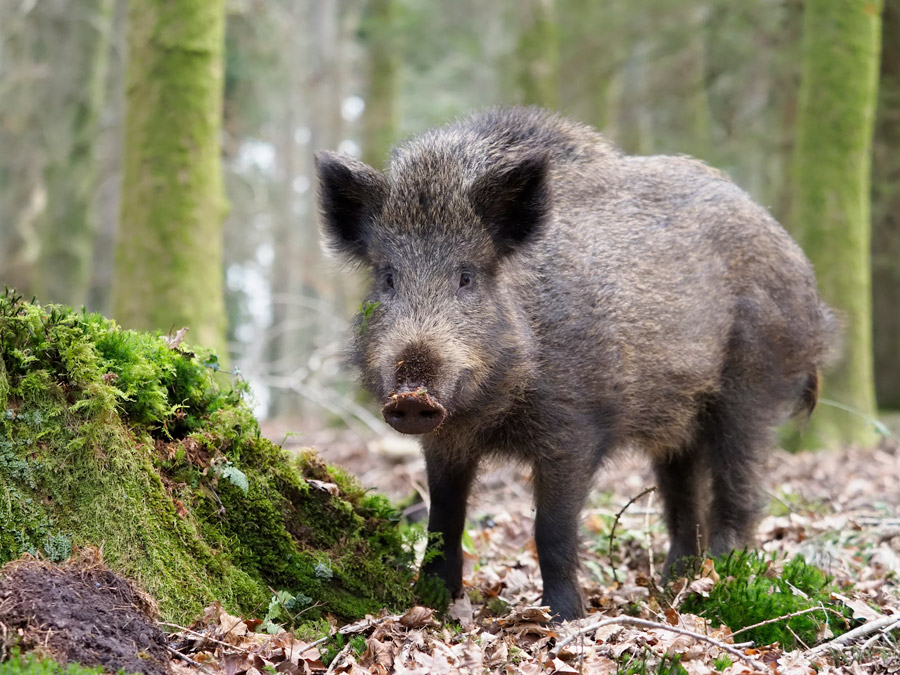
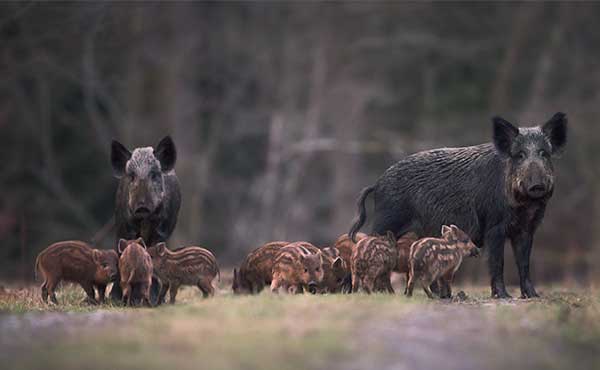
Based in the heart of the Forest of Dean, we're ideally situated for short excursions, some on foot. The wildlife of this once remote area is truly outstanding, and includes some scarce and sought-after wildlife, including woodland birds, and a unique mammal fauna found nowhere else in the UK. Specialities we hope to see or hear include goshawk, peregrine, dipper, nightingale, pied flycatcher, firecrest, garden warbler, wood warbler and hawfinch, with mammals including wild boar and fallow deer. Depending on which month you visit during the spring and summer, an abundance of dragonflies, butterflies, orchids can be found, including scarce and local species.
Typical Itinerary
-
Day 1:
Arrive in the Forest of Dean & afternoon excursion
This afternoon we arrive at our accommodation where we meet our leader in the reception of the hotel before checking in.
Later in the afternoon we head out on our first excursion of the trip, and we can either walk directly into the woodland from our hotel or take a short driven excursion. We can walk to the nearby Cyril Hart Arboretum, Speech House Woodland or alternatively visit Crabtree Hill, a nearby grazed heathland restoration project. This large open area often hosts such species as tree pipit, willow warbler, linnet and stonechat, with possible goshawk, wood warbler, hawfinch crossbill. This evening we can also take an optional twilight and evening walk if the weather permits and if we feel up for it on our first night, looking for wild boar, deer, tawny owl, and woodcock.
Accommodation: 3-nights, The Speech House Hotel
-
Days 2-3
:
Explore the Forest of Dean & Wye Valley
On our first full day exploring the Forest of Dean we take in a few key locations, one being the RSPB’s wonderful Nagshead Reserve with its oaks and mixed woodland, with some veterans planted here in the 19th century for the English Navy. Following the nature trails, we have chances of seeing or hearing redstart, hawfinch, firecrest, garden warbler and pied flycatcher. The pied flycatcher colonised the Forest of Dean due to nest boxes put out in the 1930s, and the monitoring of these nest boxes since then makes it the longest-running nest monitoring project in the UK. Other species we may see here and throughout the Forest include buzzard, goshawk, mandarin duck, dipper, grey wagtail and crossbill. There's also a very healthy song thrush population.
Other locations we may visit include New Fancy Viewpoint which is a particularly good spot for goshawk, peregrine, siskin and crossbill, and the Soudley and Cannop Ponds where we spend time looking and listening for woodland and water birds including mandarin ducks, little grebes, kingfisher, woodpeckers, treecreeper, goldcrest and firecrest.
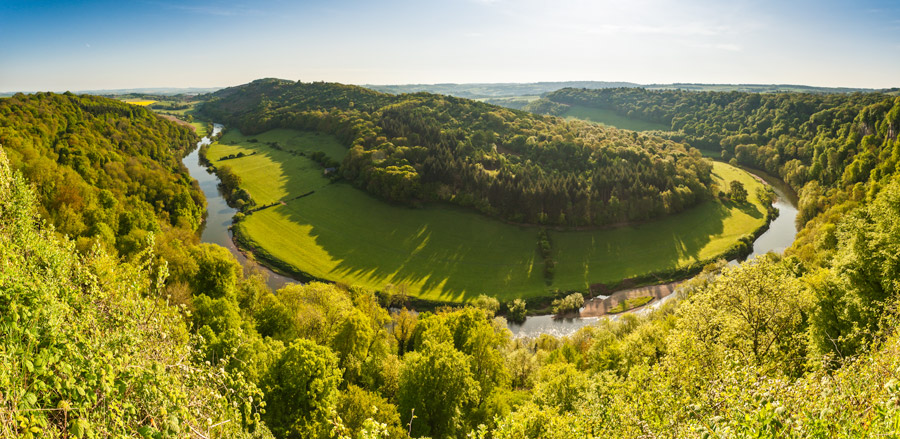
The following day we venture to the eastern side of the Forest escarpment and into the Severn Vale. One of the main species we’ll be hoping to encounter today is nightingale at the RSPB’s reserve at Highnam Woods, close to the city of Gloucester. Here, the nightingale is at the very western extremity of its world range. After, we visit Symond’s Yat Rock, probably one of the most beautiful and iconic views in all of England, and of course is home to its famous nesting peregrine falcons. The high promontory, accessed through impressive Iron Age earthworks, gives dramatic views over the River Wye and south Herefordshire. Many of the resident breeding birds often pass beneath us from our viewpoint, including peregrines, buzzards and ravens commuting to their nests on adjacent limestone cliffs. Also, we may see a number of other spectacular birds, with goshawk, red kite and sparrowhawk being just some of these species. In addition, there might be the chance of goosanders, nesting grey herons and even cliff-nesting Canada geese!
-
Day 4:
Morning excursion & departure
This morning there is time for one last outing in the Forest of Dean where we may observe some species that we haven't seen yet, before returning to the hotel where the trip draws to close at midday.