The 1,200 square kilometres of Australia’s largest rainforest, Daintree, has a bigger range of flora and fauna, with more plant and animal species that are rare or threatened, than anywhere else on earth.
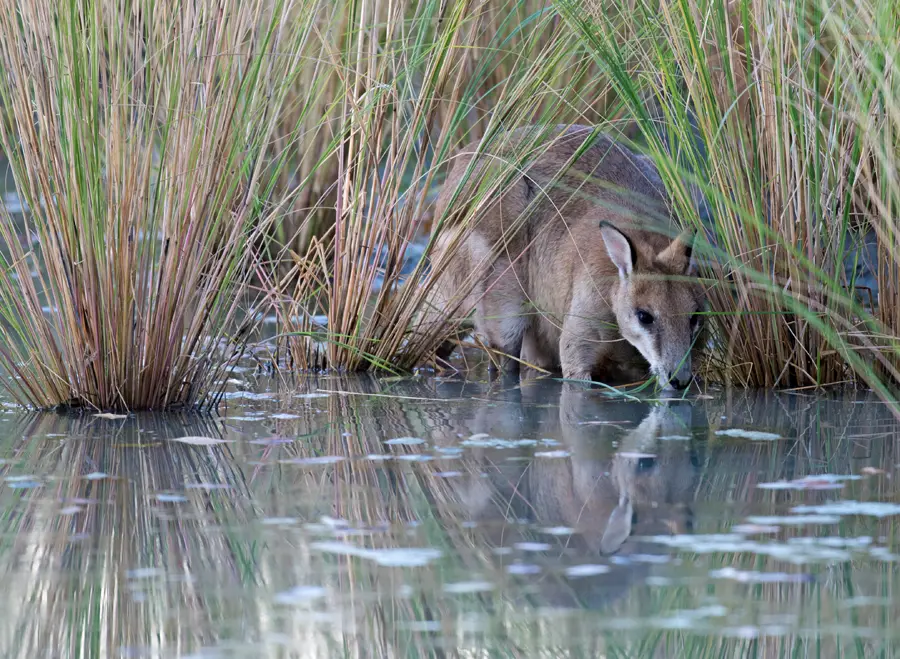
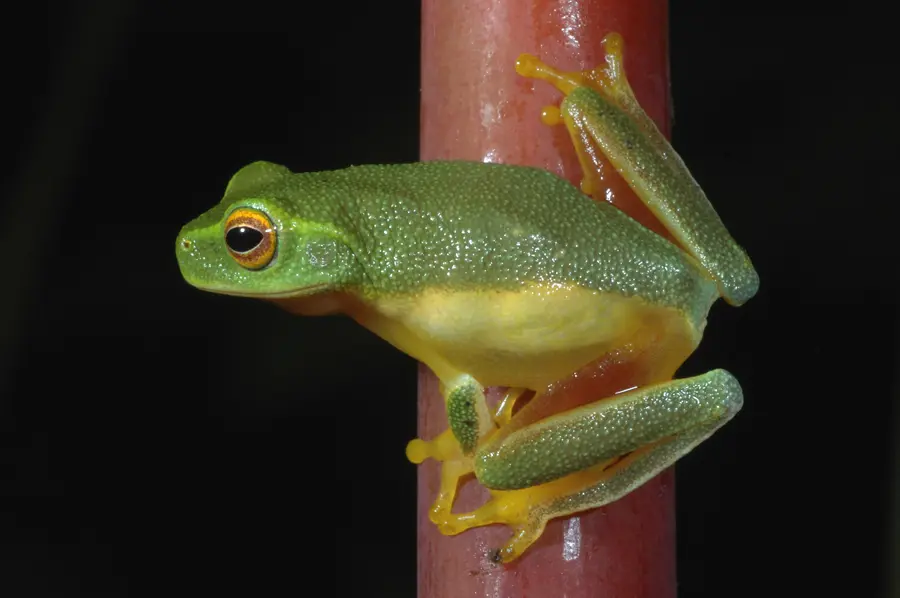
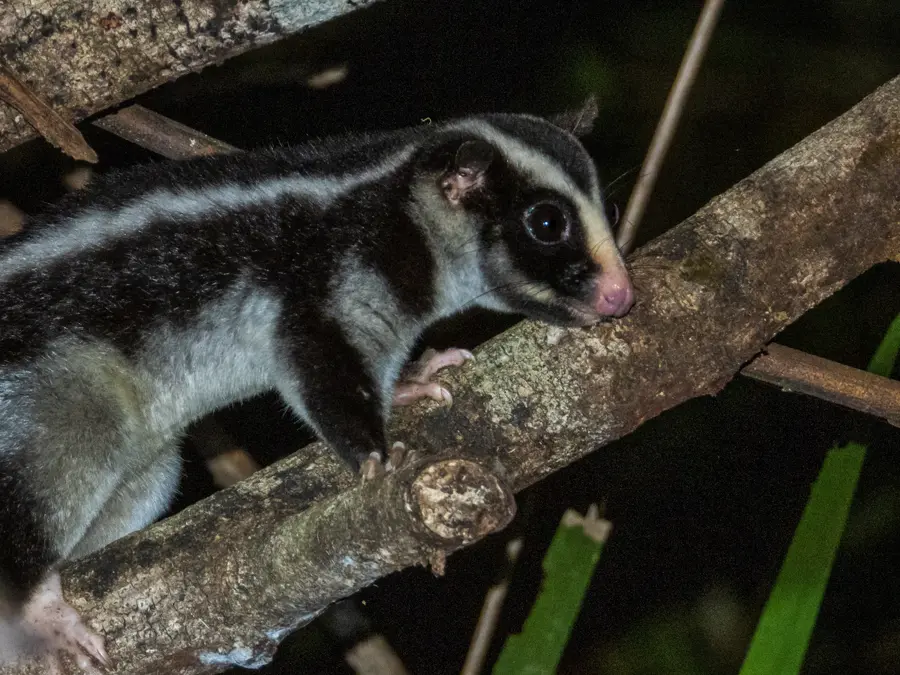
Approximately 430 species of birds live among the trees, including 13 endemic species that are found nowhere else in the world; this represents 20% of bird species in the entire country. The forest contains 30% of frog Australia’s marsupial and reptile species, and 65% of its bat and butterfly species, plus more than 12,000 species of insects.
The Daintree Rainforest is over one hundred and thirty-five million years old – making it the oldest in the world. Along the coast to the north of the Daintree River rainforest grows right down to the edge of the sea. Founded in 1981, the national park became a UNESCO World Heritage Site in recognition of its universal natural values
Visiting the Daintree is invariably a wonderful outdoor experience that includes: untouched tropical rainforest , remote wilderness, golden beaches with calm water, hiking tracks, thousands of species of birds and other wildlife, and excellent ecological information about the world’s most diverse ecosystem i.e. just about everything a wilderness lover could ask for. However, Daintree also contains many of Australia’s most infamous residents – such as crocodiles, snakes and spiders that are all potentially life-threatening – so needs to be treated with respect.
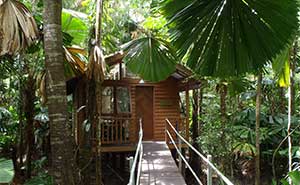
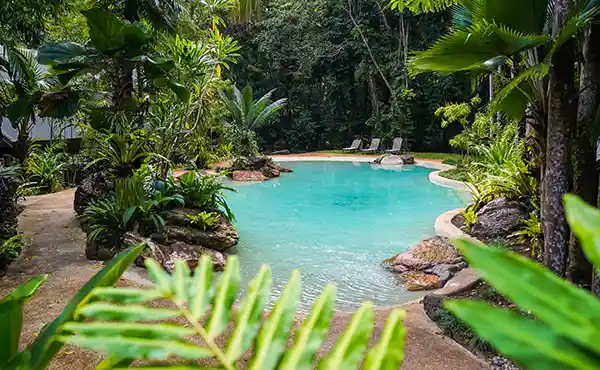
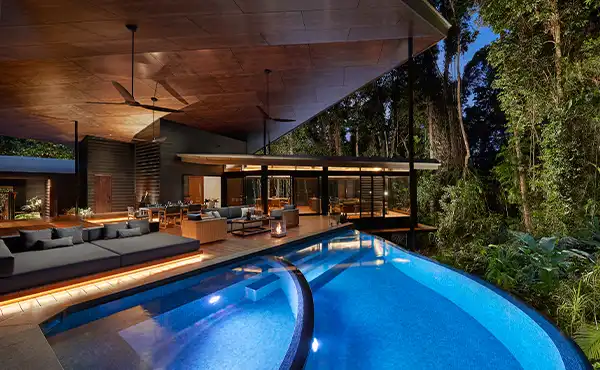
This unique corner offers an outdoor experience few other places on the globe can match. Apart from the flora and fauna, there are hiking trails, scenic lookouts, camping sites, picnic tables and swimming holes and a selection of eco-friendly accommodation, plus cafés and restaurants that specialise in local delicacies. Daintree Rainforest is a truly unique area, precariously balanced between the advances of development and the warnings of environmentalists.
View suggested itineraries