Sitting on the confluence of the Zambezi and Chobe Rivers, Chobe National Park covers an area of 10,566 square kilometres and is home to one of the greatest concentrations of wildlife found on the African continent.
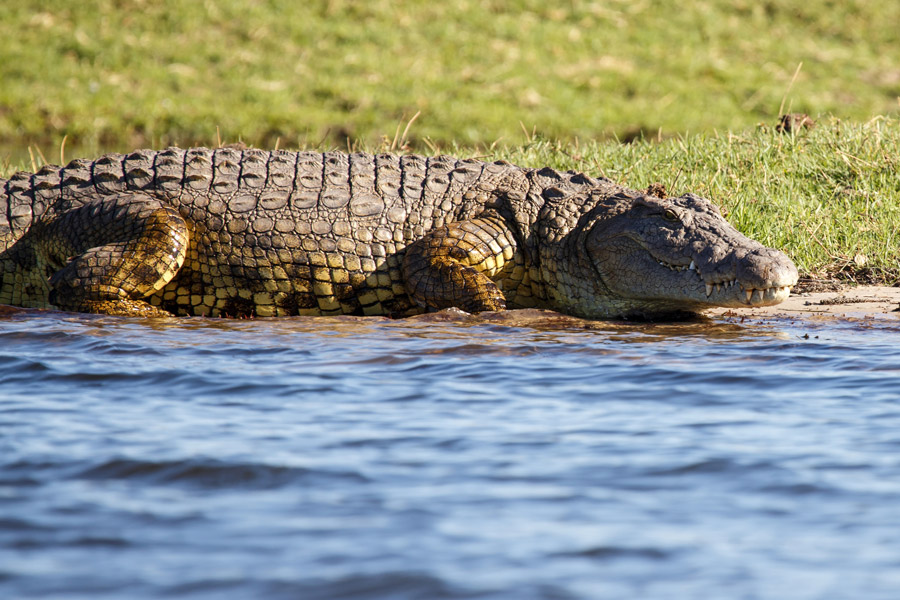
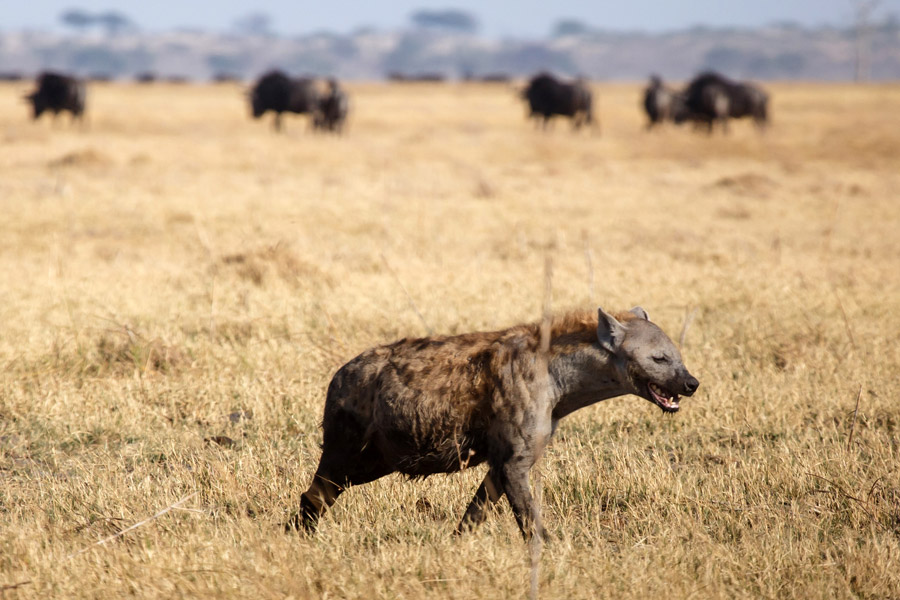
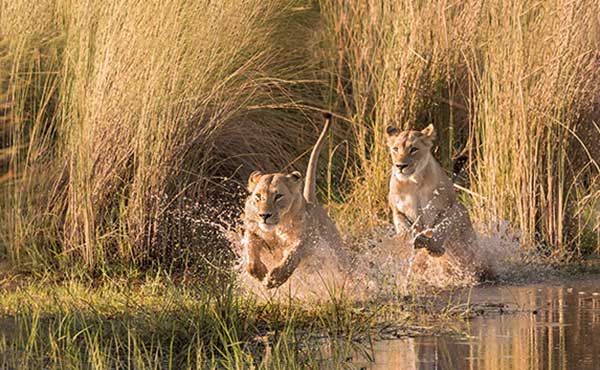
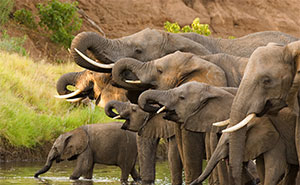
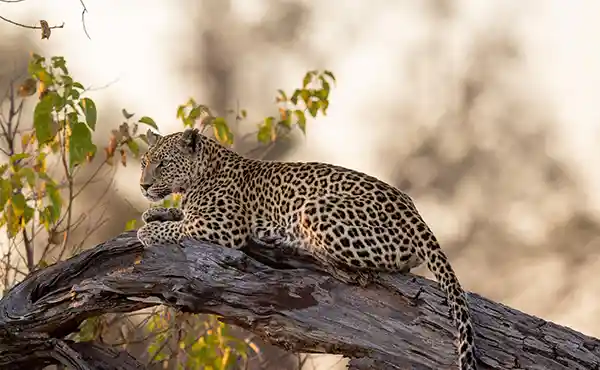
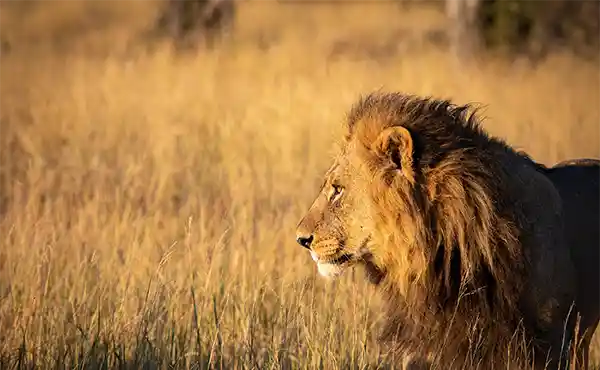
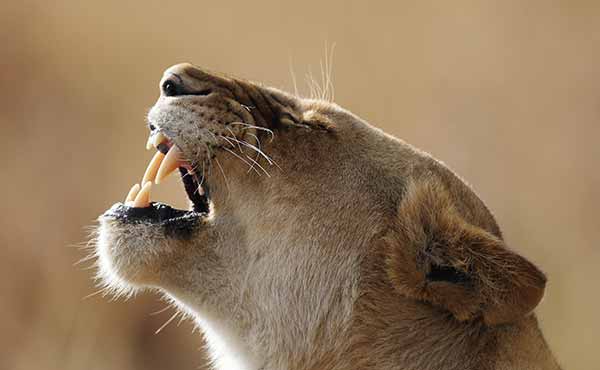
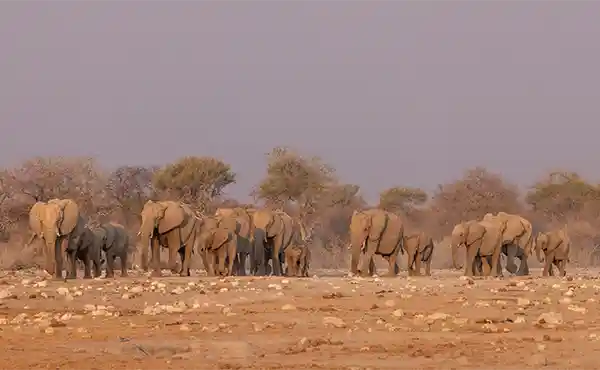
Here you will see major species of mammals; highlights include lion, wild dog, cheetah, leopard, giraffe, bushbuck, blue wildebeest, and huge numbers of hippo. Large herds of buffalo also gather along the fertile floodplain in the dry season. The Chobe elephant are migratory, making seasonal movements of up to 200 kilometres from the Chobe and Linyanti rivers (where they congregate in the dry season) to the pans in the southeast of the park, in the rainy season.
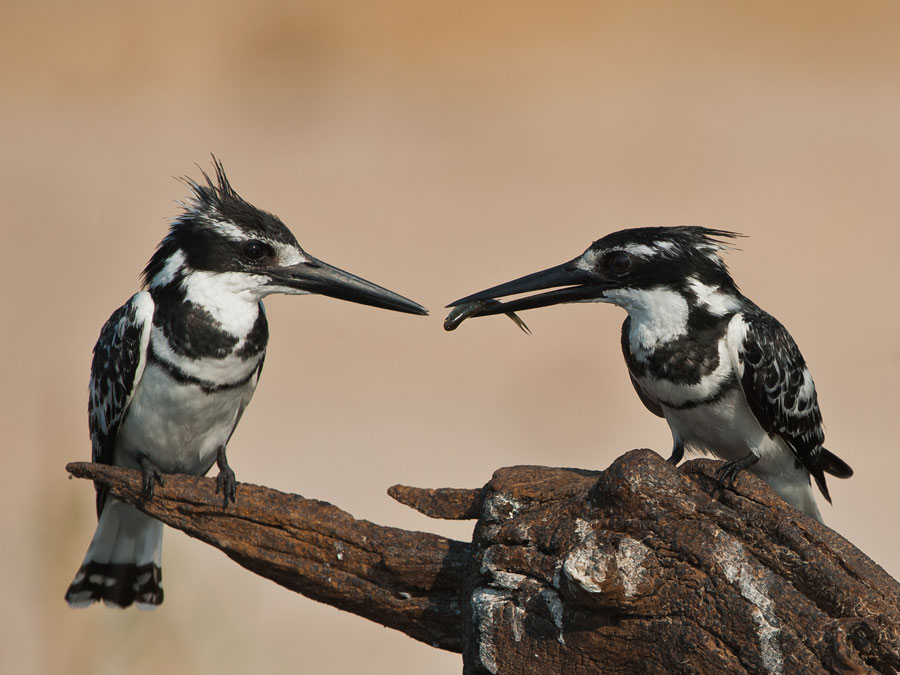
Amongst a colourful collection of birdlife, you can expect to see long-toed, and wattled plovers, white-faced whistling ducks, African fish eagle, pink-throated longclaw, numerous species of heron and water-birds, and perhaps western banded snake-eagle. Brilliantly plumaged carmine bee-eaters seem to circle endlessly overhead, particularly from mid-September onwards, and lilac-breasted rollers adorn every lookout.
Game-viewing is by 4-wheel drive vehicles inside the park, or boat rides along the river. The park is divided into four distinctly different ecosystems: the lush plains and forests of the Serondela and Chobe River areas in the extreme north-east, the Savuti Marsh in the west, the Linyanti Swamps in the north-west and the hot dry hinterland in between. The best time to see wildlife is generally during the dry season, when the majority of natural pans have dried up.
View suggested itineraries