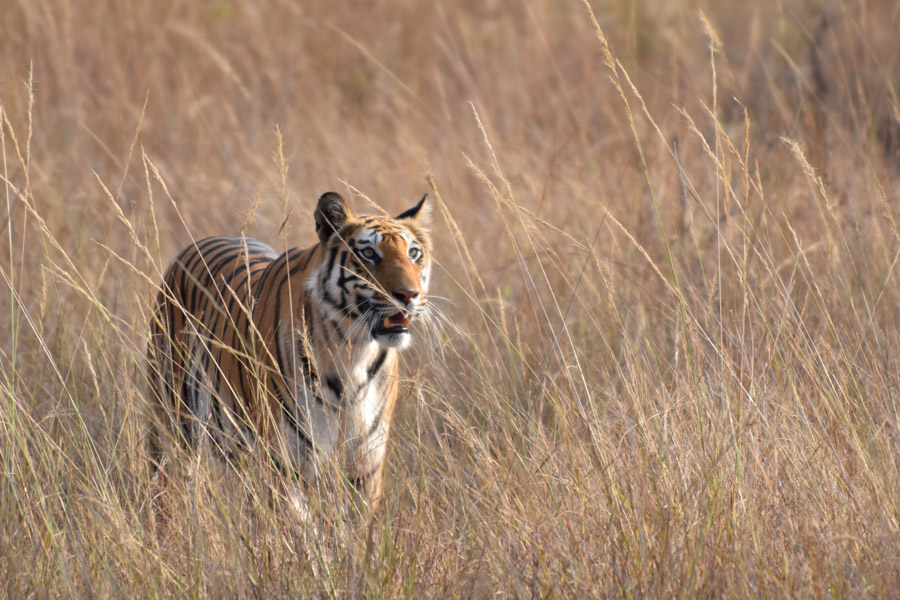
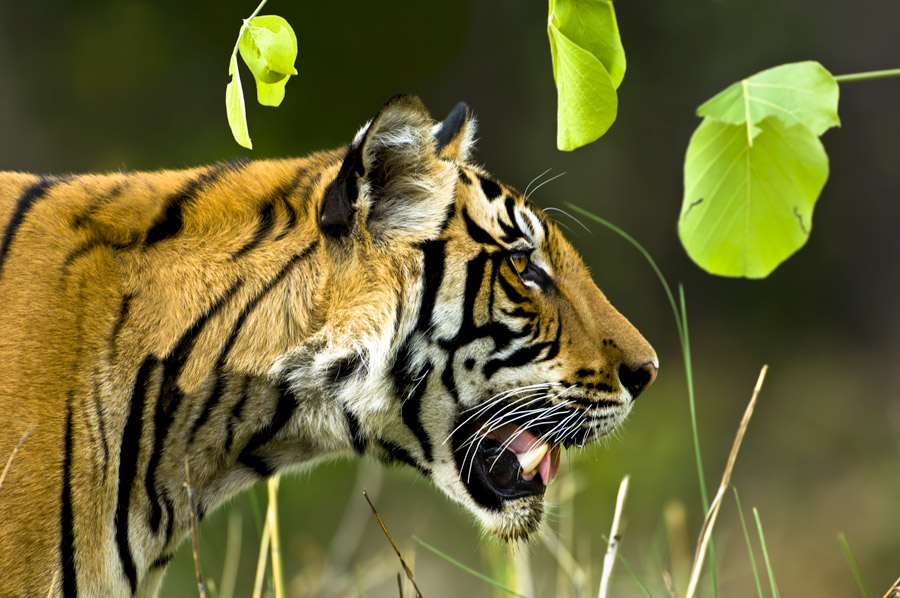
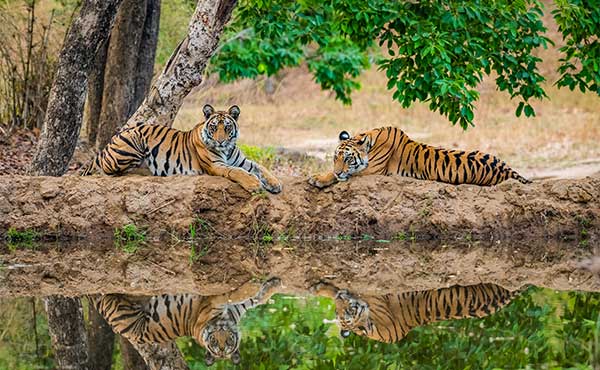
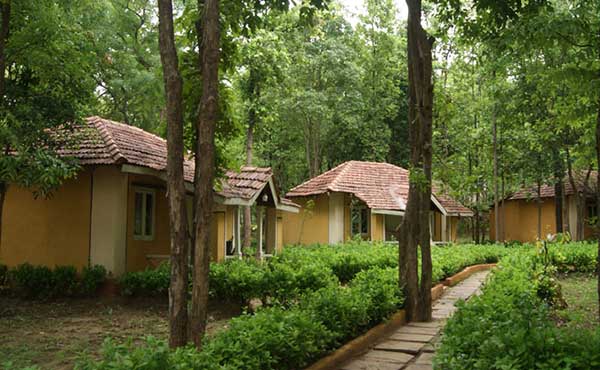
Kanha National Park is located in the remote Mandla district of Madhya Pradesh, in central India. The park offers some of India's best tiger viewing, amongst a plethora of other mammal and bird species.
Topography
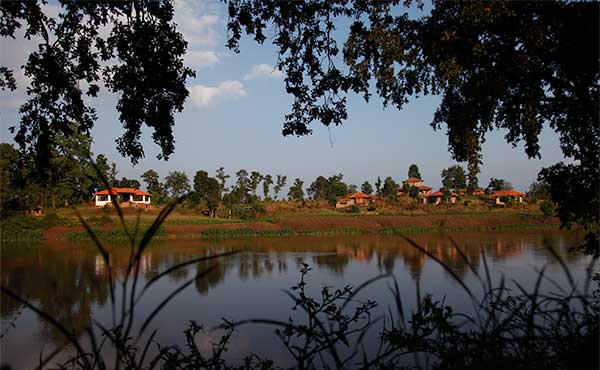
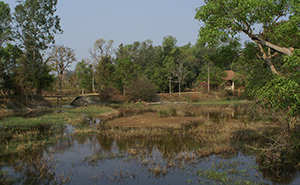
Created in 1955, Kanha covers an area of 1,940 square kilometres at an altitude of between 600 and 900 metres. It consists of a horseshoe-shaped valley, with the Surpan River meandering through the grassland that covers an extensive plateau. Steep rocky escarpments created by spurs of the Mekal Hills, offer breathtaking views of the valley, and the forests of the Banjar and Halon valleys form the western and eastern halves of Kanha Tiger Reserve.
Kanha wildlife
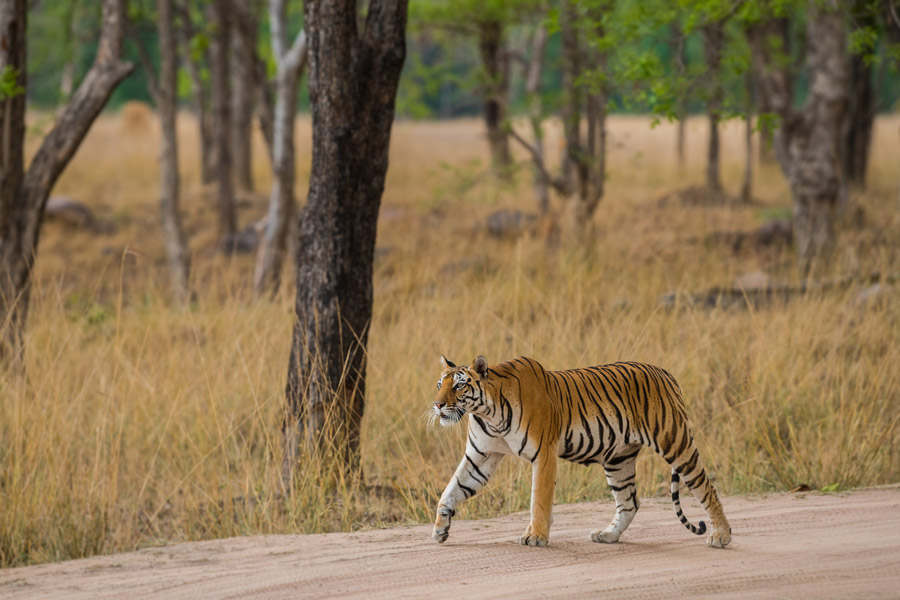
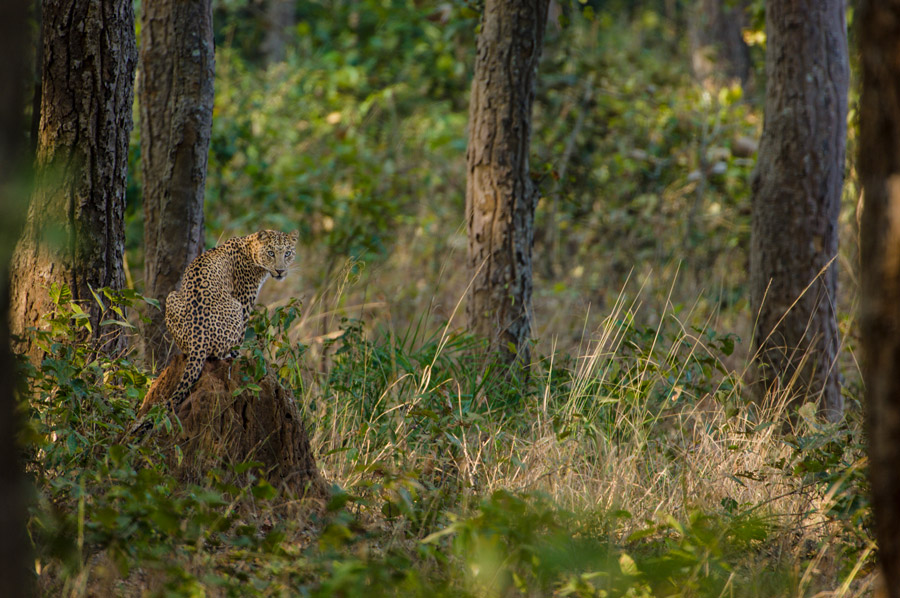
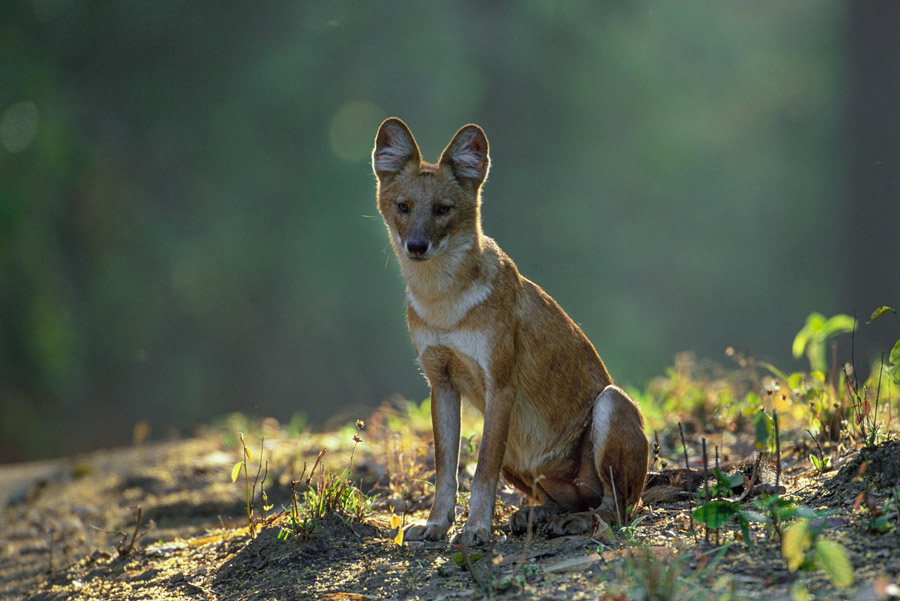
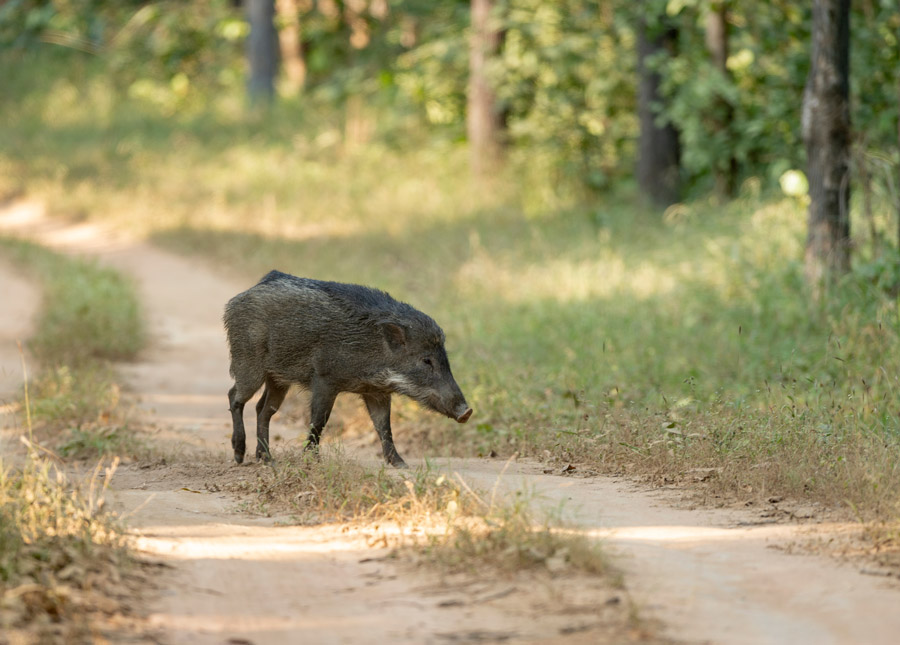
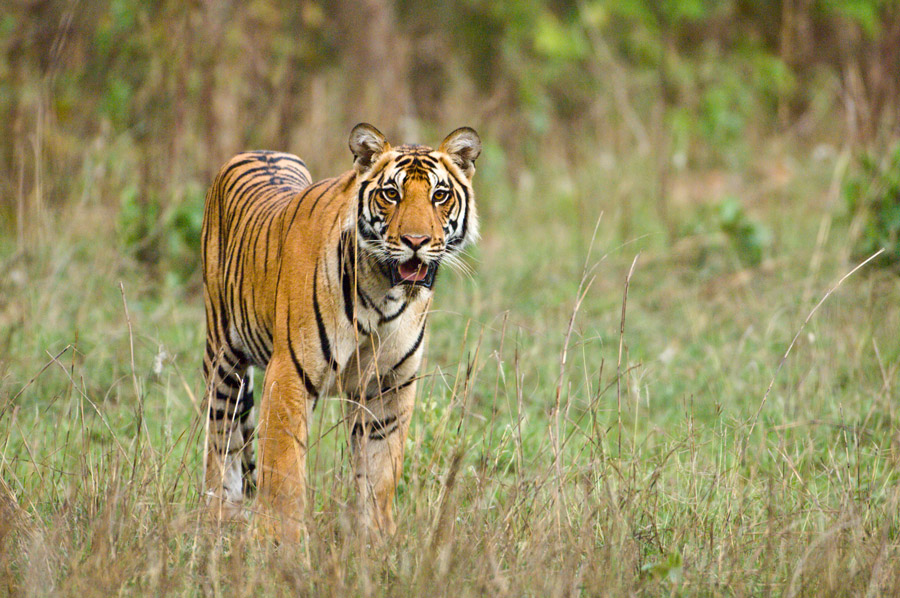
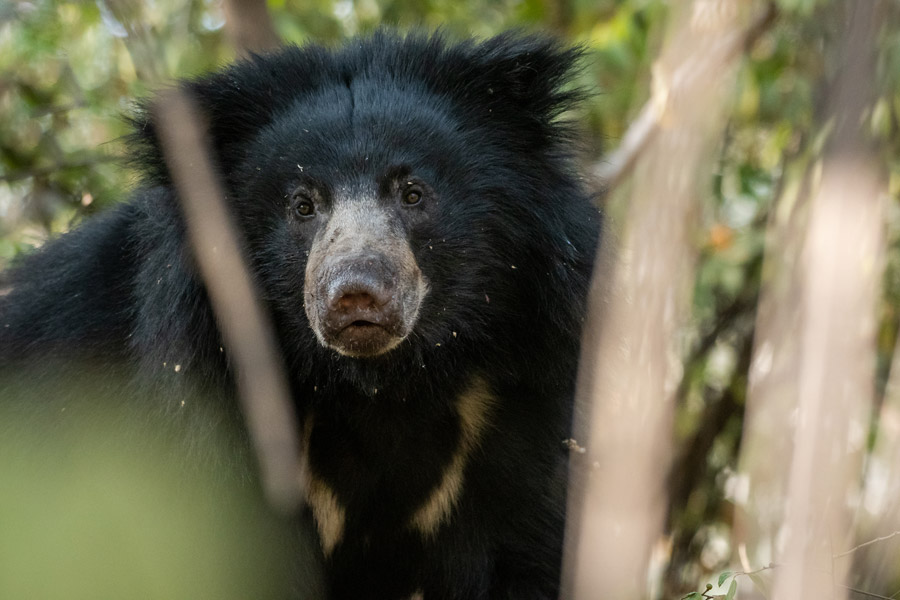
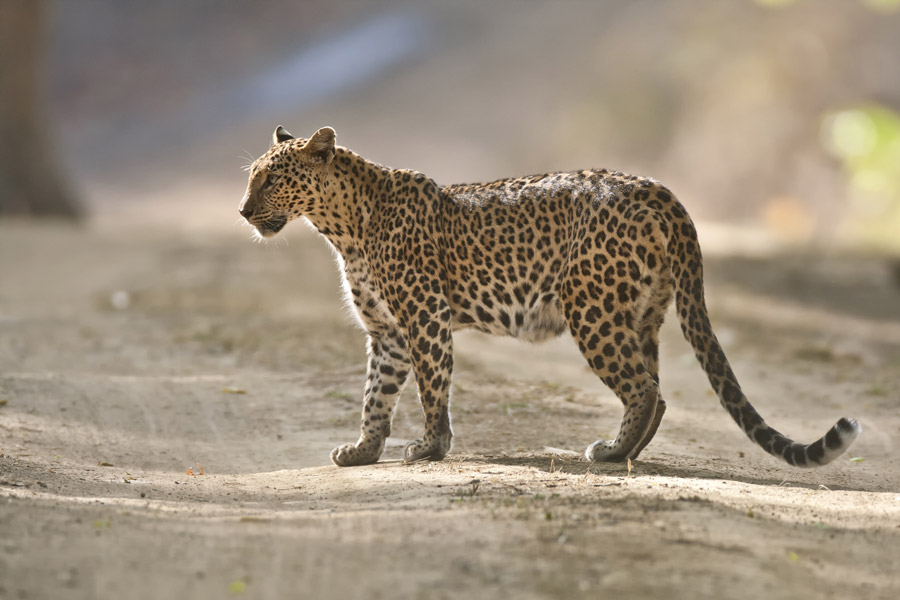
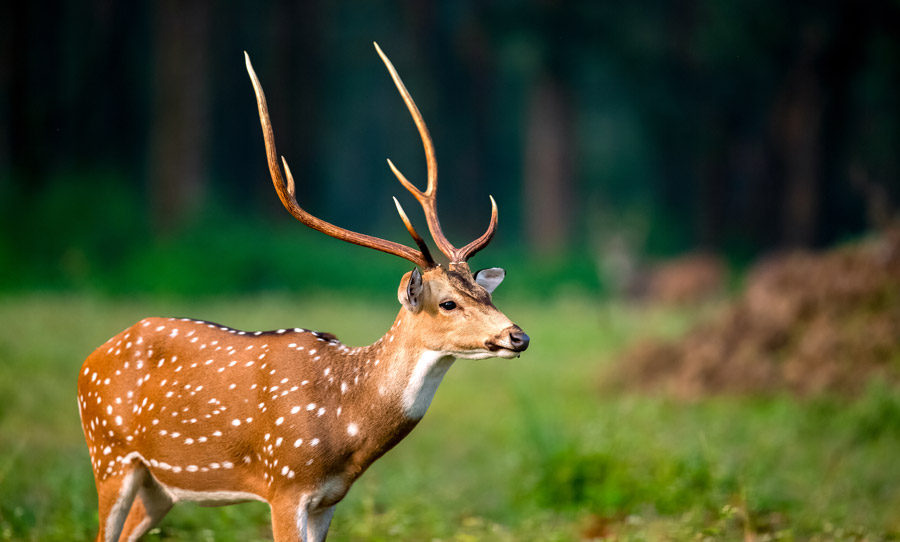
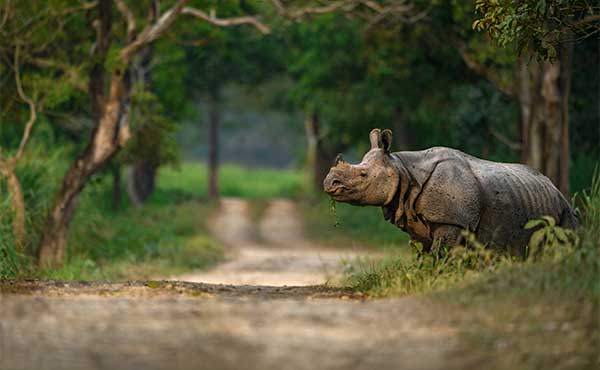
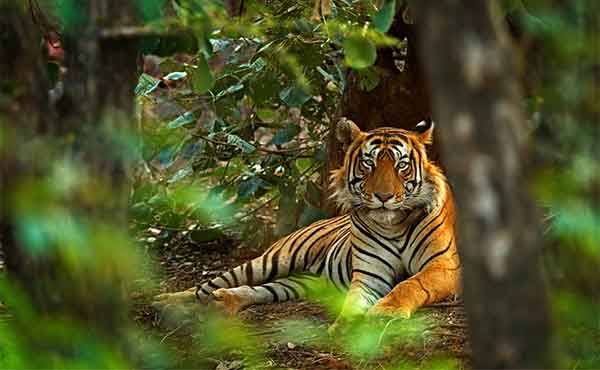
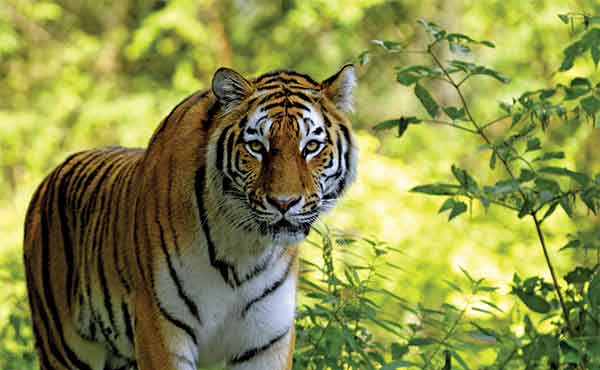
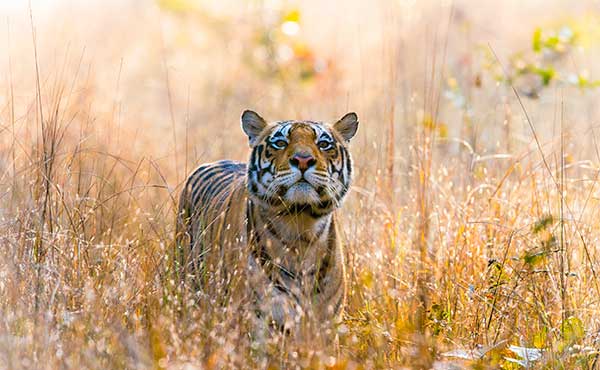
The forests of Kanha were the setting for Rudyard Kipling's 'The Jungle Book' and the reserve has long been famous for its wildlife. Of India’s various tiger reserves, there are few places where can you see these magnificent creatures as regularly as in Kanha. The grasslands and deciduous forests supports over 25 species of mammals, such as spotted, sambar and barking deer, rhesus macaque, wild boar, golden jackal, three of India’s four lowland antelopes – nilgai, four-horned antelope (chowsingha) and blackbuck – and occasionally leopard, gaur (Indian bison), sloth bear, Indian wolf and dhole (Indian wild dog). One of the book’s iconic characters, Kaa, is based on the Indian rock python which can reach lengths of up to six metres and a host of other reptiles can be found here, including the Indian cobra, Russell’s viper, fan throated lizard and Indian krait. The most striking natural feature is the grassy meadows, where you can see many of the various species of deer and antelope. It would come as no great surprise to see Mowgli himself padding barefoot along a dusty trail!
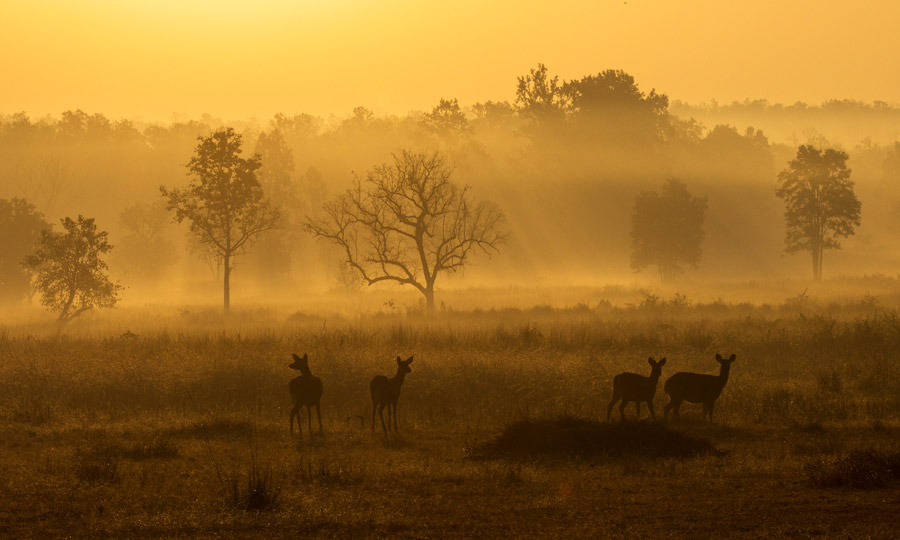
The definitive species, however, is the barasingha, or swamp deer. Kanha has the last population of hard-ground barasinghas, whose numbers exceed 350, which inhabit large tracts of grassland amidst forests of teak and bamboo. They faced extinction over 20 years ago, but a series of conservation initiatives has helped save them, and the air now fills with their rutting calls. During the cool winter, the meadows teem with barasinghas, and any tiger activity causes their husky alarm calls to ring through the jungle.
Birds of Kanha National Park
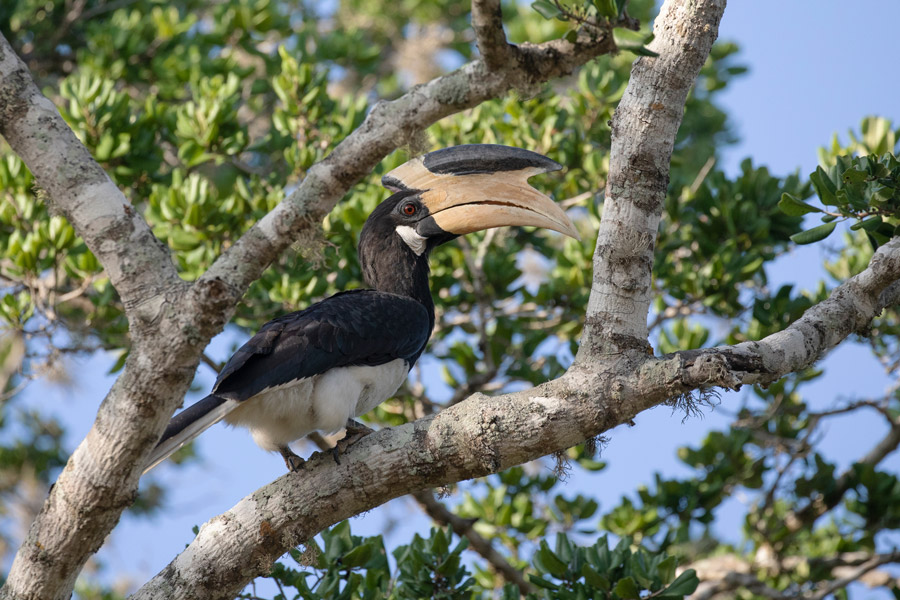
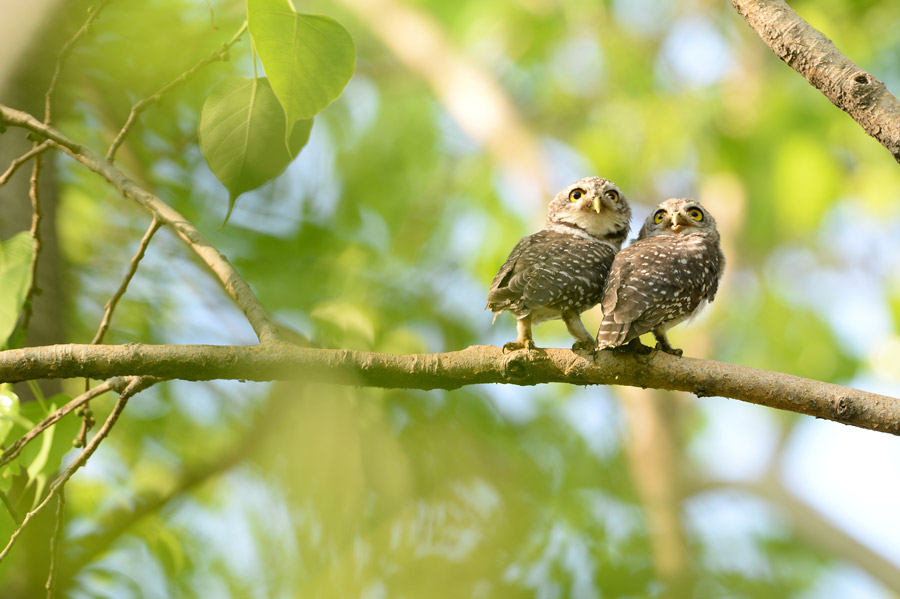
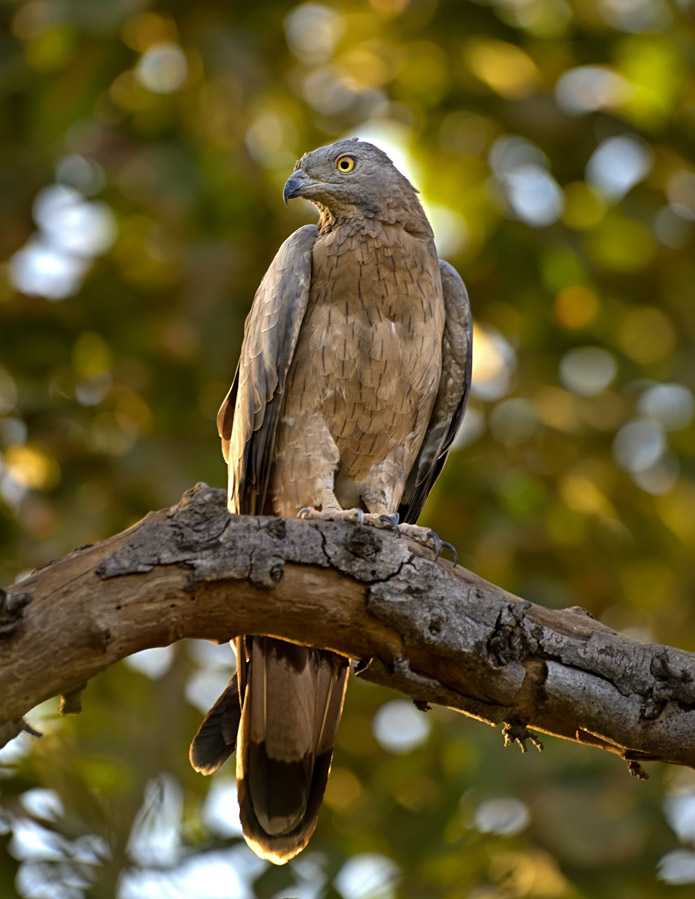
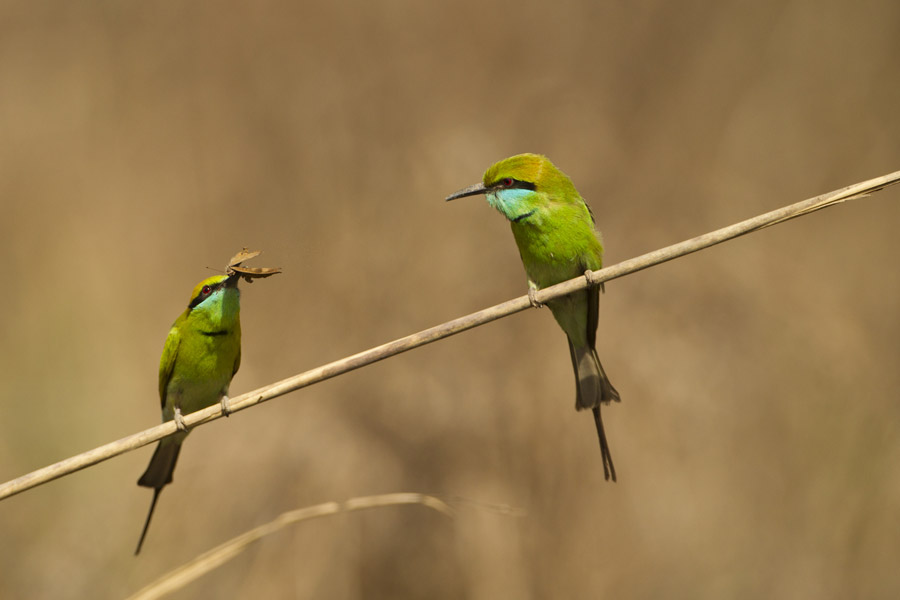
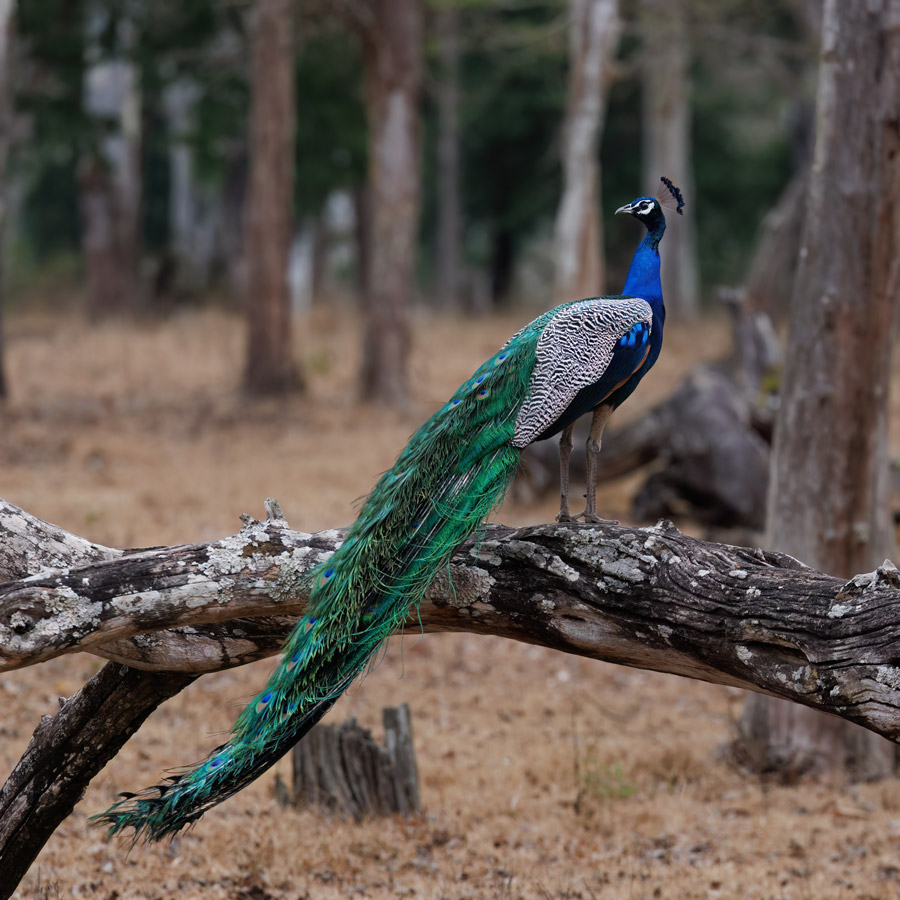
More than 220 bird species have been recorded here, delighting bird watchers including Indian roller, racket-tailed drongos, crested serpent eagles, painted partridge, shaheen falcon, golden oriole and the omnipresent red jungle fowl. Waterholes and high plateaux are excellent spots for bird watching, in addition to being quiet places to immerse one’s self in the peace of the jungle. You can also find Malabar pied hornbill, purple and pond herons, little green bee-eater, rose ringed parakeet, black rumped flameback woodpecker, spotted owlet and brown fish owls.
Wildlife watching in Kanha National Park
All wildlife viewing is by jeep, and at the park gate a local guide is allocated to accompany every game drive. Jeeps are free to follow their own route along tracks through the park, using pugmarks and alarm calls to help spot predators.
How to get to Kanha
The park is open from mid-October to June and closes during the monsoon period. The park museum is closed on Wednesday. The easiest way to reach Kanha is to fly to either Jabalpur or Nagpur, followed by a road transfer (175 kilometres or 265 kilometres respectively). Transfer times are dependent on road conditions, which vary considerably. Overnight trains run from Agra/Delhi to Jabalpur and take 15–16 hours.
View suggested itineraries