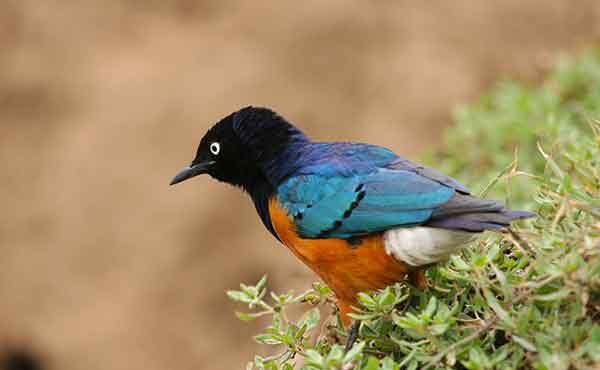
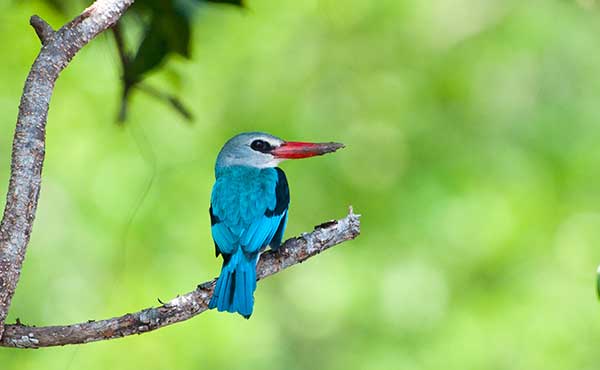
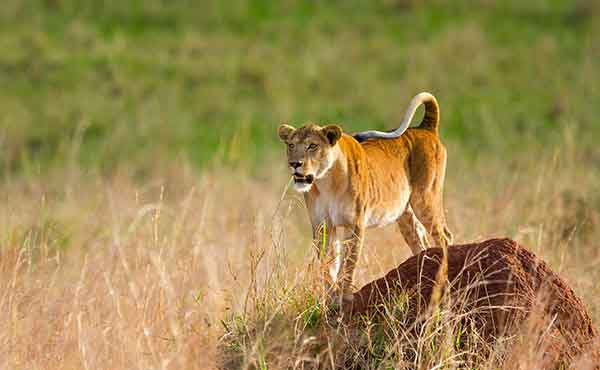
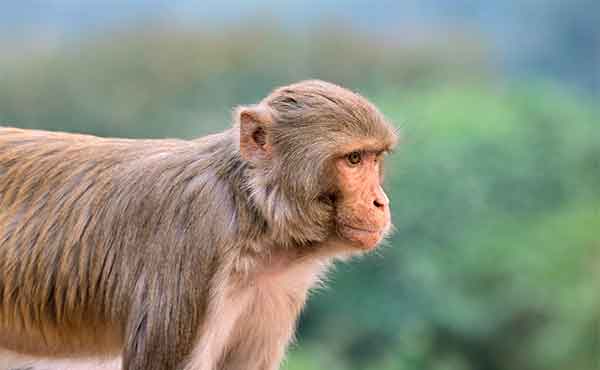
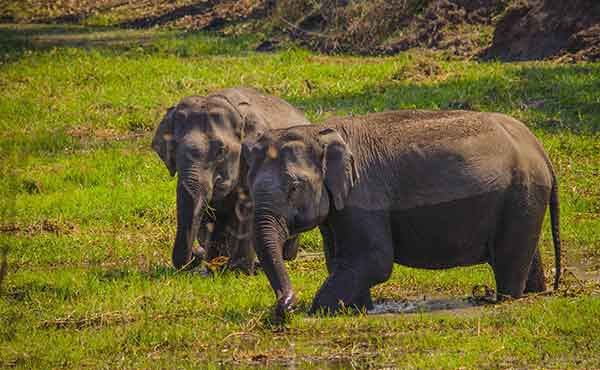
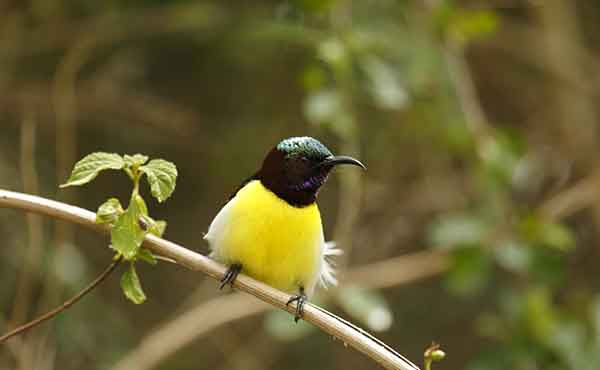
Samburu is a remote, arid wilderness of scrub desert and scorched savannah coloured with sandy creams, muted greens and earthen ochre; perfect camouflage for its wildlife and bird species rarely found elsewhere. Large herds of elephant are attracted by the Ewaso Ng'iro River, which bisects the reserve.
Find Out More
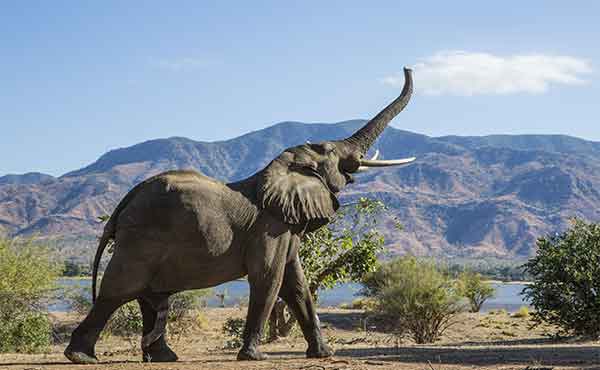
This UNESCO World Heritage Site beside the Zambezi has fine views towards Zambia’s Lower Zambezi and the Rift Valley escarpment. Its woodland and open plains contain a huge variety of wildlife, including large herds of elephant. It is famed for walking and canoe safaris, and offers a secluded experience.
Find Out More
Nyika National Park is Malawi’s largest national park. Shared with neighbouring Zambia, it is a vast highland plateau of varied habitats, consisting of open grasslands, upland forests and miombo woodland, sustaining copious wildlife including over 400 recorded species of birds.
Find Out More
The Hudson Bay Lowlands are a wetland, and serve as part of the migration route for polar bears heading south. An area of transition between boreal forest and tundra, Hudson Bay is host to a large diversity of wildlife, the greatest occurring in the spring, with the arrival of migrating birds and newborn animals.
Find Out More
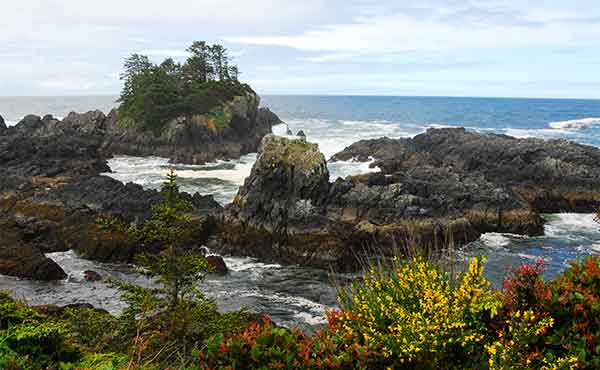
Facing the Pacific Ocean, backed by Vancouver Island’s mountainous spine, this park preserves the natural heritage of Canada’s west coast, whose cool maritime climate generates an abundance of life on land and in the water. Interwoven with these natural wonders is the history of the Nuu-chah-nulth First Nations.
Find Out More
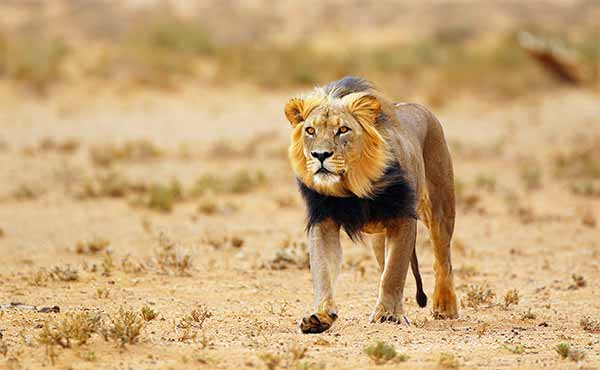
Nothing quite prepares you for the size of this reserve, nor its wild and mysterious beauty. Covering 9% of Botswana, Central Kalahari Game Reserve was established as a sanctuary for the nomadic San Bushmen and is now home to large herds of plains wildlife and accompanying predators.
Find Out More
Somkhanda is one of the largest and most successful land restitution based community projects in KwaZulu Natal. The reserve forms part of an important conservation corridor for the endangered black rhino and wild dog, and it is also home to an extraordinarily high density of leopard.
Find Out More
A stone’s throw from the spice island of Zanzibar, Saadani National Park shares its eastern border with the Indian Ocean and its southern border with the Wami river, allowing wildlife viewing in bush, river and coastal settings. Saadani is the only park in Tanzania, where you can enjoy a safari on the beach.
Find Out More
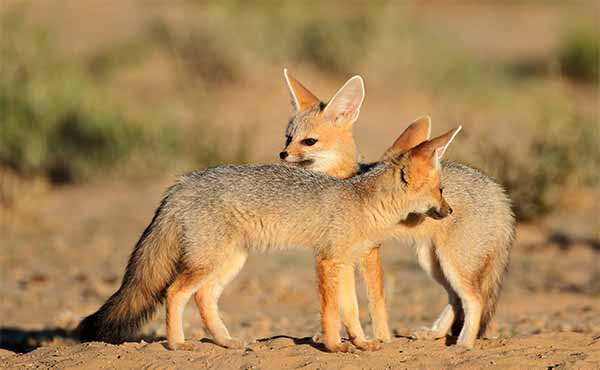
Located towards the northeast of the Kalahari, Deception Valley is composed of vegetated duneveld, acacia outcrops, and remote valleys and pans that emerged over 15,000 years ago as the river began to fossilise. These habitats entice a diverse population of herbivores and predators, including Cape fox, lion and cheetah.
Find Out More
Situated toward the north of the Central Kalahari Game Reserve, the Passarge Valley is a fossilised river, whose dry rocky bed now punctuates the landscape and intersects the iconic Kalahari Desert. Its geology provides optimal grazing for large herds of Kalahari game who attract a variety of predators.
Find Out More
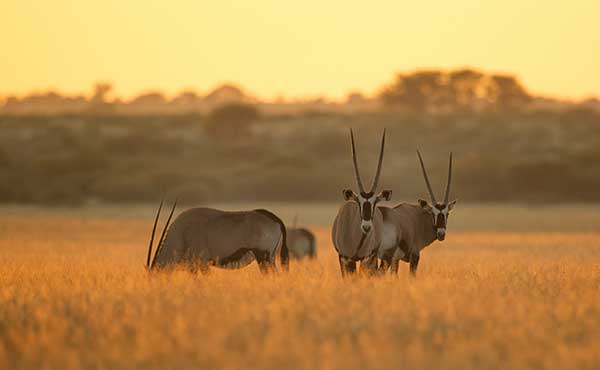
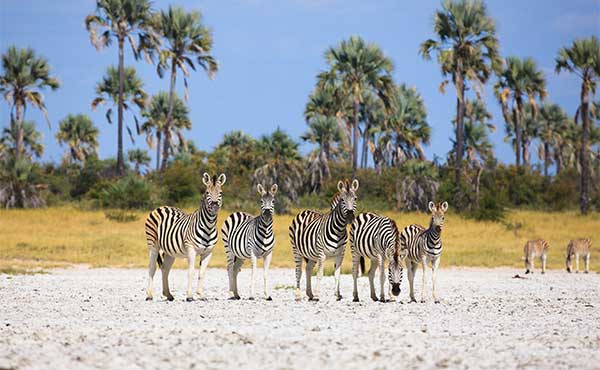
Located north-east of the Makgadikgadi Pans, Nxai Pan National Park covers the land surrounding a large salt pan that was once part of a great lake. Nowadays, during the green season between October and March, the area attracts large herds of springbok, gemsbok and zebra, alongside lions hunting for prey.
Find Out More
Located in Uganda’s northeast corner on the border with South Sudan, Kidepo Valley is one of the most isolated national parks in Africa, yet it is home to a unique and special array of wildlife, including cheetah. This region of idyllic savannah is crisscrossed by large riverbeds and rocky hilltops.
Find Out More
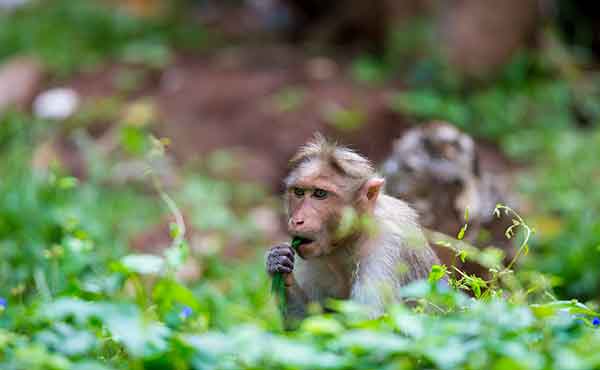
Part of the Pachmarhi Biosphere Reserve, this park is home to rhesus macaque, Indian giant, and flying squirrel which are all endemic to this region, as well as tiger, blackbuck and four-horned antelope. The area is also a real paradise for bird enthusiasts, with numerous raptors residing here.
Find Out More
Bandipur National Park is located about 80 kilometres from Mysore and, like many of the other reserves in India, was once a Maharaja’s private hunting area. It is a reasonably large park and protects a number of India’s more interesting species, such as Asian elephant, sloth bear and striped hyena.
Find Out More
From the colourful white-bellied blue flycatcher to the Malabar parakeet, Kumarakom Bird Sanctuary is a paradise for bird lovers. Located on the banks of Vembanad Lake along the Kavanar River, it is spread over five hectares and provides a temporary home to many migrant birds.
Find Out More
Mudumalai forms part of the Nilgiri Biosphere Reserve, an important conservation area for the wildlife of southern India. Its mixed environment with hills, watercourse swamps and tropical forests makes it an ideal home for a great variety of wildlife, including Asian elephant, leopard, gaur, sloth bear and sambar.
Find Out More
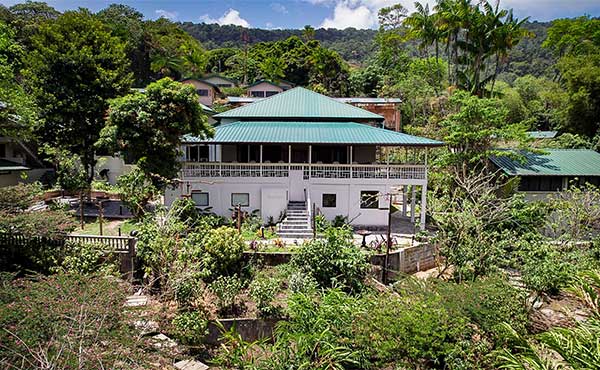
Located at approximately 400 metres altitude in the mountains of the Northern Range, north of the town of Arima, the Asa Wright Nature Centre was established in 1967. It is a world-class birding destination as well as a being a centre for conservation and research into tropical ecology.
Find Out More
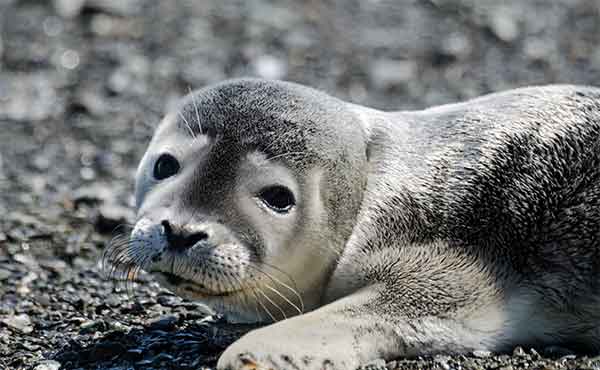
The Parc National du Bic hosts nesting seabirds, as well as owls and grey seals. Half of the park is a coastal marine environment; the terrain is typical of the south shore of the Saint Lawrence, alternating low-flow rivers, salt, rocky hills with a very steep northern slope and a relatively gentle southern.
Find Out More
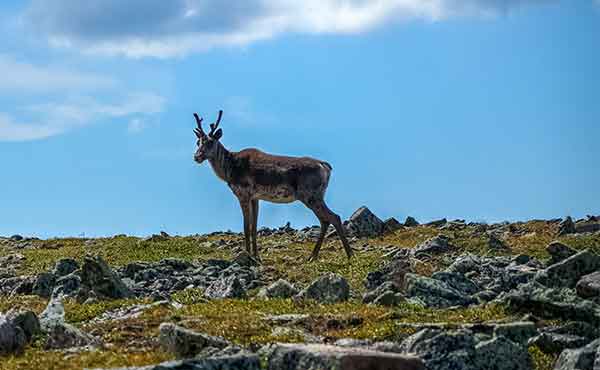
The Parc National de la Gaspésie is home to the highest peaks of the Appalachian Mountains in Québec, the only caribou herd south of the Saint Lawrence, a large moose population, arctic-alpine flora and spectacular scenery on every side! Over 150 species of bird are found in the park.
Find Out More
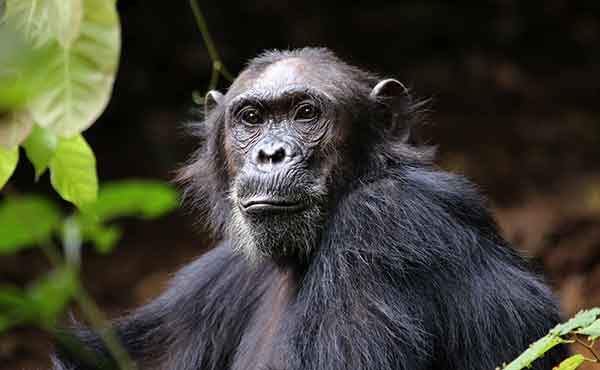
Although small, this park is nevertheless magnificent and was made world famous by British researcher Jane Goodall for her work on its primates. The main attraction is around 100 habituated chimpanzees, and there are also large numbers of olive baboons. In the absence of roads, all wildlife-viewing is done on foot.
Find Out More
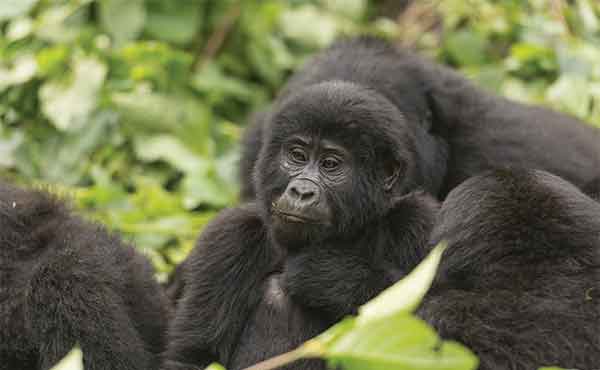
This is Uganda’s smallest and probably most scenic national park, forming part of the larger conservation area of Virunga. Mgahinga is dominated by three extinct volcanoes and primarily supports groups of mountain gorilla, although bird species and other wildlife are also present.
Find Out More
Formed as a not-for-profit organisation, the Mara North Conservancy represents the heart of one of the world's most important wildlife habitats. Its partnership between 11 camps and over 800 Masai landowners aims to create a world-class conservancy and exclusive safari experience in the Masai Mara ecosystem.
Find Out More
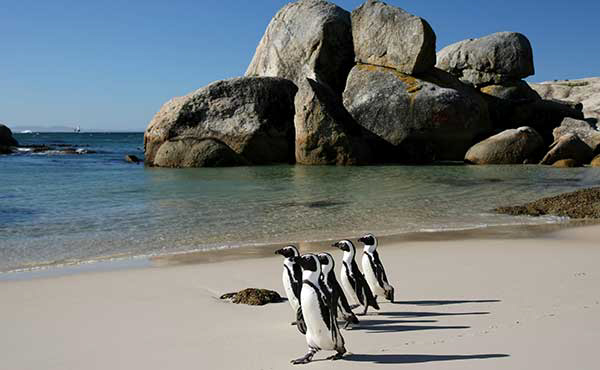
The vast Table Mountain National Park, a UNESCO Cape Floral Region World Heritage Site, stretches from north of Cape Town down the Cape Peninsula to Africa’s south-western extremity, the Cape of Good Hope. It is home to Silvermine Nature Reserve, Boulders beach penguin colony and Table Mountain.
Find Out More
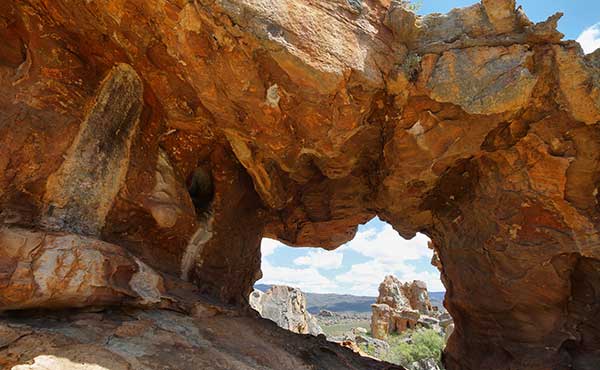
Covering 700 square kilometres, the Cederberg Wilderness Area is a haven for flowers, birds and other wildlife. The mountains and areas of San rock art are home to unique fynbos such as the endemic snow protea or rooibos, while mammal species include leopard, aardvark and the vulnerable Cape mountain zebra.
Find Out More