Off the beaten track and away from the crowds, Belize and Panama are the perfect destinations for this workshop where you can hone your photographic skills under the tutelage of Nick Garbutt and Alex Hyde.
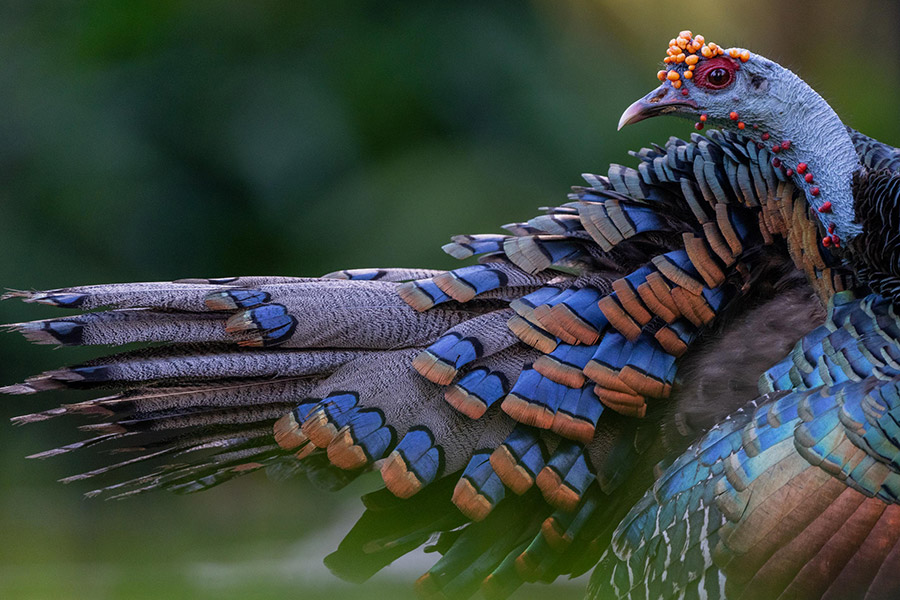
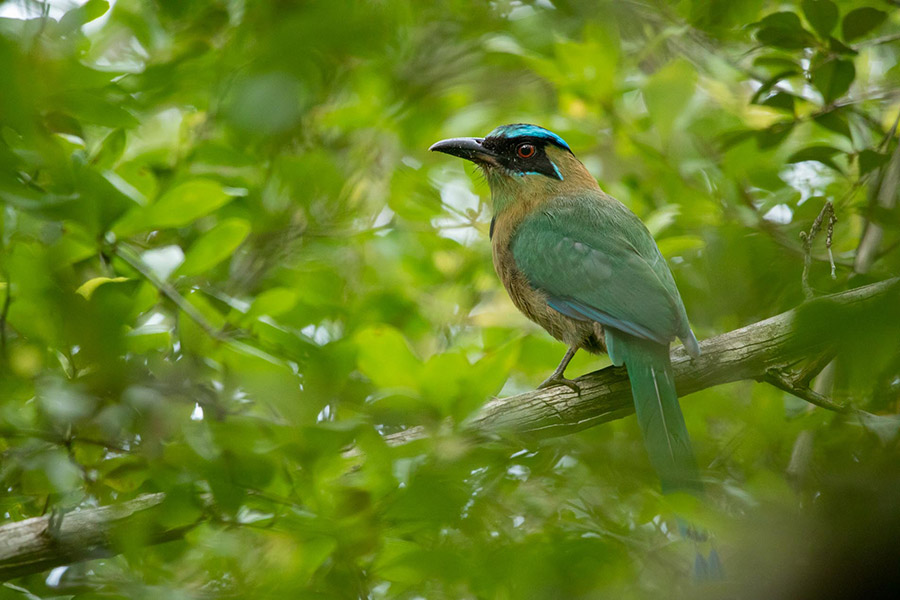
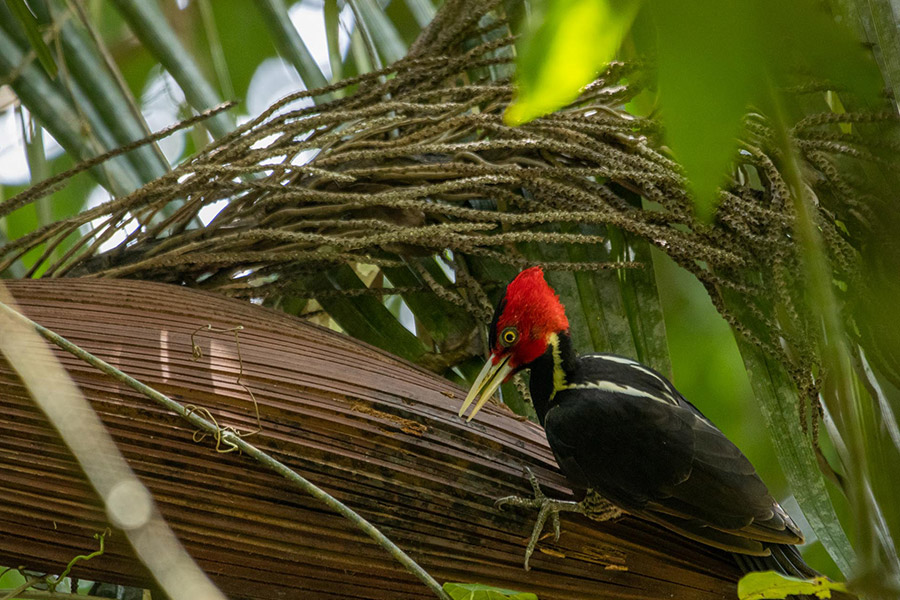
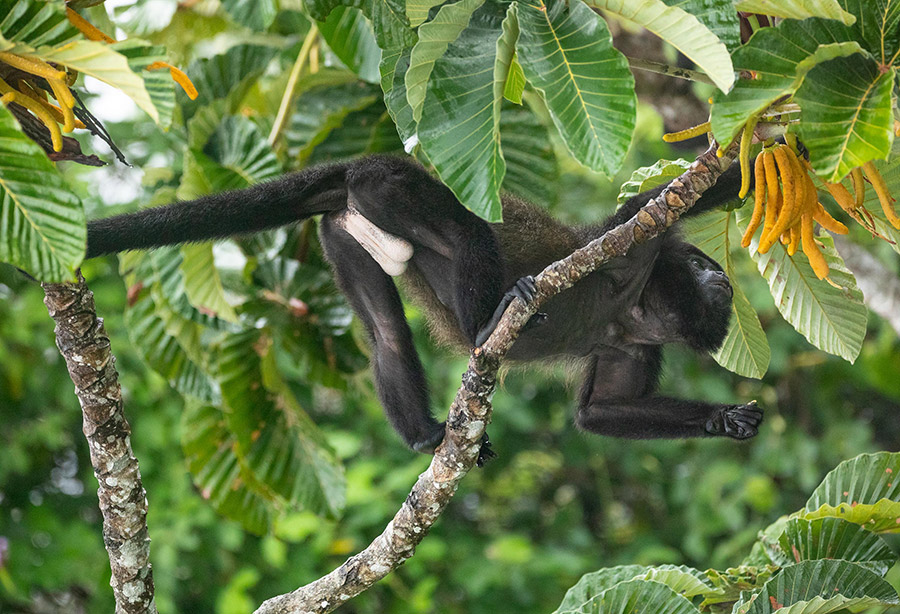
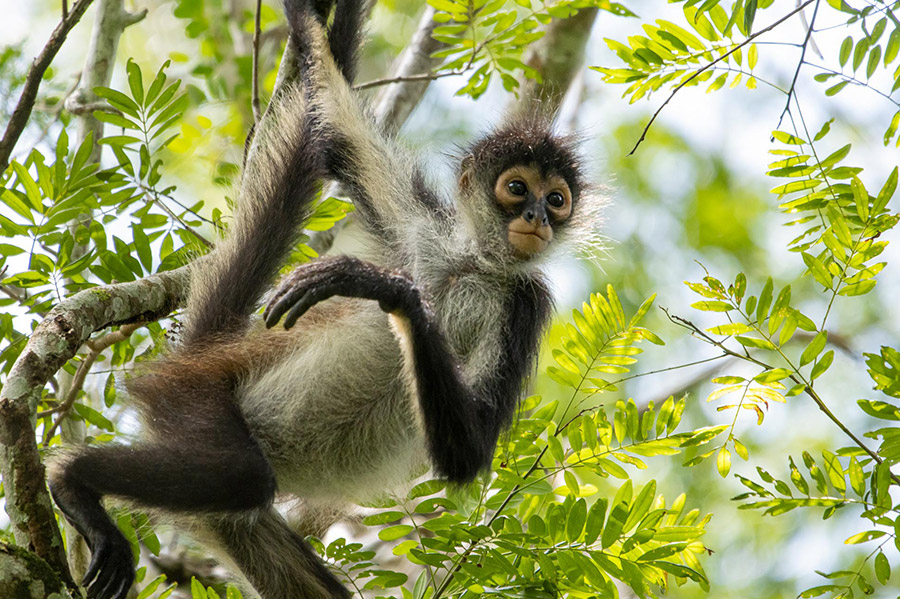
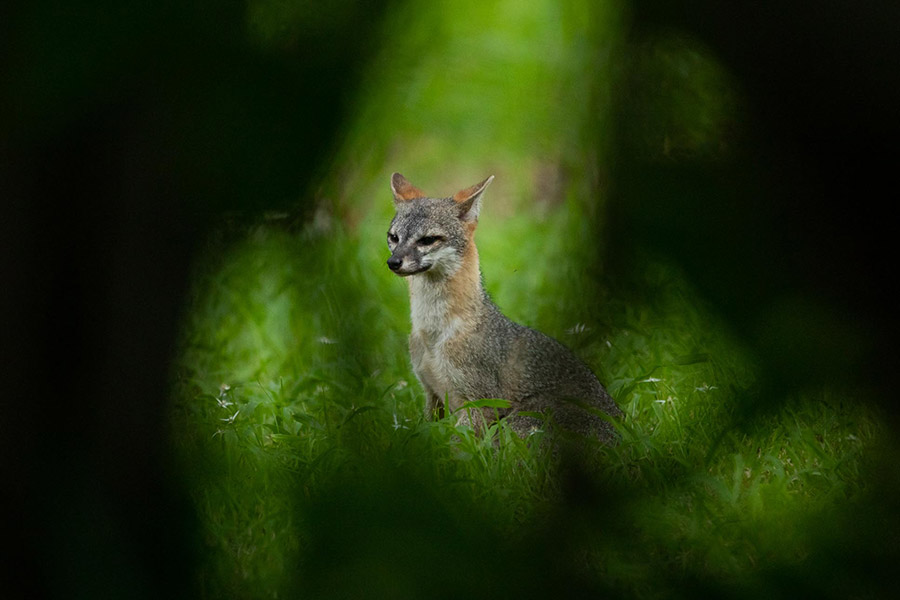
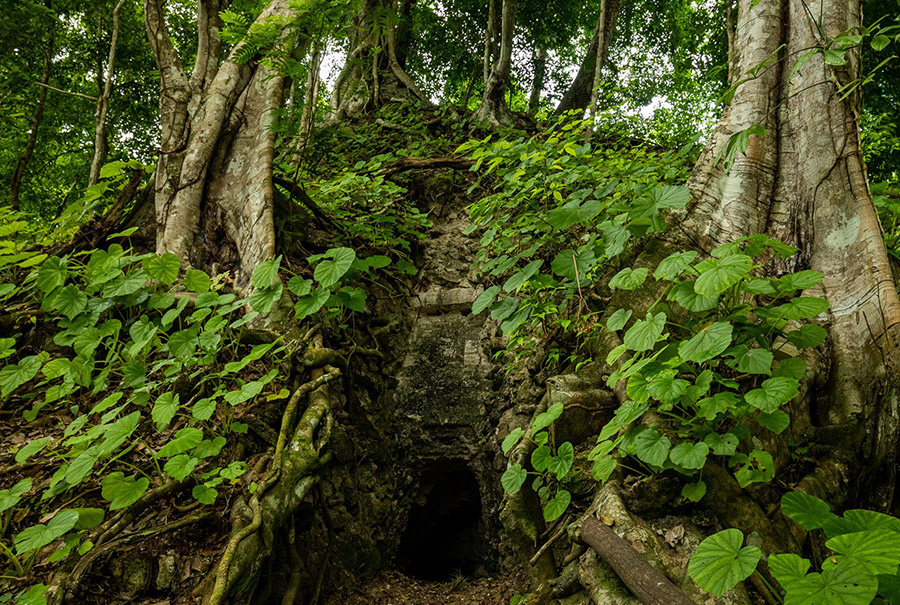
We begin in Belize, a country with a relatively low human population and huge remaining areas of tropical forests. Both mammal and bird diversity is impressively high and around our established wilderness lodge, where species become more tolerant, there is an excellent chance to encounter numerous species. Central American spider monkeys and Yucatán black howler are frequently viewed, while regularly seen birds include golden-hooded tanager, keel-billed toucan, oscillated turkey and perhaps even the elusive agami heron and ornate hawk-eagle.
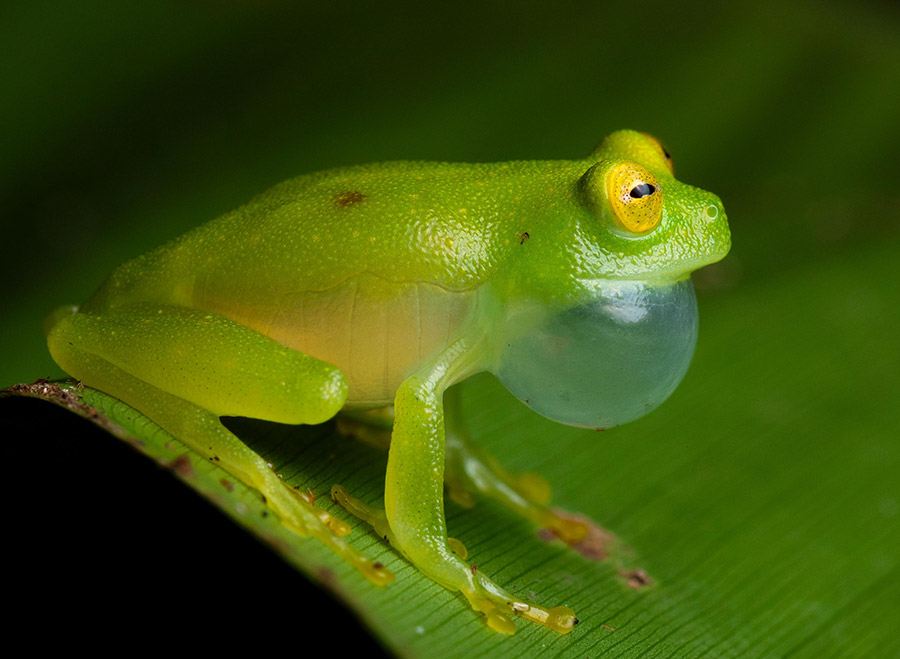
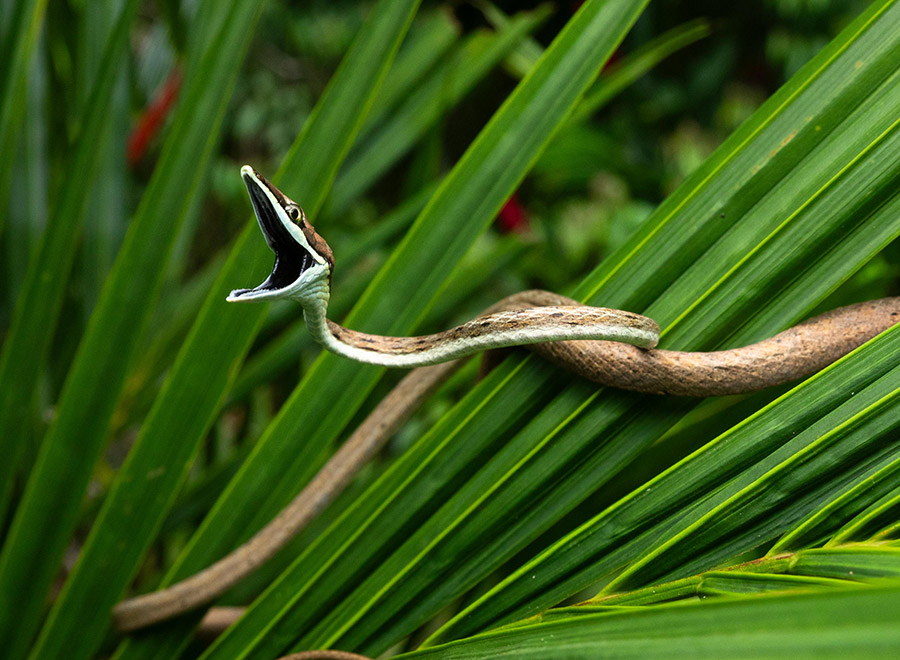
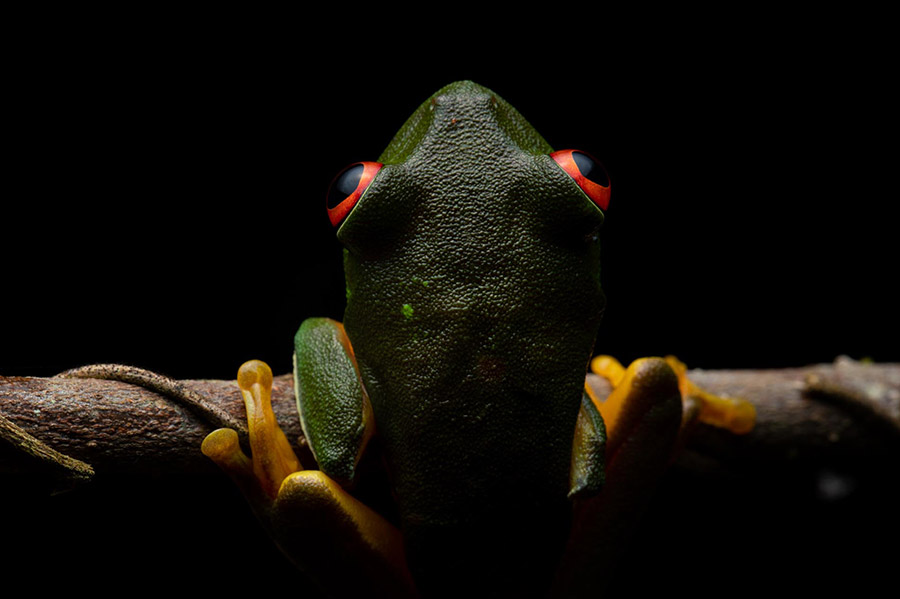
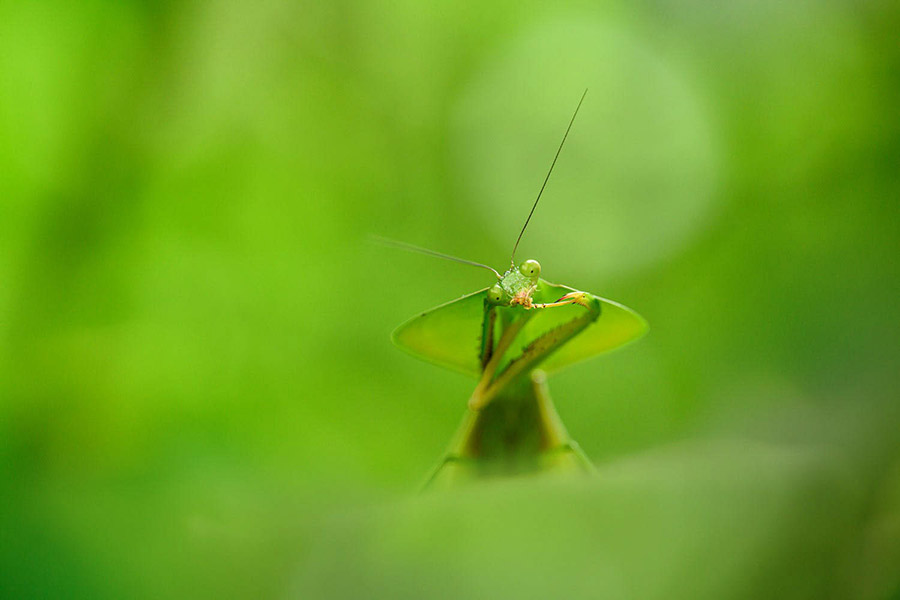
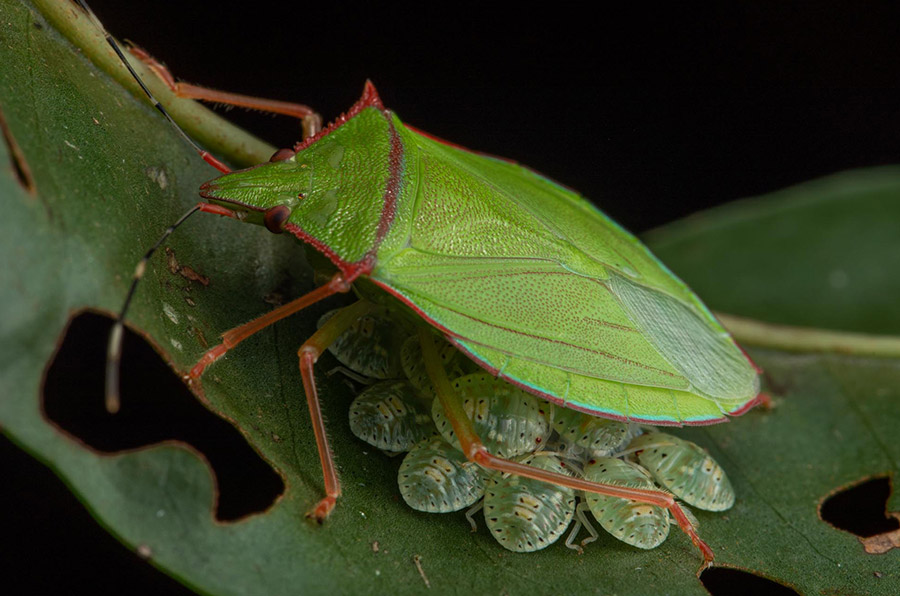
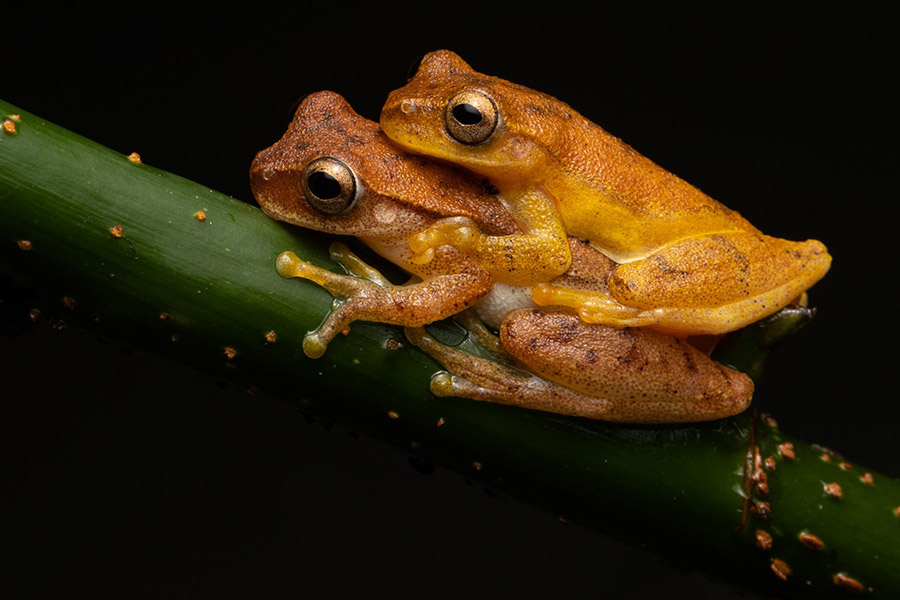
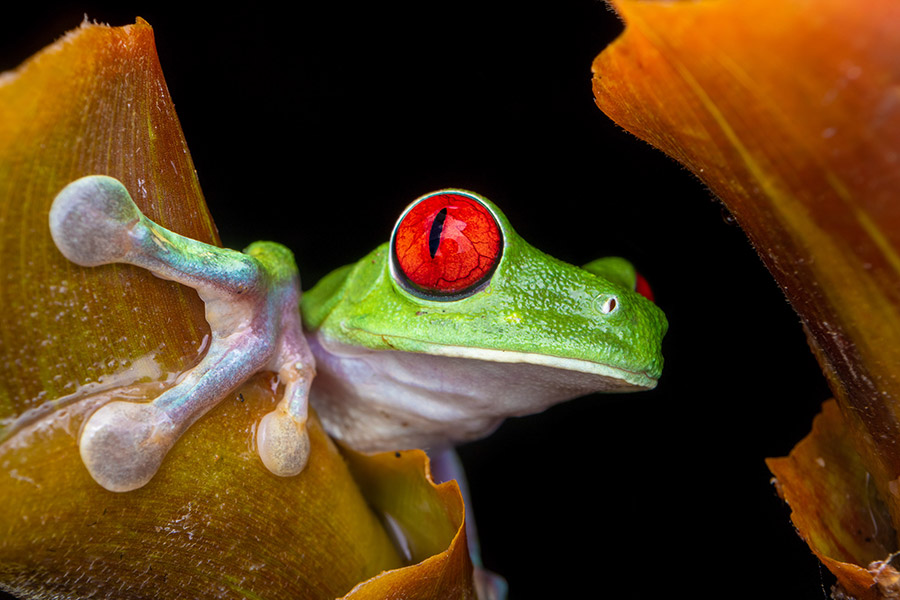
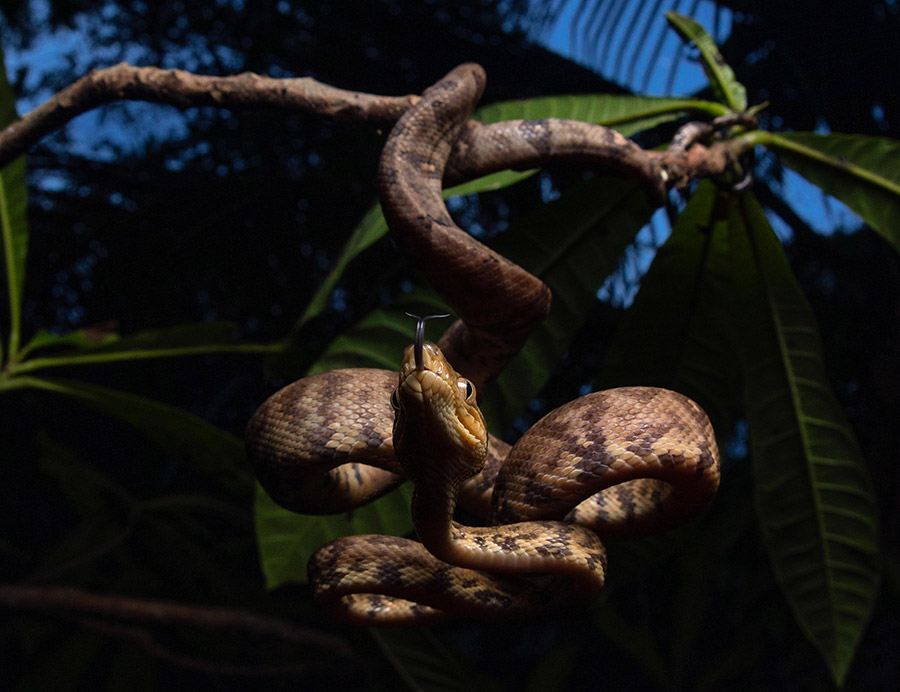
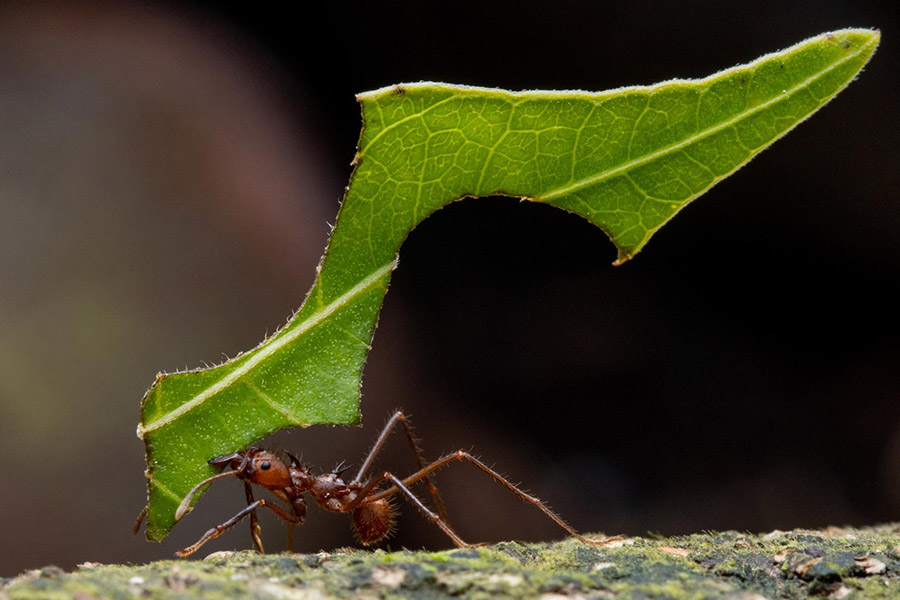
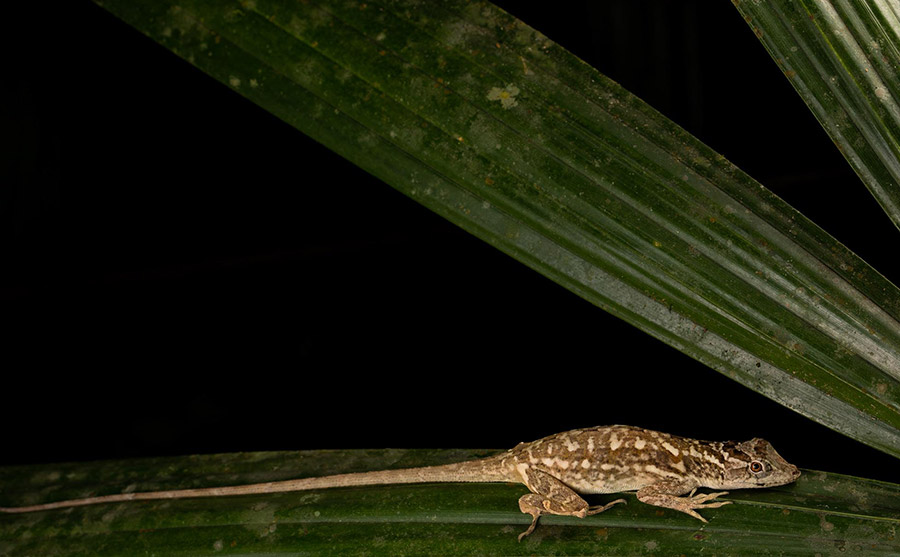
While these species may be photographed opportunistically, we will also devote time and effort to finding and photographing a wealth of smaller creatures, notably various frogs including the iconic red-eyed tree frog, reptiles, including snakes and a myriad of insects and other invertebrates.
Lying at the narrowest part of the Central American isthmus, Panama occupies a globally important position, as it constitutes a vital part of a biological corridor, connecting North and South America (Mesoamerican Biological Corridor), which facilitates a rich exchange of animal and plant species.
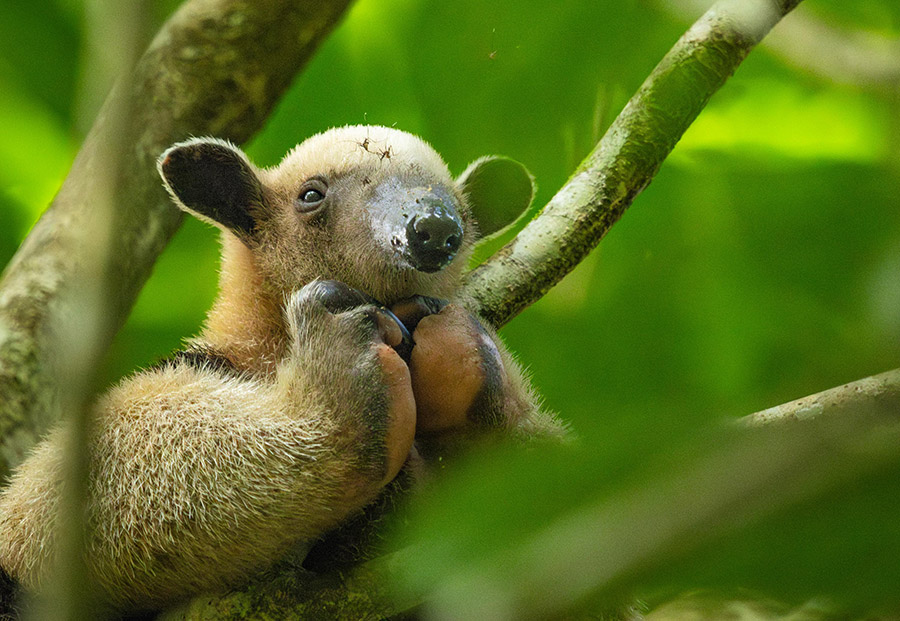
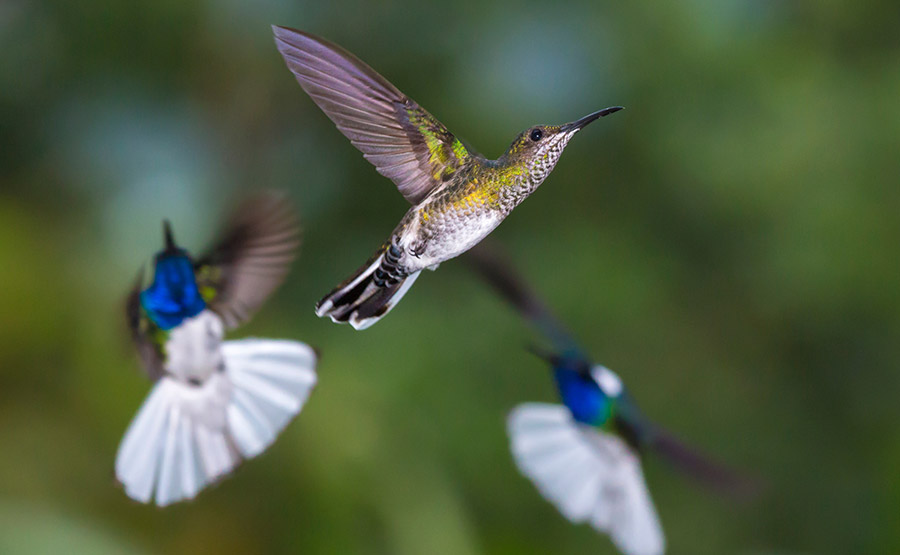
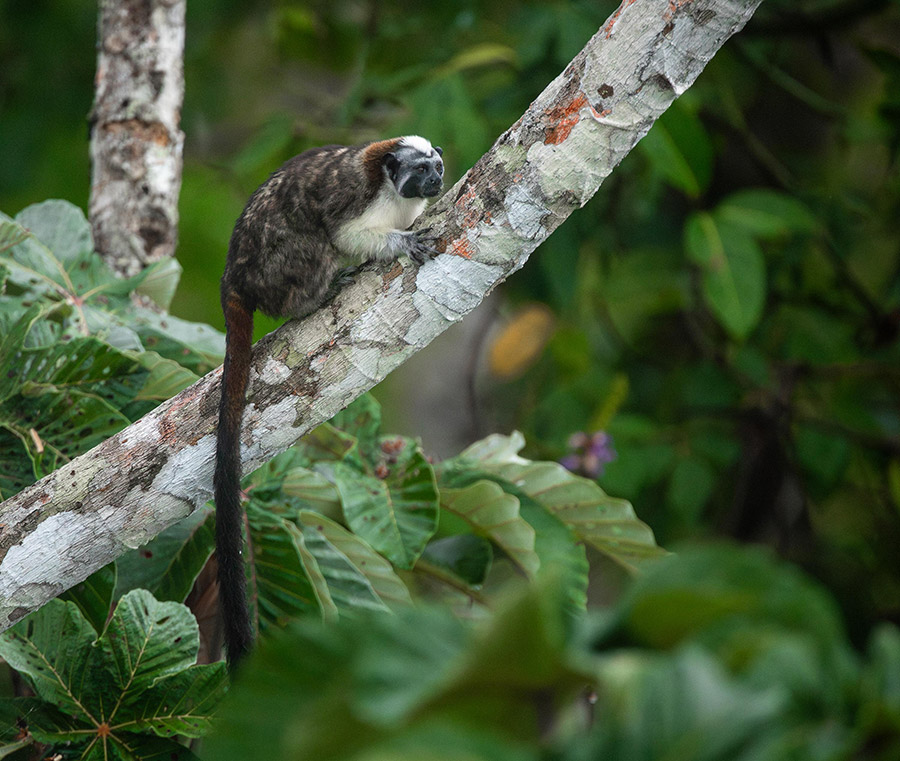
Our two primary locations provide great contrast. In the higher-elevation cloud forests of El Valle, we will explore a variety of trails and habitats and hope to encounter mammals like Geoffroy’s tamarin and Hoffmann’s two-toed sloth, as well as various tanagers, hummingbirds and toucans. Around the lodge and along the many trails, we also have a good chance to see a considerable diversity of frogs and reptiles that are sure to provide excellent photographic opportunities.
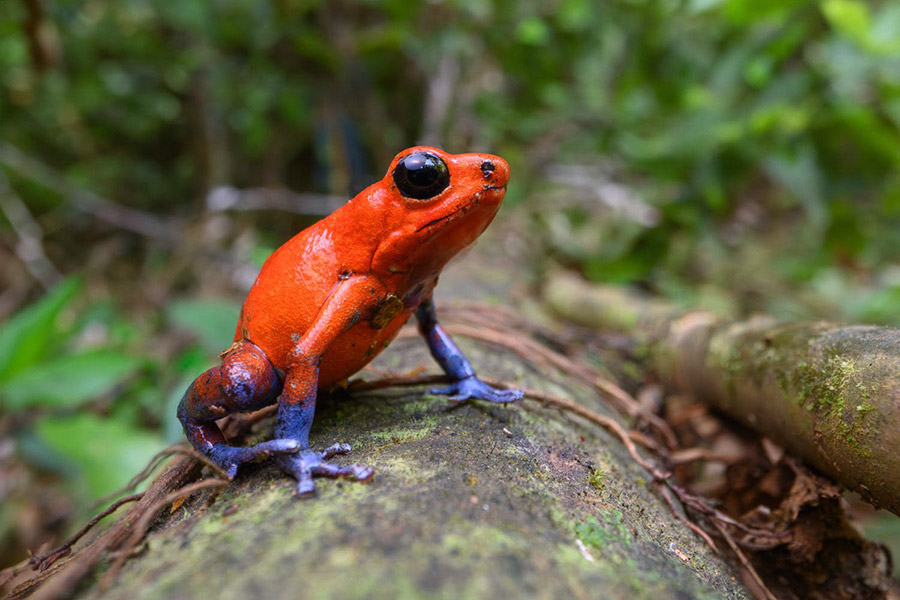
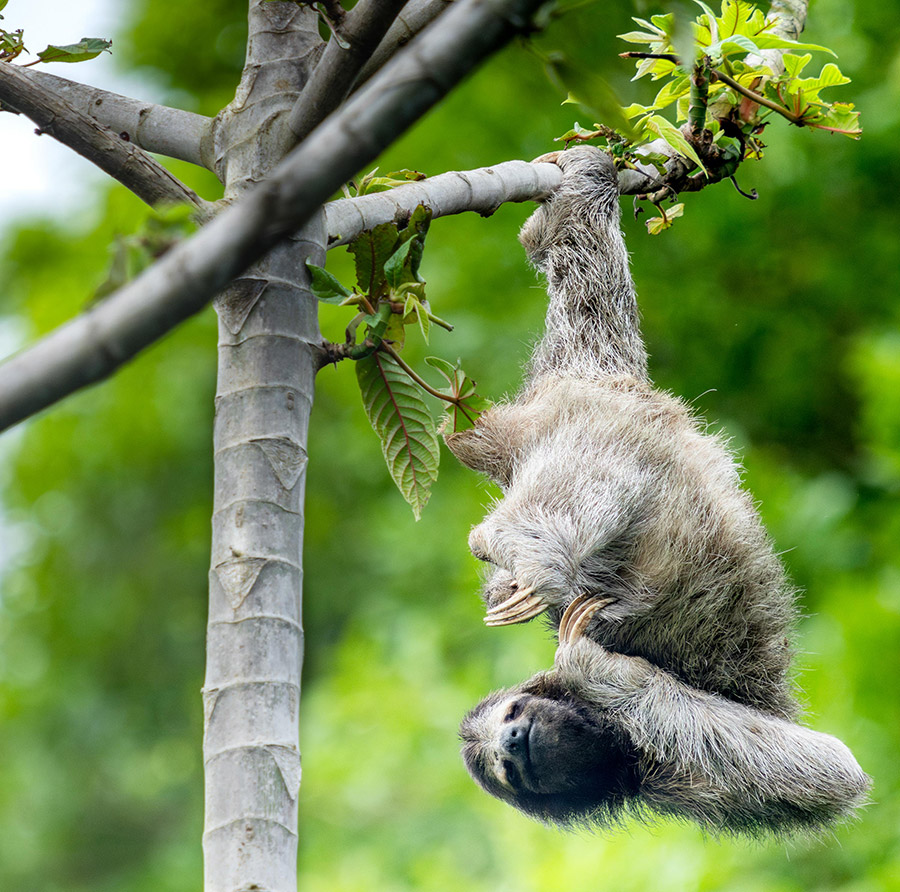
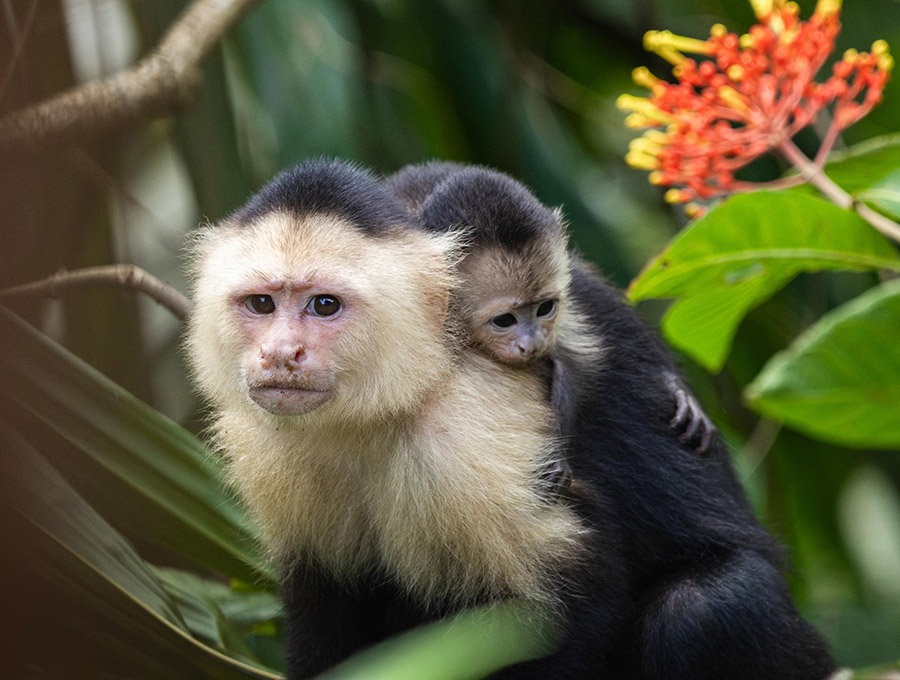
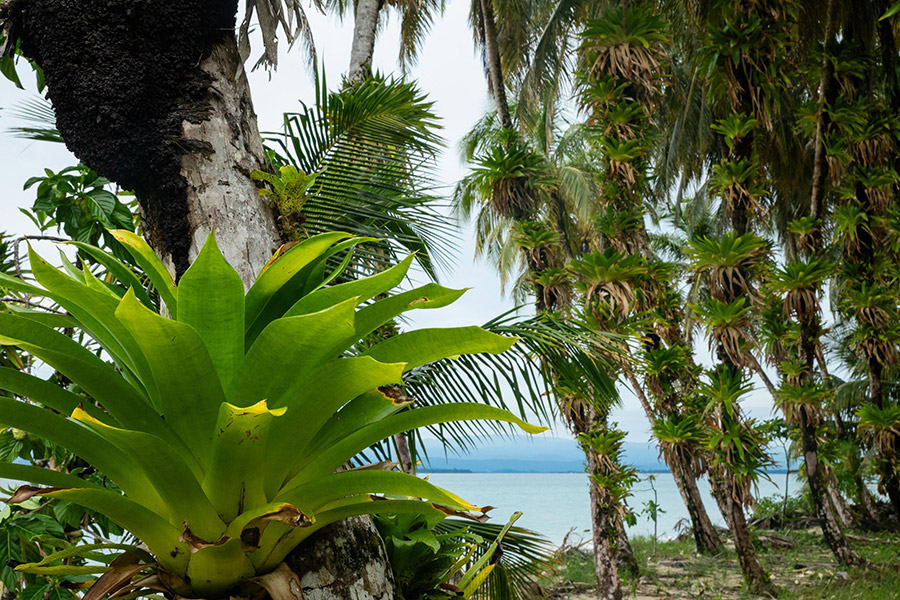
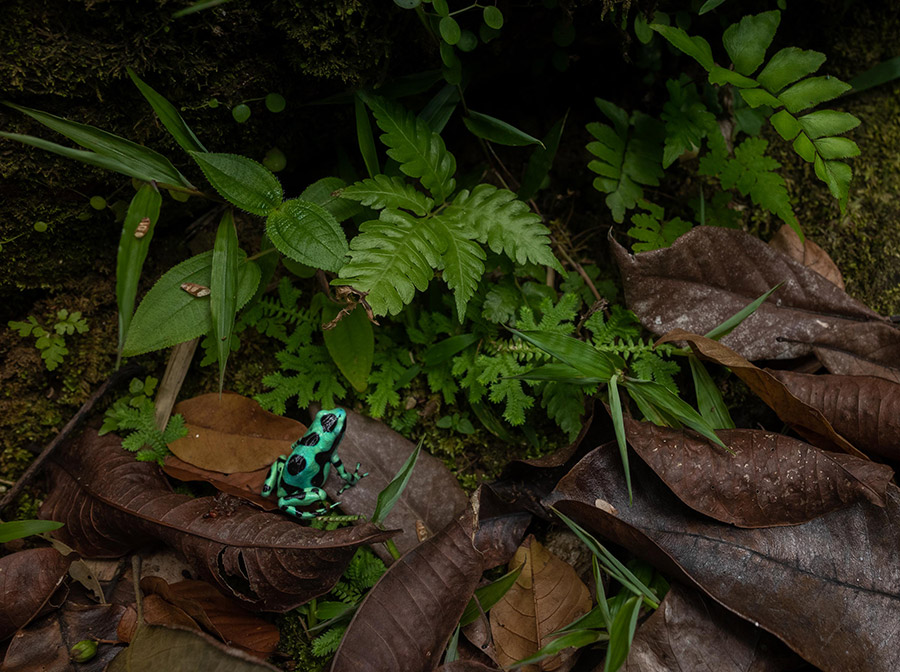
In contrast, Isla Bastimentos on the Caribbean coast offers fabulous opportunities for close encounters with capuchin monkeys, three-toed sloths and a variety of birds, reptiles and amphibians. There are several islands within the Boca de Toro archipelago, each of which support their own colour-variant of the strawberry poison-dart frog.
In combination, the varied locations we have chosen in Belize and Panama offer a wealth of wildlife and considerable photographic potential, making this tour an exciting addition to our established programme of rainforest workshop destinations.
Typical Itinerary
-
Day 1:
Fly to Miami
Today, we depart the UK and fly to Miami, where we overnight before continuing to Belize the following day.
Accommodation: Airport Hotel, 1-night
-
Day 2:
Fly to Belize & Maya Forest
This morning we fly to Belize City and on arrival, we are met and then transferred to the domestic terminal for a chartered light aircraft flight to the Gallung Jung district in Western Belize.
After touching down in Western Belize, we are transferred to our lodge in the heart of the Maya Forest. We spend the rest of the afternoon exploring the lodge grounds and enjoy a night walk in the evening.
Accommodation: Chan Chich Lodge, 4-nights
-
Days 3-5
:
Explore the Maya Forest
During the next three full days, we explore the Maya Forest. Each day we will offer a full programme of activities. Typical in rainforest locations, each day there will be a walk or excursion before breakfast – dawn is always one of the most exciting periods with a flurry of wildlife activity after first light and before temperatures begin to rise. The low raking warm light lends itself to particularly evocative forest photography, especially after rain, when shrouds of mists can hang over the canopy.
After breakfast, we may well wander one of the many trails looking for suitable subjects to photograph, or we may run an informal workshop detailing a particular photographic technique.
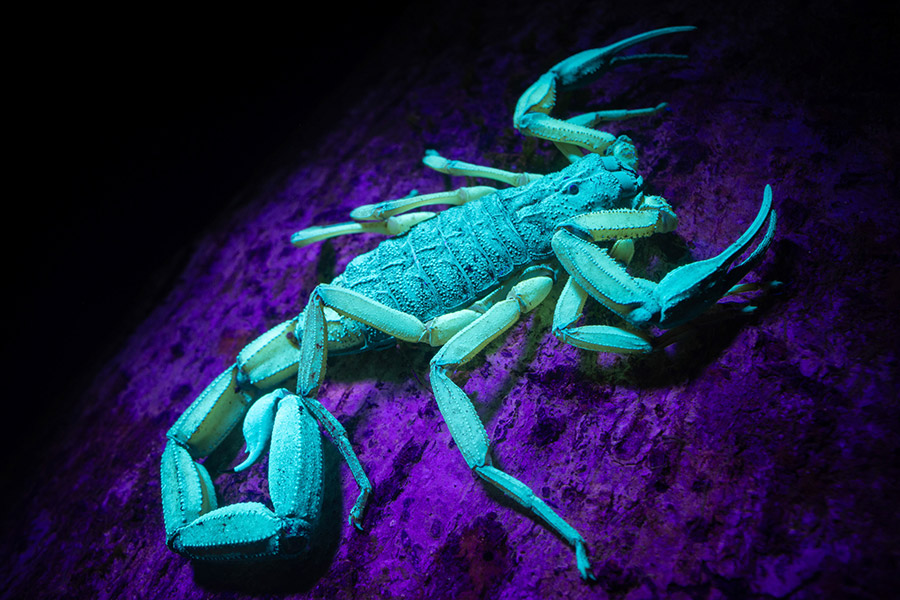
In the late afternoon and after dark, we will be out again, this time looking for reptiles and frogs in particular.
-
Day 6:
Return to Belize City & fly to Panama City
Today, we fly back to Belize City in time to catch our onward international flight to Panama City.
On arrival in Panama City, we are transferred to our nearby accommodation close to the Gamboa National Park. Depending on our time of arrival, there may be time in the evening to explore the grounds of our hotel in search of red-eyed tree frogs and other suitable subjects.
Accommodation: Gamboa Rainforest Resort, 1-night
-
Day 7:
Transfer to El Valle de Anton
After breakfast, we depart Panama City and transfer to El Valle de Anton. We arrive at our next accommodation in time for lunch, and we spend the rest of the afternoon exploring the grounds of the lodge. Again, there is an opportunity to do a night walk in the evening.
Accommodation: Canopy Lodge, 4-nights
-
Days 8-10
:
Photographic sessions around El Valle de Anton
During the next three days, we will explore the Valle de Anton area. We will visit different locations and trails such as Cerro Gaital, La Mesa road, Minas trail, Mata Ahogado trail, where we should find an assortment of subjects, including primates, birds, reptiles and invertebrates.
Also, we may also visit the Pacific dry forest and the Santa Clara beach, searching for different landscapes and shore birds. Each night will have a night walk from our lodge in search of numerous frogs, snakes and invertebrates.
-
Day 11:
Return to Panama City and travel to Bocas del Toro
After breakfast, we will be transferred to the domestic airport in Panama City for our short domestic flight to Bocas del Toro.
On arrival in Bocas del Toro, we will be met and transferred by boat to our lodge located on Isla Bastimentos. After settling into our new accommodation, we will explore the grounds of the lodge in search of sloths, poison dart frogs, capuchin monkeys and many other macro opportunities.
Accommodation: Tranquilo Bay Eco Adventure Lodge, 4-nights
-
Days 12-14
:
Explore Bocas del Toro
Over the course of the next three, we will explore different islands in the Bocas del Toro archipelago and the Bastimentos Marine Park, which covers more than 13,000 hectares of marine habitats. This marine park was primarily established to protect the abundant coral reefs in the area, but also protects a swathe of the island’s interior as well.
The diurnal strawberry or blue-jeans poison dart frog is exceptionally abundant in primary forests throughout the archipelago and is one of the key species that we will hope to observe in during our time here. On each island, a unique colour morph has evolved, with many no longer resembling the original primarily red colouration. We could photograph up to five different colourations of this frog. As at other locations, there will be night walks every night in the lodge grounds and surrounding forests, where other frogs and invertebrates are likely to feature.
-
Day 15:
Return to Panama City
This morning, we depart Bocas del Toro by returning to the archipelago's airport and to catch a domestic flight back to the capital city.
Once back in Panama City, we transfer to our accommodation, where we spend the next two nights.
Accommodation: Gamboa Rainforest Resort, 2-nights
-
Day 16:
Photography Sessions from Gamboa Rainforest Resort
Today, we spend time exploring the verdant grounds of the Gamboa Rainforest Resort in search of photographic opportunities and observing any wildlife that we come across. We should be able to enjoy macro opportunities with a variety of insect, reptile, and amphibian subjects, as well as possible encounters with primates and birds higher in the canopy.
-
Day 17:
Departure
This morning, we return to the airport to check in for our overnight return flights to the UK.
-
Day 18:
Arrive UK
Please note: This itinerary may change due to weather conditions, wildlife sightings or flight schedules.