Coinciding with the wildebeest migration, this superb safari to northern Tanzania focuses on East Africa’s colourful birdlife and the abundance of mammals roaming its rolling plains.
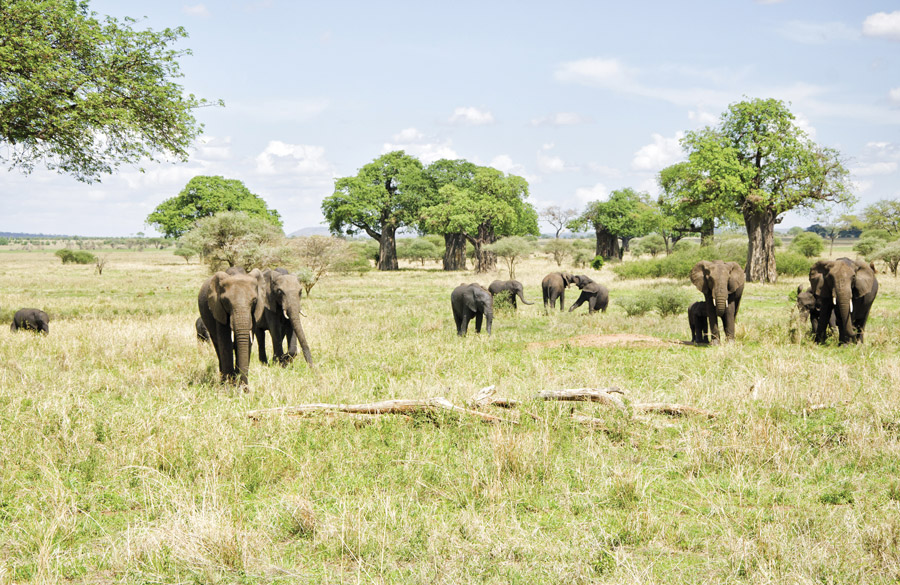
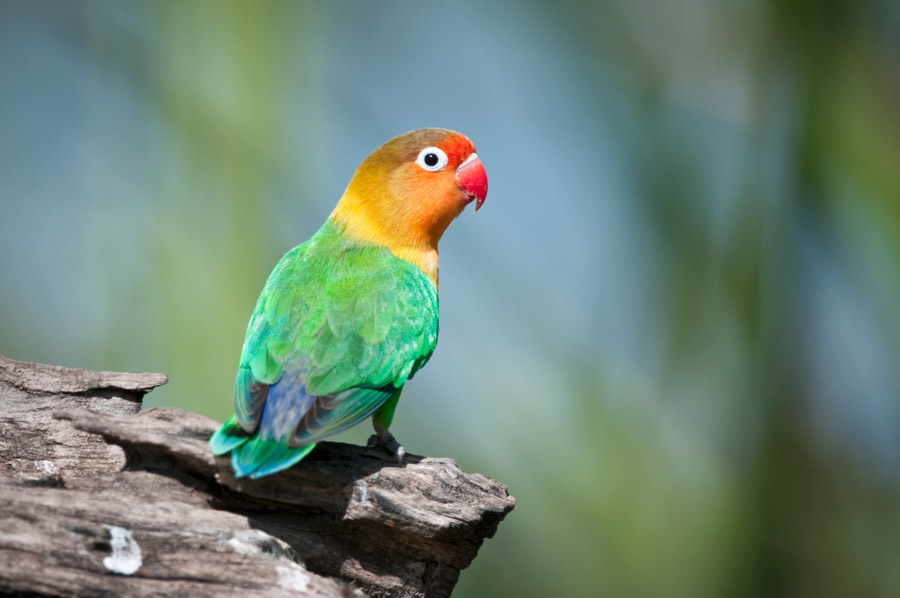
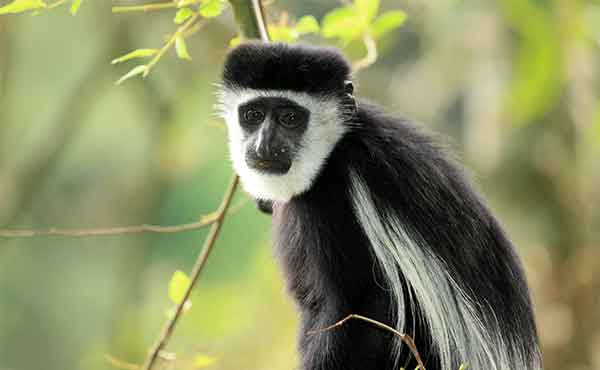
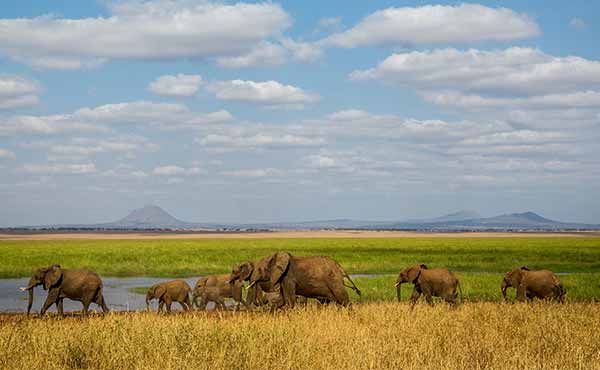
In Arusha National Park, we look for mantled colobus, Cape buffalo and giraffe and special birds such as bar-tailed trogon, before heading to wildlife-rich Tarangire National Park, home to a large population of elephants. We also visit Lake Manyara National Park and the Ngorongoro crater, before ending on the vast plains of the Serengeti National Park to observe the annual migration, and look for endemic birds including rufous-tailed weaver, Fischer’s lovebird and grey-breasted spurfowl.
Typical Itinerary
-
Day 1:
Fly to Arusha
We take a morning flight from London to Arusha, where we aremet on arrival by our naturalist guide, and a two-hour drive brings us to our lodge in Arusha National Park.
Accommodation: African View Lodge, Arusha National Park, 2-nights
-
Day 2:
Arusha National Park
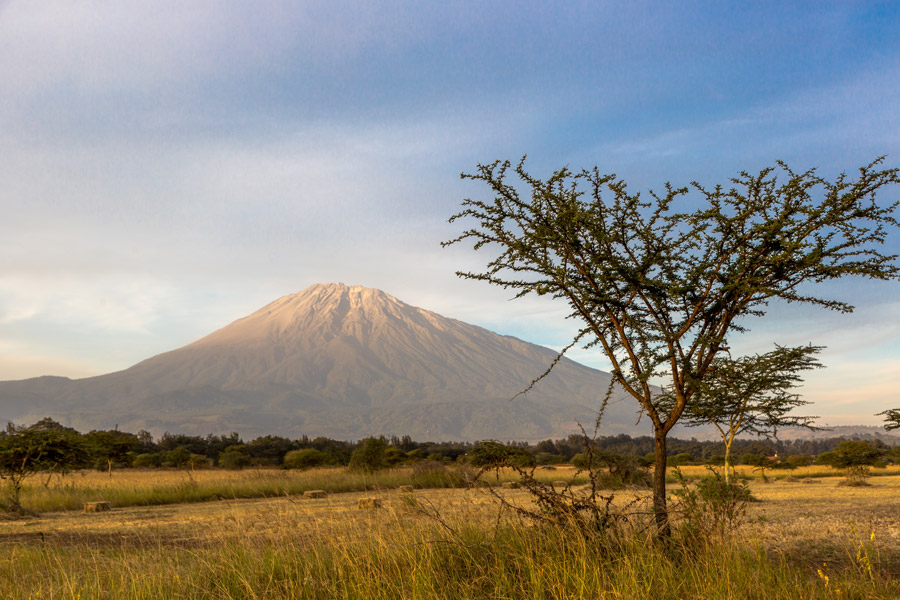
We have a full day to explore the jewel of Tanzania’s national parks – Arusha National Park. Set between the towering peaks of Mount Meru and the snow-capped Kilimanjaro, Arusha is known for its incredible scenery.
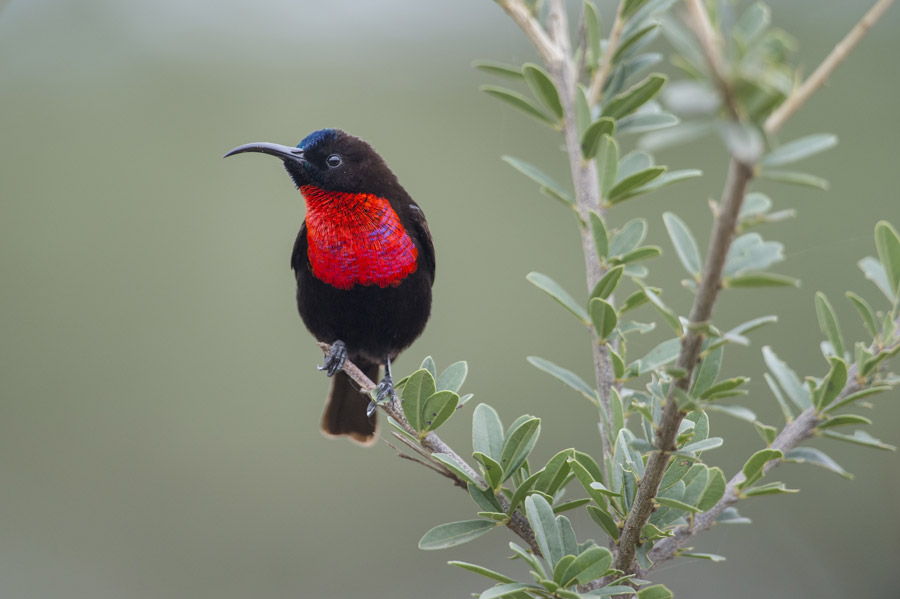
The birdwatching here is superb, and this morning we familiarise ourselves with the specialities within the lodge grounds, before venturing out into the national park. The various habitats range from montane rainforest, soda and freshwater lakes, to acacia mixed woodland and grassland. In the montane forest, we can expect to see bar-tailed trogon, Hartlaub’s turaco, African green pigeon and scarlet-chested sunbird, as well as Tacazze and golden-winged sunbirds. While in the soda lakes, we are more likely to see an array of waterbirds.
We are also likely to see many mammals including mantled colobus monkey, blue monkey, African elephant, Cape buffalo, red duiker, bushbuck, waterbuck and giraffe.
-
Days 3-4
:
Tarangire National Park
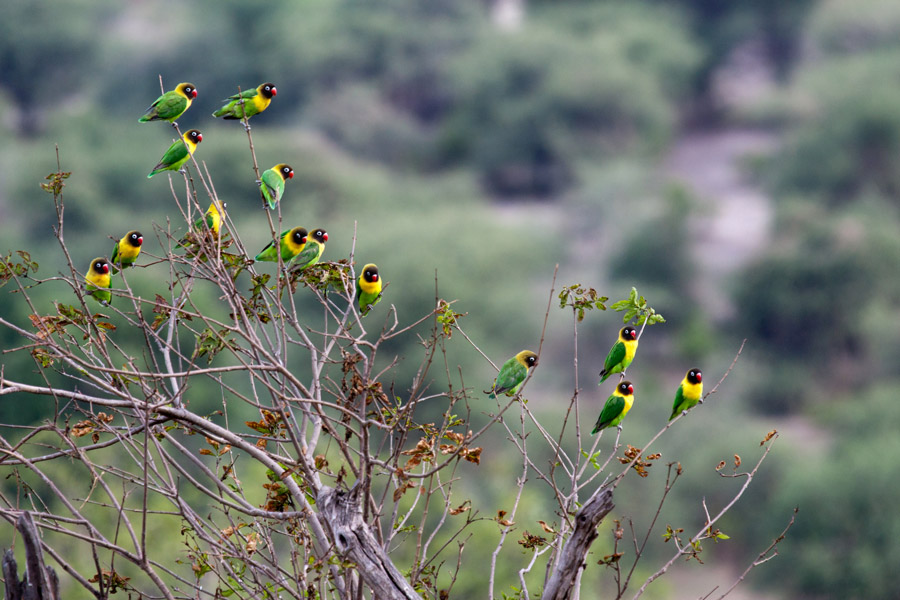
After breakfast, we head to our next accommodation, which is set in a grove of acacia trees on the northern boundary of Tarangire National Park. Our lodge is situated near a seasonal riverbed lined by many species of trees, which attracts a diversity of birdlife. The lodge surrounds are a particularly good place to see the endemic ashy starling, as well as yellow-collared lovebird and rufous-tailed weaver.
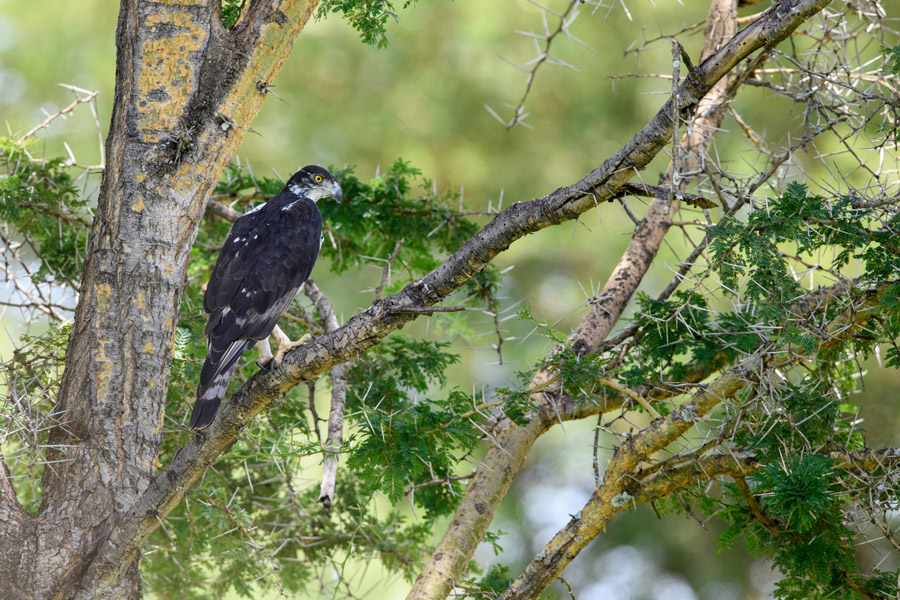
We explore the dry riverbed on nature walks from the lodge, looking for northern pied babbler, magpie shrike and Pangani longclaw. We leave the lodge for game drives among the baobab trees, which are often favoured by birds of prey as perches. We will keep an eye out for martial, brown snake, bateleur, African hawk and tawny eagles.
Accommodation: Kirurumu Tarangire Lodge, 2-nights
-
Days 5-6
:
Lake Manyara National Park
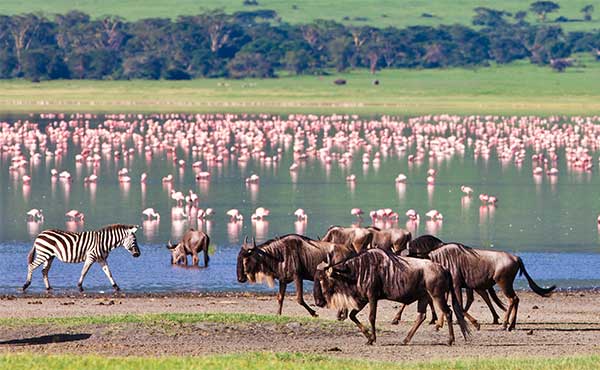
This morning we travel to Lake Manyara National Park. Here, there is a diversity of habitats and vegetation zones, which are governed by local geography. At the lake, we may see greater and lesser flamingos, which are preyed upon by African fish eagles, while at the lake edge, we may spot black, black-headed and purple herons, black-winged stilt, three-banded and Temminck’s coursers. The groundwater forest is home to a variety of birds which eat fruit from the numerous fig trees. We may even see silvery-cheeked hornbills eating freshwater crabs from groundwater streams, while giant kingfishers lurk on the edge of the forest. The escarpment supports cliff chat, as well as red-winged starling, helmeted guineafowl and crested francolin.
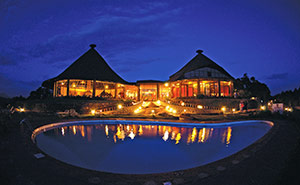
In the afternoon, we travel to our accommodation, which is set on an escarpment overlooking the park. The lodge has become a haven for birdlife, and we look for African firefinch, red-cheeked cordon bleu, chestnut weaver, red-faced crombec, chin spot batis and yellow-breasted apalis.
Accommodation: Kirurumu Manyara Lodge, 2-nights
-
Days 7-8
:
Ngorongoro Crater
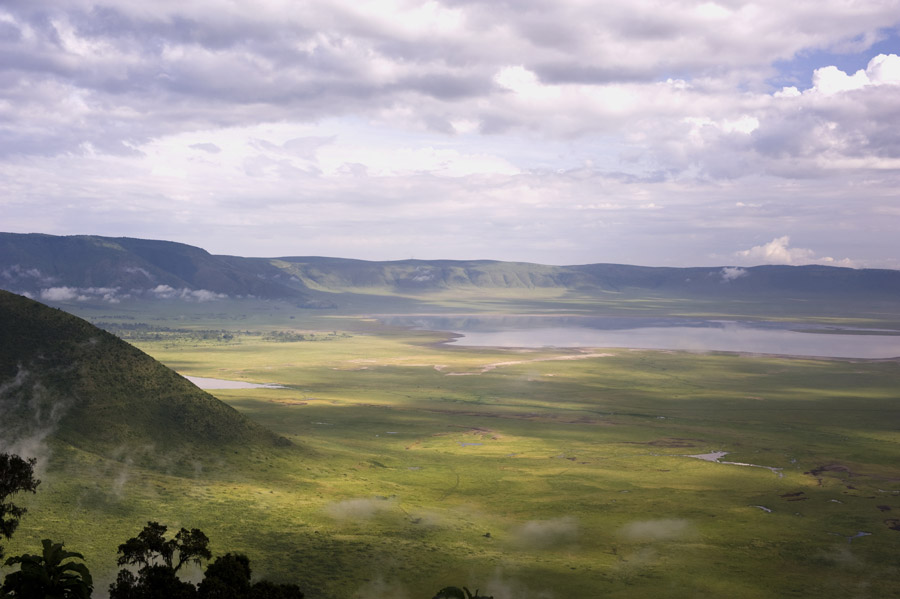
After breakfast, we venture through the farmlands of Karatu and into the Ngorongoro Conservation Area. The volcanic crater is an incredible natural wonder enclosing a huge concentration of plains game, and is the largest unbroken caldera in the world. We begin exploring the highland grassland, which is home to Jackson’s widowbird, while on the crater floor itself we look for chestnut-banded plover. Near to the water, we may also see Abdim’s and distinctive saddle-billed storks.
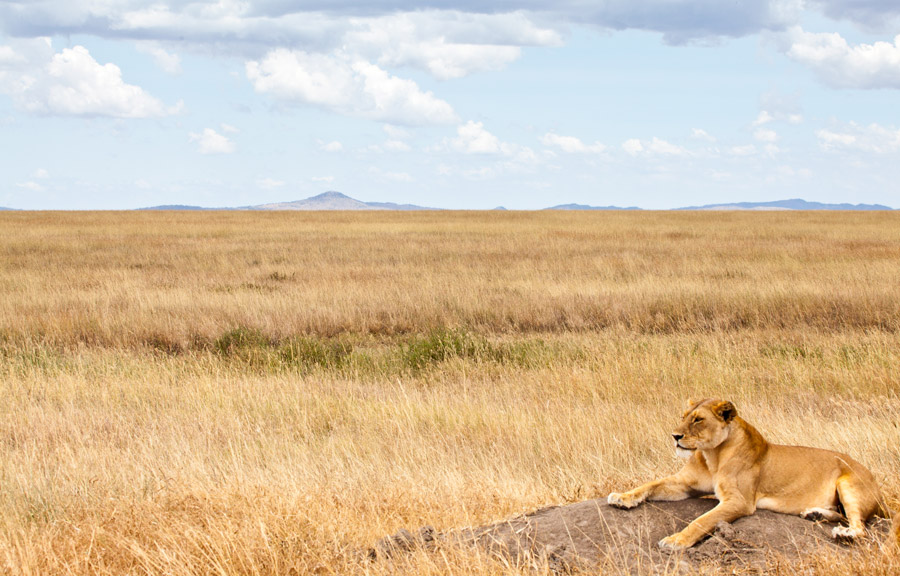
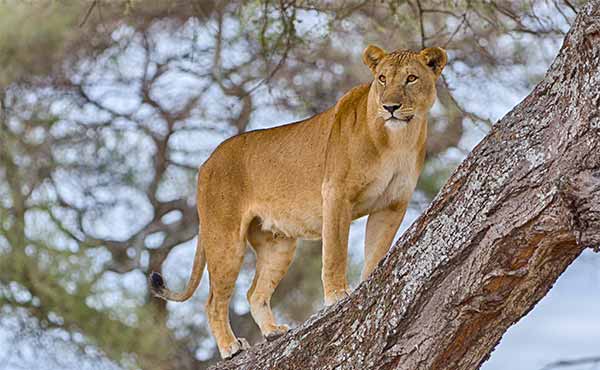
The crater is also home to a wide variety of mammals, with frequent sightings of African elephant, black rhino, Cape buffalo, lion and leopard.
Our second day here is spent on a morning game drive in the crater, followed by lunch back at the lodge. In the afternoon, we drive to the Ngorongoro highlands, where take a walk along the rim to look for birds, including brown-headed apalis, Schalow’s turaco, eastern double collared, Tacazze, and golden-winged sunbirds, as well as the exuberant Hunter’s cisticola. This clear viewpoint is also an excellent place to look for raptors, such as Augur buzzard.
Accommodation: Ngorongoro Sopa Lodge, Ngorongoro, 2-nights
-
Days 9-11
:
Serengeti National Park
After breakfast, we head to Serengeti National Park – one of the world’s last great wildlife refuges.
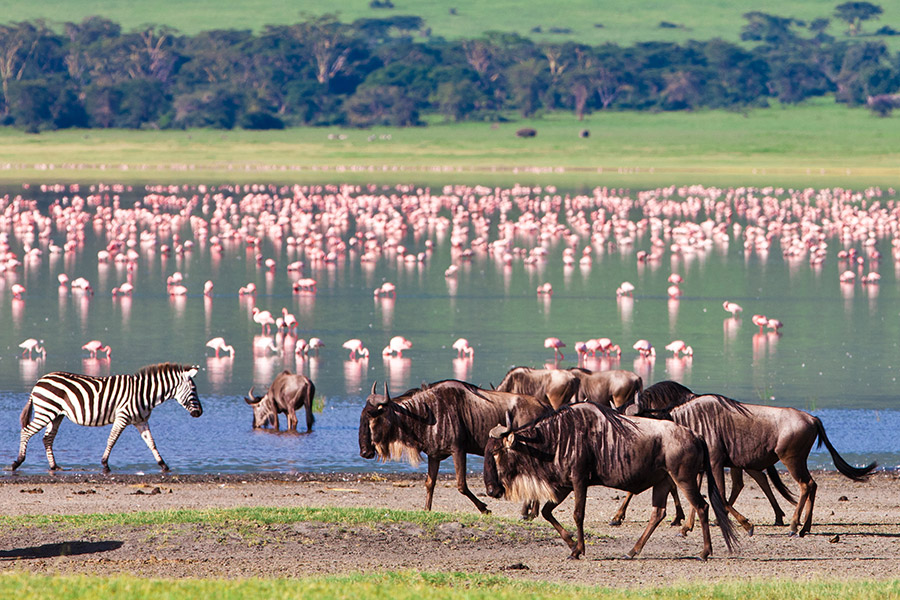
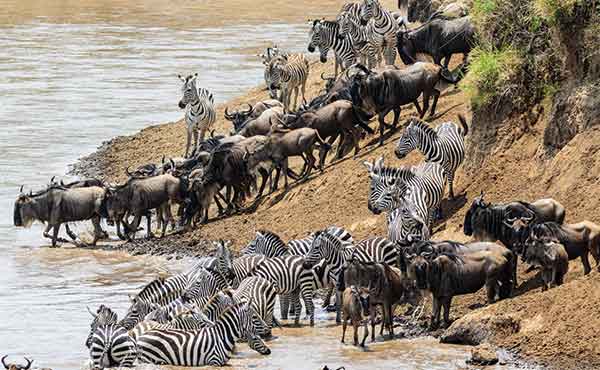
During our stay here, we can experience the annual migration of around two million wildebeest, together with a quarter of a million plains zebra and half a million Thomson’s gazelles. Endemic bird species we hope to encounter include rufous-tailed weaver, Fischer’s lovebird and grey-breasted spurfowl. The Coqui francolin is common on the plains along with short-toed and short-tailed larks and Fischer’s sparrow lark. The large population of mammals results in a number of mortalities by predators or disease, which in turn supports a high number of vultures including white-backed, white-headed and lappet-faced vultures.
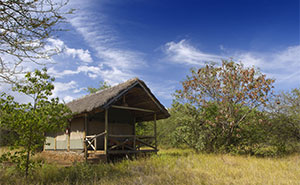
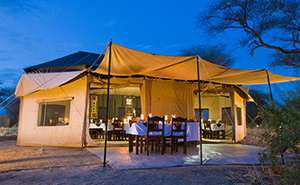
Accommodation: Kiota Camp, Serengeti National Park, 3-nights
-
Day 12:
Transfer to Arusha & depart
After breakfast, we fly to Arusha where we will have time to visit Arusha Coffee Lodge for lunch before transferring to a nearby airport lodge for access to a day-use room to freshen up before our evening flight home.
-
Day 13:
Arrive UK