Join us as we cruise between the islands of the Galapagos to experience and enjoy all of the wildlife that we encounter in this beautiful archipelago from giant tortoises to red-billed tropicbirds and marine iguanas.
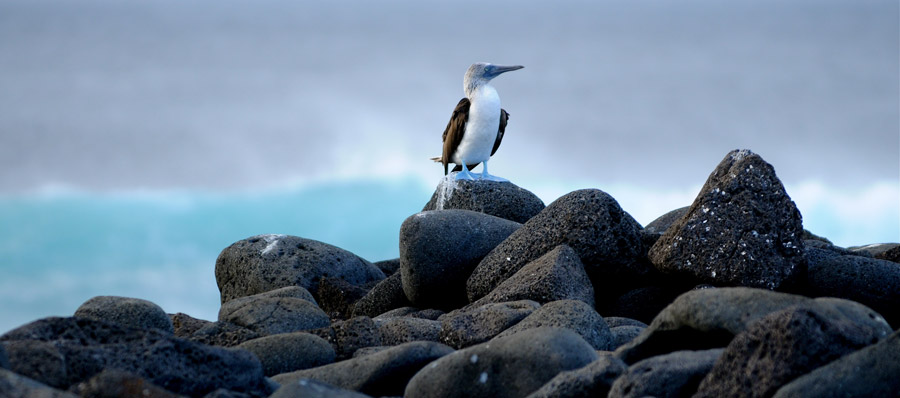
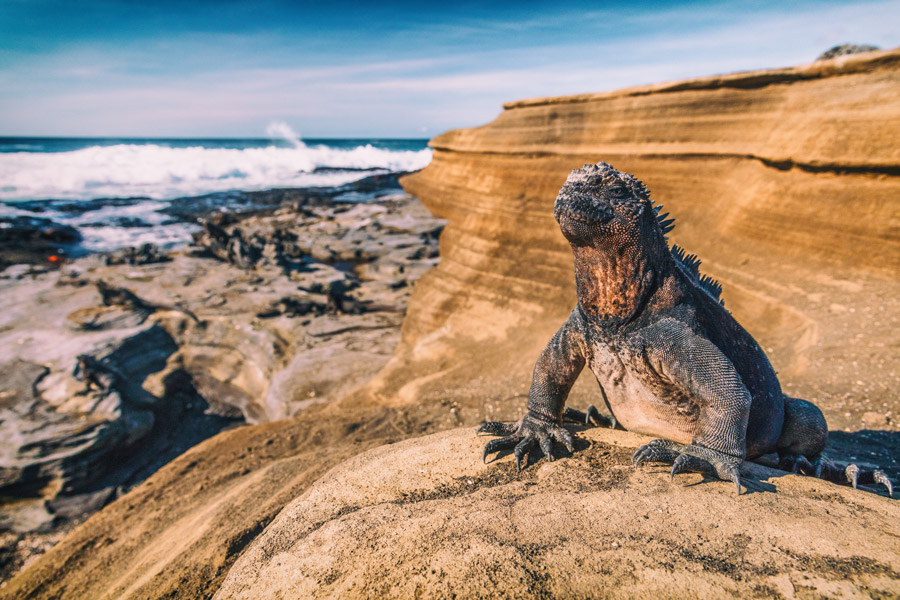
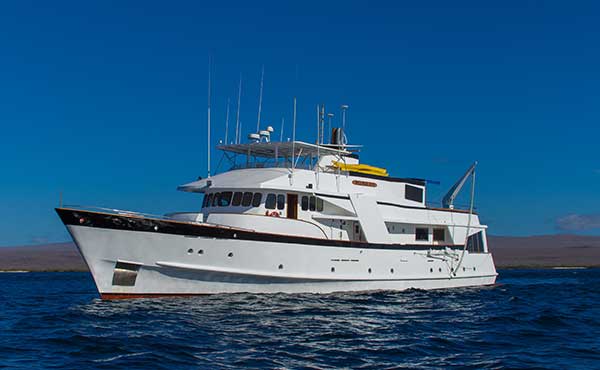
The Galapagos Islands are a must-visit destination for any wildlife and nature enthusiast and we are delighted to offer an extensive 12-night voyage around The Galapagos Archipelago with Wildlife Worldwide team member Helen Bryon. Travelling aboard the exclusively chartered 16-berth MV Beluga, we have designed a comprehensive itinerary that should provide opportunities to observe the iconic species of these islands including marine iguana, giant tortoise, blue-footed booby, flightless cormorant, waved albatross and Galapagos fur seals.
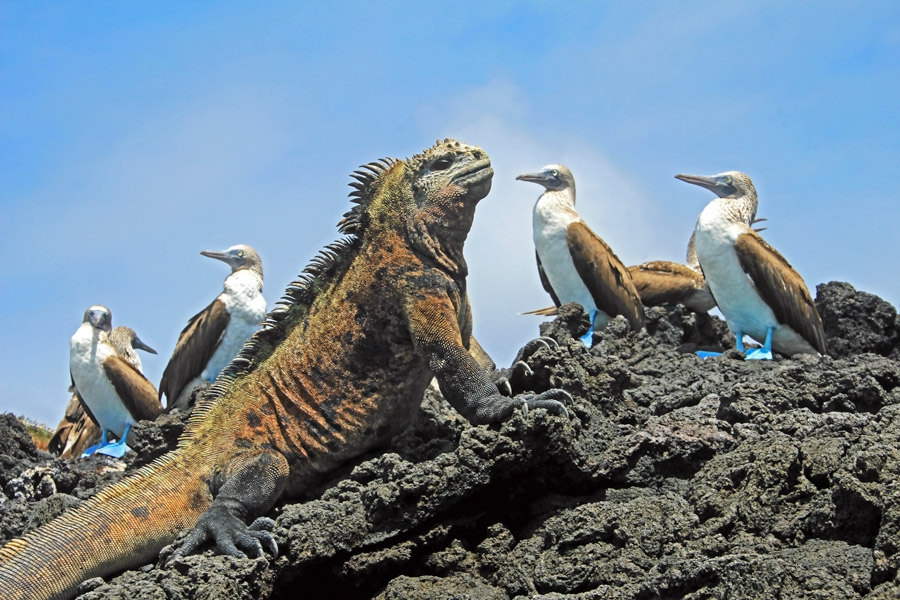
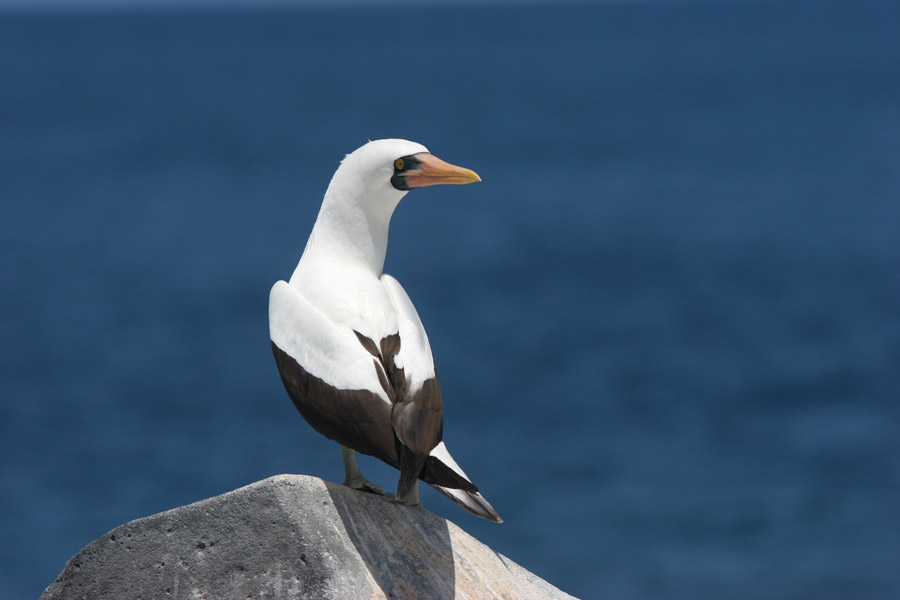
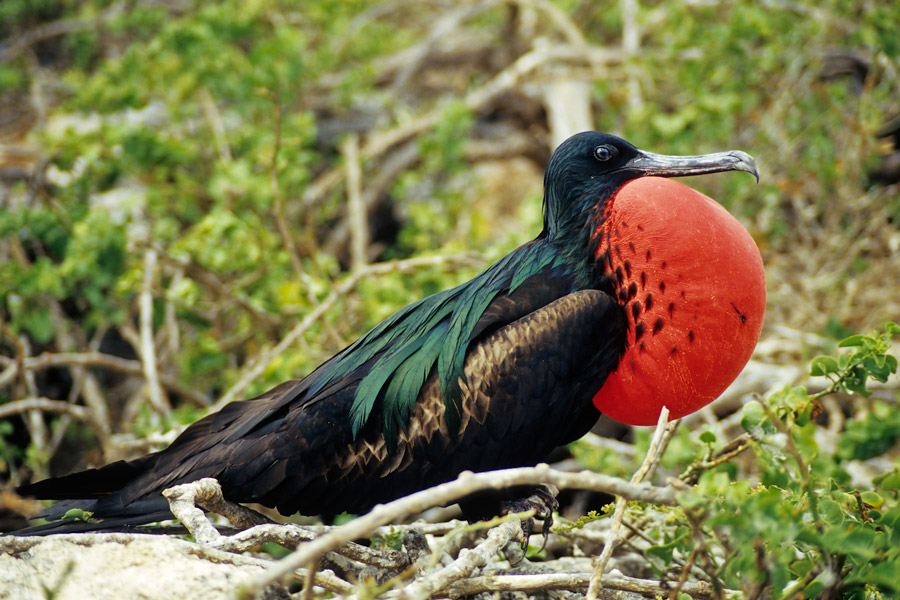
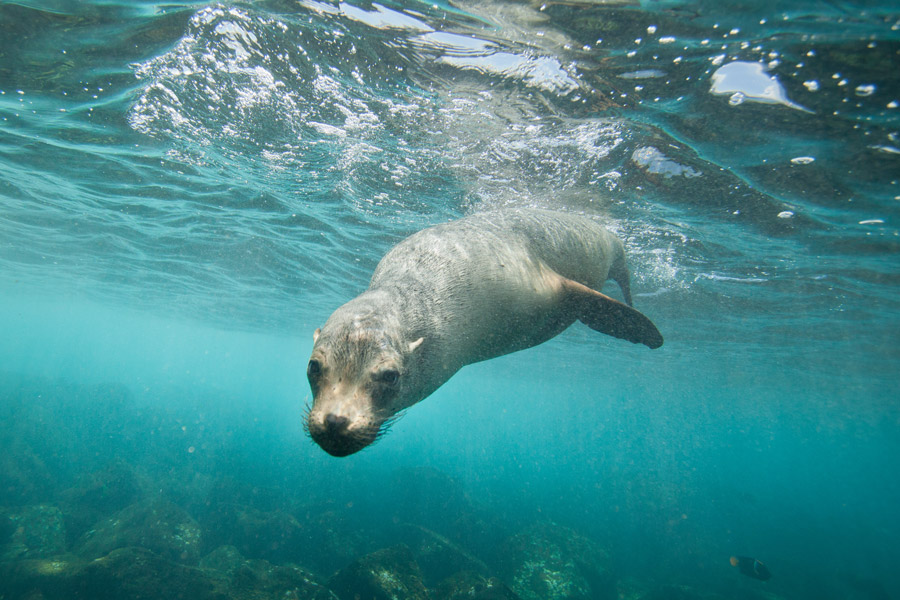
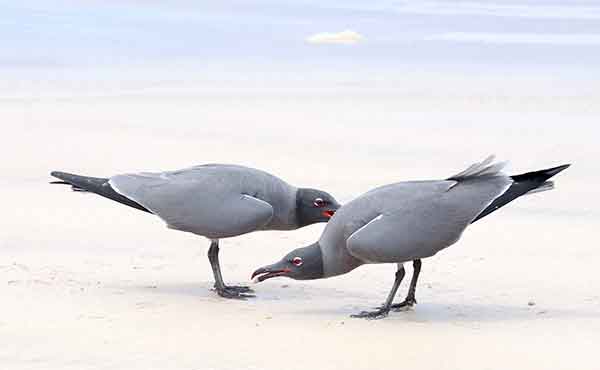
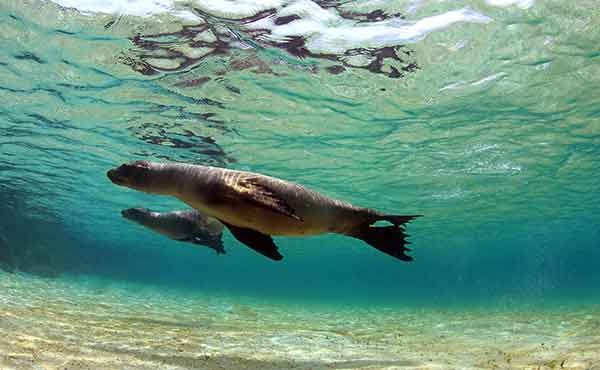
Our navigation around the Galapagos Islands takes us to the key islands in the archipelago as well as providing opportunities to snorkel and swim with a variety of marine species including Galapagos sealions and green sea turtles. We have timed our voyages to coincide with the nesting season of waved albatross colony on Española and we land at Punta Espinoza on Fernandina Island, a location renowned for its large population of marine iguanas. We sail to the island of Genovesa, which is one of the finest islands in the Galapagos for birdwatching and we hope to encounter red-footed booby, magnificent frigatebird, the endemic lava gull, Nazca booby, Galapagos hawk and four species of Darwin’s finches.
Typical Itinerary
-
Day 1:
Fly to Quito
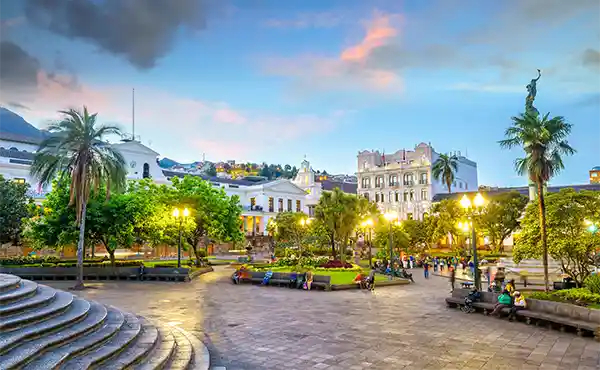
This morning we depart the UK on flights to Quito, the capital city of Ecuador. On arrival we are transferred to our accommodation and the rest of day is free to either explore the city and its historical attractions or relax after our journey.
Accommodation: Casona de la Ronda, 1-night
-
Day 2:
Fly to the Galapagos Islands & board our vessel
On arrival at the airport in the Galapagos on San Cristóbal Island, we are transferred by vehicle to the highlands of San Cristóbal where we head to El Junco Lagoon. El Junco is a haven for birdlife with San Cristobal mockingbird and white-cheeked pintail being two endemic species we might encounter.
After our visit at El Junco, we head back to port where we board our comfortable and well-appointed vessel which is home for the next 12 nights during our voyage of the Galapagos.
Accommodation: Beluga, 12-nights
-
Day 3:
Española Island
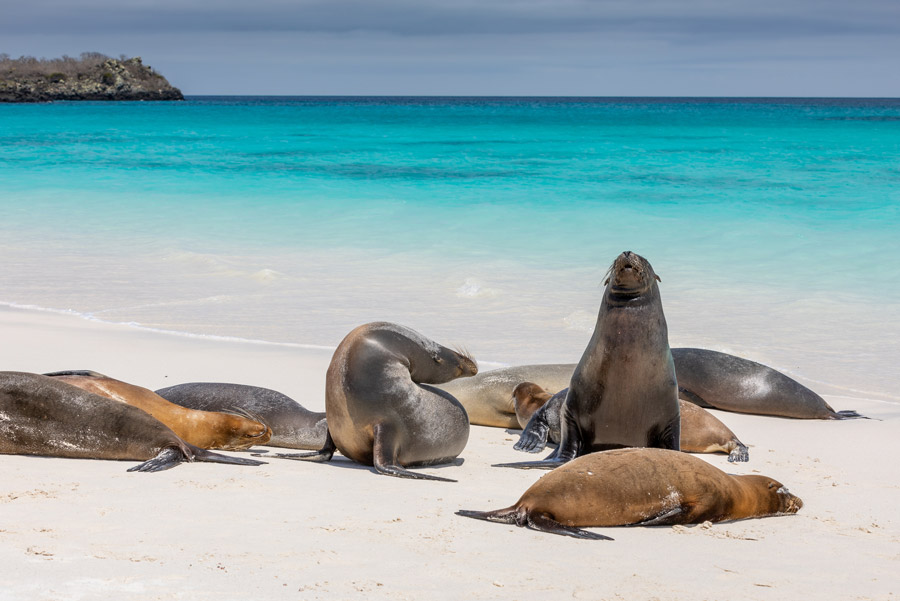
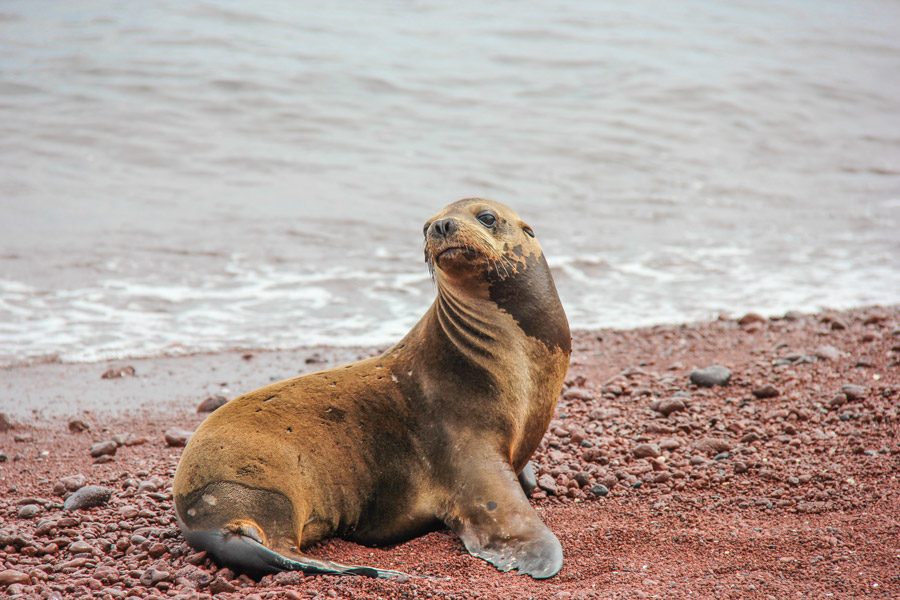
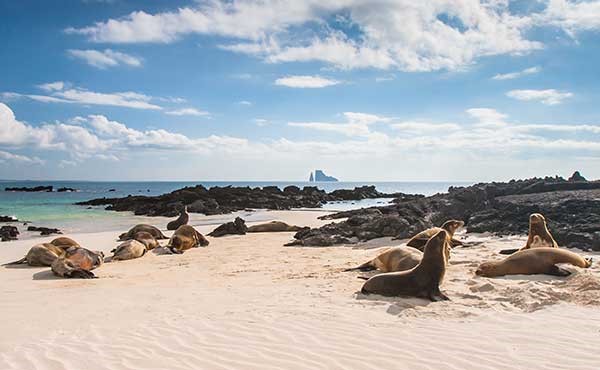
This morning we start our day at the beautiful Gardner Bay on the northeast coast of Española Island which is usually inhabited by sealion colonies who can often be seen lounging in the sun. We make a wet landing on the white, sandy beach as we get ready to go snorkelling. A dazzling array of tropical reef fish, such as surgeonfish, parrotfish and even moorish idol will be waiting below the waves for us as well as possible white-tipped reef shark and even a manta ray or two. After an exciting time in the water we return to beach and hop back on the pangas to take us back to the Beluga.
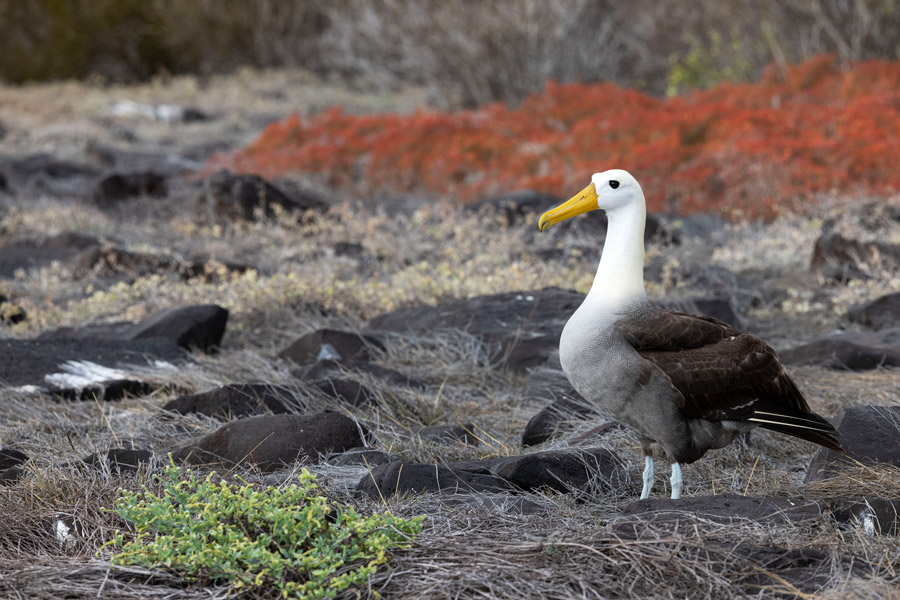
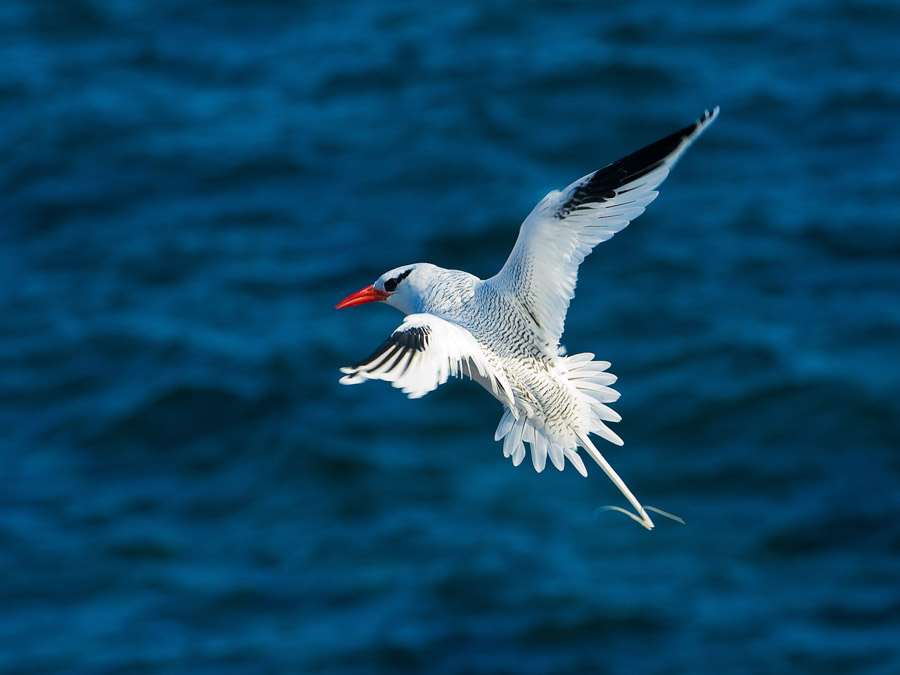
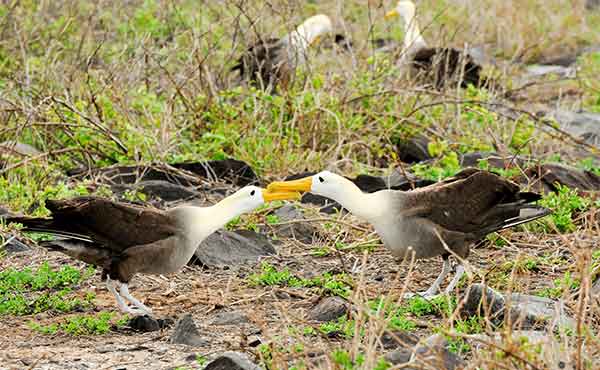
This afternoon we visit Punta Suarez on Española. This is arguably one of the best walks in the Galapagos as we have the chance observe a colony of waved albatross who nest here between April and September, but remain on the island until December. Española Island is the only location where this incredible bird species chooses to nest and we should have fantastic views of the albatross. In the company of our local naturalist guide who will be with us for the whole cruise, we may see some other species here including Galapagos hawk, lava lizard, Nazca booby, red-billed tropicbird and Galapagos snake.
-
Day 4:
Explore Floreana
Our first excursion of the day begins with a landing at Punta Cormorant on Floreana Island for an easy paced and rewarding walk on the beaches and around a nearby lagoon. This is an excellent place for observing Caribbean flamingos and white-cheeked pintails, and Galápagos flycatchers can be seen regularly amongst the volcanic outcrops.
In the afternoon, we visit Devil’s Crown for some more snorkelling or a panga (dinghy) ride to enjoy a variety of marine life including Galápagos sealions and spotted eagle ray. Later today, we visit Post Office Bay to learn more about the human history of the Galápagos.
-
Day 5:
Santa Cruz & Santiago Islands
Our vessel navigates through the evening and early morning to reach our next landing location at Dragon Hill on Santa Cruz Island, which is an excellent spot for observing land iguanas. There is also an excellent array of birds to be seen here too including flamingos, yellow warbler, Galapagos doves and some of the Darwin finches.
This afternoon we make a wet landing at Sullivan Bay on Santiago Island which is famous for its extensive lava flows. We'll spend an hour or two exploring the lava flows and learning more about the pioneer flora and fauna species that we come across. Before heading back to our vessel, there is another opportunity to swim or snorkel from beach, especially as there is a good chance of some playful sealions being in the vicinity.
-
Day 6:
Genovesa
During the evening and early morning, the Beluga will have sailed to the island of Genovesa which is one of longest navigations during our cruise in the Galapagos Islands.
Genovesa is situated in the north-east corner of the main archipelago and we start exploring this island by landing at Darwin Bay. Our walk from Darwin Bay should provide ample opportunity to observe swallow-tailed gull, great frigatebirds, large beaked cactus finch, marine iguana, the endemic lava gull and red-footed booby. Depending on what see along the trail, there may be enough time for a swim before returning to the Beluga for lunch.
Later in the day we visit another of the iconic locations in the Galapagos, Prince Phillip's Steps on Genovesa. Our excursion begins with a panga ride around the bay before a dry landing at the steps themselves where we ascend to the plateau atop the island. We take the steps slowly and once we reach the top of the steps, we hope to encounter red-billed tropicbird, warbler finch, large ground finch, lava heron, Nazca booby and large numbers of red-footed booby. It is thought as many as 200,000 red-footed boobies nest on Genovesa creating quite the spectacle.
-
Day 7:
Santa Cruz
In the morning after arriving at Santa Cruz Island overnight, we enjoy a panga ride around Black Turtle Cove on the north coast of the island. The cove is home to a flourishing mangrove forest and is a particular haven for turtle. We may well see a few different species of turtle swimming around the mangrove trees and poking their heads above the surface. In addition to the turtles, it is also possible to white-tipped reef sharks and a variety of rays swimming beneath our pangas as well as a variety of birds flying between the trees.
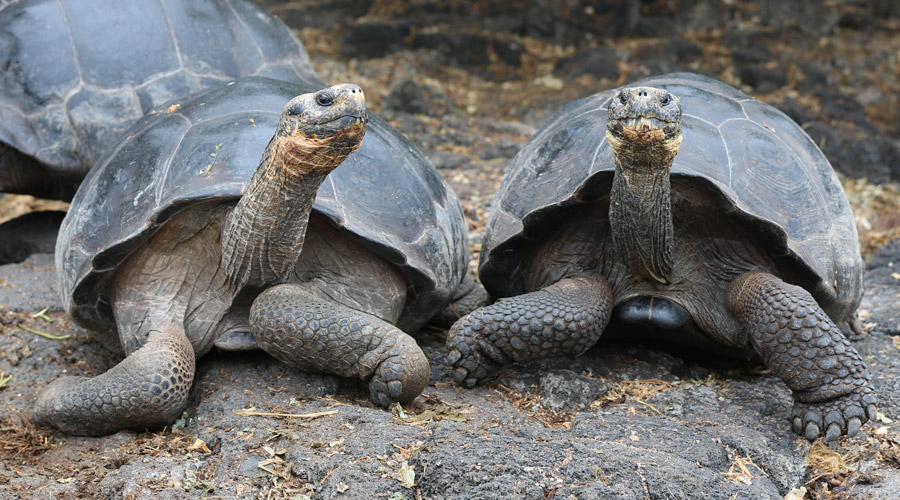
This afternoon we make a dry landing on Santa Cruz where we are transferred to the highlands to enjoy this fresh and verdant landscape and hopefully observe giant tortoises before continuing to the Charles Darwin Research Centre for an afternoon visit. At the centre there is another opportunity to view giant tortoises as well as land iguanas before we continue to the town of Puerto Ayora where we re-board the Beluga.
-
Day 8:
Visit Rábida
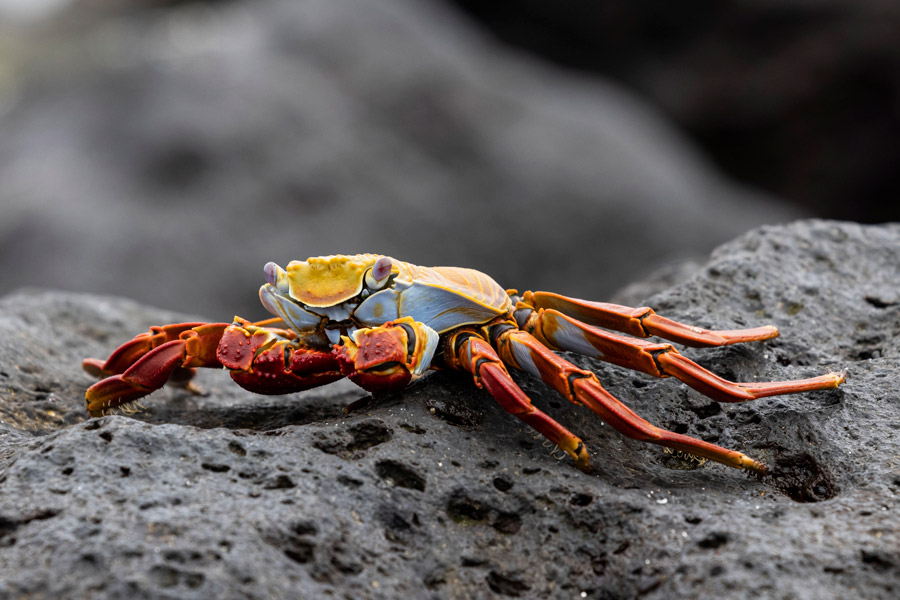
Today we visit the island of Rábida and famous location known as Chinese Hat due to the appearance of the volcanic landscape here. This location is also home to some wonderful wildlife such as a colony of marine iguanas and Galapagos sealions, Sally Lightfoot crabs, lava lizards and possibly Galapagos penguin.
-
Day 9:
Explore Isabela
During the night, the Beluga will navigate to Isabela, the largest island in the archipelago. In the morning we land at Puerto Villamil where a small bus will be waiting to take us up to the caldera of Sierra Negra. At the rim of the volcano we could see recent lava flows and parasitic volcanic cone formations.
Later in the day there is time to explore the small town of Puerto Villamil and this should provide some excellent wildlife sightings. The town itself is positioned on a white sandy beach with mangroves nearby. There is a possibility of coming across marine iguana, flamingos, blue-footed booby and a variety of shorebirds as we walk around the town.
-
Day 10:
Explore Isabela’s western coast
To begin the day we land at Punta Moreno on Isabela’s west coast. This volcanic landscape may appear desolate at first glance, but this seemingly barren landscape is a haven for several bird species. White-cheeked (or Galapagos) pintail, blue-winged teal, black-necked stilt, great blue heron and common gallinule are some of the species we may encounter. Even the flightless cormorants can be seen here and Punta Morneo is also a good location for observing marine iguanas.
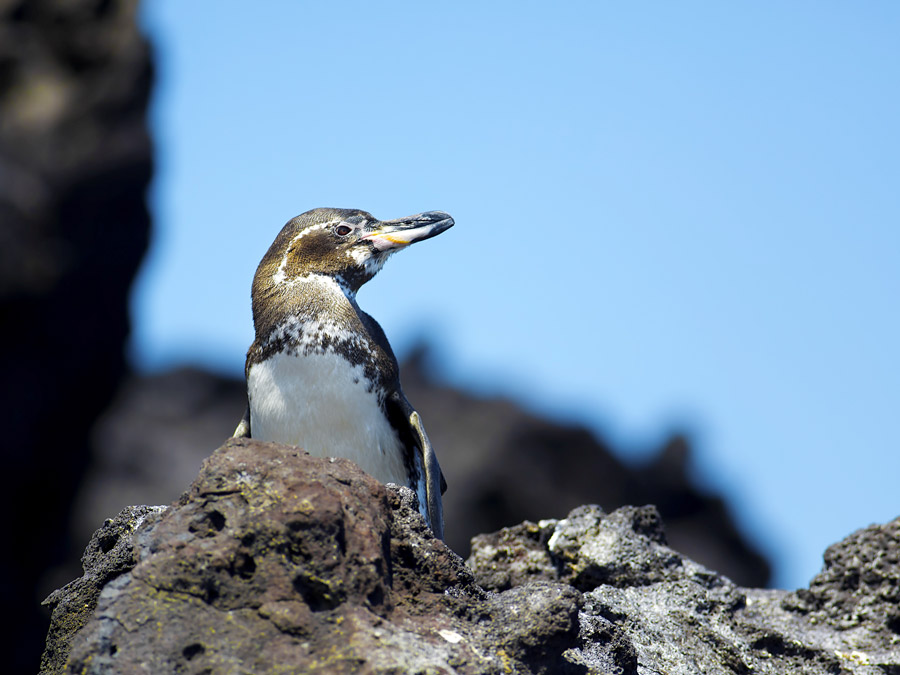
This afternoon we venture to Elizabeth Bay and enjoy a panga ride through the bay’s mangroves and rocky islets which are home to both Galapagos penguin and marine iguanas. The mangroves are also a refuge to other marine species such as spotted eagle ray, white-tip reef shark, golden ray and green sea turtle.
-
Day 11:
Continue to explore Isabela
This morning’s excursion is a guided walk on the shores of Urbina Bay which is particularly well known for its land iguana population and the individuals found here are thought to be the largest in the entire archipelago. There is also a good possibility that we might also spot wild giant tortoises, blue-footed boobies, flightless cormorants and Galapagos brown pelicans.
Following lunch on board the Beluga, we make a dry landing at Tagus Cove. This is one of longer walking excursions during our cruise around the islands so good comfortable footwear is important for this afternoon. Once on land we walk uphill to the saltwater lake at Darwin's Crater which offers excellent views of the surrounding landscape.
-
Day 12:
Visit Fernandina
Overnight the Beluga sails to the island of Fernandina, most westerly island in the main archipelago.
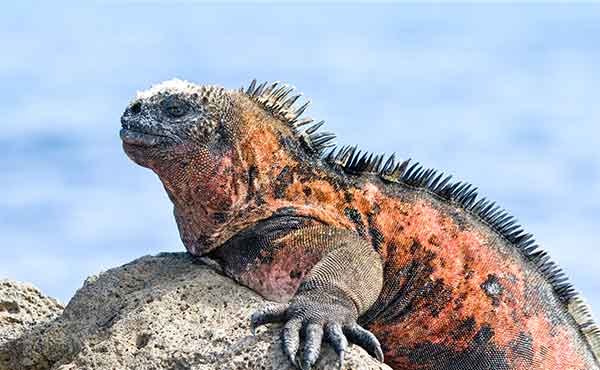
This morning we visit another of the famous landing spots in the Galapagos, Punta Espinoza. Almost as soon as we step ashore, we are seemingly greeted by the huge colony of marine iguana that frequent Fernandina. We are able to spend time here admiring these incredible creatures and watching their intriguing behaviours. We continue to explore Punta Espinoza on foot to look for other species such as Galapagos hawk, Galapagos penguin and flightless cormorant.
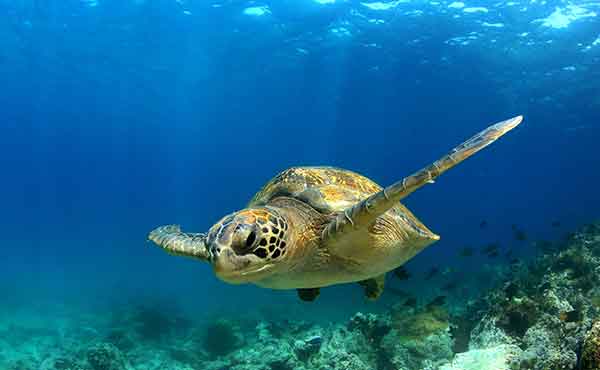
In the afternoon, we cross back over to Isabela and make our way to Punta Vicente Roca where we head out in the pangas once more. We scan the nearby cliffs for seabirds including Nazca and blue-footed boobies as well as other wildlife. There is also an opportunity to snorkel here as there are good chances of seeing sealions, green sea turtle, marine iguana and sometimes common bottlenose dolphins in these particular waters.
-
Day 13:
Santiago & Bartolome Island
During the night, the Beluga will have navigated to Santiago Island and in the morning we land on the black sand beach at Puerto Egas for an relaxed and rewarding walk as we keep an eye out for Sally Lightfoot crabs, Galapagos fur seals, American oystercatchers and a colony of sealions. The walking trail will take us further inland where we could encounter some of the famous finches as well as species of warbler and woodpecker.
Whilst we enjoy lunch, the Beluga sails to Bartolome Island where we make two landings. Experiencing the island on land and in the sea whilst snorkelling, there are numerous species that we could come across during our time at Bartolome such as great blue heron, Galapagos hawk and Galapagos penguin.
-
Day 14:
North Seymour & departure
This morning we make a dry landing on North Seymour Island for a walk on the beach and further into the interior of the island. The terrain is flat and mostly level so it should be easy going and North Seymour is excellent for birdwatching in particular with blue-footed boobies, swallow-tailed gulls and magnificent frigatebirds all frequently sighted here.
Afterwards, we bid farewell to the crew on the Beluga and disembark as we are transferred to the airport on Baltra to catch our flights back to the UK.
-
Day 15:
Arrive UK
Please note: Please note that this itinerary is provisional and may change as result of weather, wildlife or operational changes. Single supplements apply. Please contact us for prices.





 EXPEDITION VESSEL