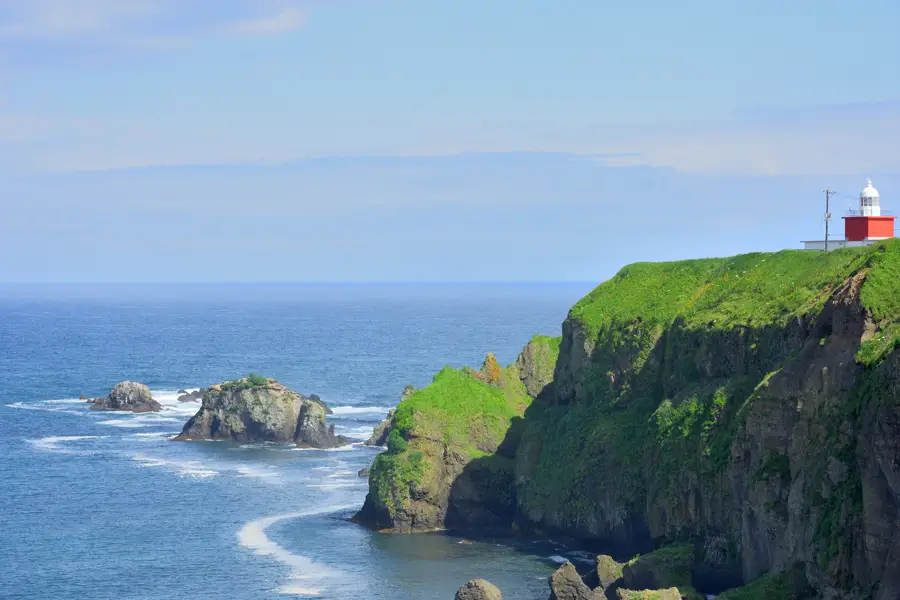
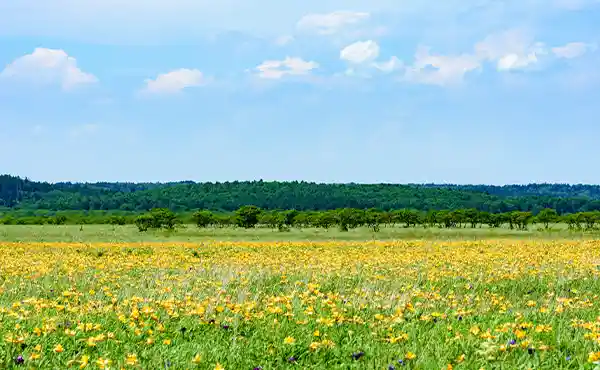
Sculpted by the forces of nature, Hokkaido is Japan at its wildest, with pristine wilderness and abundant wildlife. This group tour explores Eastern Hokkaido during summer, when the island is at its best.
The enchanting isle of Hokkaido is the most northerly of Japan’s main islands, and the wildest. Whilst the island makes up just over 20% of the country’s total landmass, it’s home to only 5% of the population. Even then, the majority live in Sapporo – the island’s capital and largest city – and much of Hokkaido remains largely untouched, allowing its flora and fauna to flourish.
Hokkaido’s wildlife is a year-round spectacle, but it's during the summer months when the island's wildlife becomes particularly prominent.
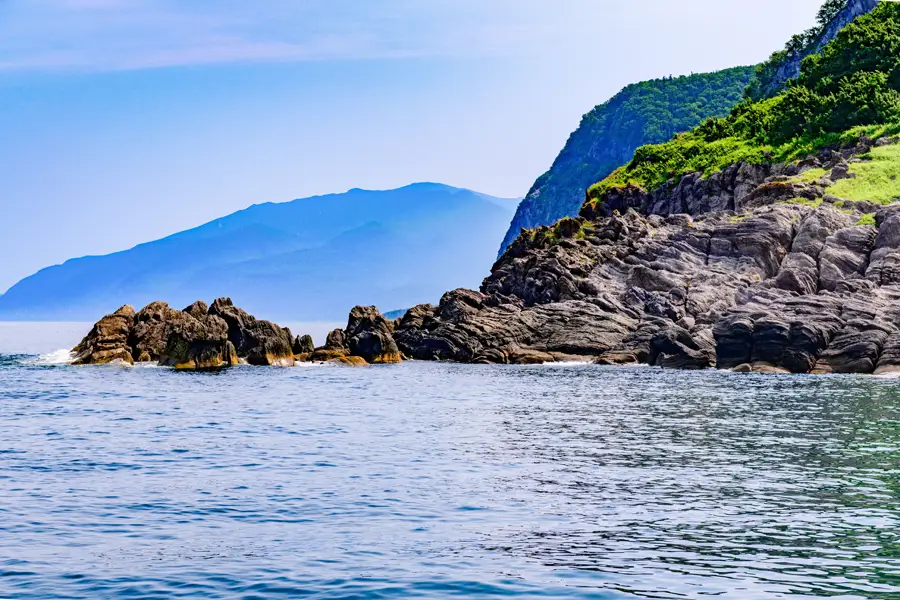
Our itinerary begins with a 4-night stay in the far north-eastern corner of the Hokkaido mainland, where we focus our attention on Shiretoko National Park. This is the island’s premier wildlife destination, located on a peninsula that juts into the North Pacific Ocean, pointing towards the Kuril Islands.
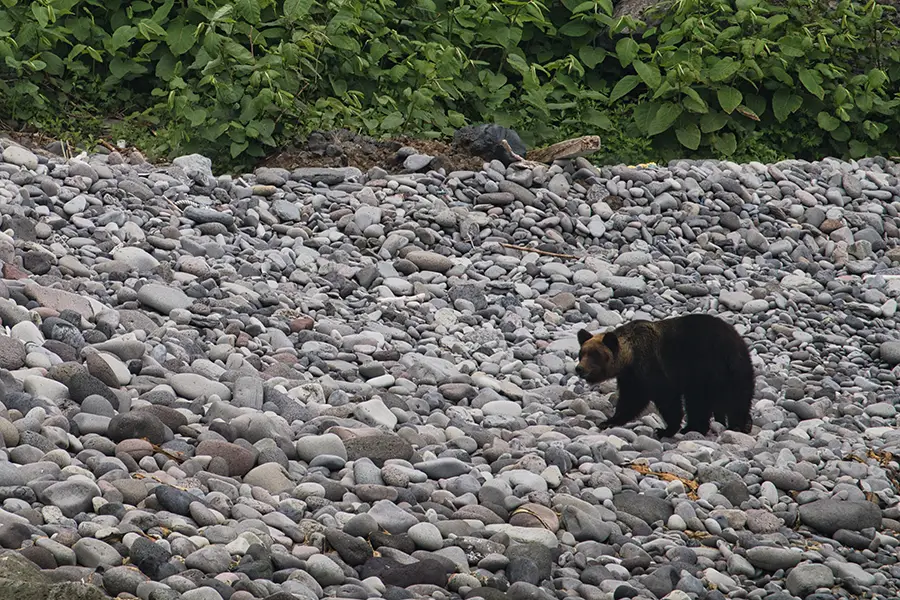
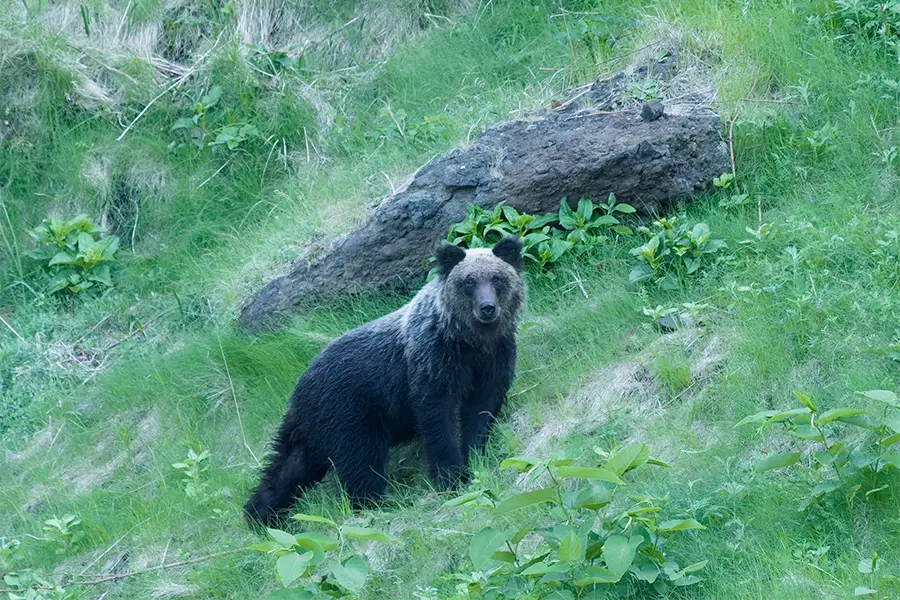
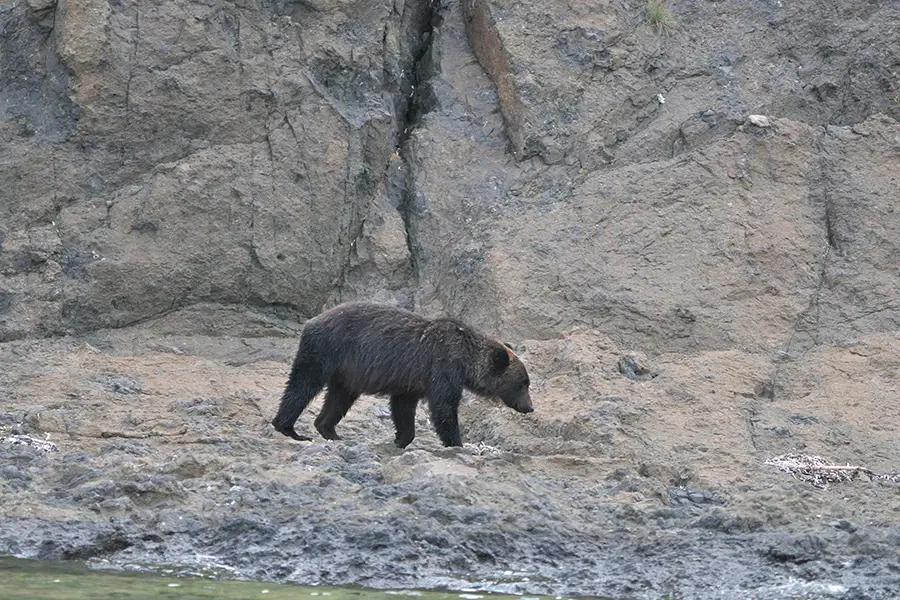
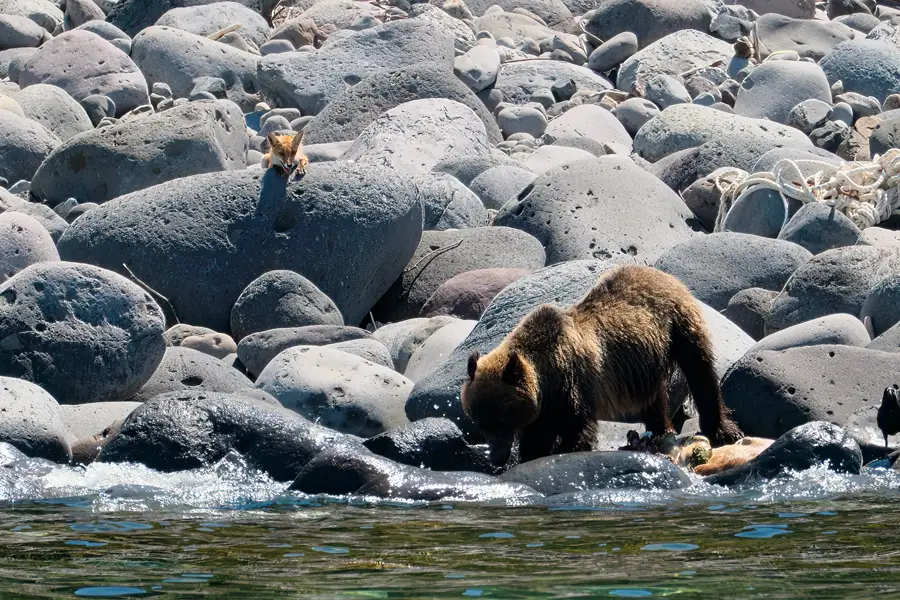
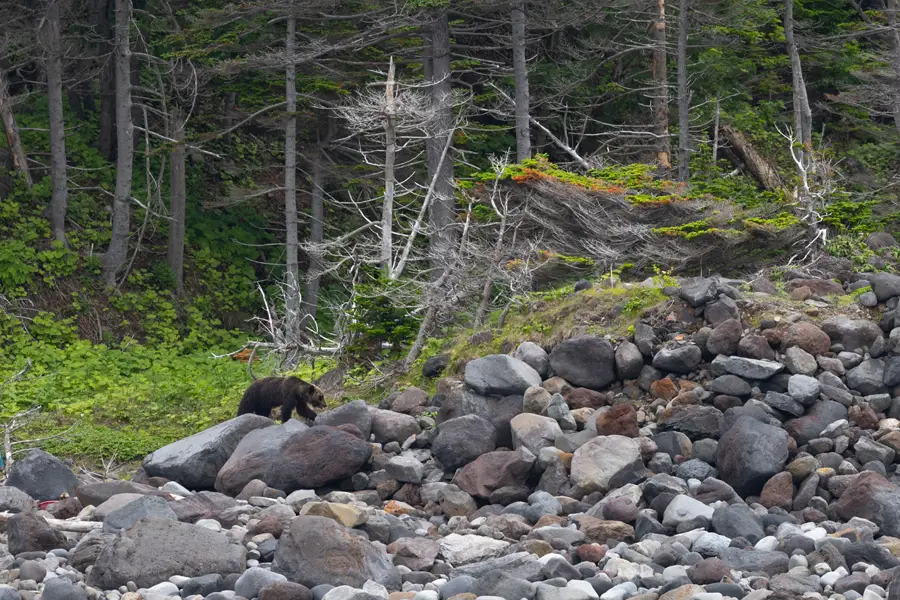
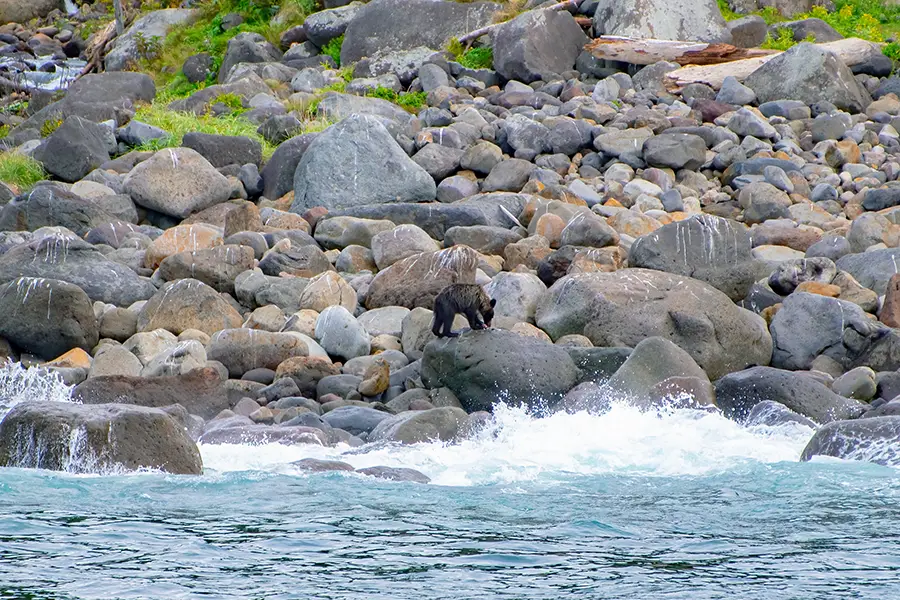
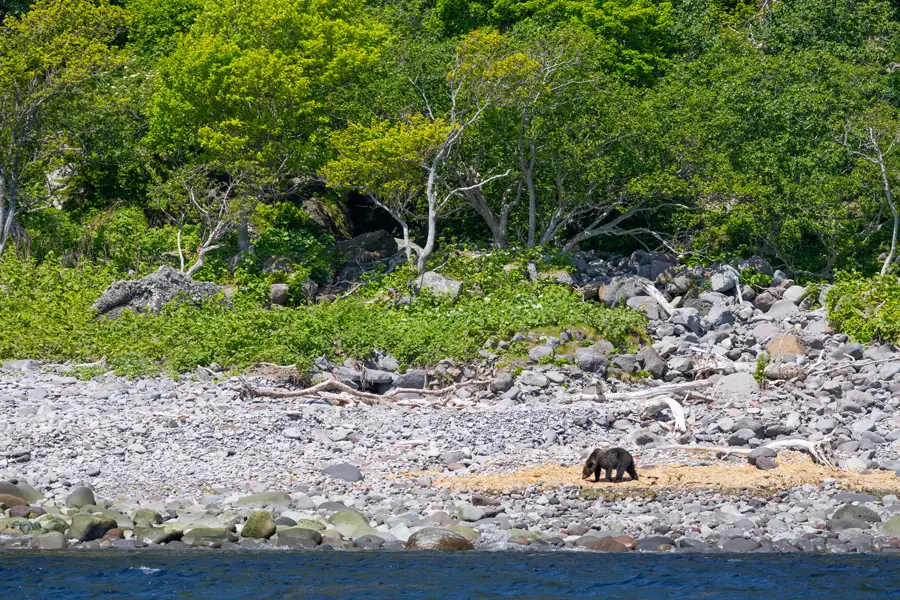
Shiretoko is home to the largest population of brown bears in Japan. These apex predators are best observed on dedicated boat trips along the national park’s shoreline, where they can often be seen venturing out from the dense vegetation to scour the stony beaches for morsels of food.
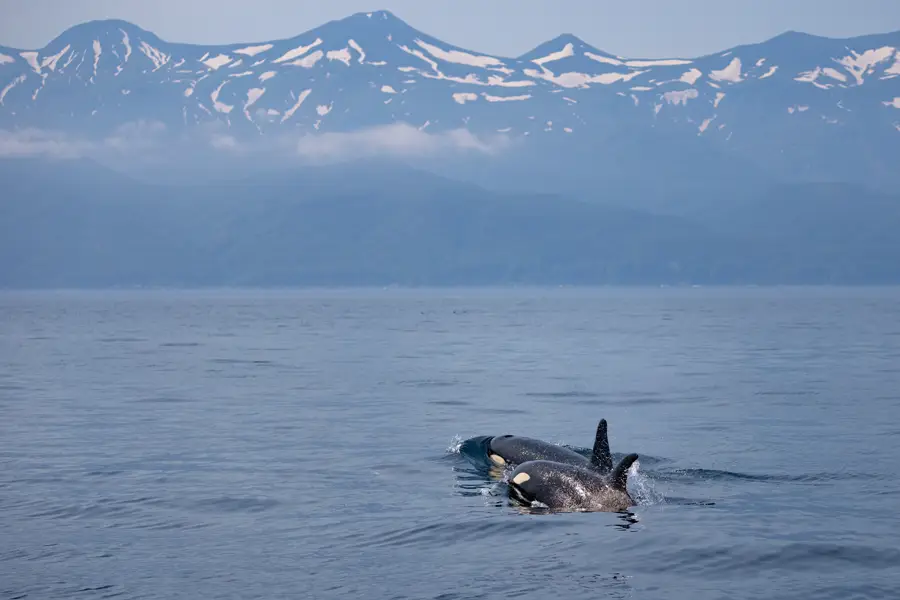
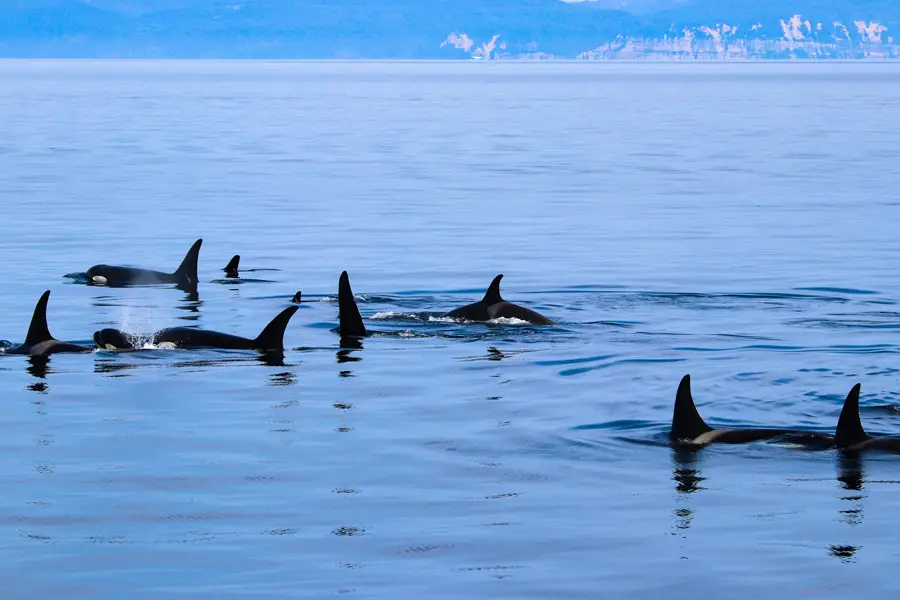
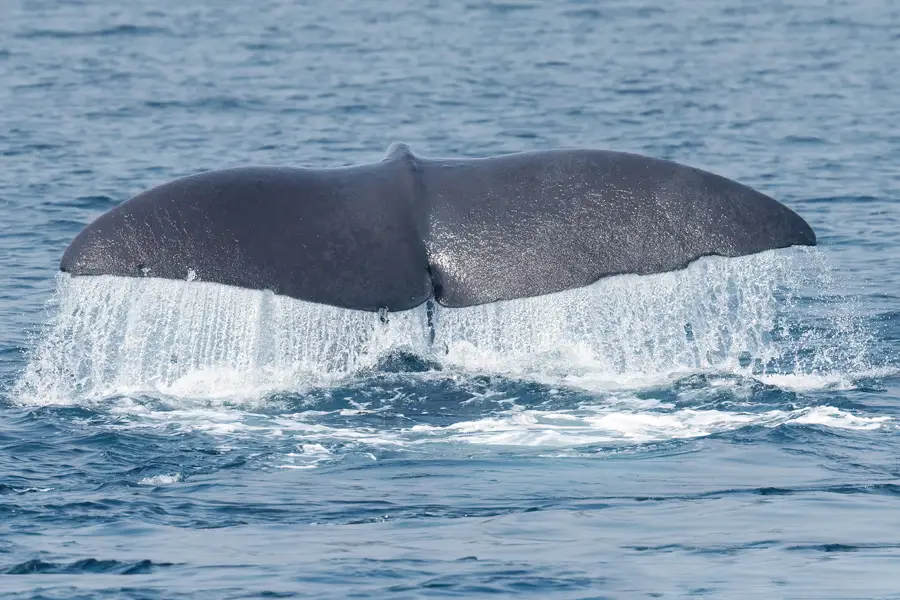
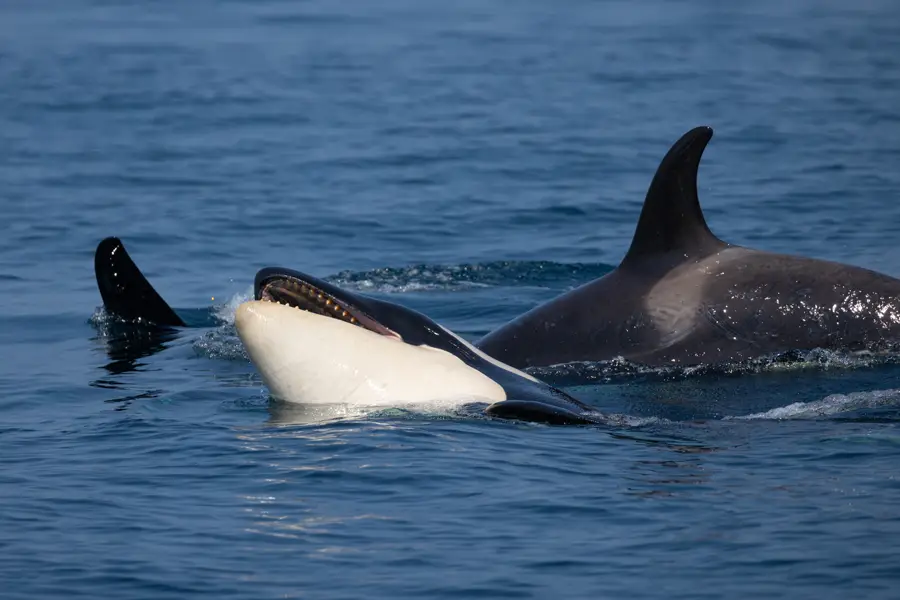
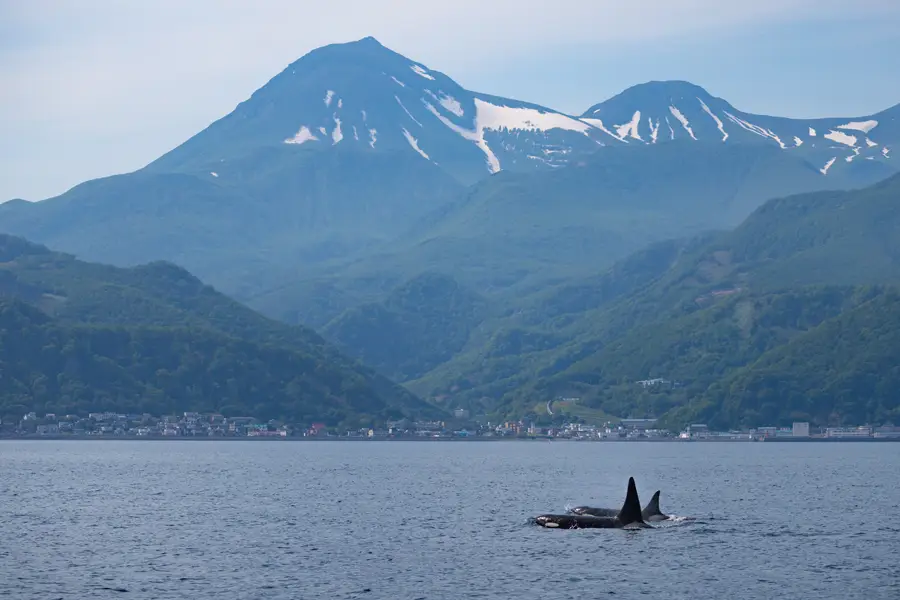
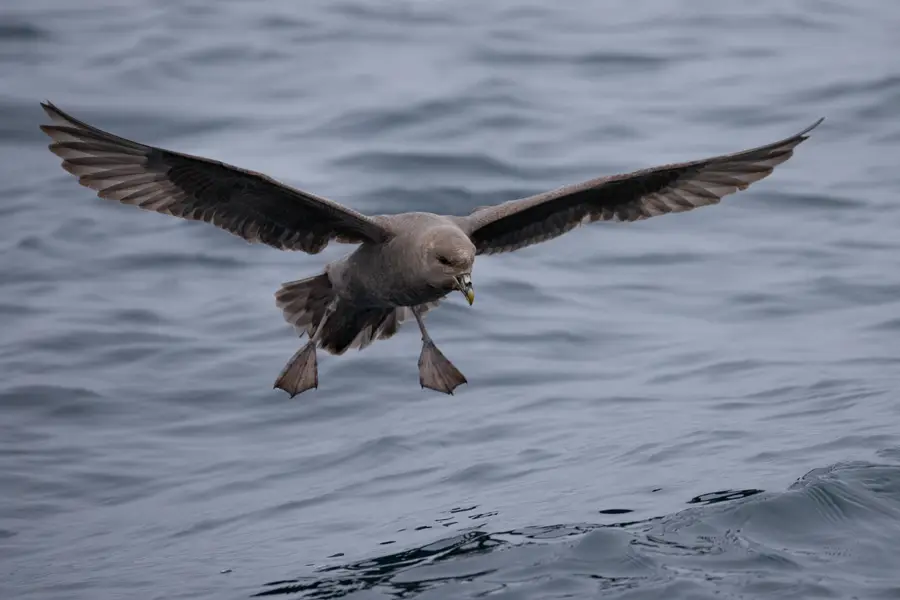
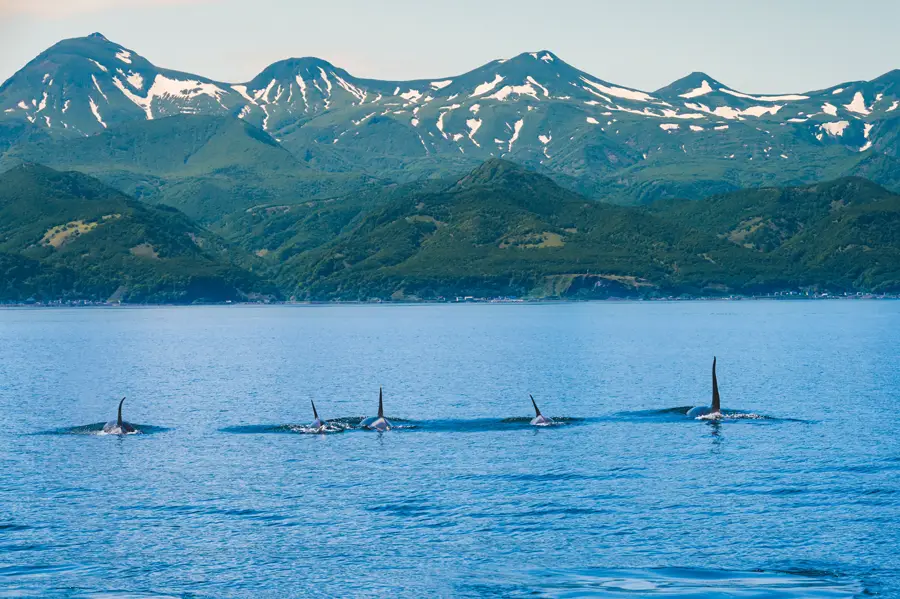
It’s not just the bears we're on the lookout for; these waters are also home to an abundance of marine life. We enjoy cetacean-watching boat trips in the hope of encountering a variety of species – including orca, fin whale and Dall's porpoise – in addition to Pacific white-sided dolphins and a host of pelagic birds.
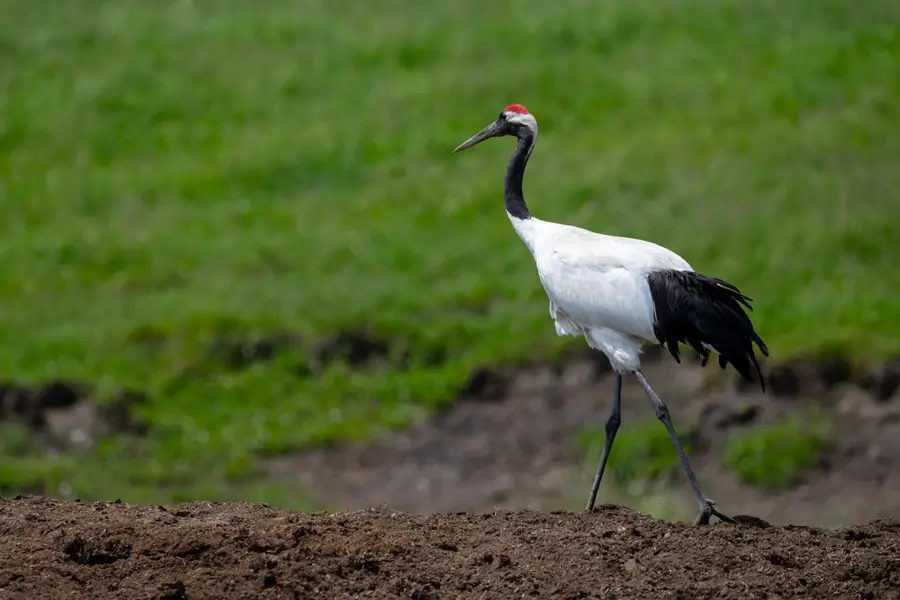
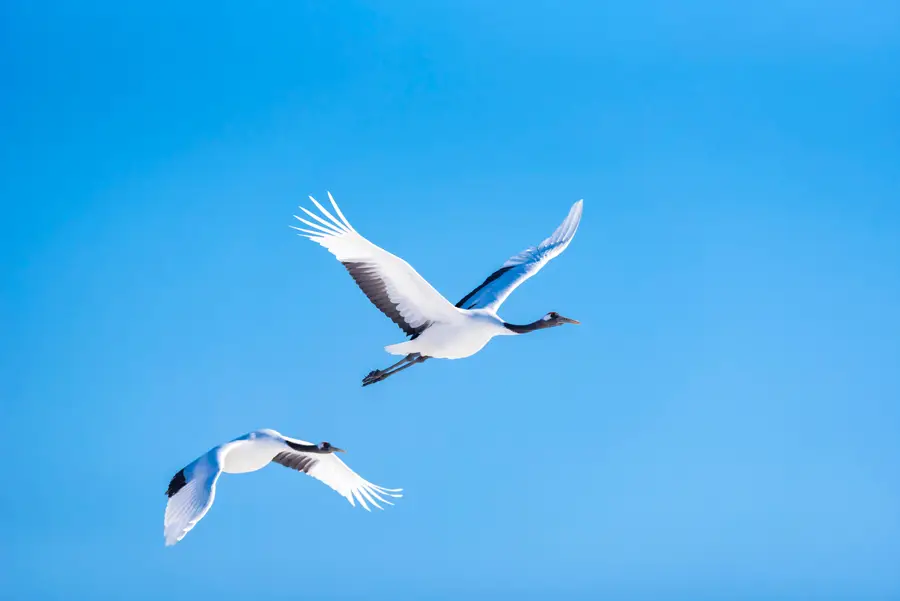
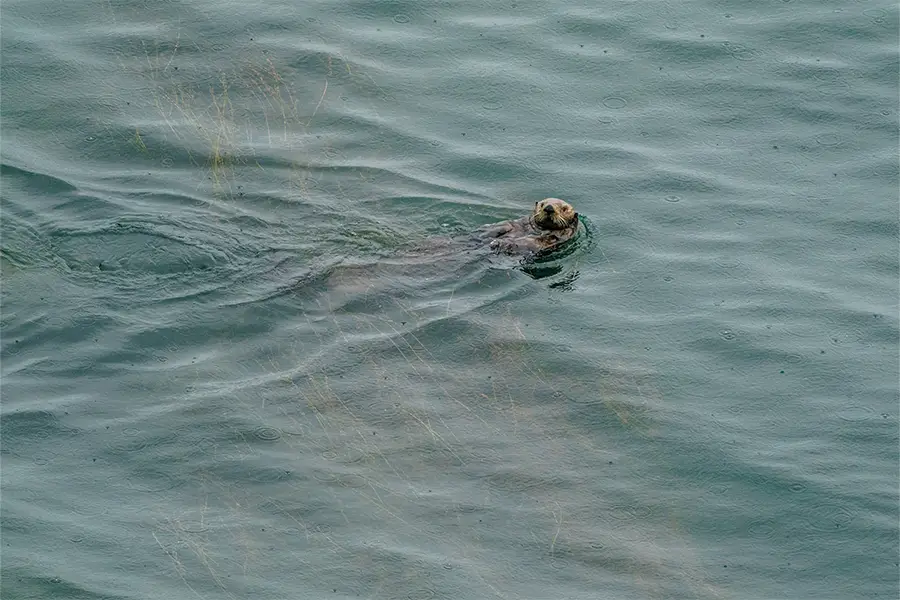
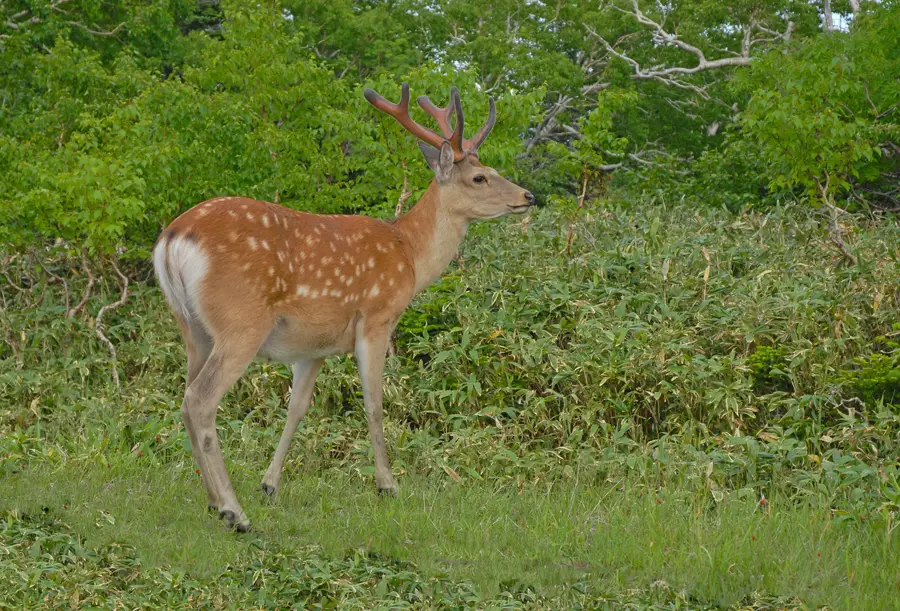
Later in the itinerary, we continue down the east coast of Hokkaido to experience more of its pristine wilderness and wildlife. There are opportunities to witness cherry salmon jumping as they migrate upstream, visit the active Mount Io, view sea otters, Ezo deer, Japanese cranes, spotted seals, and a plethora of avian species – including red-crowned crane and white-tailed eagle – showcasing the diversity found on Japan’s wildest island.
Typical Itinerary
-
Day 1:
Depart UK & fly to Japan
This morning, we depart the UK on overnight flights to Japan.
-
Day 2:
Arrive in Hokkaido & transfer to Utoro
Today we connect with our onward domestic flight from Tokyo to Hokkaido.
We land at Memanbetsu in the afternoon, where we're met on arrival and transferred to the town of Utoro on the western side of the Shiretoko Peninsula. En route, we make a stop at Lake Tofutsu. Known for its excellent birding, we hope to observe some of our first wildlife here, with eastern curlew, red-crowned crane and black kite all possible, among many other species.
Accommodation: Kiki Shiretoko Natural Resort, 4-nights
-
Day 3:
Cetacean Cruise & Brown Bear Cruise from Rausu
This morning, after breakfast, we transfer across the scenic Shiretoko Pass to Rausu, on the eastern side of the peninsula, where we board our first boat cruise of the itinerary. From here, we venture out into the Strait of Nemuro on the lookout for the array of cetaceans that frequent these waters. Our main focus is orca, and with 200 or so visiting a relatively small area, we have an excellent chance of enjoying close-up views. If we’re lucky, we might be able to observe various behaviours such as tail slapping and breaching, and these curious marine mammals often approach vessels and even swim underneath. Though wildlife can never be guaranteed, we visit at a time of year when the chance of orca sightings is approximately 95%.
Other species are also attracted to the waters off the Shiretoko Peninsula by the abundance of prey, and we could also find fin whale, Dall's and harbour porpoise, and even Baird’s beaked whale if we’re lucky, along with an array of seabirds.
In the afternoon, we embark on our second cruise of the day. This time, we sail along the eastern shore of Shiretoko and enjoy the ever-changing coastline. Along the way, we scan the shore for wildlife, searching in particular for brown bears, which, during the summer months, are best encountered scouring the peninsula's stony beaches in search of food.
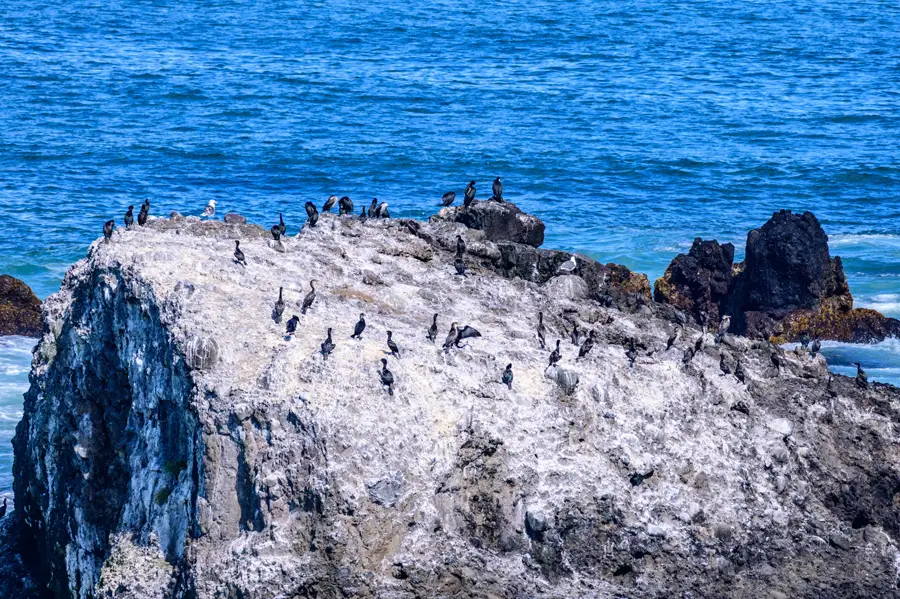
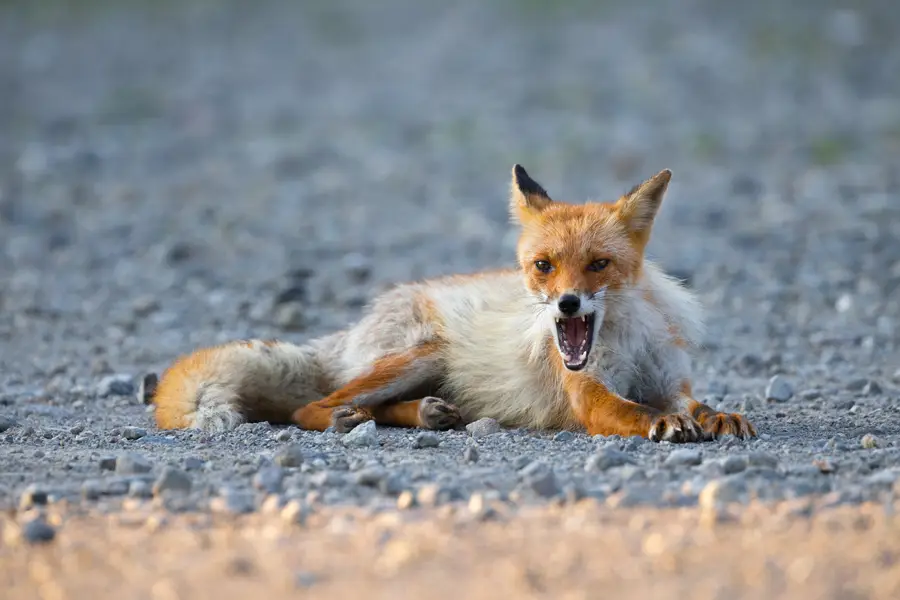
As well as brown bears, we keep our eyes peeled for some of Hokkaido’s other coastal wildlife, including Ezo red foxes scavenging the shores, as well as rhinoceros auklet, white-tailed eagle, Japanese cormorant and many other bird species.
-
Day 4:
Furepe Waterfall & Shiretoko Goko Lakes
This morning, we take a short drive to a walking trail that takes us to the Furepe Waterfall. This walk is gentle, though there might be uneven sections along the way, but we take it at a slow pace to maximise our chances of spotting wildlife.
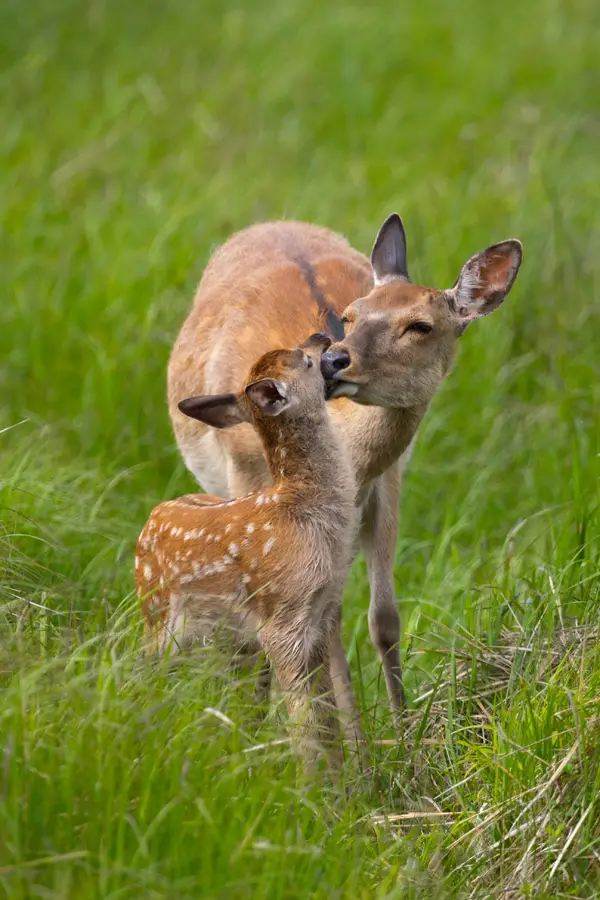
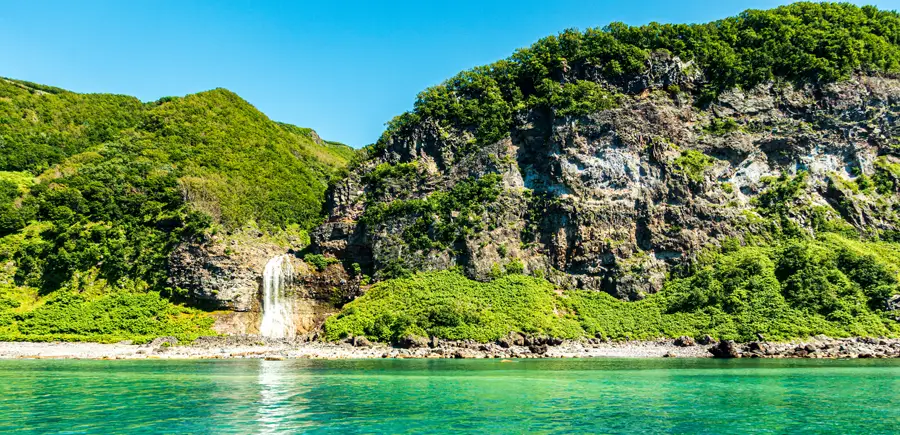
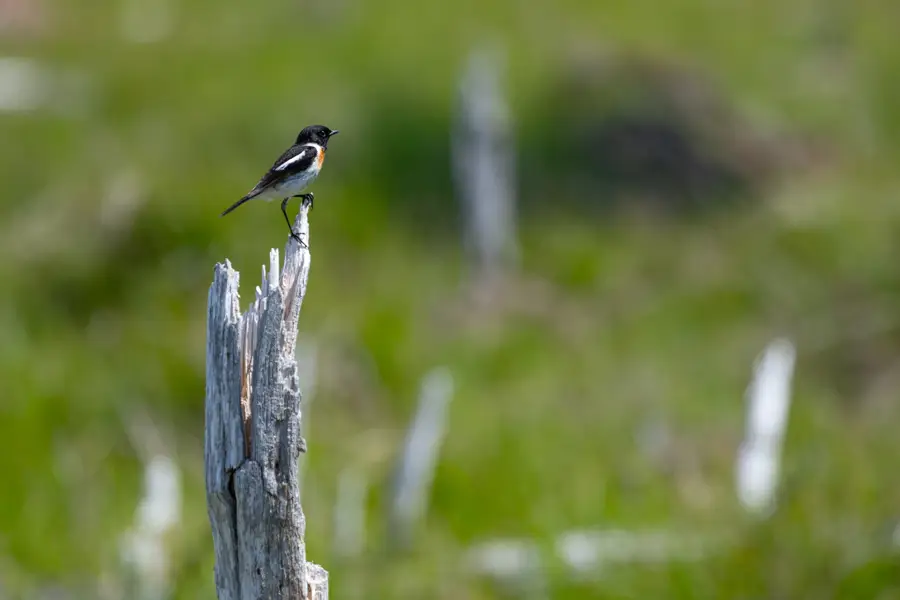
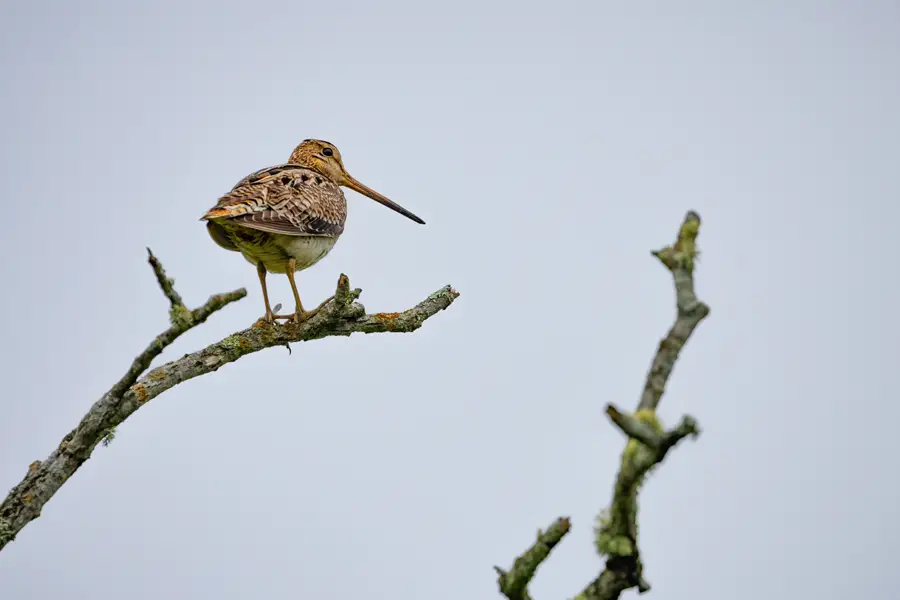
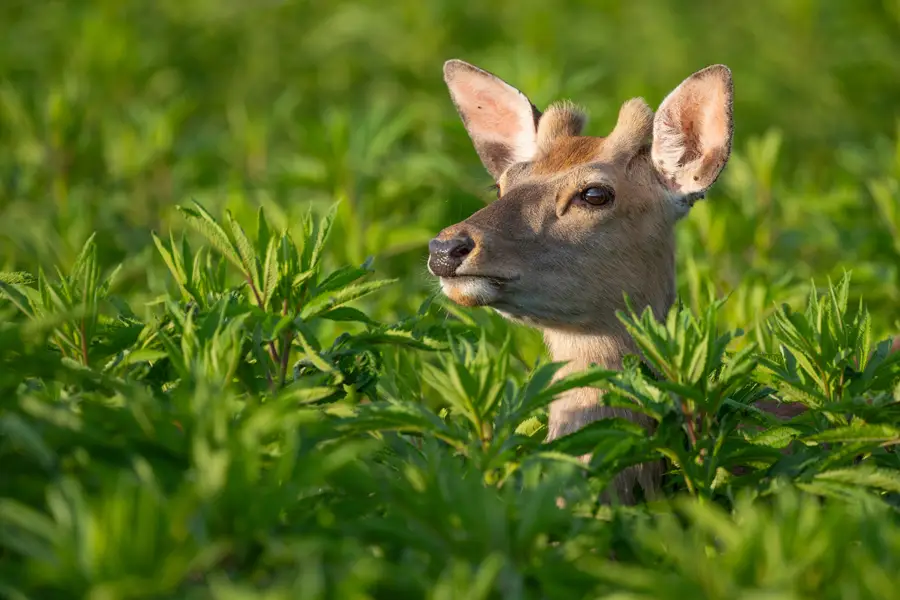
Starting in forest and transitioning to grassland, we follow the trail until we reach the cliff where the Furepe Waterfall descends almost 100 metres into the Sea of Okhotsk. Along the way, we have a chance of encountering Ezo sika deer, including mothers and fawns, as well as some wonderful birdlife, with species such as Latham’s snipe, African stonechat and Pacific swift all possible.
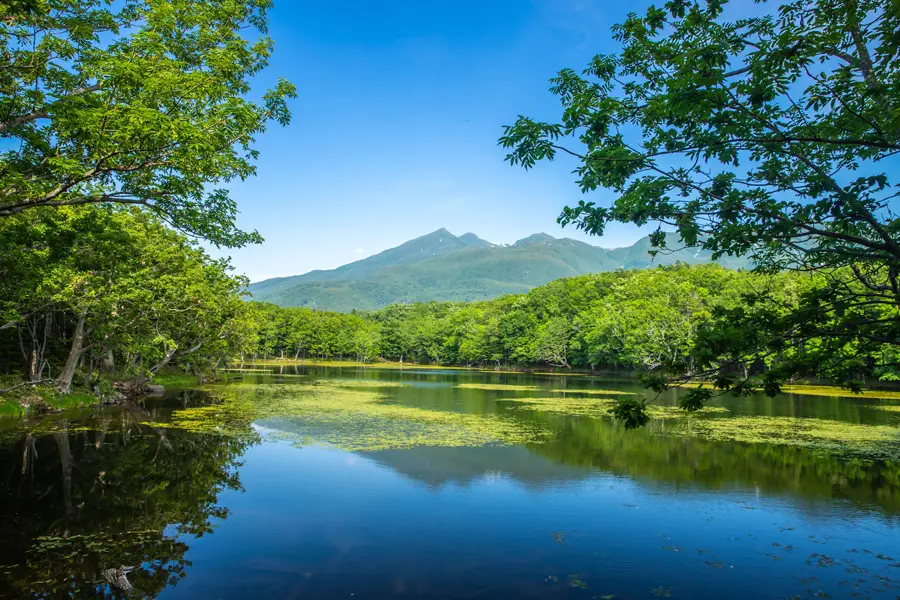
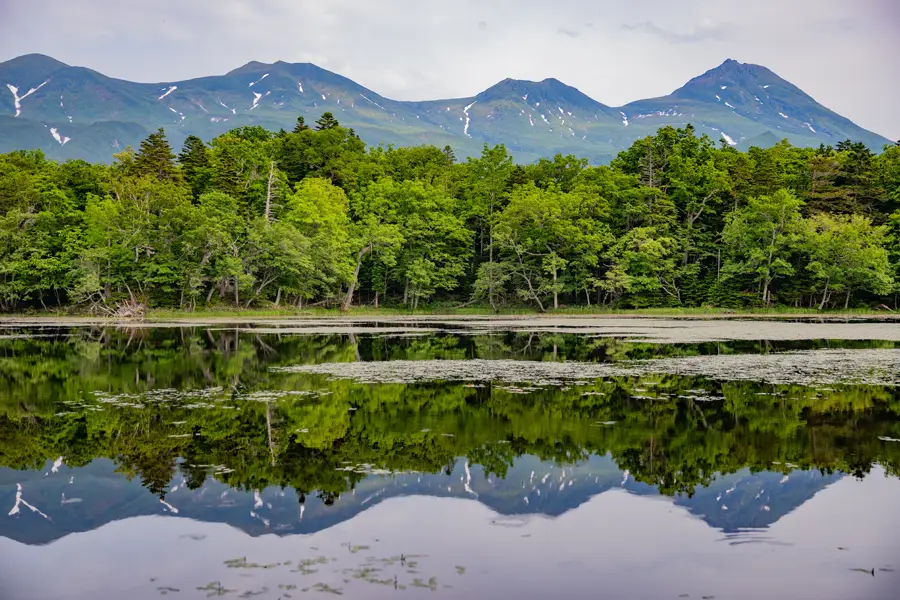
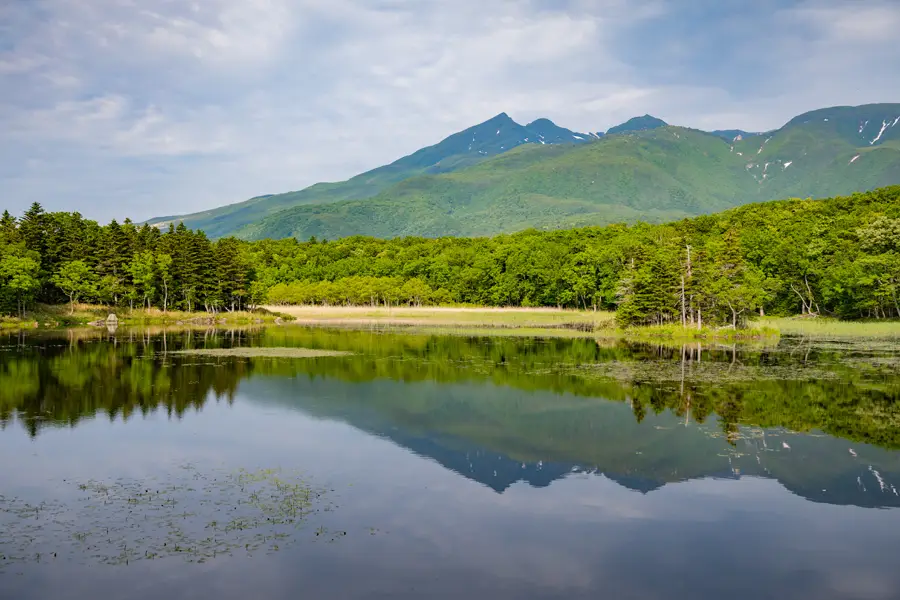
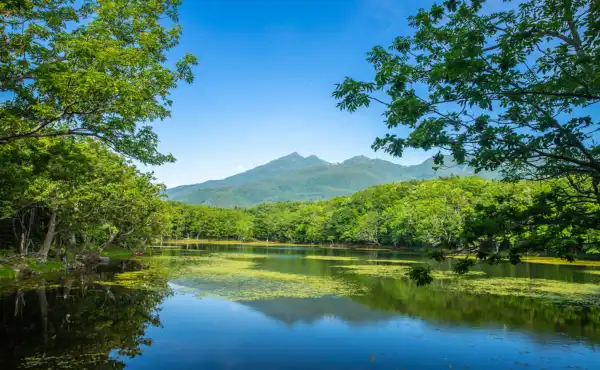
In the afternoon, we enjoy a guided visit to Shiretoko Goko Lakes, one of the peninsula's most scenic locations. This series of five small lakes formed centuries ago by an eruption from the nearby Mount Io and is fed by springs deep underground. The Shiretoko Goko Lakes simultaneously highlight the volcanic history of this region and showcase the stunning scenery of the peninsula. If the weather is in our favour, we can enjoy some wonderful mountain vistas reflecting in the still water of the lakes.
-
Day 5:
Cetacean Cruise & Primeval Forests of Shiretoko
This morning, we head back to Rausu, where we enjoy our second orca-watching cruise of the itinerary. This excursion offers us a second chance to experience some unforgettable encounters with orca in the Strait of Nemuro, all with the backdrop of the spectacular mountains of the Shiretoko Peninsula.
In the afternoon, we enjoy another guided walk, this time focusing on the verdant primeval forest of Shiretoko. Accompanied by a knowledgeable local guide, we learn more about the flora and fauna of this unique destination. On this walk, we hope to encounter wildlife such as red fox, Ezo sika deer, Ezo red squirrel and a variety of birds, including black and Japanese pygmy woodpeckers. It also isn’t uncommon to see brown bear on this, or indeed any, of our walks in Shiretoko, though we’d have to be lucky.
This evening, we head out on a night drive along the roads in the Shiretoko National Park searching for some of the nocturnal wildlife. On this drive, we should see plenty of Ezo sika deer and Ezo red fox, among others, and we also hope to encounter the weird but enamouring Japanese raccoon dog.
-
Day 6:
Brown Bear Cruise, Sakura Waterfall, Mount Io & transfer to Nakashibetsu
This morning, we make our way to the pier at Utoro for another boat excursion in search of brown bears. The plan for this cruise is to navigate the western coastline of the Shiretoko Peninsula until we reach the cape at its tip, providing us with further chances to observe brown bears as they wander the beaches, rocky coves and forest fringes in search of food. Other wildlife we hope to see on this cruise include a colony of spectacled guillemot, a rare species in Japan, large flocks of short-tailed shearwater and hopefully even Pacific white-sided dolphins.
After lunch in Utoro, we start journeying south-west, making stops at Sakura Waterfall, where we witness cherry salmon attempting to jump up the 3m high torrents, and Mount Io, a rugged, active volcano that has formed stunning yellow sulphur deposits and releases boiling water from the surrounding rocks.
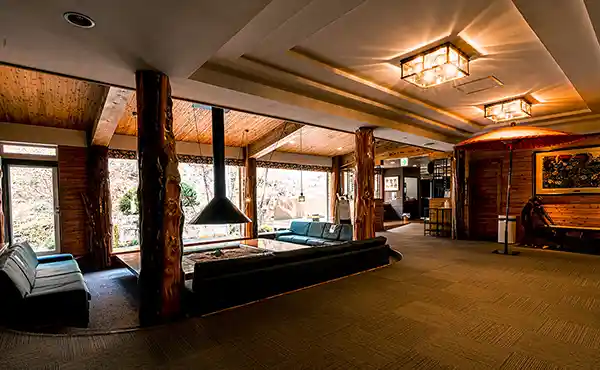
We then continue to Nakashibetsu and our next hotel, where we overnight. This evening, we can enjoy the hotel’s dedicated viewing lobby that overlooks a patch of river. Here, we may see a variety of bird species, and if we’re extremely lucky, we may observe Blakiston's fish owl.
Accommodation: Yuyado Daiichi, 1-night
-
Day 7:
Notsuke Peninsula & Shunkunitai
To start the day, we transfer further down the east coast of Hokkaido to the pier at Bekkai-cho Odaito. From here, we board our vessel for a boat trip to the Notsuke Peninsula.
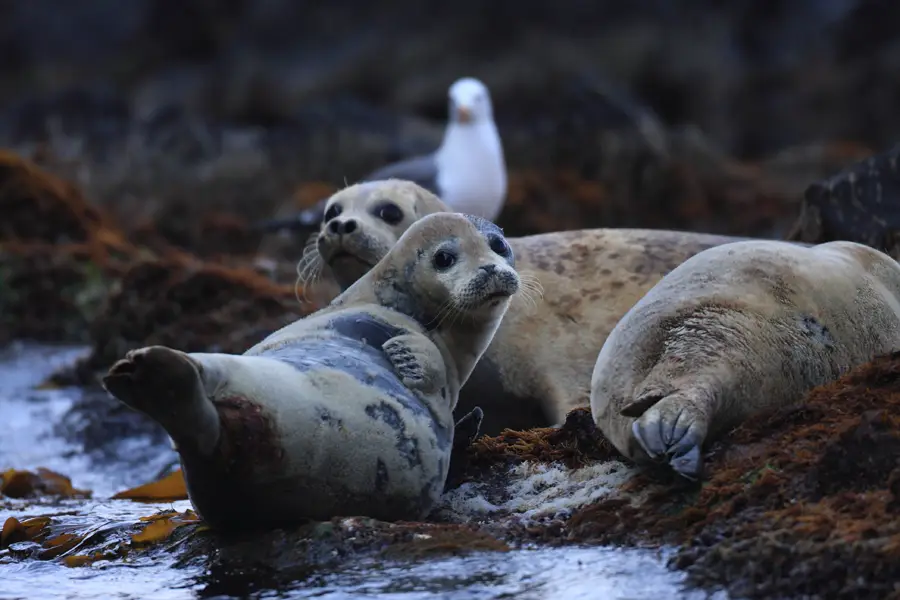
During the boat trip, we navigate the coastline of the peninsula and the sheltered bay which it protects. Approximately, 70% of the bay is covered by a forest of the aquatic plant eelgrass, and is a haven for crustaceans, which in turn attracts pinnipeds to these calm waters, and we particularly hope to see spotted seal, a summer migrant to the peninsula. The peninsula is also a renowned birdwatching location, and we hope to enjoy encounters with a variety of species.
Back on land, we transfer to Shunkunitai, a Ramsar-listed wetland on the eastern side of Lake Furen, where we walk its network of boardwalks in search of its fantastic birdlife. White-tailed eagles are the highlight here, as they congregate on the beach and scavenge along the coastline. Ezo red foxes are often seen searching among them, and Eurasian skylark, Japanese cormorant and black kite are also possible sightings.
Afterwards, we transfer to our accommodation in the town of Hamanaka, near Cape Kiritappu.
Accommodation: Workman House Hamanaka, 1-night
-
Day 8:
Explore Kiritappu & Kushiro-shitsugen National Park
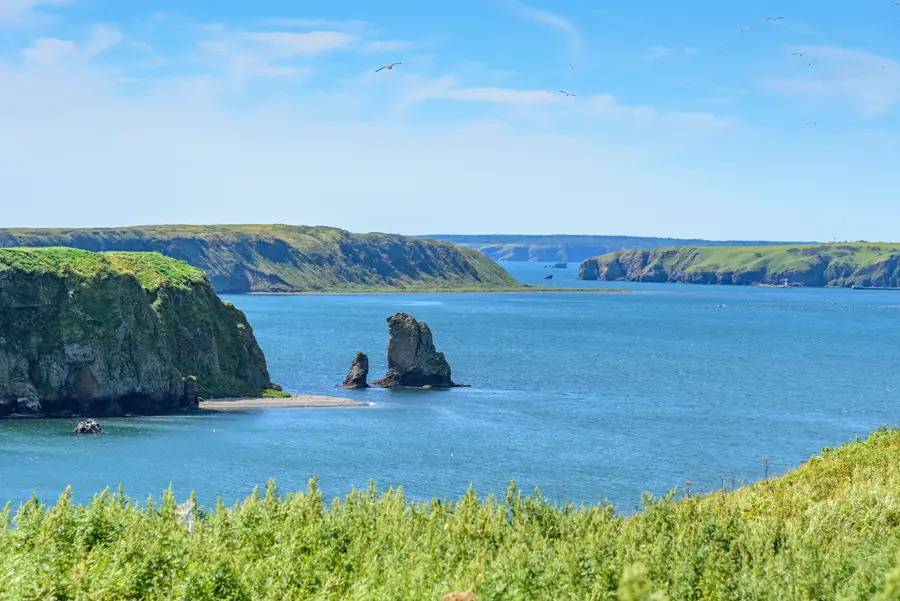
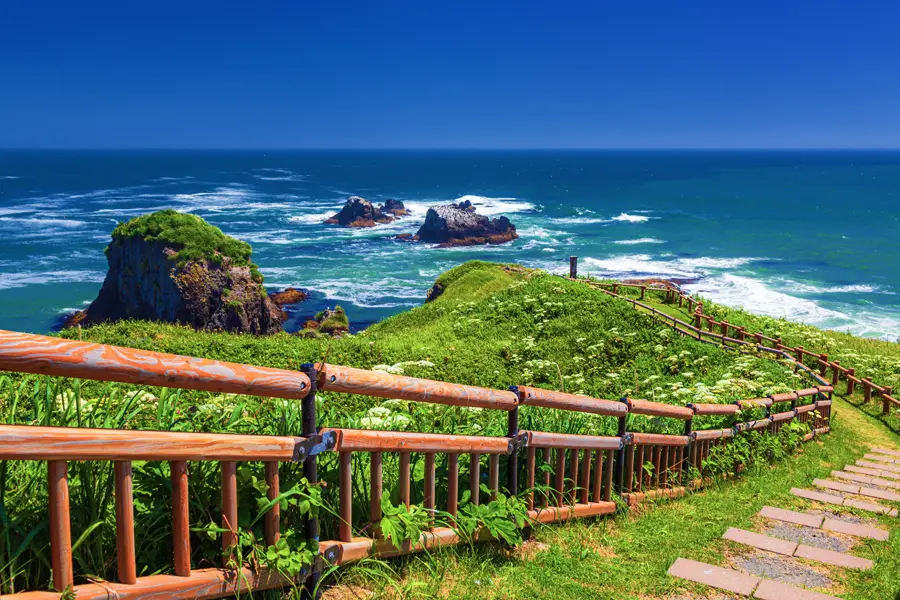
For our last full day in Hokkaido, we begin by exploring the picturesque Cape Kiritappu on Hokkaido's eastern seaboard. In addition to the scenic views, we should also enjoy views of sea otters, seals and seabirds as we walk along the trails on this headland.
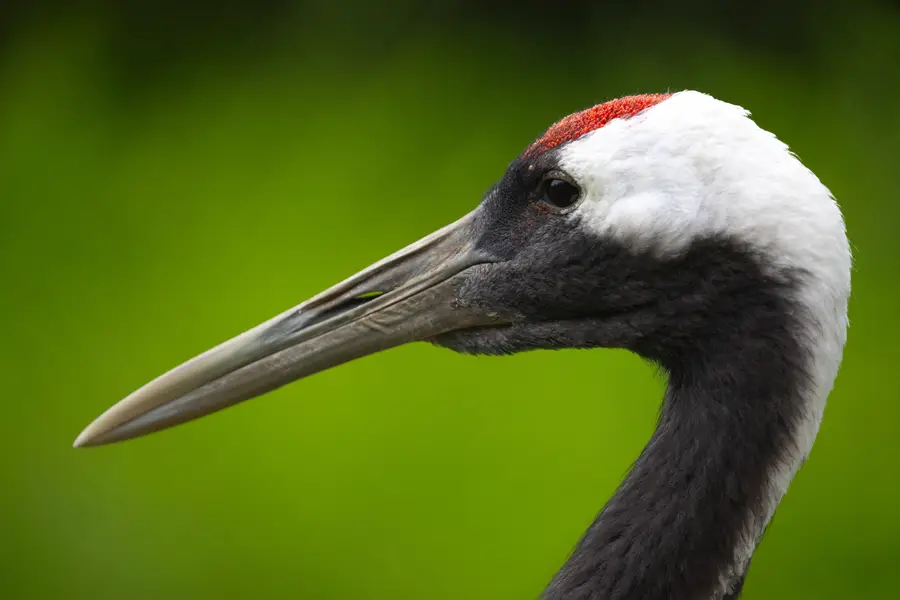
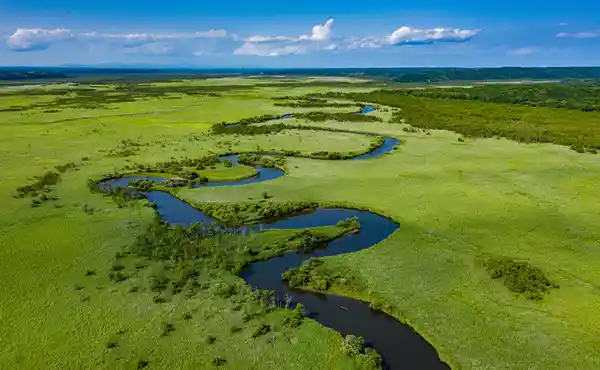
Afterwards, we transfer to the Kushiro-shitsugen National Park. Through a combination of driving and walking, we explore these famous marshes, enjoying the variety of habitats and wildlife. During our time here, we hope for encounters with red-crowned crane, especially couples with chicks (which is a possibility at this time of year), as well as a variety of other birdlife, including Latham’s snipe, Japanese bush warbler, white-cheeked starling and grey wagtail, among many others.
After our time in the marshes, we head to our accommodation in the city of Kushiro.
Accommodation: ANA Crowne Plaza Kushiro, 1-night
-
Day 9:
Departure
Today's free to spend as we wish, either exploring Kushiro or visiting the Kushiro Tancho Nature Park to learn about its work rescuing and rehabilitating red-crowned cranes.
It’s then time to depart and transfer to the airport for our flights home, or any other onward travel arrangements.
-
Day 10:
Arrive in UK
Please note: We have multiple boat tours on this itinerary as they're the best way to explore the wildlife of Hokkaido’s coastal regions. We hope for these to occur as shown in this itinerary, but the trips are dependent on the weather and sea conditions on the day, as are the wildlife sightings we hope to have.
You may wish to extend your time in Japan and experience more of the country’s fascinating history, culture and stunning landscapes. If you do, please contact your travel consultant to discuss what options would suit your requirements.