Staying in traditional ger camps and exploring some of Mongolia’s remote mountain ranges, we hope to encounter both snow leopard and Pallas’s cat on this small group wildlife adventure.
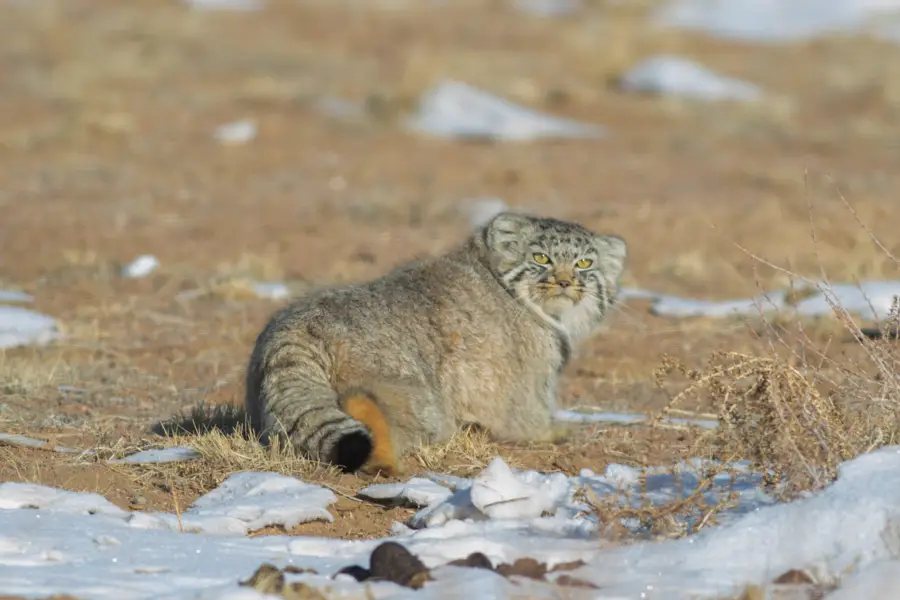
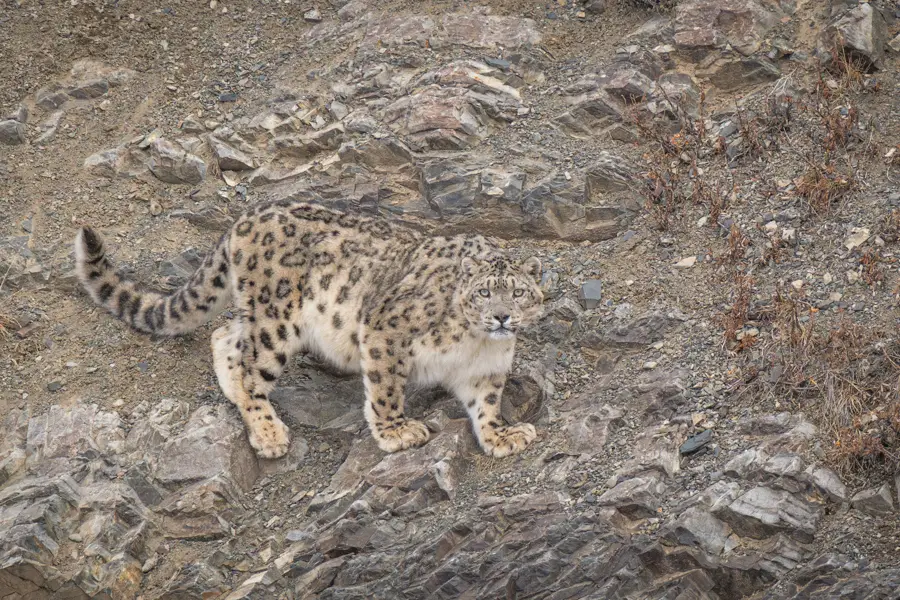
Mongolia is a country famed for its expansive landscapes and rugged mountains. A land of staggering contrasts, its vast wilderness areas support some of the world’s most elusive and fascinating species, including the snow leopard (known as the ghost of the mountains) and the rather grumpy-looking Pallas’s cat. On this itinerary, we focus on these two speciality felids in one of the world’s most spectacular destinations. In Mongolia’s north-west, this expedition offers opportunities to observe both snow leopard and Pallas’s cat in the wild.
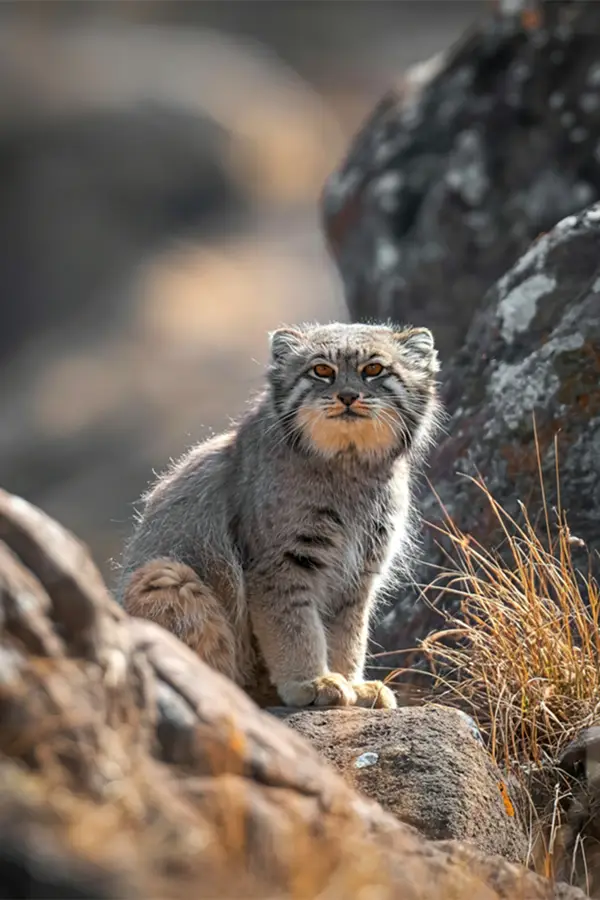
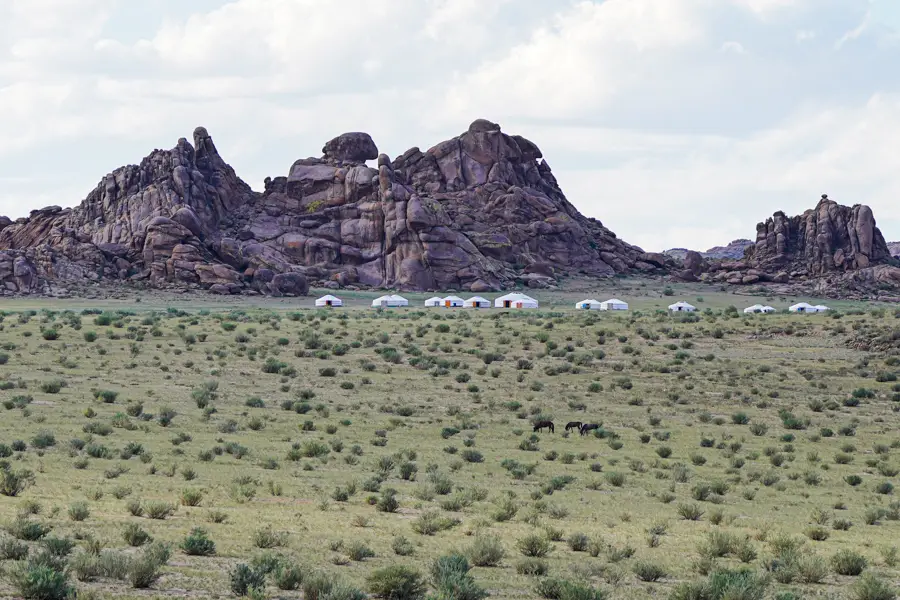
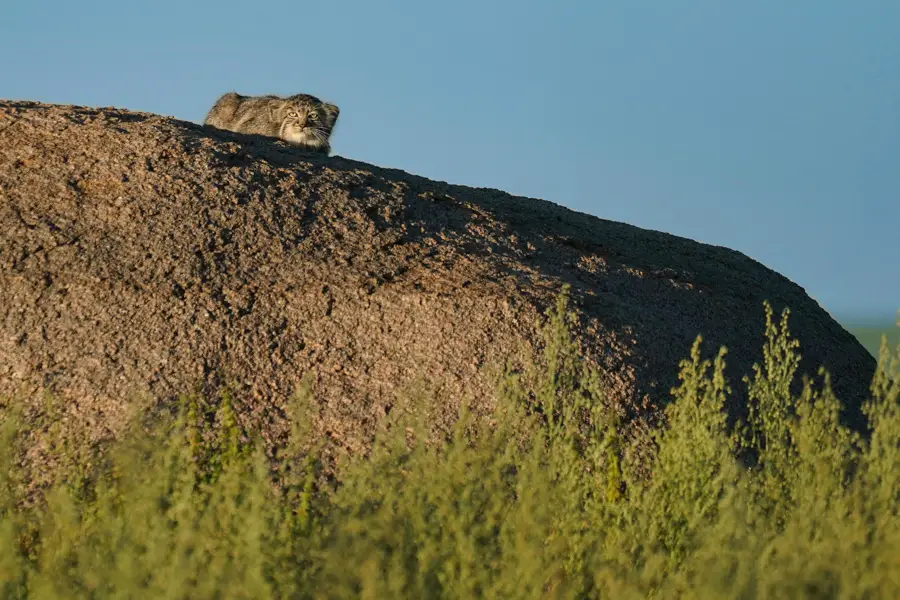
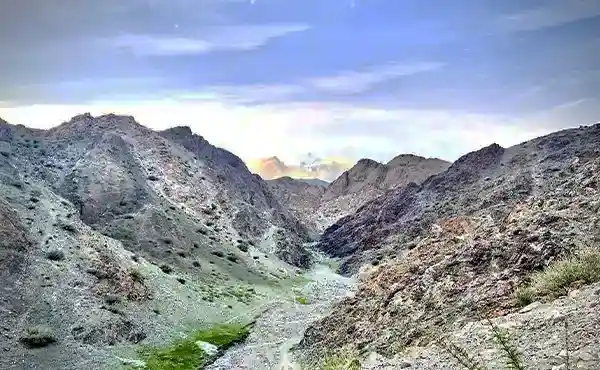
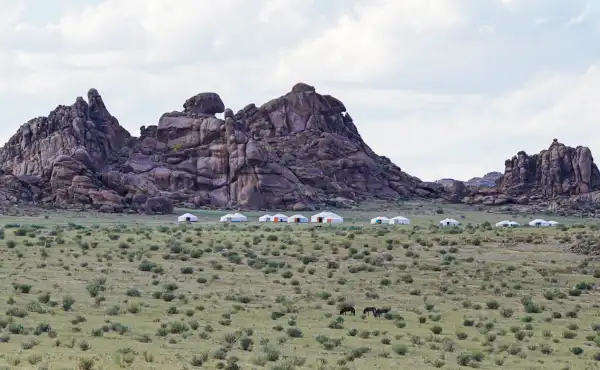
Our first port of call are the Margaz Mountains, a remote desert landscape with rocky peaks that are home to the rather odd, yet charming, Pallas’s cat. Staying in a ger camp, we're in the heart of the wilderness which, in turn, offers us the very best chance to find this remarkable species. While searching for our target, there are opportunities to enjoy the resident birdlife and other mammals that call the region home.
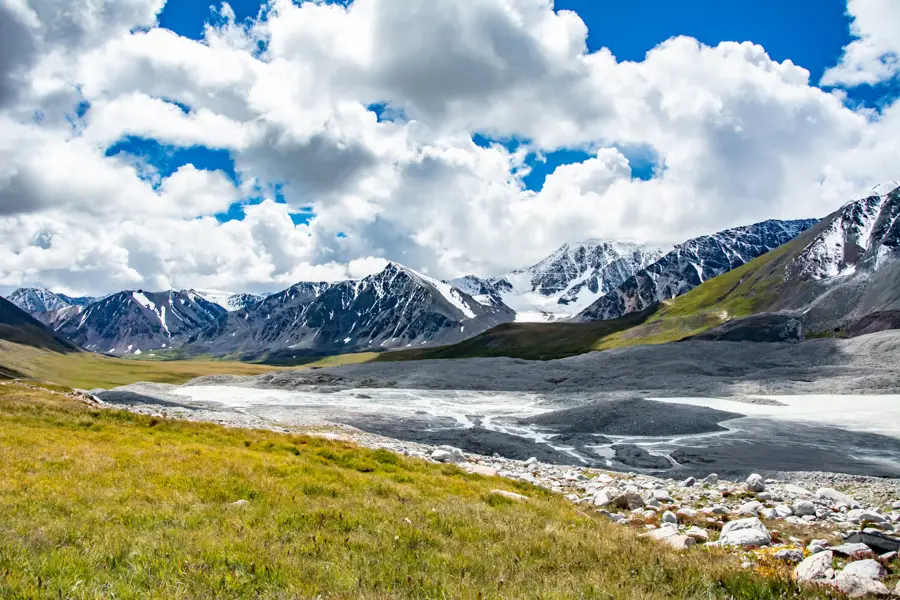
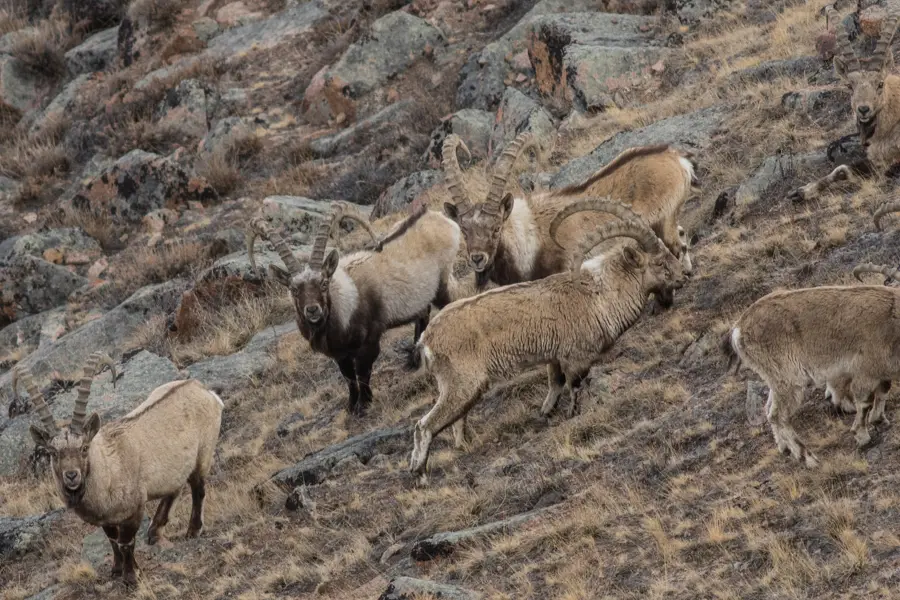
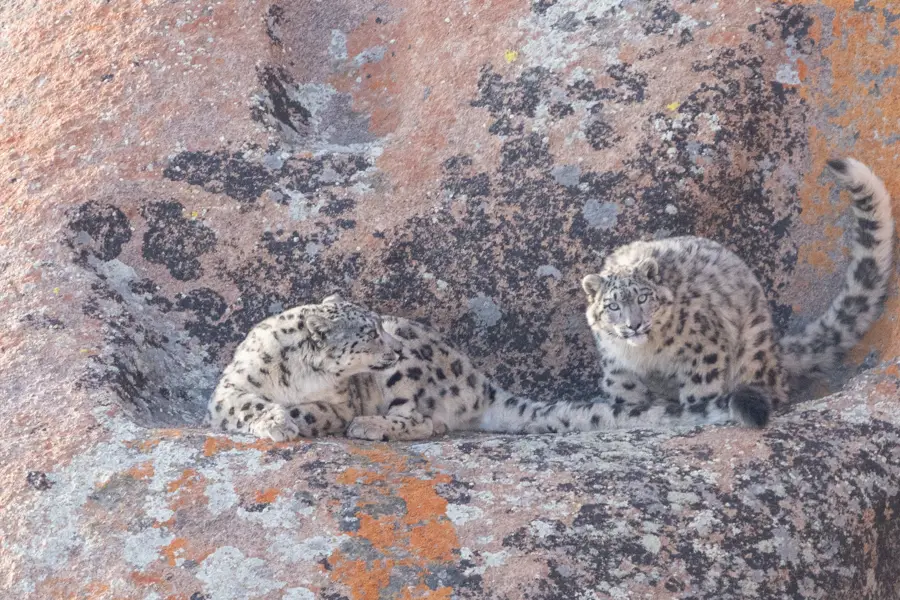
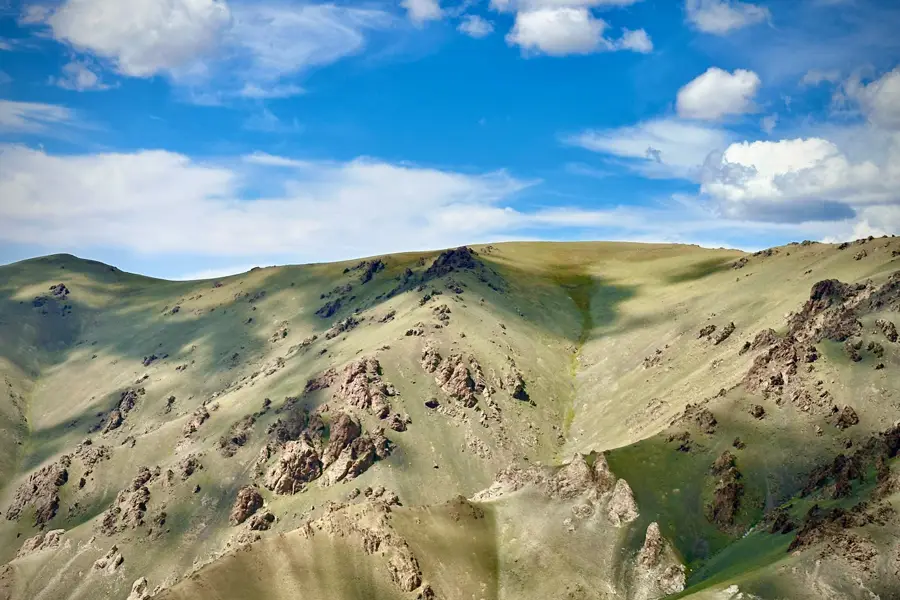
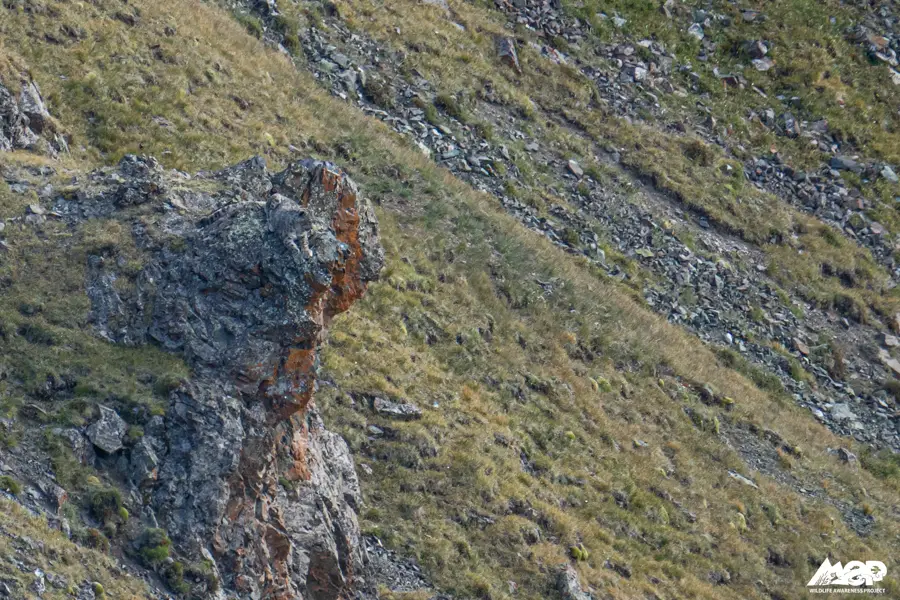
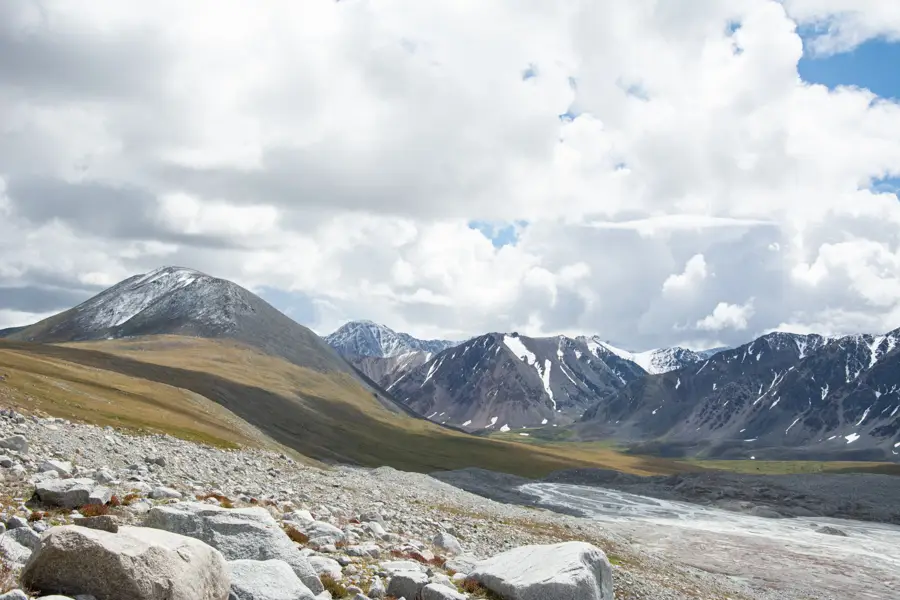
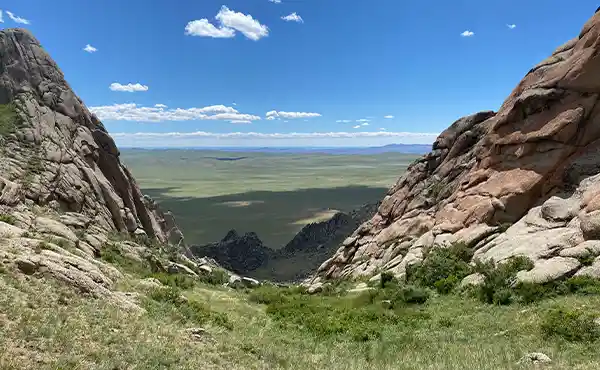
On the border of Russia, China and Mongolia lie the Altai Mountains. These towering peaks rise up out of the surrounding steppe, providing an entirely different habitat in which we hope to find our second target species – the snow leopard. Once again, we maximise our time in the field by staying in a ger camp, hoping to catch a glimpse of these elusive big cats. The area has gained a reputation as one of Asia’s most reliable locations for snow leopard. With our expert local team on hand, we hope to enjoy clear views of snow leopard, along with a host of raptors, other birds, and mammals, such as Siberian ibex and corsac fox.
Typical Itinerary
-
Day 1:
Depart UK & fly to Mongolia
Today, we depart the UK on overnight flights to Ulaanbaatar, Mongolia’s capital city.
-
Day 2:
Arrive in Ulaanbaatar
On arrival in Ulaanbaatar, we're met and transferred to our accommodation, where we have some time to freshen up.
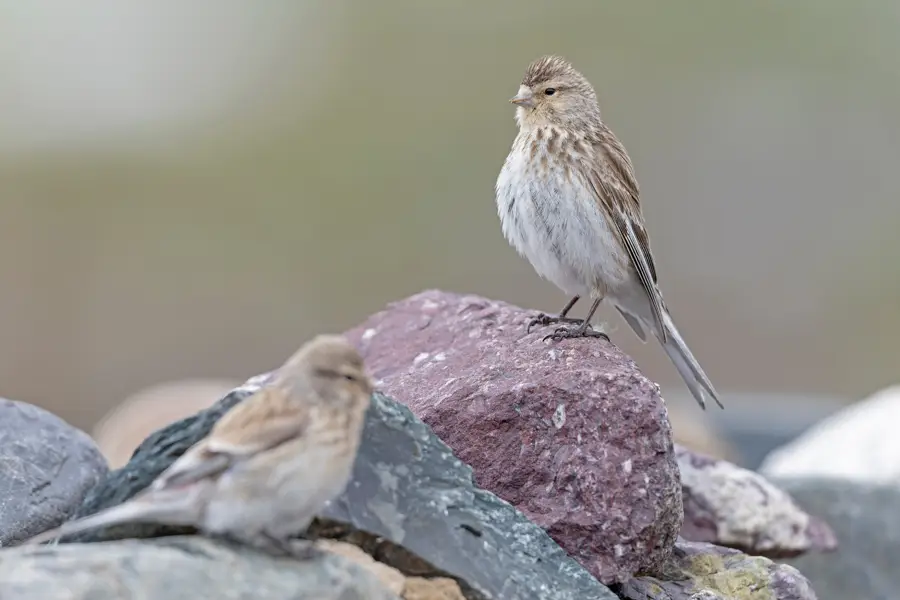
For those that would like to, later in the day, we head to the Tuul River on the outskirts of the city. The willow-lined banks, pools and even old gravel pits of the river support a surprising amount of birdlife. We hope to see azure tit, azure-winged magpie, demoiselle crane, penduline tit and long-tailed rosefinch, among many others.
Accommodation: 3* Hotel in Ulaanbaatar, 1-night
-
Day 3:
Fly to Ulaangom & visit Uvs Lake
This morning, we head back to the airport and catch a domestic flight to the city of Ulaangom, situated in Mongolia's north-west.
After arriving in Ulaangom, we drive to the nearby Uvs Lake. A UNESCO World Heritage Site, this huge body of water is Mongolia's largest saline lake and provides a refuge for a number of wetland birds, including a colony of relict gulls.
Following a busy day enjoying this natural wonder and the wildlife that calls the area home, we head back to Ulaangom and have some time to unwind in our comfortable hotel.
Accommodation: 3* Hotel in Ulaangom, 1-night
-
Day 4:
Drive to the Margaz Mountains
To start the day, we have a birding excursion to search for the critically endangered yellow-breasted bunting, before beginning our transfer to the Margaz Mountains.
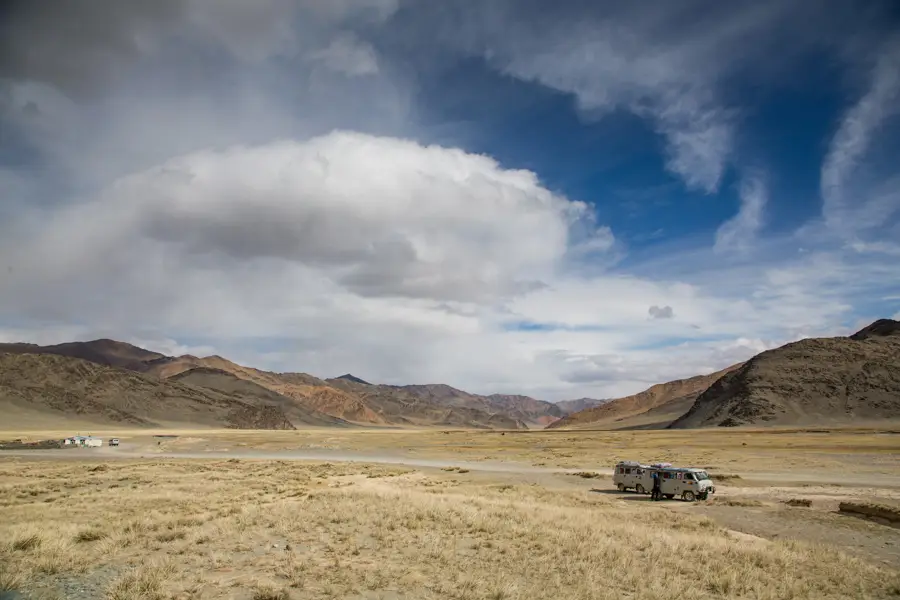
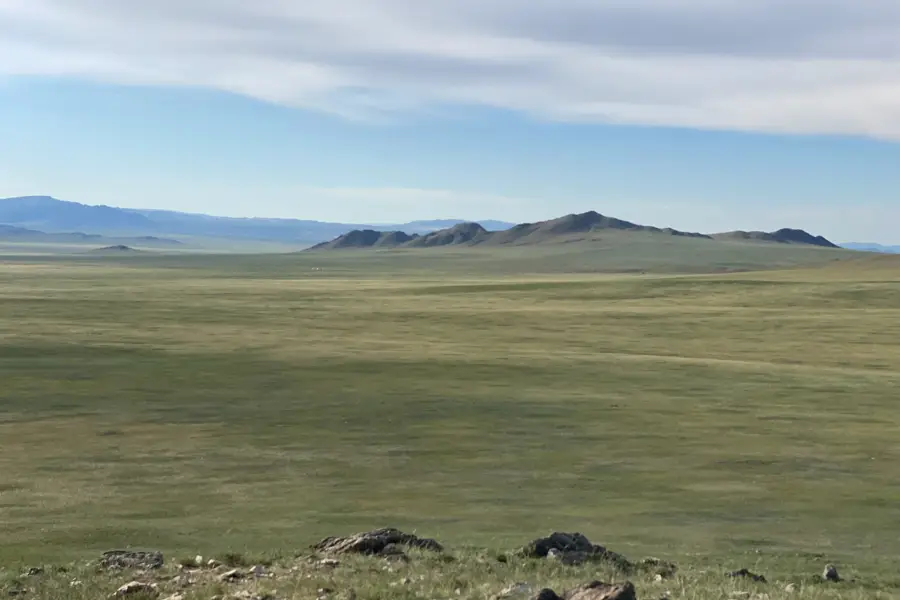
Heading south-west out of Ulaangom, we travel across the vast desert steppe before arriving at the rocky outcrops of the Margaz Mountains that erupt out of the open plains. We arrive at our first ger camp in the afternoon.
Accommodation: Margaz Mountains Ger Camp, 4-nights
-
Days 5-7
:
Searching for wildlife in the Margaz Mountains
Over the next few days, we explore the area around Bayan Lake and the Margaz Mountains in search of the region's exceptional wildlife. The area around the lake is a draw for Asian dowitcher, and it's not uncommon to find Pallas's fish eagle too. There is, in fact, a chance to see a host of exceptional birds here such as white-winged scoter, white-winged tern and oriental plover.
In the mountains and surrounding plains, we can expect an entirely different cast of birds alongside a host of mammals. Avian highlights hopefully include Pallas's sandgrouse, Asian desert warbler, Pere David's Snowfinch and Mongolian accentor. For those with a passion for mammals, the area is equally rewarding. We hope to find specialities such as long-eared hedgehog, Mongolian mountain vole, steppe polecat, Corsac fox and Pallas's cat.
It's the Pallas's cat that's the primary focus during our time in the Margaz Mountains. These often grumpy looking, yet endearing cats are masters of this hostile terrain. Their camouflage and elusiveness means we need to have patience when looking for these felids, and sightings could be at a distance. Working with our expert guides, we endeavour to enjoy the best views we can of these stunning cats.
-
Day 8:
Transfer to Khomyn Tal National Park
After a fabulous few days exploring the Margaz Mountains, we hit the road again in the morning and drive for between four and five hours to Khomyn Tal National Park.
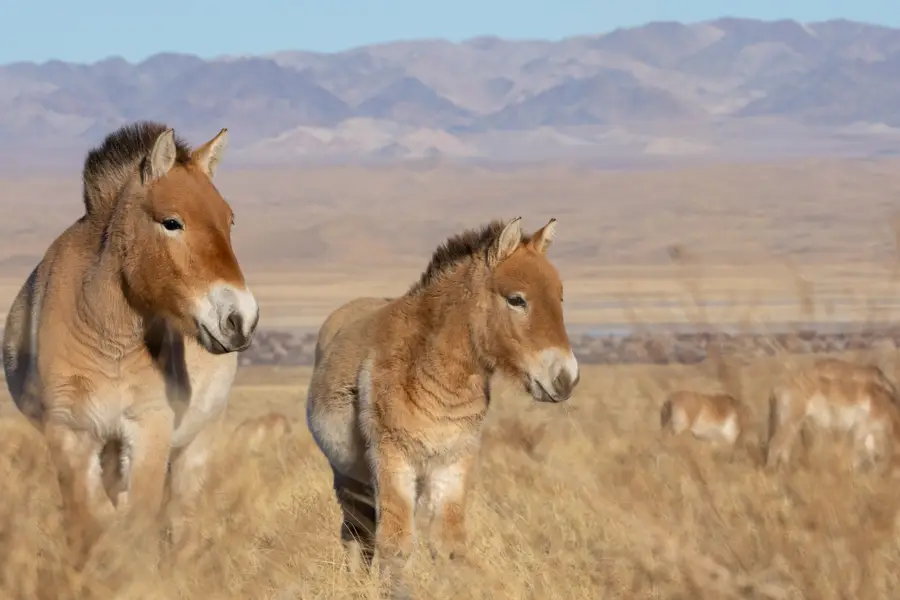
Upon arrival at the park, we search for the Przewalski’s horse, or Takhi as they are known locally. With nearly 200 horses here, we have an excellent chance of seeing them in the stunning desert surrounds of this remote park. In addition to the wild horses, there are plenty of birdlife and other mammals to enjoy. There are also chances to see Mongolian gazelle, which is now starting to make a comeback in the park.
After our exploration of Khomyn Tal, we arrive at our next ger camp, where we spend the night.
Accommodation: Takhi Eco Camp, 1-night
-
Day 9:
Drive to Altai Mountains, visiting Har & Durgun Lakes
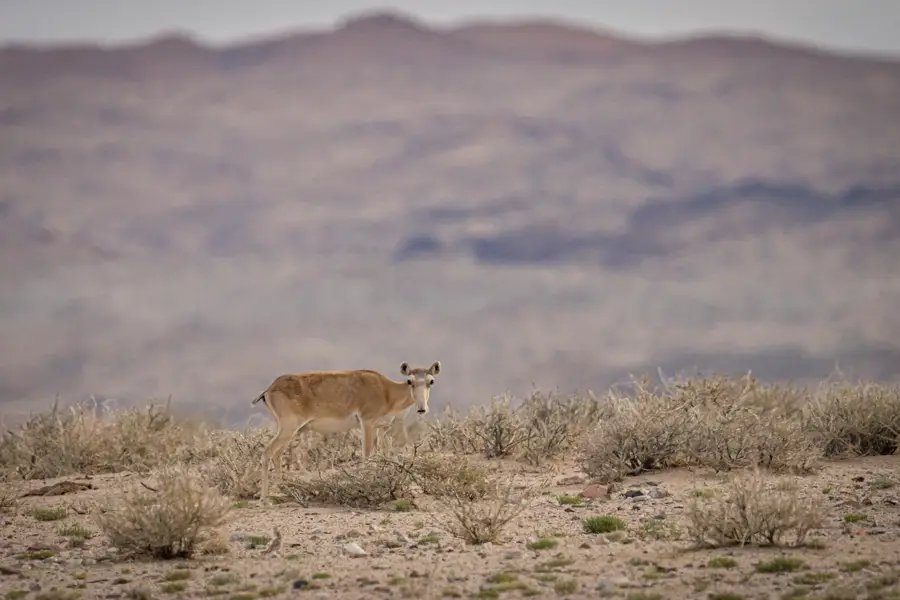
Travelling north-west, we journey across the Mongolian steppe to the Altai Mountains, keeping an eye out for saiga antelope on the arid plains. Along the way, we also stop at the Har and Durgun Lakes on the way for some birding.
Here we hope to find species including Pallas's grasshopper-warbler, desert wheatear, bearded tit, and demoiselle crane. We hope to arrive at our next ger camp sometime in the early evening.
Accommodation: Twin Leopards Ger Camp, 5-nights
-
Days 10-13
:
Searching for snow leopard in Altai Mountains
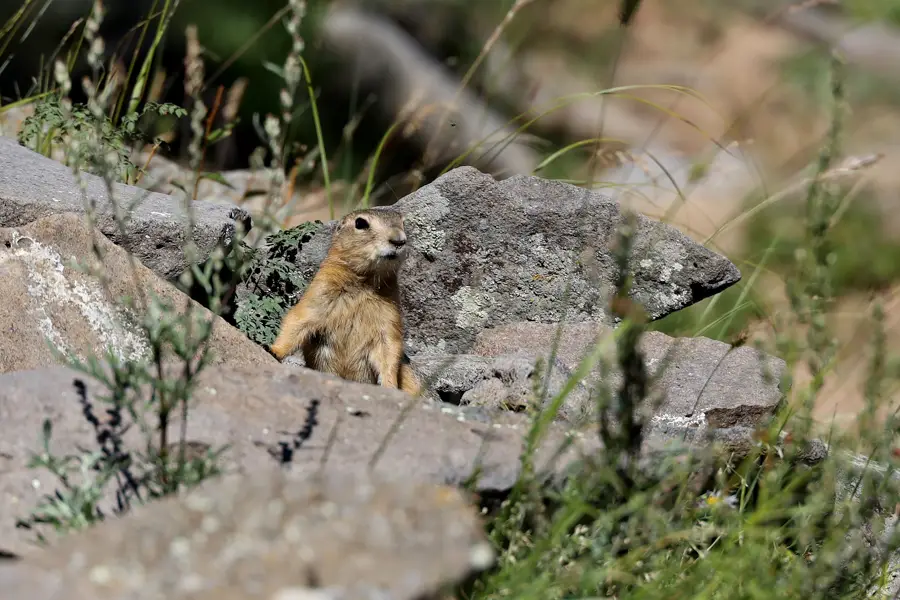
Having arrived in the foothills of the Altai Mountains, we have four full days to search for one of the world's most elusive cats - the snow leopard. These near-mystical big cats are masters of Asia's remote and rugged peaks, hunting prey such as Siberian ibex and Tarbagan marmot.
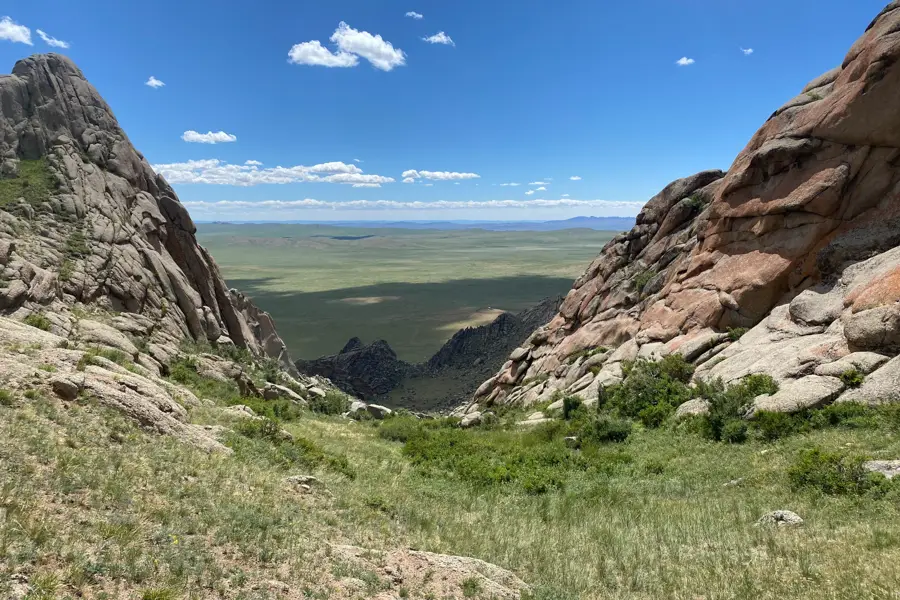
The mountains above the plains of the Great Lakes Depression has become one of the world's most reliable sites for views of snow leopard, and it's thought that the region has the highest density of snow leopards anywhere on Earth. The rugged terrain and steep rocky slopes provides the perfect habitat for these beautiful felids.
It's worth noting that our sightings of snow leopard are likely to be at a distance and through optics due to their elusive nature and the landscapes we are exploring, but any sightings we have will be memorable.
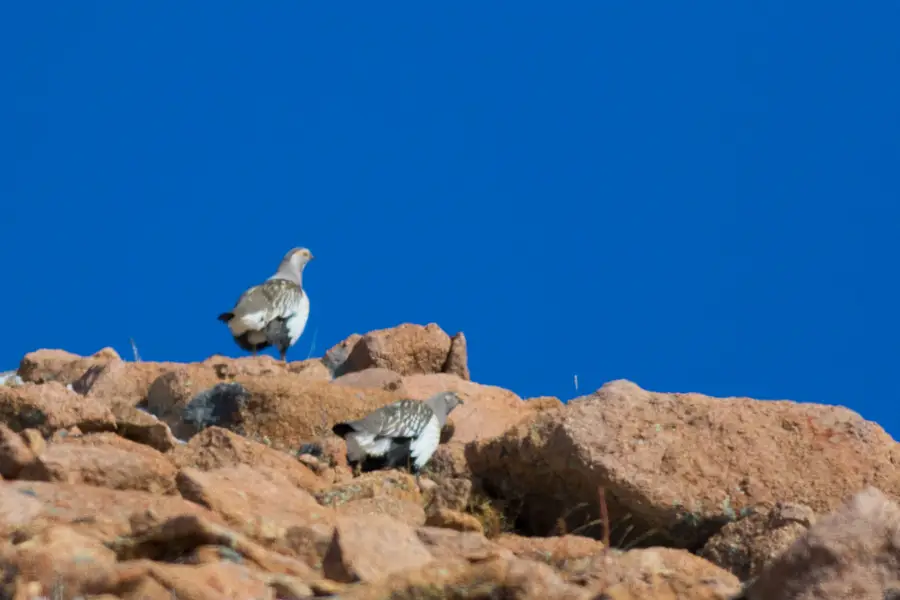
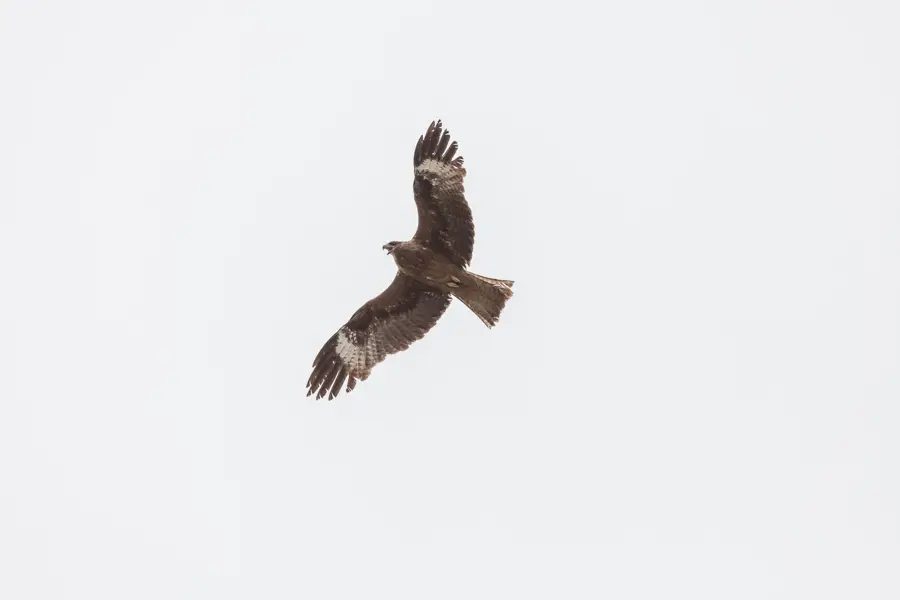
Often as we scan for snow leopard, we can enjoy views of numerous raptors, including steppe and golden eagles, plus Himalayan griffon, bearded and cinereous vultures and even saker falcon. A particularly sought-after bird species that's relatively common here is the Altai snowcock, and we endeavour to find some in between scanning for the ghost cats of the mountains.
-
Day 14:
Return to Ulaanbaatar
Having spent a magical few days in the Altai Mountains, this morning it's time to head back to Ulaangom.
From here, we fly back to Ulaanbaatar. In the afternoon, there's an opportunity to visit the Chinggis Khan National Museum, before it's time to head back to the hotel for our final night in Mongolia.
Accommodation: 3* Hotel in Ulaanbaatar, 1-night
-
Day 15:
Departure & arrive in the UK
This morning, we're transferred to the airport for our return international flights back to the UK, arriving the same day.