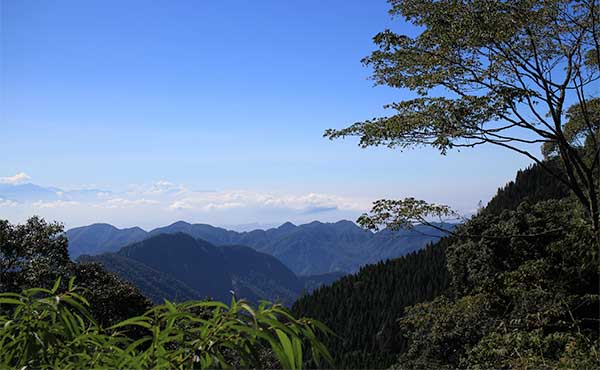
This tour visits Taiwan’s highlands, wetlands and northern coastal regions in search of its superb diversity of endemic species and endemic subspecies of birds, as well as winter migrants.
Taiwan is a wonderful place to visit for birdwatching on account of its excellent infrastructure and variety of habitats, all within easy travelling distance, combined with good food and comfortable accommodation. Amongst the interesting non-endemic species to see in winter, is the graceful and unusual black-faced spoonbill. In addition to its picturesque landscapes, Taiwan boasts friendly people, fascinating culture and a tasty cuisine.
Typical Itinerary
-
Day 1:
Depart UK
Depart the UK on an overnight flight to Taipei.
-
Day 2:
Arrive Taipei
We arrive in Taipei during the late afternoon and transfer to our hotel for the night. If there’s any daylight left we may get a chance for a quick visit to a city park as an introduction to the wildlife of Taiwan.
Accommodation: Gala Hotel, 1-night
-
Day 3:
Hualien & Taroko National Park
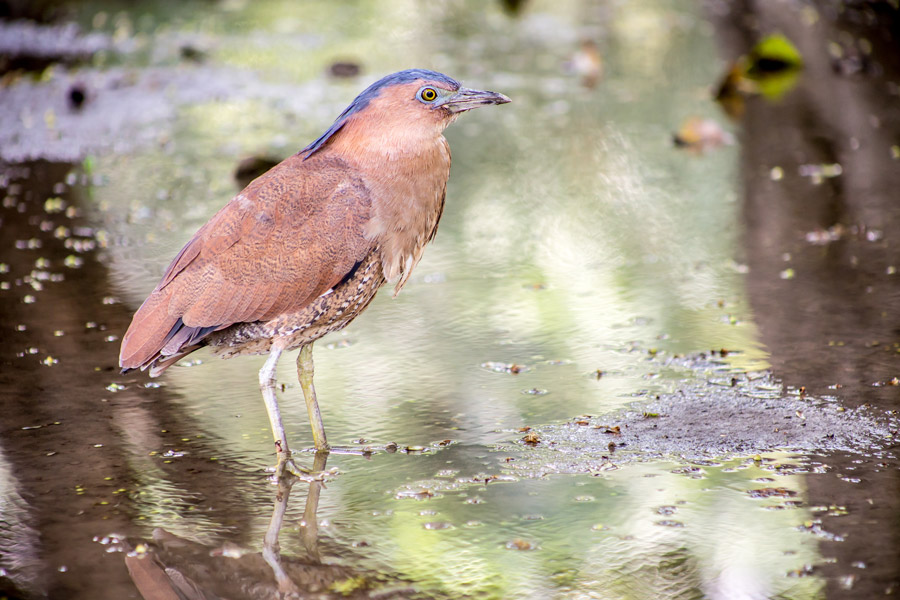
We start the day with a brief visit to the Botanical Gardens in Taipei. One of our main targets is the Malayan night heron as it quietly goes about its business despite the crowds in the gardens.
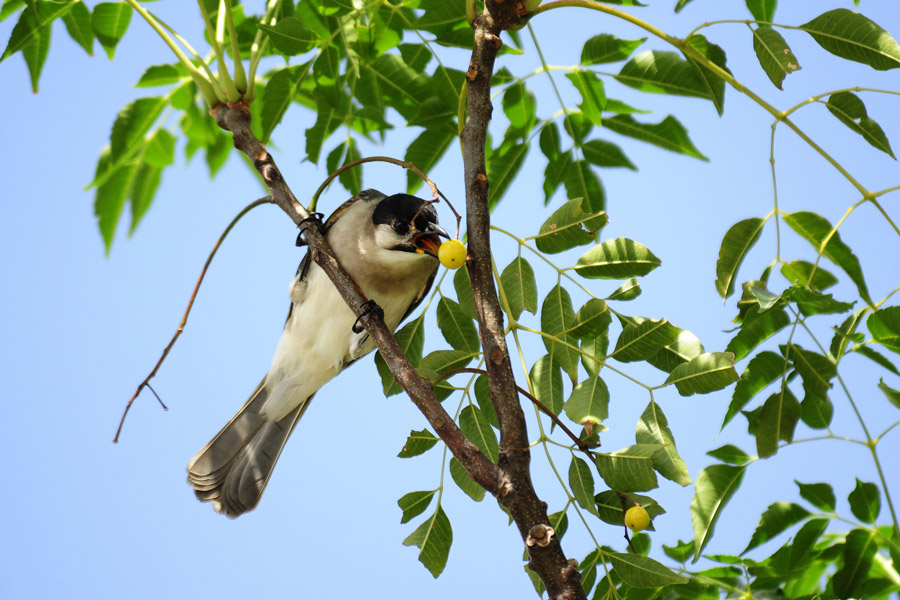
In the afternoon, we drive south to Hualian with stops en route for birding opportunities, hoping to see Styan’s bulbul on the way.
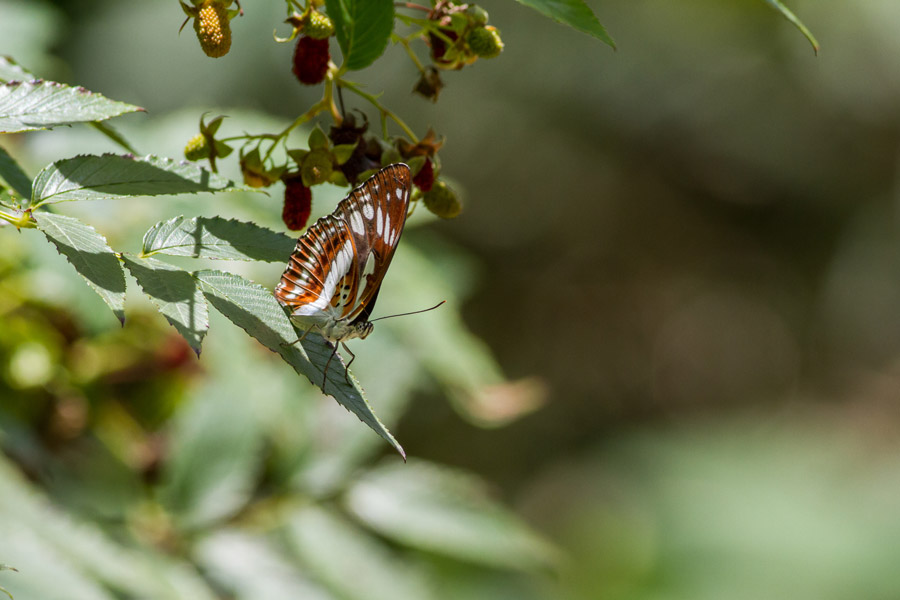
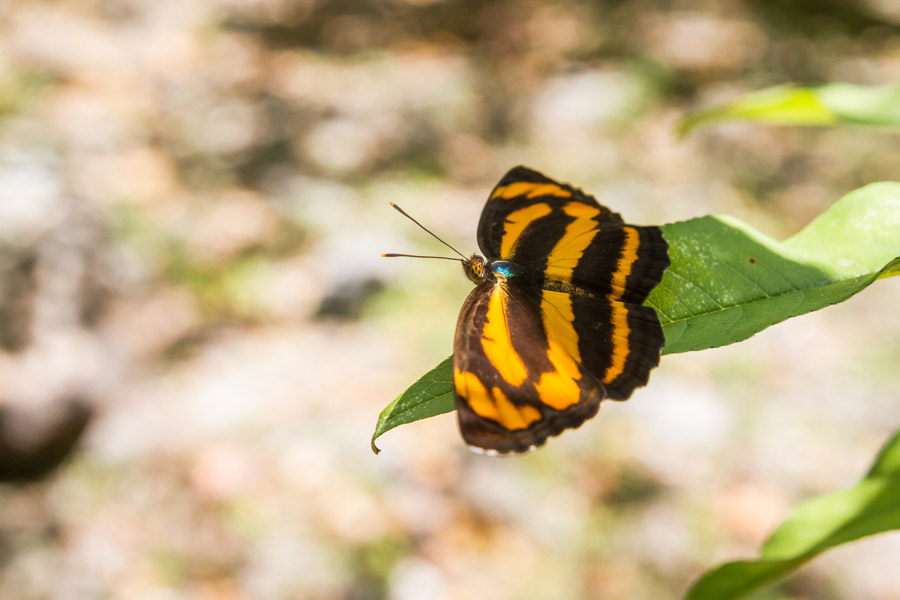
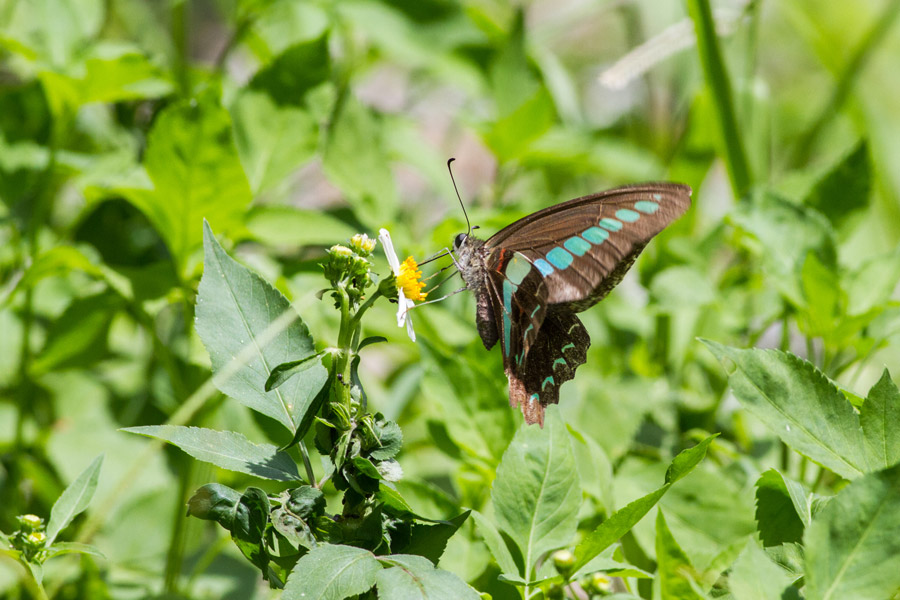
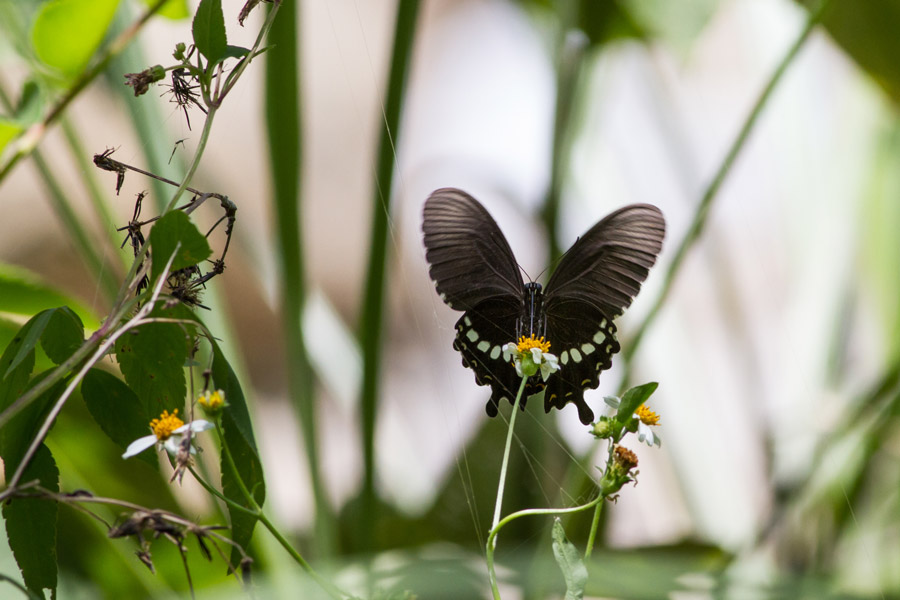
Taroko National Park, in the east of Taiwan, lies on the Pacific Ocean coast and covers an area of more than 92,000 hectares in the northern section of the Central Mountain Range. The Park is 36 kilometres from north to south and 42 kilometres from east to west. More than 150 bird species have been recorded here, including 14 island endemics. In addition, the park supports more than 300 species of butterfly and almost 50 large mammals, including Formosan macaque and Formosan serow.
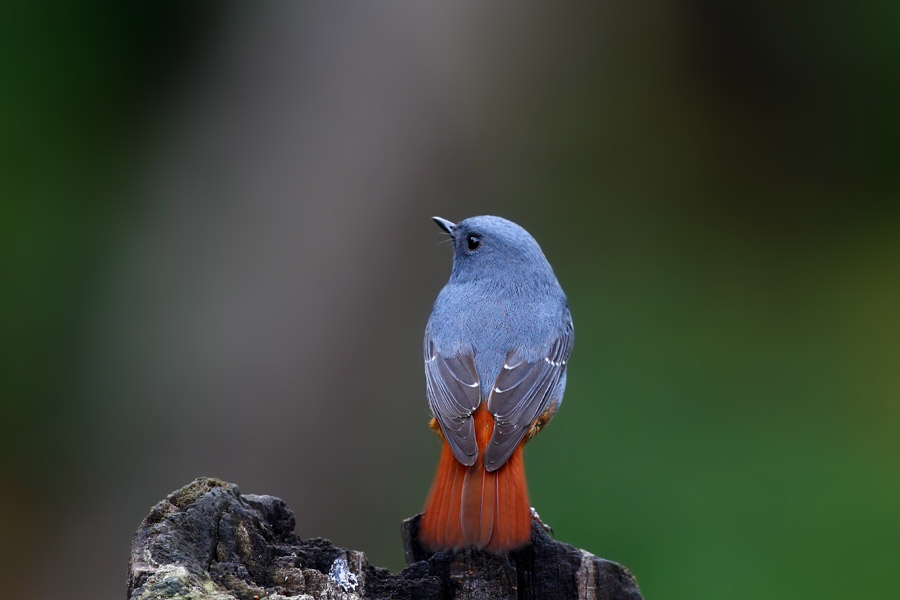
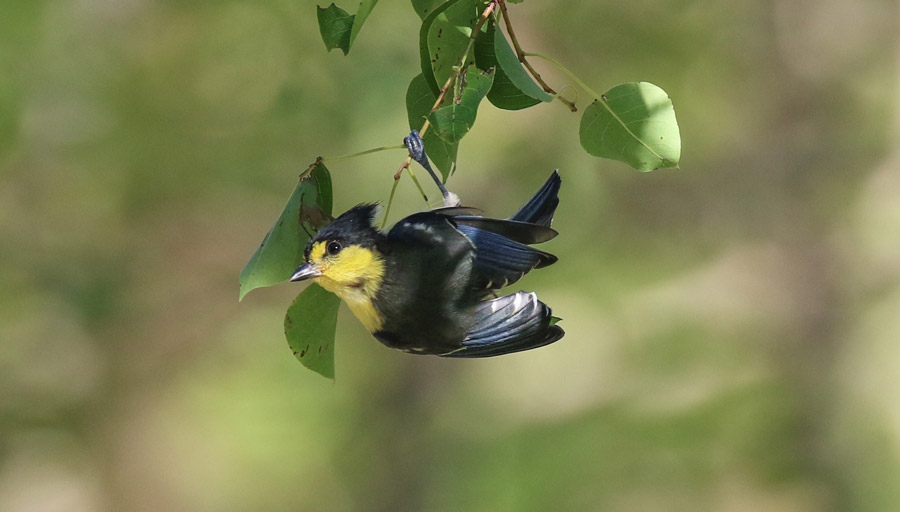
We overnight near Taroko National Park and its famous gorges at Leader Village in Bulowan, a simple but comfortable lodge with outstanding birdwatching on its doorstep. Located in indigenous Taroko aborigine land, with beautiful mountain views, we hope to see Taiwan fulvetta, yellow and black-throated tits, grey-chinned minivet and plumbeous redstart among other species.
Accommodation: Leader Village Bulowan, 1-night
-
Day 4:
Explore Bulowan, Hehuan Shan & Cing Jing
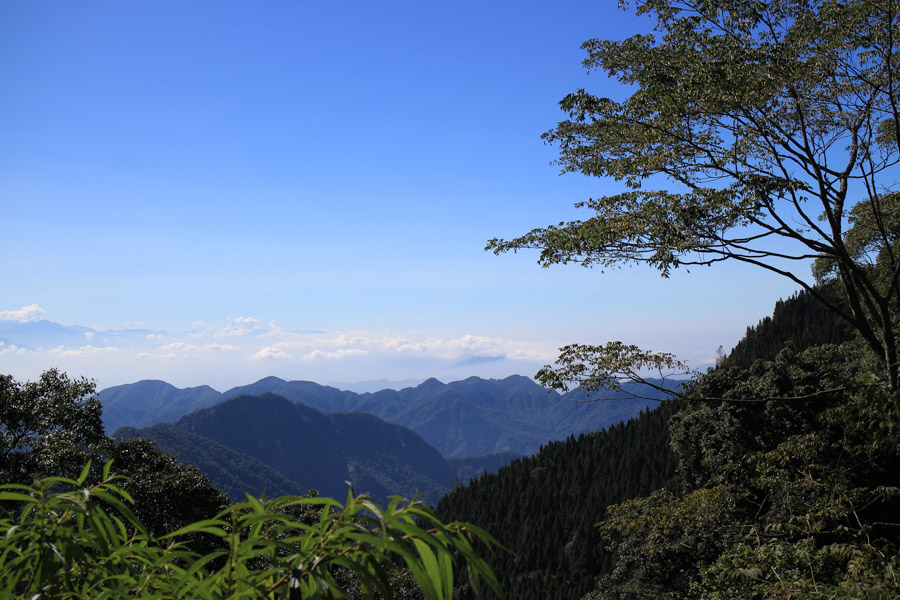
In the morning we go birdwatching around Bulowan, targeting the striking yellow tit, varied tit and collared owlet. We then begin to climb to higher altitudes to explore the forests around Aowanda. Today we reach the highest point of the tour as we drive up to Hehuan Shan at an altitude of more than 3,000 metres. Hopefully the mountain will not be shrouded with mist, so we can enjoy the spectacular scenery and the birds that are found around the summit.
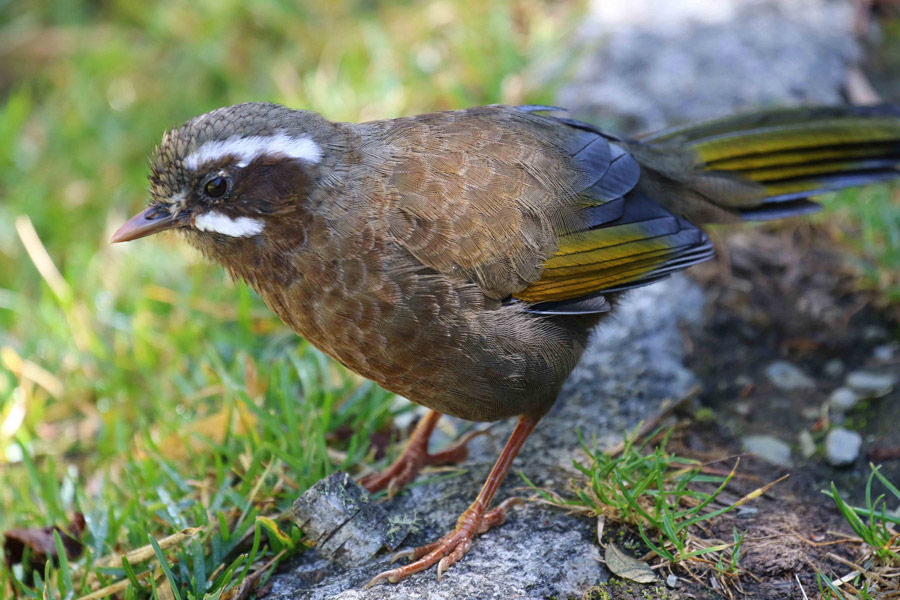
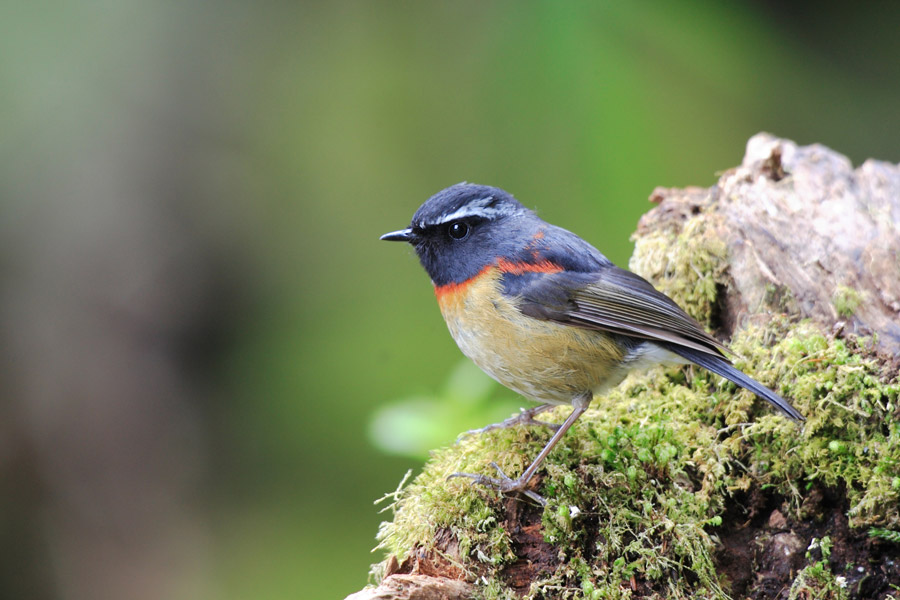
The beautiful, endemic collared bush-robin is found near the summit and, weather permitting, we will explore this area for other exceptional birds, such as white-browed bush-robin, flamecrest, white-whiskered laughing thrush, golden parrotbill, Taiwan rosefinch, grey-headed bullfinch and Taiwan fulvetta. In the car parks near the top of the mountain, we should be rewarded with views of the endemic subspecies of alpine accentor searching for food.
Accommodation: Cing Jing Guesthouse, 1-night
-
Day 5:
Cing Jing to Huisun
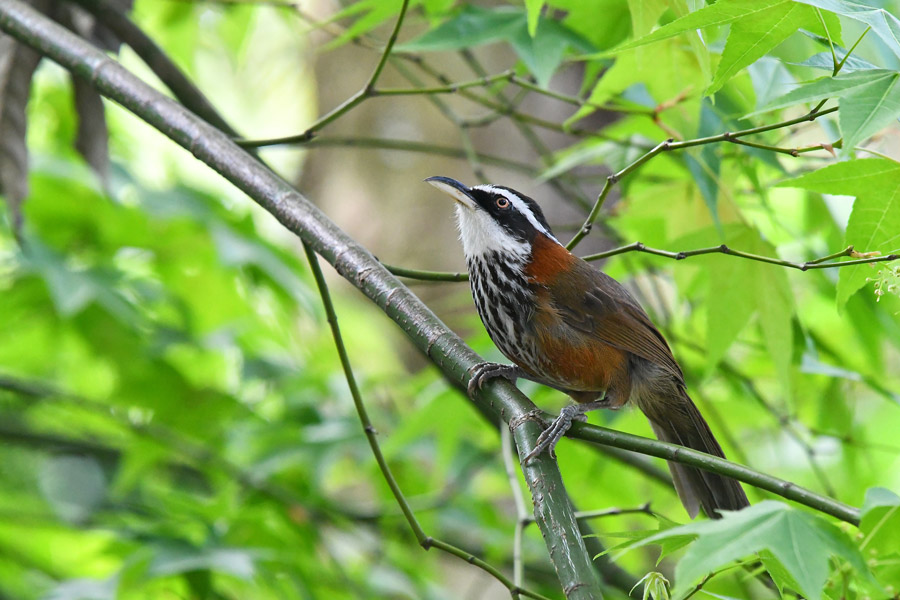
In the morning, we explore further the rich biodiversity around Qingjing. Birds such as Taiwan hwamei, Taiwan scimitar-babbler, white-eared sibia and Steer’s liocichia, plus red-bellied squirrels can be found here. If the weather on the previous day prevented an exploration of Hehuan Shan then we will return to the summit in hope of seeing species we missed.
In the afternoon we drive around two hours to Huisun Forest Recreation Area, which is at a much lower elevation. Huisun is the best place to see Malayan night heron, grey treepie and bamboo partridge (to name but a few) and should provide another opportunity to try and see the famous Taiwanese endemic – Swinhoe’s pheasant.
Accommodation: Guesthouse, 1-night
-
Day 6:
Huisun to Alishan
Early this morning we will visit Huisun Forest Station to look for any species that we may not have seen yesterday. We also keep a look-out for raptors, including the distinctive crested serpent-eagle, crested goshawk and besra.
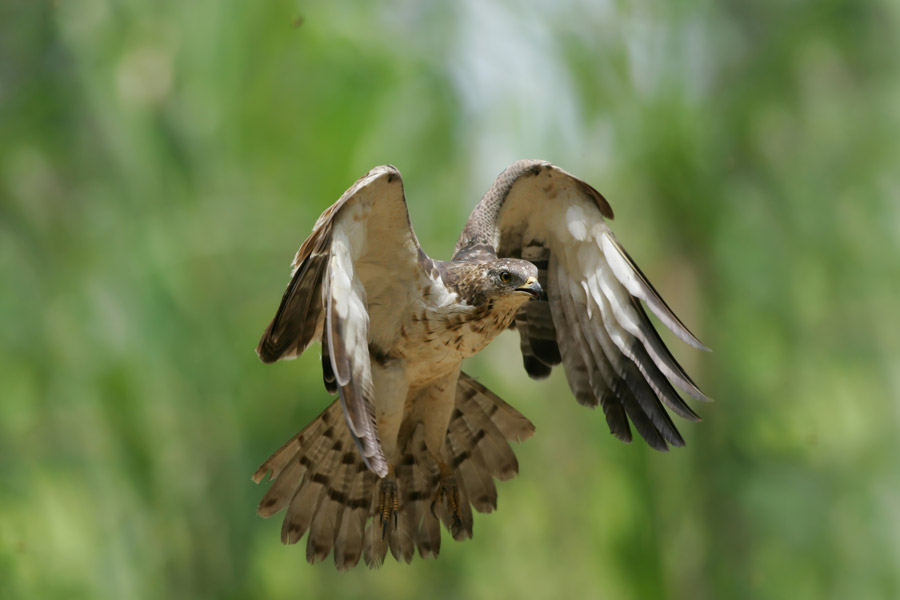
Later in the day, we continue our journey to the beautiful Alishan National Park. The forests here are home to wonderful wildlife and plenty of endemic bird species. The park is a good area for rufous-capped babblers, plumbeous redstart and raptors including oriental honey buzzard and crested goshawk.
Accommodation: Alishan Gou Hotel, 2-nights
-
Day 7:
Alishan National Park
Early morning will be spent exploring the area around our hotel looking for splendid birds such as the endemic flamecrest before visiting other areas of the national park. Today we hope to find birds such as Taiwan barwing, collared bush robin, red-flanked bluetail, Taiwan whistling thrush, Taiwan yuhina and green-backed tit. The endemic Owston’s long-nosed tree squirrel can also be found in the park.
Alishan National Scenic Area is a mountain resort and nature reserve of 41,500 hectares, located in Chiayi County. The protected area has a wide range of altitudes. Lower elevations, such as in Leye Township, share the same subtropical climate as the rest of southern Taiwan, while upper elevations have temperate and alpine climates. Snow sometimes falls at higher elevations in winter. As a result the area protects diverse habitats and is rich in biodiversity.
-
Day 8:
Alishan to Augu Wetland
Today we descend to the west coast and visit several wetlands for shorebirds, pheasant-tailed jacana, terns and wintering migrants. This area also holds an important wintering population of black-faced spoonbill. We then continue to our hotel in Douliou, where tonight there may be the opportunity to look for mountain scops owl and other nocturnal creatures.
The reclaimed land at Aogu Wetlands and Forest Park was once major base for sugar cane cultivation and fish-farming, belonging to the Taiwan Sugar Corporation. However the farm fell into disuse on account of subsidence and seawater incursion. The fish farms and fields turned into natural reservoirs and, with time, these wetlands have become a habitat for ever-increasing numbers of resident and migrant birds, including globally threatened species such as black-faced spoonbill.
Accommodation: Local hotel, 1-night
-
Days 9-11
:
Douliou & Dayueshan National Park
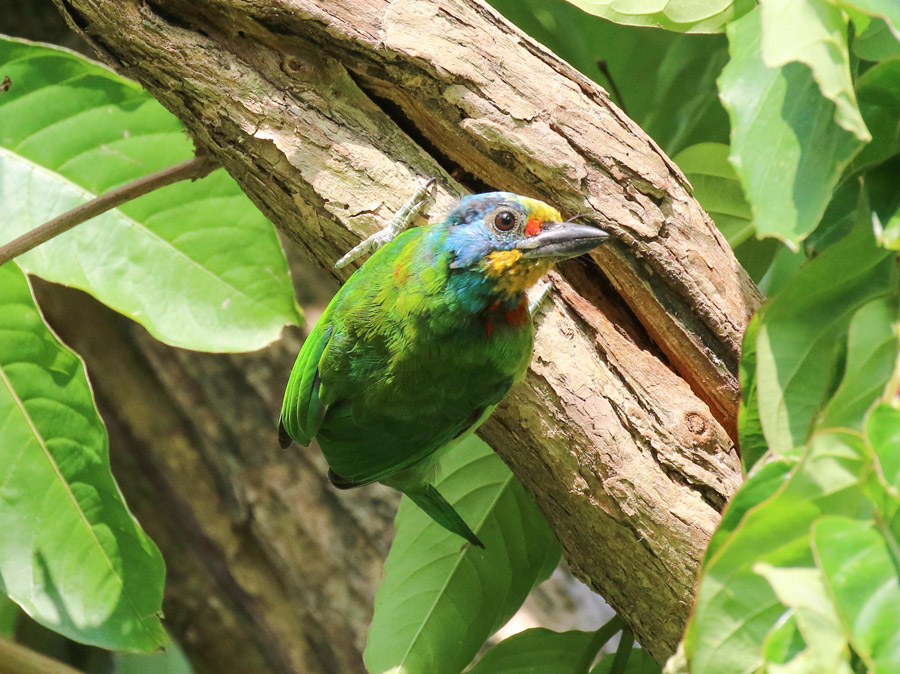
The area around Douliou has some good lower-altitude forest and bamboo thickets which host a range of species including endemics such as Taiwan scimitar babbler, black-necklaced scimitar-babbler, Taiwan partridge, Taiwan barbet and Swinhoe’s pheasant.
We then spend three nights in possibly the best area for Taiwan’s endemics. The montane forests of Dasyueshan are rich in birds and the varied altitudes provide different species. Mammals could include Formosan macaque and Formosan striped squirrel.
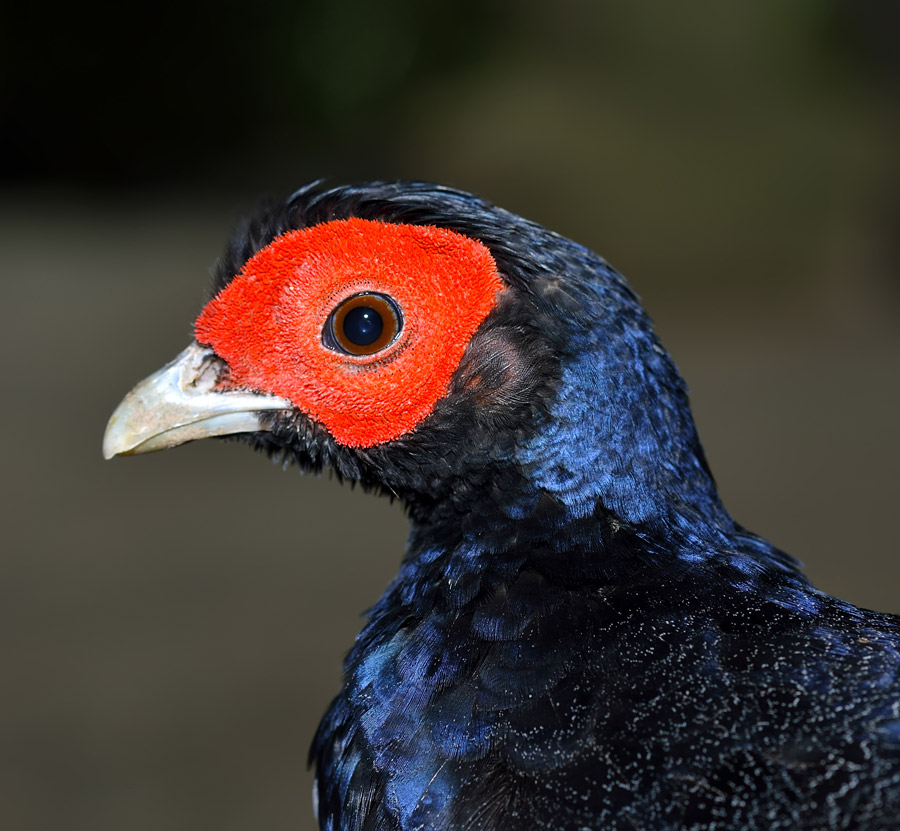
Dasyueshan (which translates as 'big snow mountain') is a mountain in the Xueshan Range with an elevation of 3,530 metres. Dasyueshan National Forest Recreation Area in Heping District, covers some of the mountain's lower peaks and slopes, with Siaosyueshan ('little snow mountain') being the tallest at 2,997 metres. Formerly logged, many of the affected areas have been reforested and it has become a popular scenic destination and birdwatching spot. Bird species seen here include Mikado pheasant, Swinhoe's pheasant, and Taiwan partridge.
Accommodation: Dasyueshan Guesthouse, 3-nights
-
Day 12:
Return to Taipei via Wulai
The forested valleys of Wulai hold the Formosan magpie and it is a wonderful experience when these stunning birds are encountered.
After a morning exploring Wulai, we head back to Taipei and explore the lowlands for any species we may have missed, as well as winter migrants.
Accommodation: Gala Hotel, 1-night
-
Day 13:
Yeliu Geopark & depart Taiwan
Our final day begins with a visit to a coastal promontory on Taiwan’s north coast, the Yeliu Geopark, a good place for migrants. It is also a popular tourist destination because of its unusual rock formations. It’s not easy to find birds in the many bushes and dense vegetation that provides a welcome refuge for migrants after their sea crossing; however, potential species include Daurian redstart, Siberian rubythroat, Arctic warbler, blue rock thrush, little and black-faced buntings, Pacific reef egret and grey-tailed tattler.
In the afternoon we transfer to Taipei International Airport and board our overnight flight to the UK.
-
Day 14:
Arrive UK