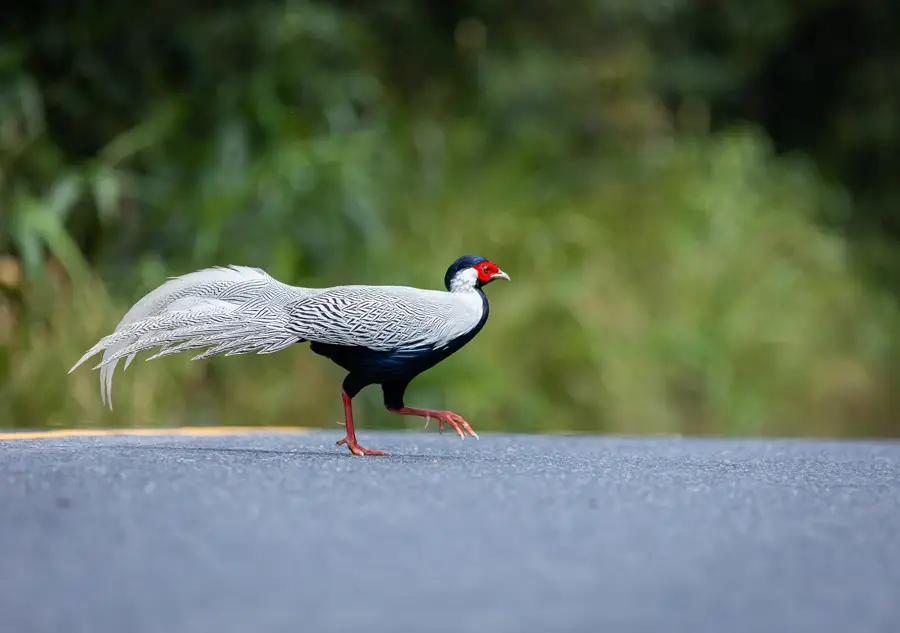
Explore some of Thailand’s finest wildlife destinations on this dedicated mammal and bird tour. Travelling during the dry season in a small group, we search for the region’s more elusive rainforest residents.
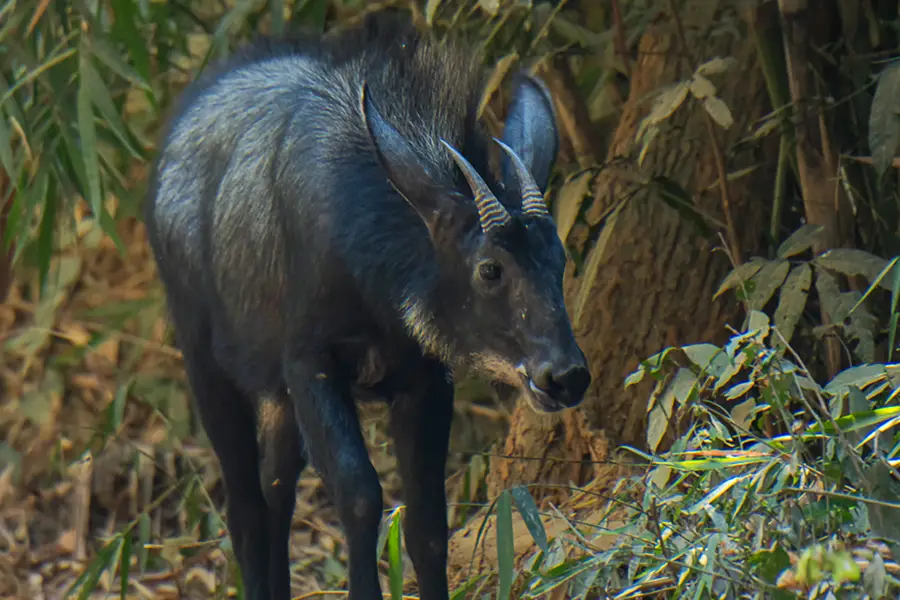
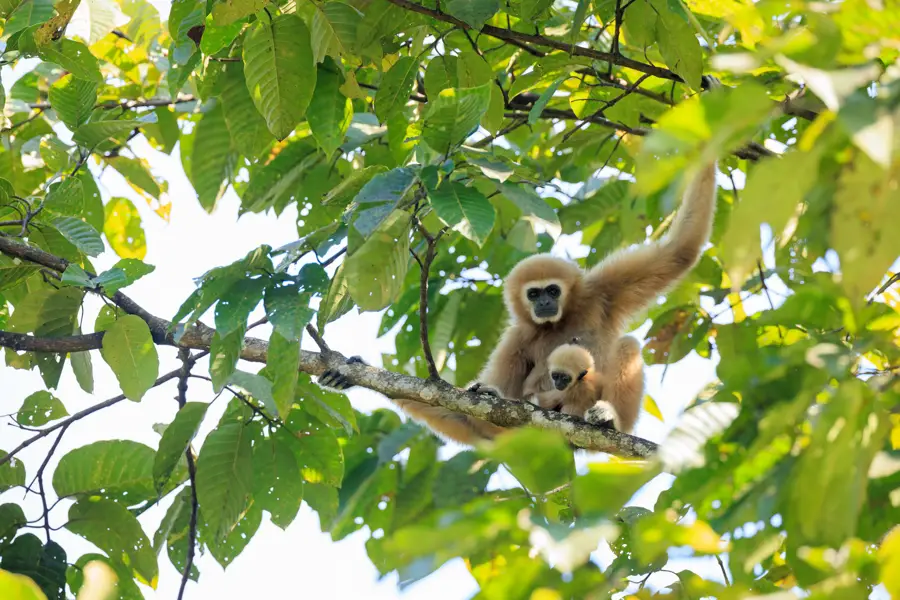
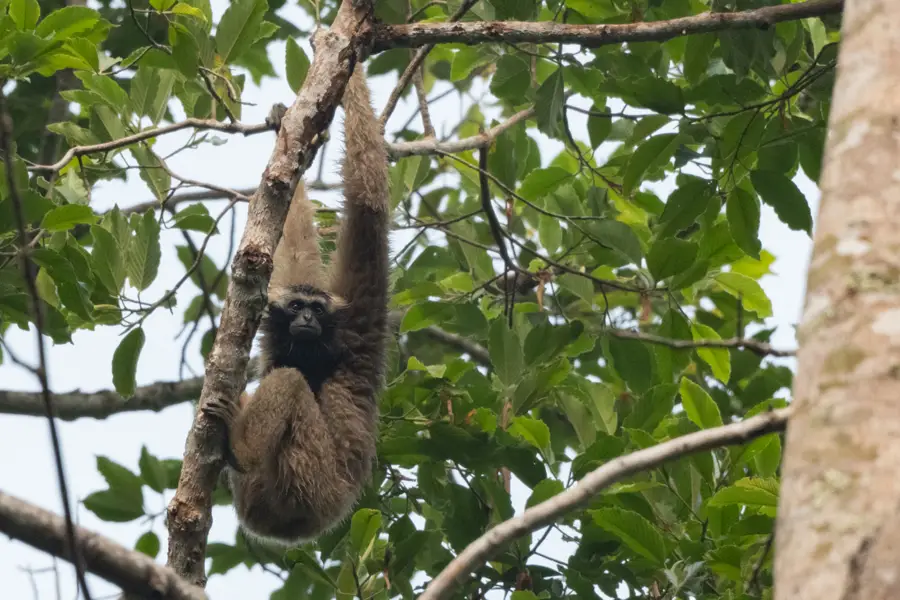
Home to a spectacular range of wildlife, this mammal and bird tour not only offers the perfect introduction to Thailand’s natural history, it also offers very realistic chances to see some of its most secretive species. We explore several locations, including Khok Kham salt pans for its outstanding diversity of wading birds, and the quieter corners of Khao Yai National Park for its serows, porcupines, otters, bats and pileated gibbons.
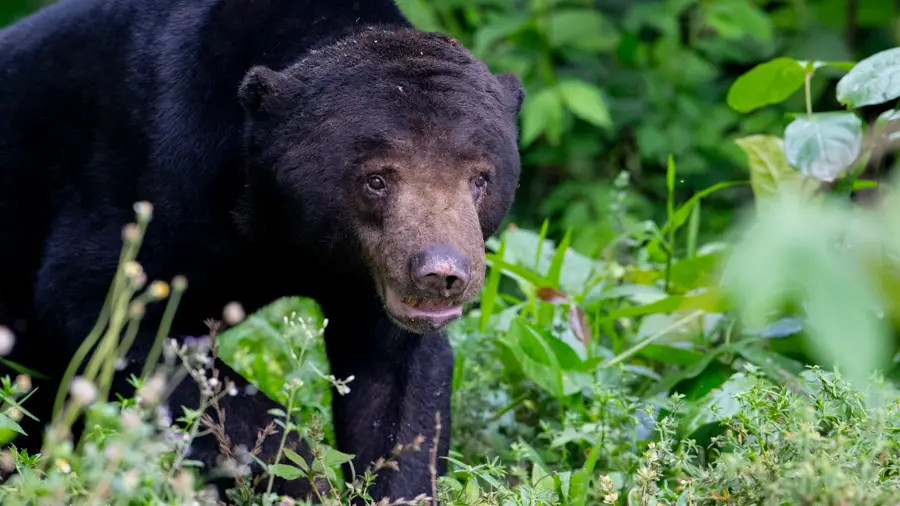
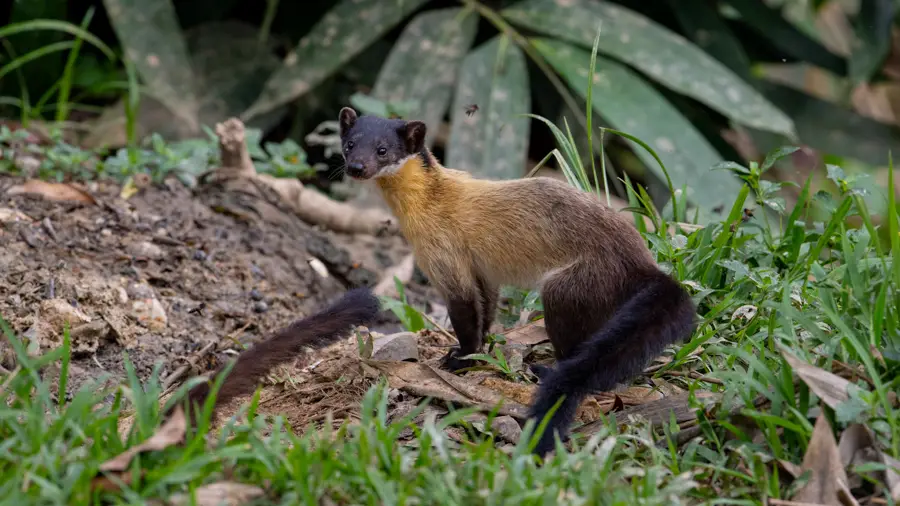
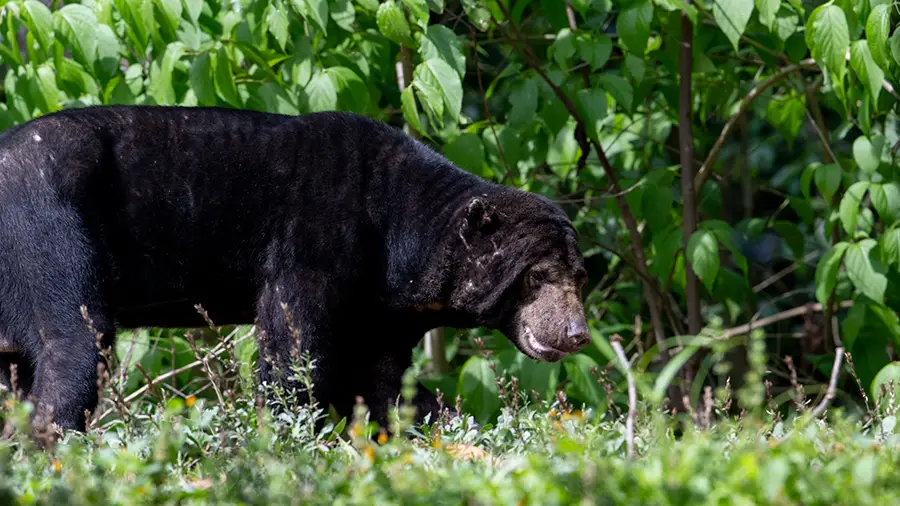
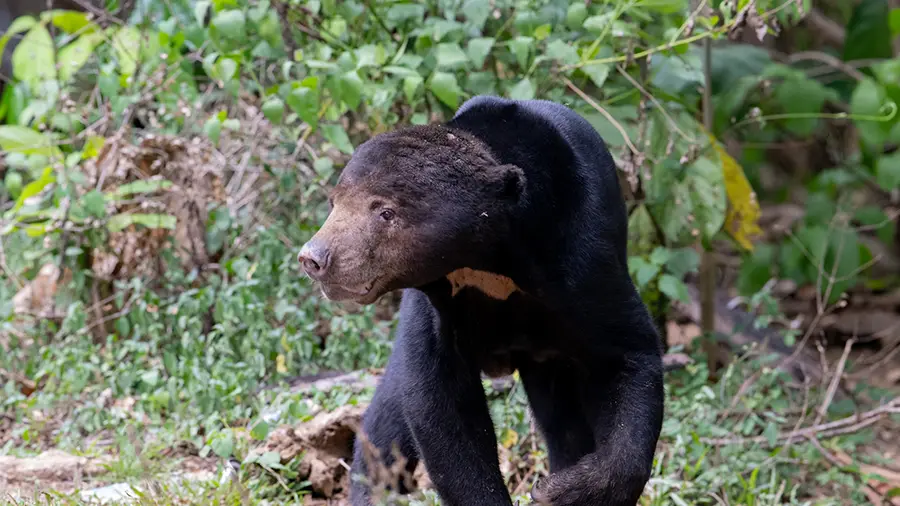
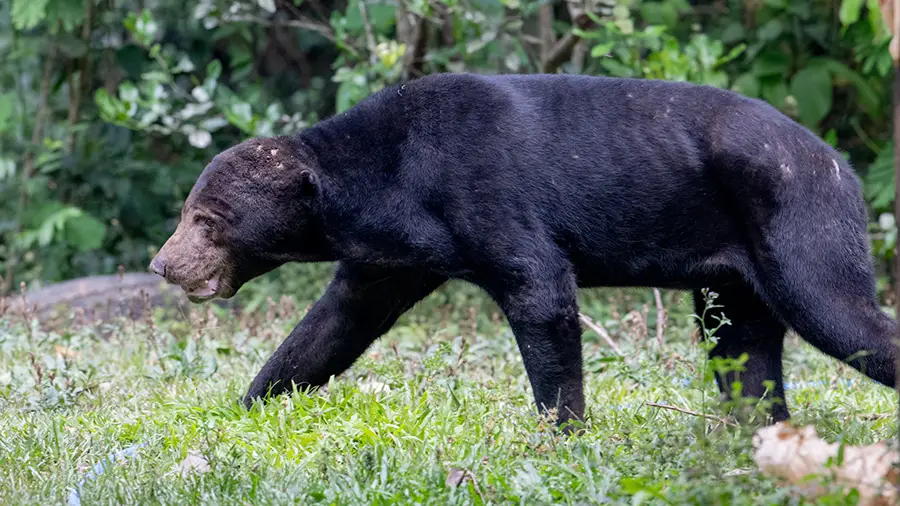
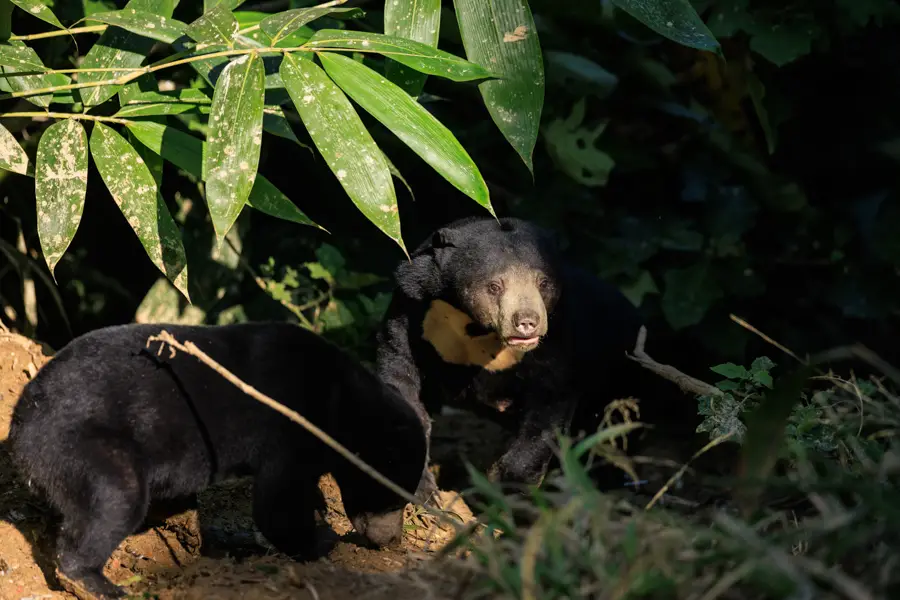
The highlight of our trip though is an extended stay at what must be Thailand’s premier wildlife destination - Kaeng Krachan National Park. The park's lush tropical forests offer a thrilling mammal-watching experience. With multiple days of exploration here, we can be optimistic about discovering some shy and normally rarely seen mammals. At the top of our list is the wonderful sun bear, which alongside yellow-throated martens are regular visitors to the park’s remote campsites.
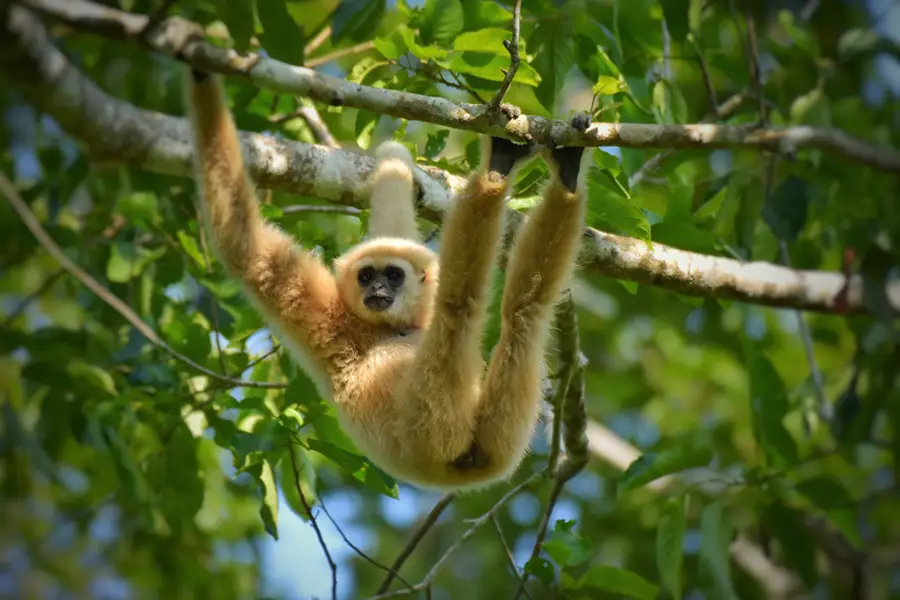
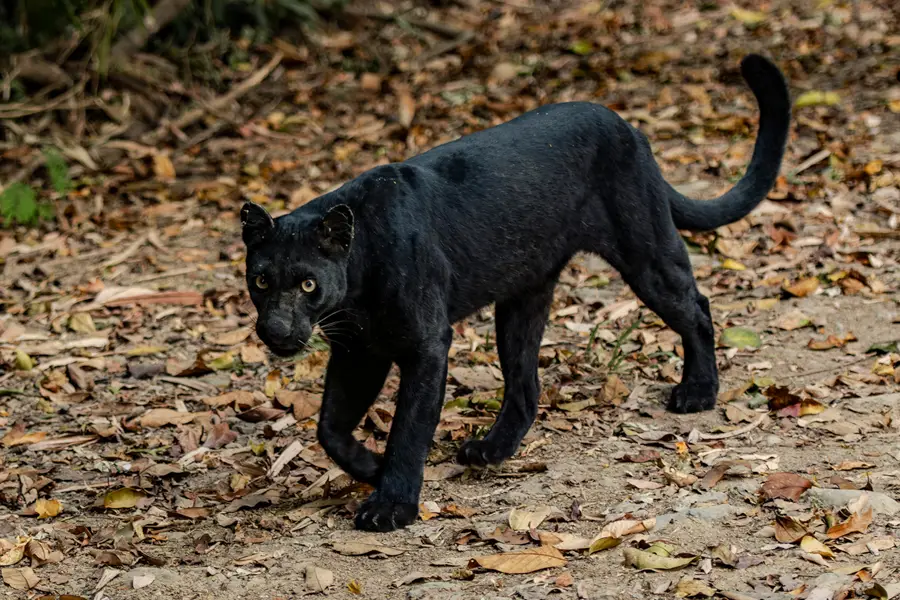
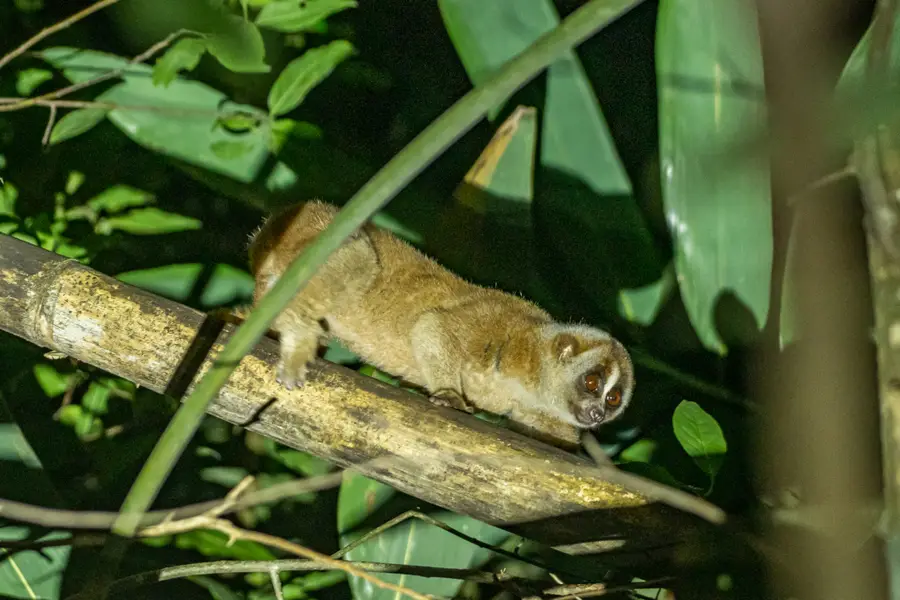
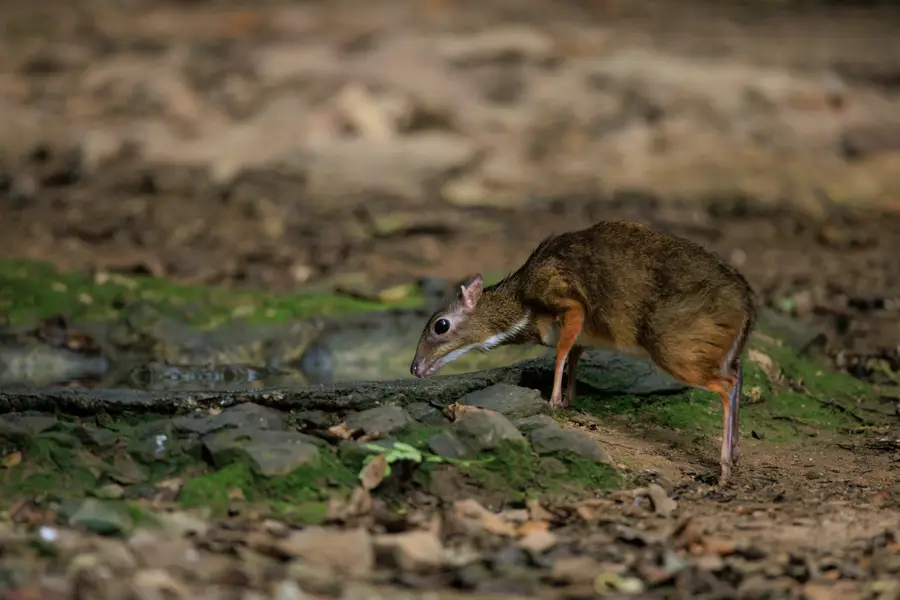
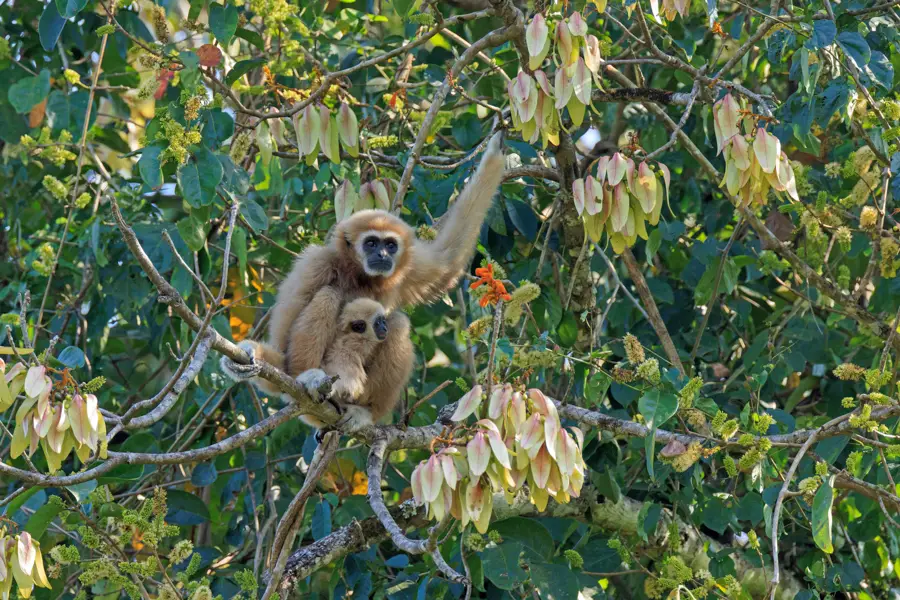
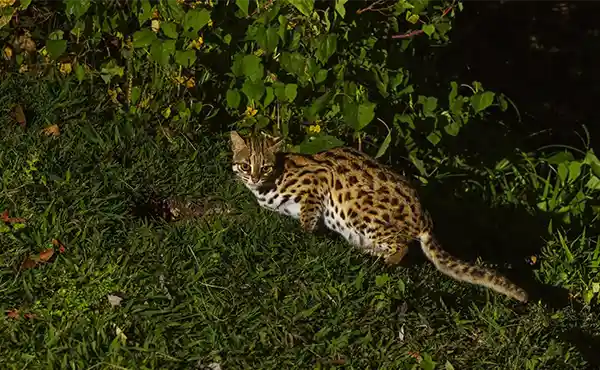
The park’s many waterholes and network of forest tracks are also regularly used by leopards and their smaller relatives, mainland leopard cats and marbled cats. During this season, we hope with luck to encounter one of these cats coming to drink or on patrol of their territory along the road. There are many other highlights, and these range from watching tiny lesser mouse deer and Bengal slow loris close to our lodge, to admiring the acrobatics of the white-handed gibbons deeper in the forest.
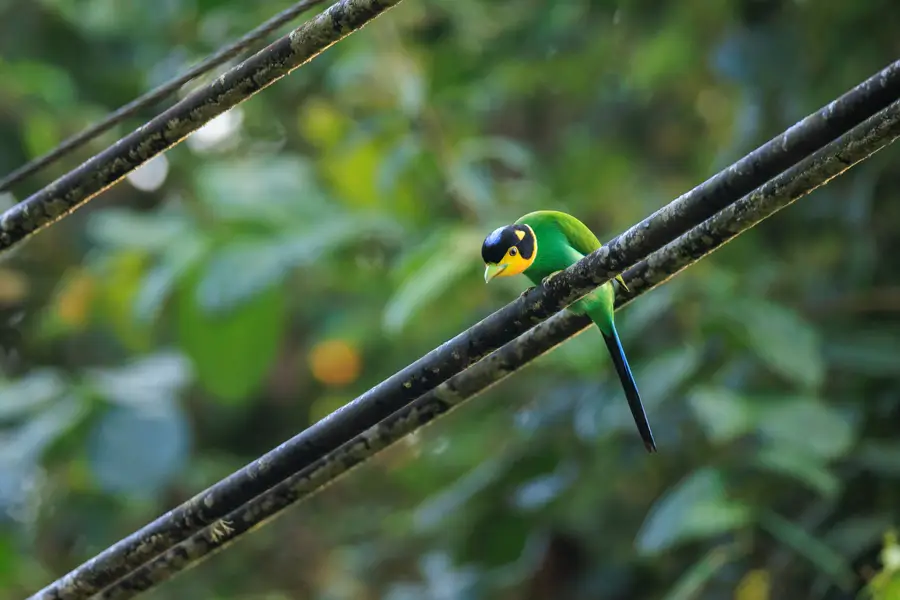
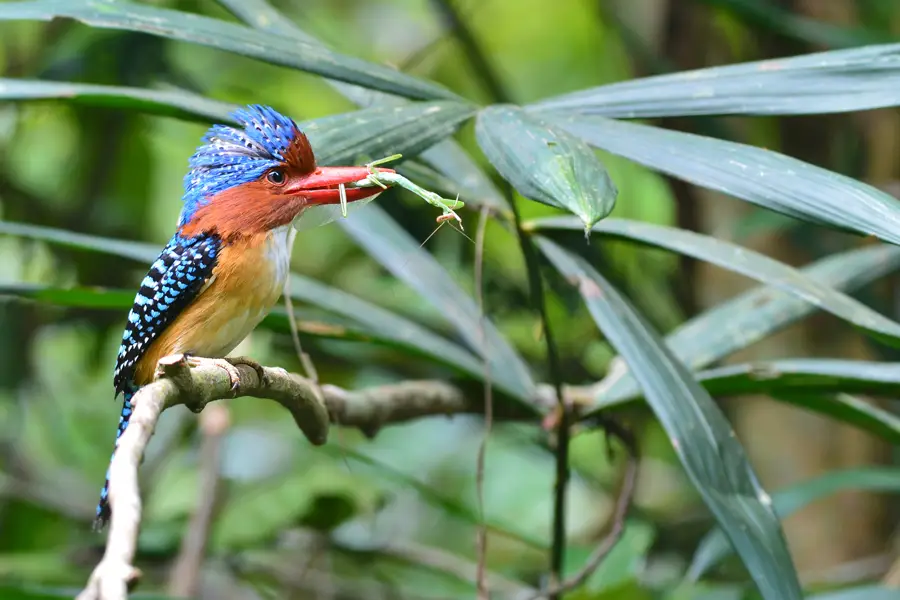
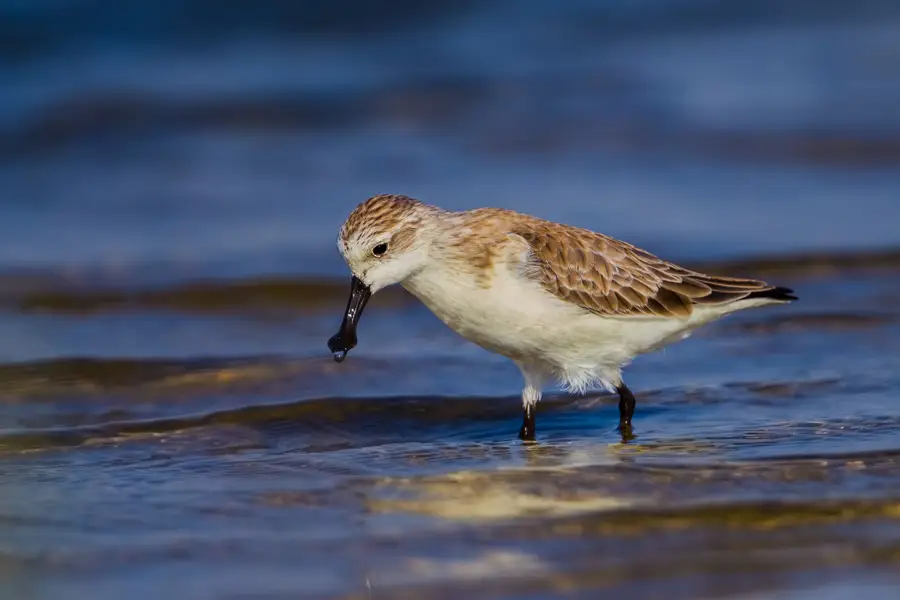
Travelling over the winter months of December and January means mammals are more concentrated at waterholes, and as a bonus, the resident colourful birdlife is supplemented with exciting overwintering species including the celebrated spoon-billed sandpiper.
While our focus is on the mammals and birds, the rewarding habitats we visit also provide outstanding all-round natural history interest, and excellent opportunities to observe interesting reptiles, frogs and insects too.
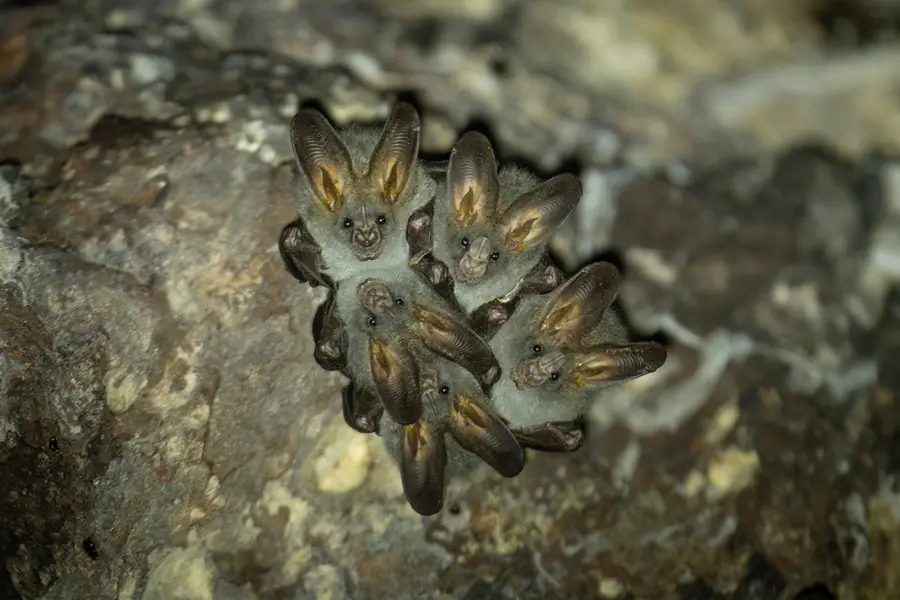
At our final location in Khao Yai, we have a final treat in store as we visit a cave home to around two million wrinkle-lipped bats. It's an astonishing sight as these bats emerge on mass at sunset, twisting and snaking through the sky to avoid predation from the gathering birds of prey.
Typical Itinerary
-
Day 1:
Depart UK
Depart the UK on an overnight flight to Bangkok.
-
Day 2:
Transfer to Samut Sakhon
After arriving in Bangkok, we set off on an approximately 2 hour and 30-minute drive to our first accommodation on the coast. On arrival, we enjoy our first dinner together as a group.
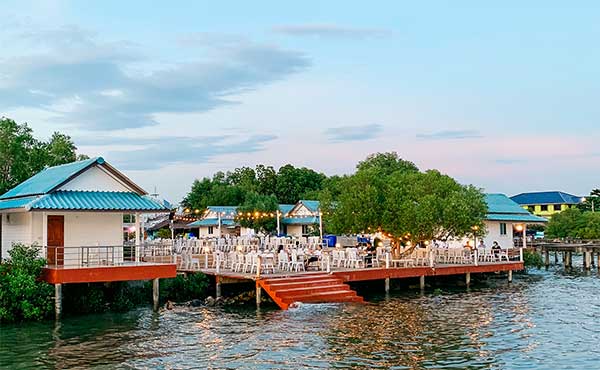
Accommodation: Chan'Le Resort, 1-night
-
Day 3:
Khok Kham Salt Pans & Transfer to Kaeng Krachan National Park
Today we have our first excursion to the nearby Khok Kham salt pans, where we can enjoy our first taste of Thailand’s birdlife. This site is notable for its flocks of waders that come to feed in the shallow waters of the pans during high tide. There can be large flocks of many overwintering species and, within them, a handful of rare specialities such as the remarkable spoon-billed sandpiper.
We then set off for a transfer of around four hours to our lodge perched on the edge of Kaeng Krachan National Park, where we settle in for our 6-night stay. We hope to arrive in time to head out on an easy wildlife drive in the late afternoon to begin exploring the park’s wildlife.
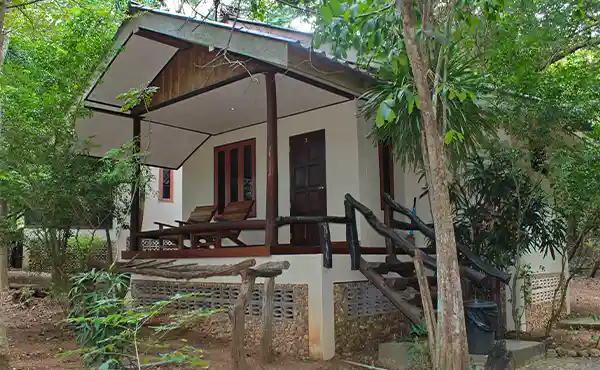
Accommodation: Baan Maka Nature Lodge, 6-nights
-
Days 4-8
:
Exploration of Kaeng Krachan National Park
Over the next six days we explore Kaeng Krachan National Park, taking in its many and varied habitats from dry and semi-evergreen, to deciduous dipterocarp and montane forests, that all support an excellent variety of mammal and birdlife.
We may begin by visiting the hides close to our lodge where normally secretive forest dwellers such as lesser mouse deer, northern tree shrew and several squirrel species can be seen up close.
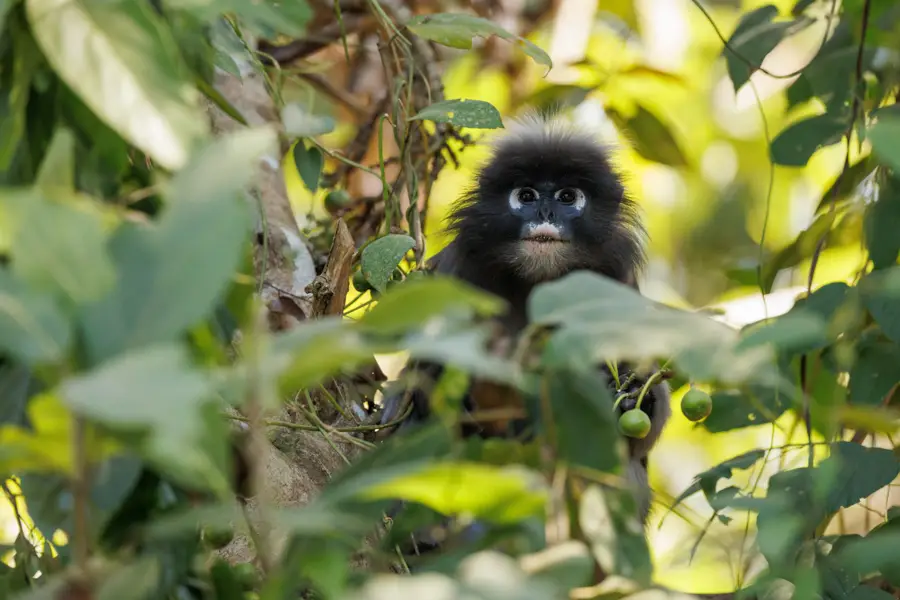
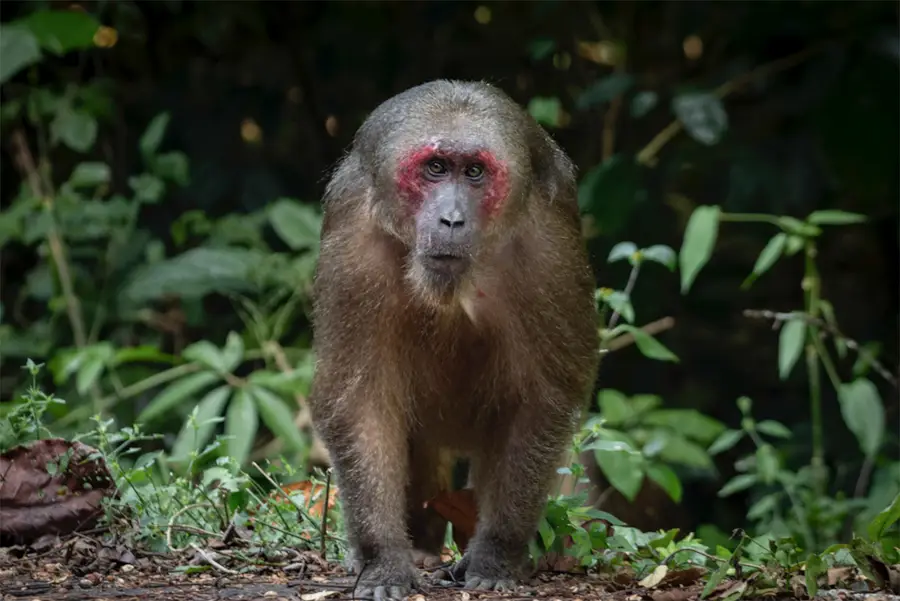
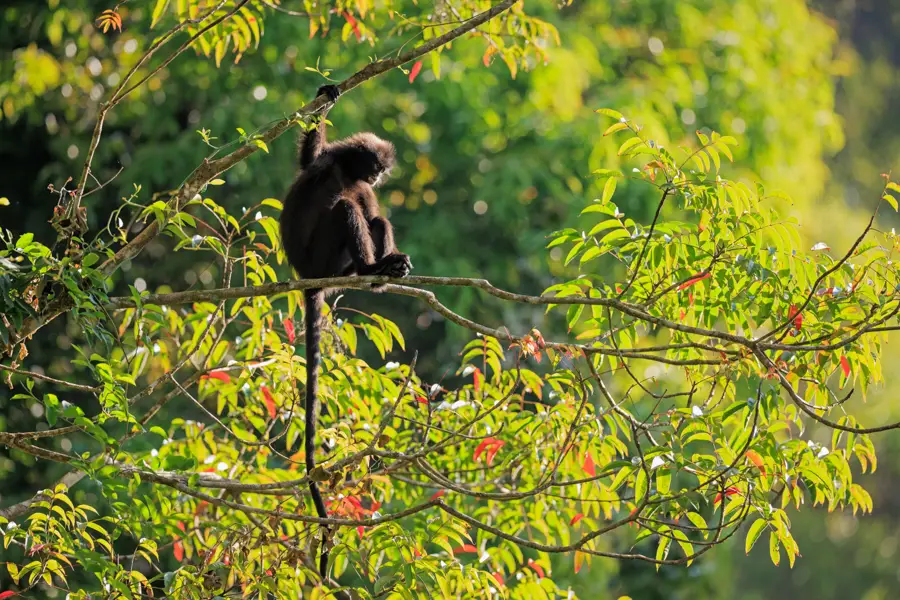
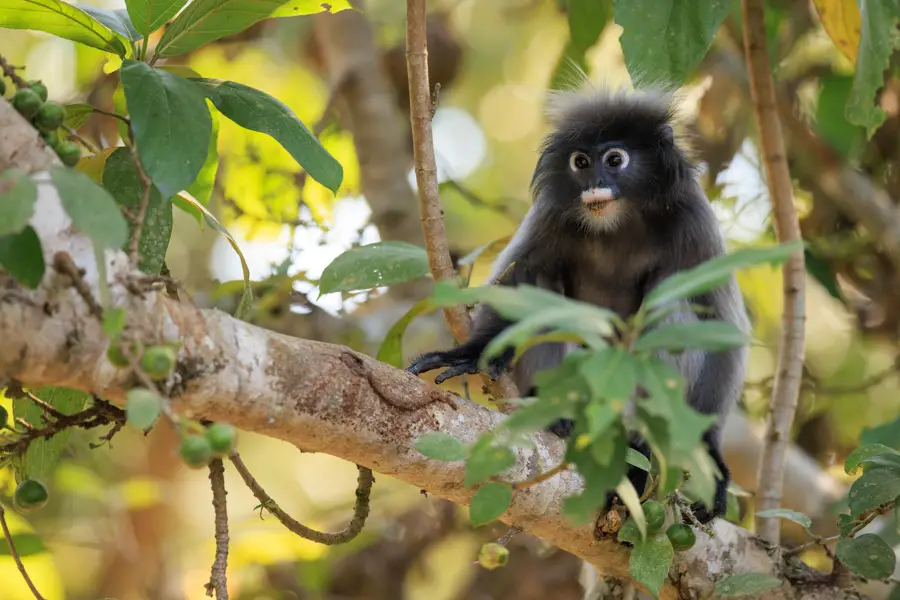
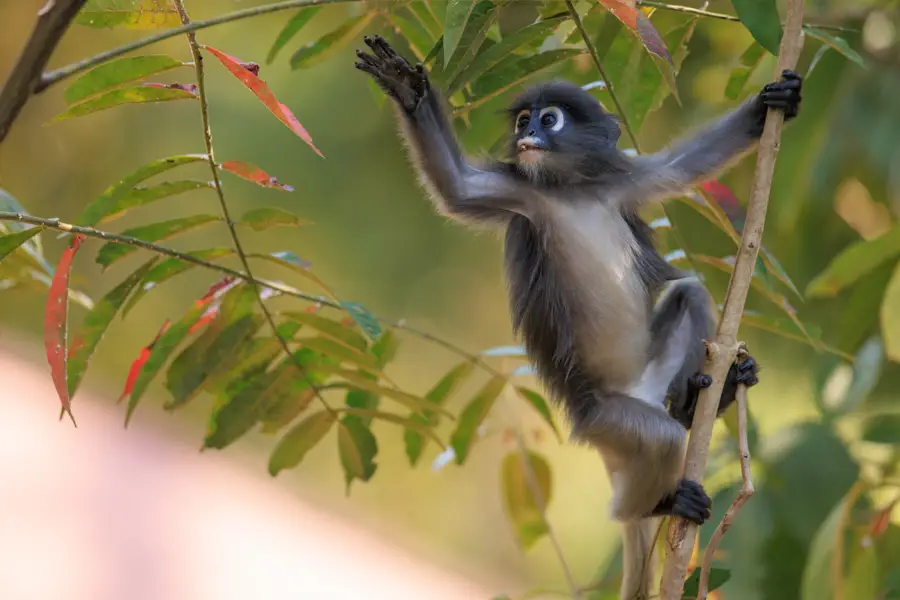
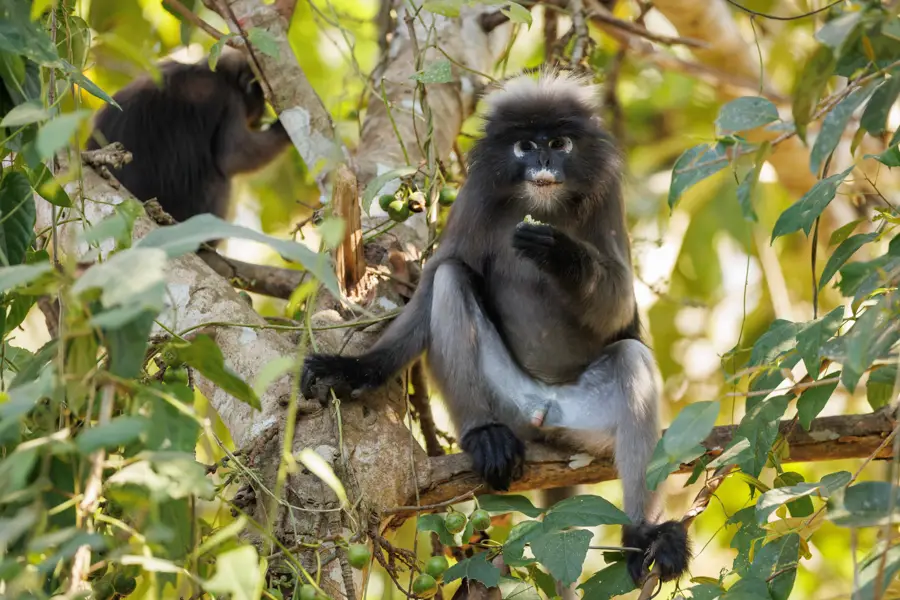
There are many key locations where the park’s primates are often encountered too. These include the agile white-handed (lar) gibbon, dusky langur, Robinson’s banded langur and stump-tailed macaque.
One of our primary target species is the charismatic and seldom-seen sun bear. This distinctive-looking bear along with yellow-throated martens are both regular visitors to some of the park’s campsites during both the day and night.
Whilst we drive the roads that bisect the mature forest, we hope to encounter one of the park’s many species of cat walking up one of these roads. In recent years, leopards, including a few black individuals, have become more frequently seen on these roads, so we never know what may be around the next corner.
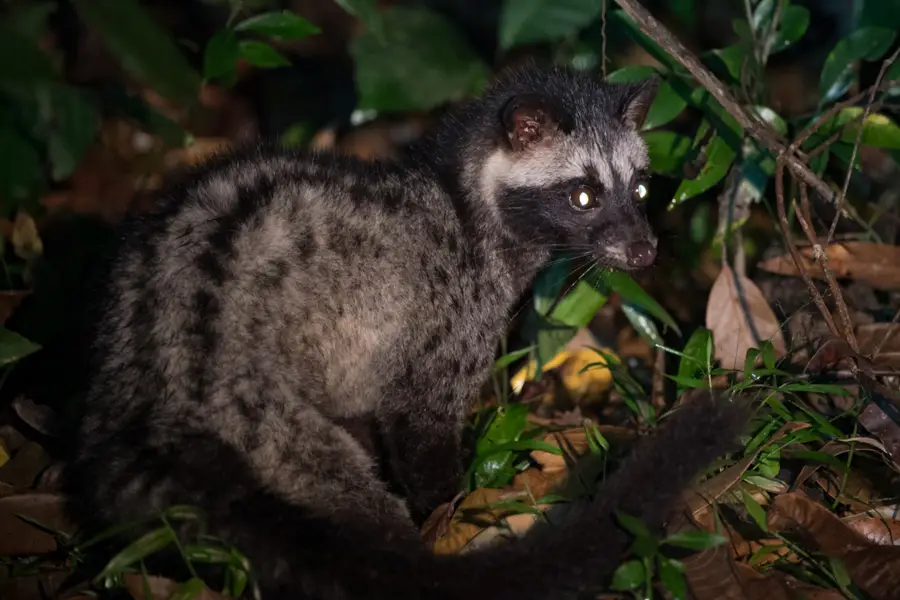
On night walks within the grounds of our lodge, we hope to discover Bengal slow loris, Burmese hare, small-toothed and common palm civets, hopefully the large Indian civet, and maybe even the beautiful mainland leopard cat.
-
Day 9:
Transfer to Khao Yai & Wat Tham Sila Thong Bat Cave
Early this morning, we return to Kaeng Krachan National Park for a final chance to glimpse some of its iconic wildlife. We then depart for the transfer to our next base at Khao Yai National Park.
Towards the end of our journey to Khai Yai, we stop at Wat Tham Sila Thong bat cave. As sunset arrives, we admire the spectacle of millions of wrinkle-lipped bats departing their roost on mass, before weaving through the sky to avoid the attendant birds of prey that hunt them.
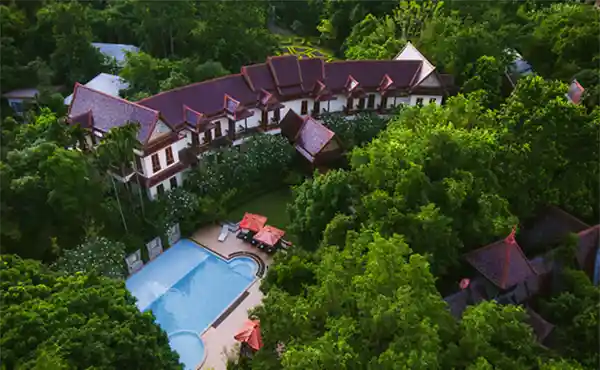
Accommodation: PhuWanalee Resort, 4-nights
-
Days 10-12
:
Exploring Khao Yai National Park
Over the next three days, we explore the less visited corners of wildlife-rich Khao Yai National Park in search of a surprisingly diverse range of mammals, birds and other fauna.
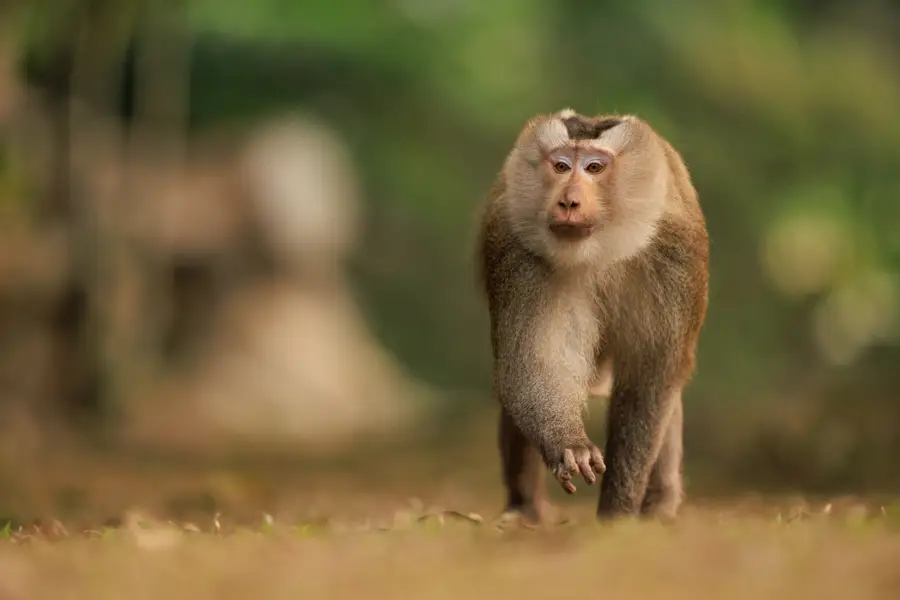
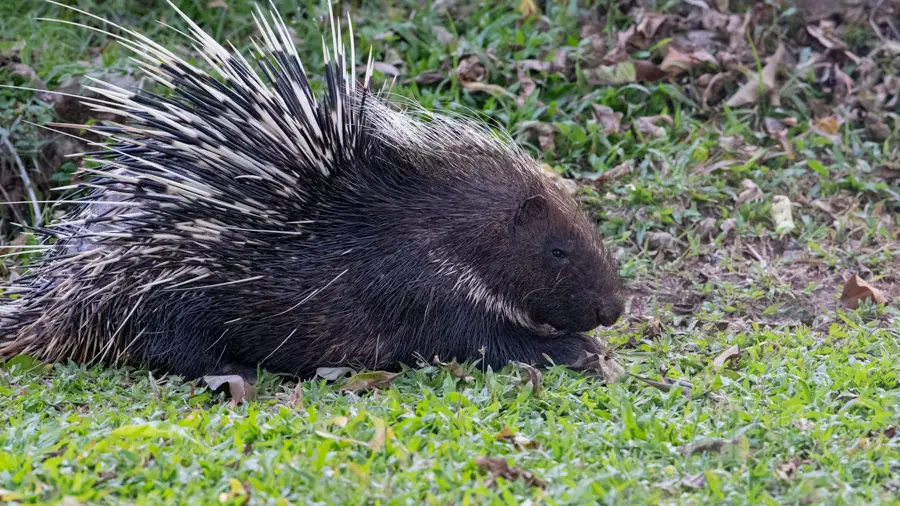
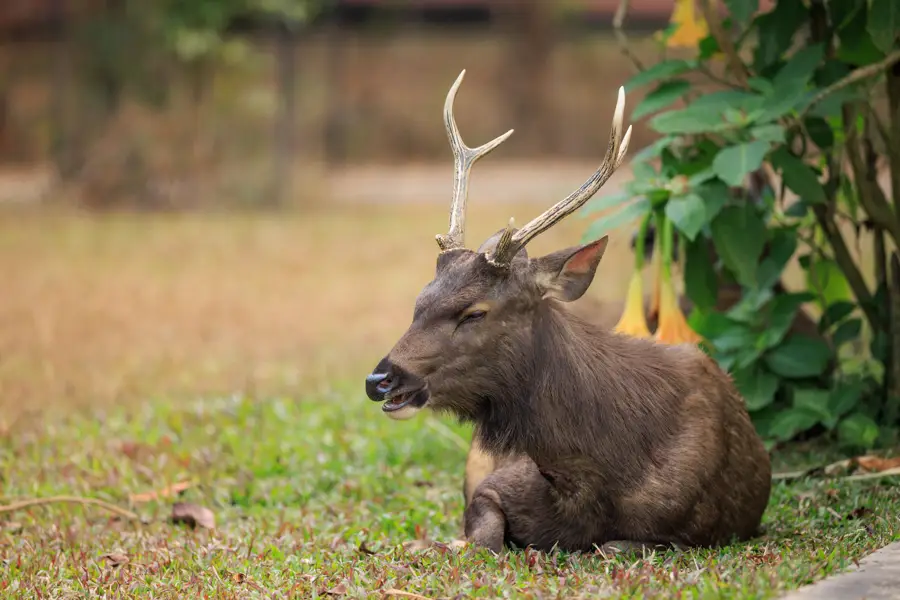
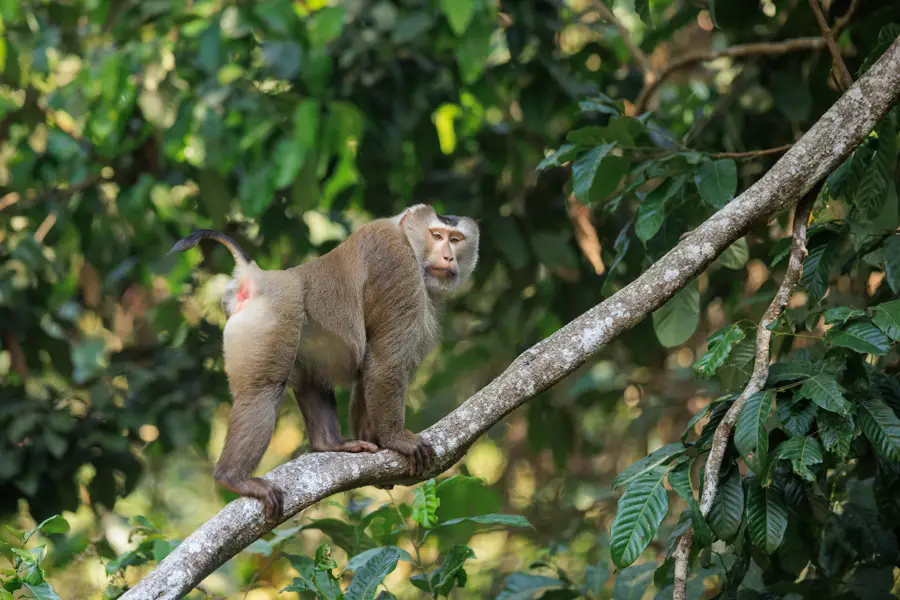
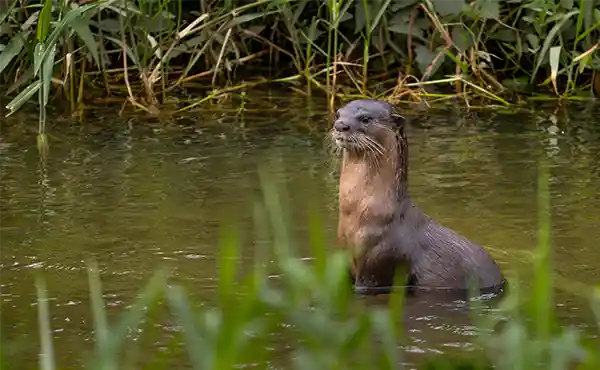
In the evergreen forests, we look out for pileated gibbon, northern pig-tailed macaque, red muntjac, sambar deer and Malaysian porcupine. On the edge of the park’s picturesque hills, we hope to find the shy Indochinese serow and, at one of the tranquil pools, a large family of smooth-coated otters.
Khao Yai is also home to many caves, and to add to our mammal interest, we can observe a variety of bat species here. After the sun has set, we take short night drives each evening where golden jackals, large Indian civets, Malayan porcupines and some other nocturnal mammals and birds may be encountered.
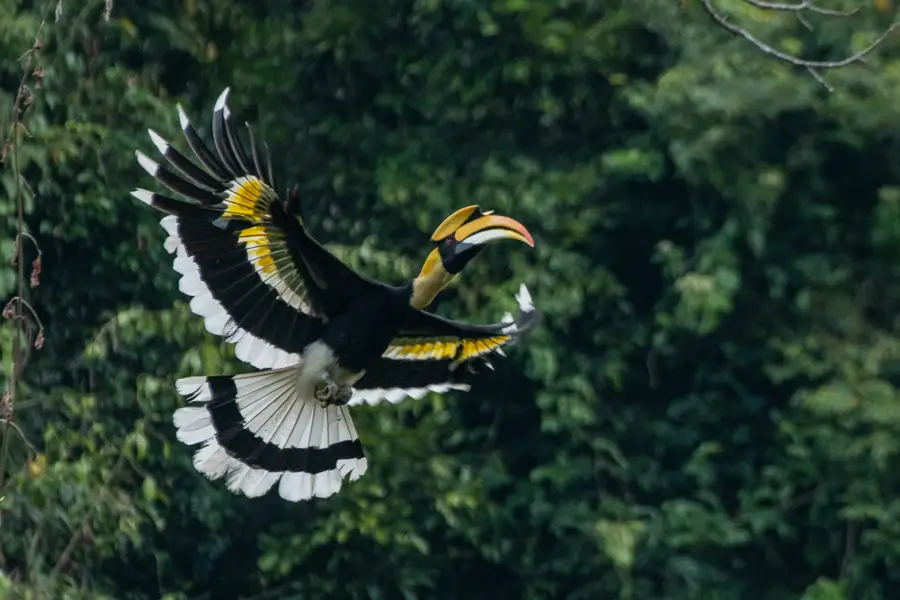
The park supports populations of other rare species including Asiatic black bear and binturong, and is home to a wide selection of birdlife including great hornbills and reptiles such as Chinese water dragons.
-
Day 13:
Morning Exploring Khao Yai National Park, & Departure
Today we have a final morning to explore the forests, grasslands and hills of Khao Yai National Park in search of its special wildlife.
After lunch, we then begin the 3-hour journey to Bangkok. En route, we make a stop at the Wat Nong Si Da Buddhist Monastery for some insight into the history of Buddhism in Thailand, and also to see a colony of huge Lyle’s flying foxes.
After arriving in Bangkok, we enjoy a final farewell dinner together, before we take our flights back to the UK.
-
Day 14:
Arrive in the UK
Please note: Depending on weather conditions, the exact itinerary may vary, ensuring that we make the most of the preferable weather and best locations for sightings.