
A Bird's-Eye View of the Drake Passage

Wildlife Worldwide Founder, Chris Breen reveals an alternative route to visiting Antarctica, home to some of the world's most unique wildlife and unforgettable polar experiences.
The 'traditional' way of visiting Antarctica, and I'm lucky enough to have done it more than once, is to sail across the Drake Passage. It's one of the least explored places on Earth – it's cold, windy, dry and stunningly beautiful, but getting there across stormy, high seas can be a challenge. The journey across the Drake is incredibly exciting, but it's not for everyone.
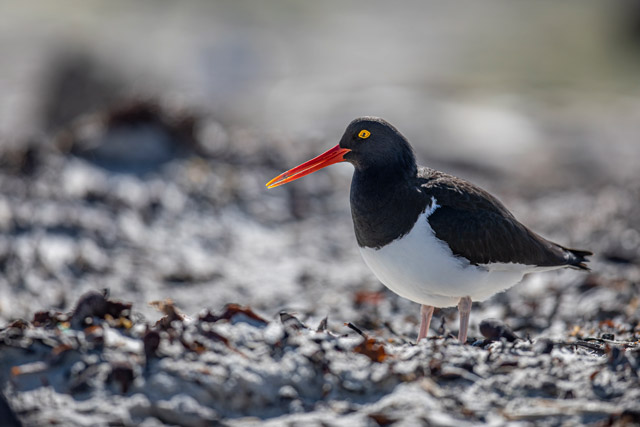
Last year I was invited to Antarctica, but this time to fly across the Drake Passage – something I hadn't done before, and I was very excited about doing it. First, I flew into Santiago, and then on to Punta Arenas which snuggles into the Chilean coast on the western side of the Strait of Magellan, almost at the southern tip of the South American continent. An overnight stop gave me the chance to take an oceanside walk and see the fabulous statue of Ernest Shackleton and begin to 'get my eye in' – upland goose, dolphin gulls and Magellanic oystercatchers are all common here.
 The flight to Antarctica the following morning aboard a nicely appointed BAE146-200 was amazing, and whilst the adventurers below me would be taking two days to cross the Drake Passage by ship, my flight was incredibly, only two hours.
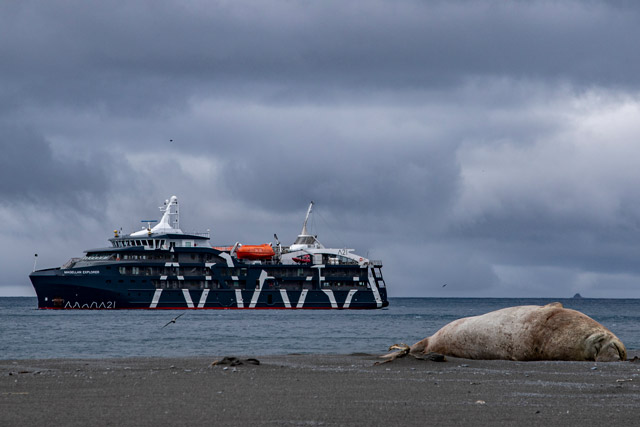
 Our landing at Frei Station on King George Island in glorious Antarctic sunshine was smooth, it was freezing cold, and there was a high wind. From the airstrip, we walked approximately 15 minutes to the shoreline where we met the expedition team, were given our life jackets and boarded the Zodiacs for the short crossing to the magnificent Magellan Explorer. A recently launched, state-of-the-art vessel with panoramic windows that enabled me to watch whales and dolphins whilst I lay on my bed, was to be my home for the next five nights.
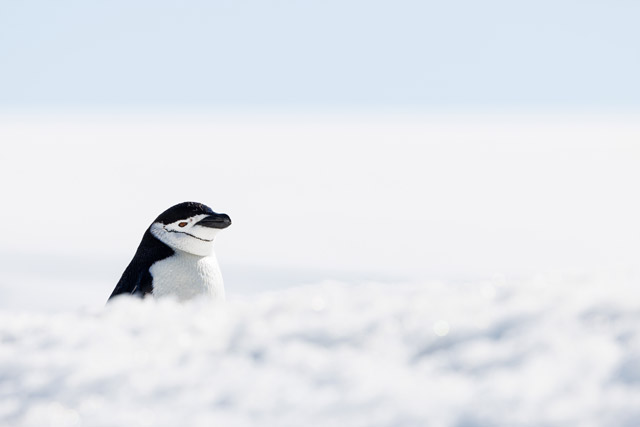
 After an overnight flight and my night in Punta Arenas, I was in Antarctica less than 72 hours after leaving home, enjoying its stark beauty and extreme remoteness. The following morning, I was up at 7 o'clock and saw two humpback whales before breakfast. One of our excursions that day was to the huge chinstrap penguin colony at Hydrurga Rocks, a small island group in the northern section of the Gerlache Strait. The weather was stunning, and we were blessed with blue-eyed shags, kelp gulls and snowy sheathbills as well.
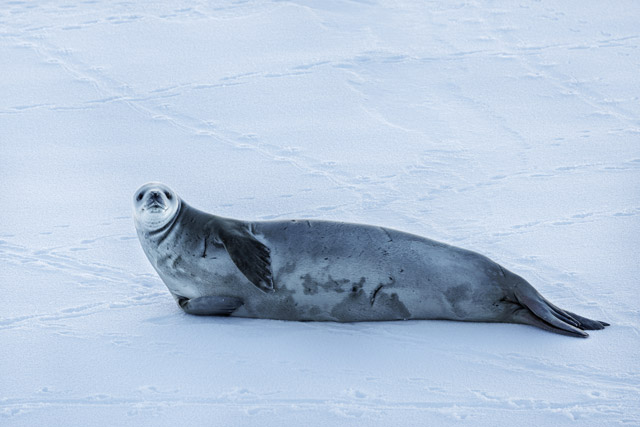
 We also had tremendous views of leopard seals patrolling on shore, Weddell seals hauled out on the cobbled shoreline and gigantic icebergs in every conceivable shade of blue.
 So, whilst sailing across the Drake doesn't work for everyone, nor does flying to Antarctica, I have to say it really is a most fantastic option. A 'regular' Classic Antarctica voyage is generally a 9-night affair onboard a ship, with two nights sailing across the Drake Passage in each direction and five nights in Antarctica. Flying across the Drake Passage will allow you five nights in Antarctica as well and avoids the additional nights of lumpy seas – and I would highly recommend it. Alternatively, we offer a fly-sail voyage that crosses the Polar Circle, on a variety of vessels including the Ocean Nova (pictured below) with durations varying from 9–11 days.
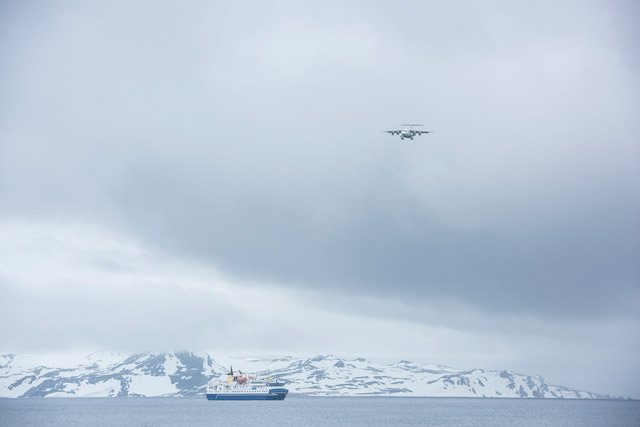 Image by Nicolas Gildemeister
But you're unlikely to fly all that way for such a short trip and my recommendation is that it combines perfectly with a puma safari in Torres del Paine – the contrast between the two is quite unreal!

View all our wildlife cruises to Antarctica, browse our special offers which include a variety of Polar voyages, or for expert advice contact our team.