Imagine travelling for 12 hours to another planet. Science fiction? Well yes, but getting on a plane to Madagascar might just be comparable. Glance at a map of Africa, and it would be easy to dismiss the large odd-shaped island off the south-east coast as nothing more than an insignificant chip off the old continental block. Now think again. Virtually nothing in Madagascar bears resemblance to anything in Africa or anywhere else for that matter. It really is another world.
 Millions of years of isolation have led to an array of species that have followed unconventional evolutionary pathways unlike anything elsewhere, and consequently the vast majority of plants and animals are found nowhere else.
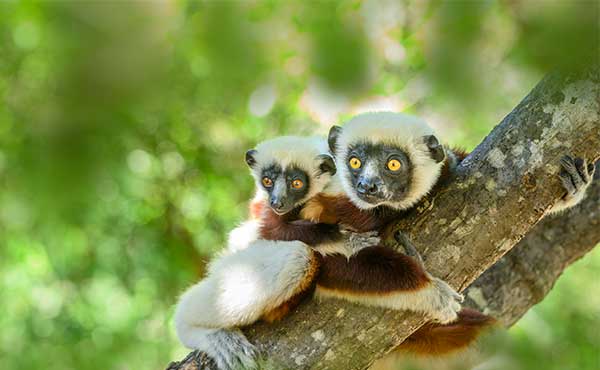
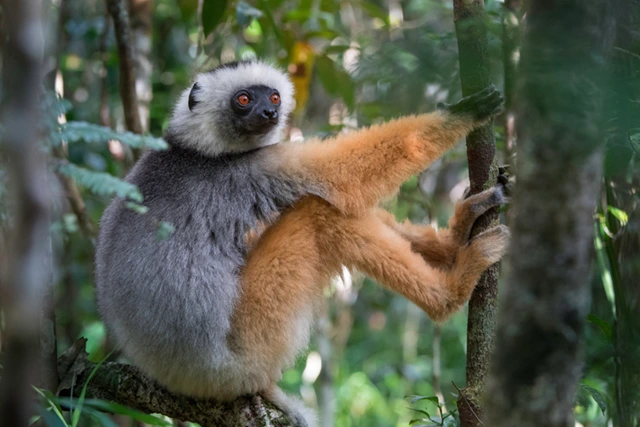
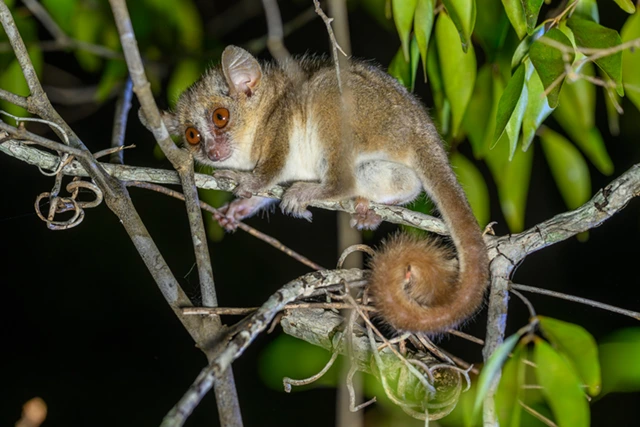
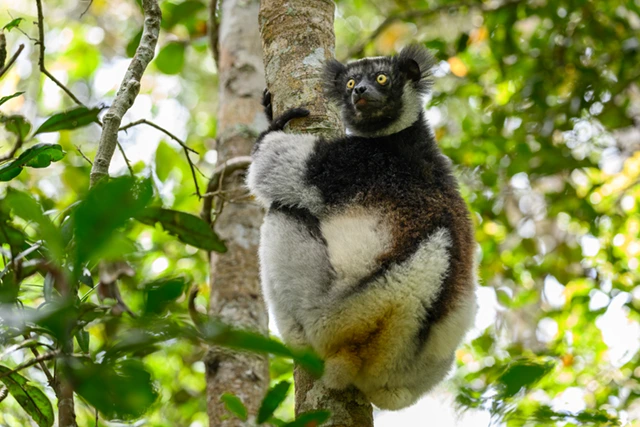
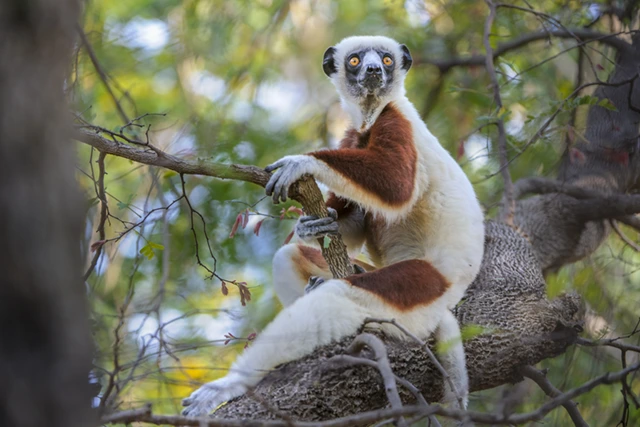
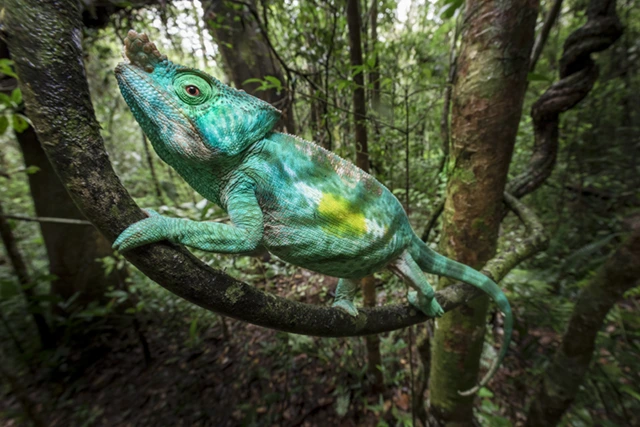 The island's most famous inhabitants are its lemurs - charming off-shoots of the primate family tree, whose ancestors arrived on the island over 50 million years ago. They've subsequently diversified spectacularly - today over 100 lemur species are known. Amongst the most endearing are the cuddly teddy bearlike indri and gorgeous diademed sifaka that live in the lush eastern rainforests. Here too are minuscule mouse lemurs and dwarf lemurs, amongst a different cast of characters only visible on the forest stage after dark.
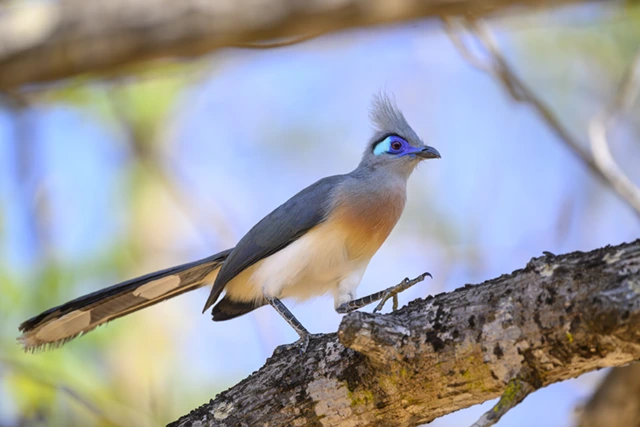
 There are numerous birds which are unique to the island (over 65% are endemic), including vangas with vastly varied beak shapes, noisy couas and colourful, skulking ground rollers. Reptiles too abound - over 60% of the world's chameleons are found nowhere else, including the world's largest - Parson’s chameleon - and smallest, the tiny stumptailed or leaf chameleons.
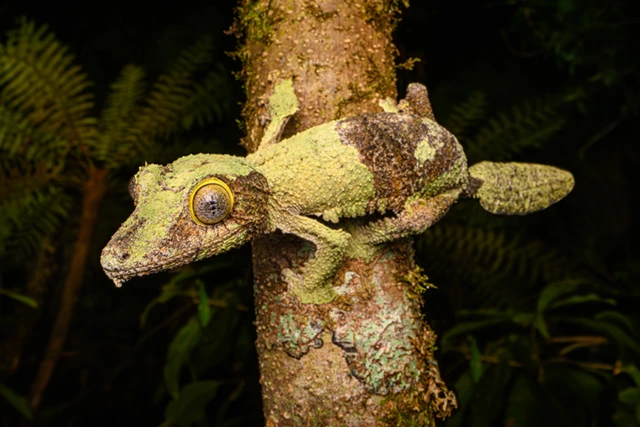
 More remarkable still are the amazing leaf-tailed geckos that achieve near-perfect camouflage, resembling tree bark or dead and shrivelled leaves. Add to this a myriad of colourful and very vocal tree frogs and a multitude of peculiar insects like the amazing giraffe-necked weevil and there's an omnipresent throng of accessible wildlife on hand to grab your attention.
 Madagascar offers so much variety that it's impossible to pick a single location that encapsulates it all. Nor is it a straightforward country to travel around and explore. Hence, for this Festival, we've chosen two of the island’s more accessible and most rewarding locations that in combination offer very different and complementary wildlife highlights and experiences.
 The first is Andasibe-Mantadia National Park, arguably Madagascar’s premier eastern rainforest reserve. Our base is Mantadia Lodge, which allows easy access to several different forest sites, where we should encounter indris, diademed sifakas, several other varieties of lemur, numerous chameleons, and a bewildering array of other species, all at close quarters.
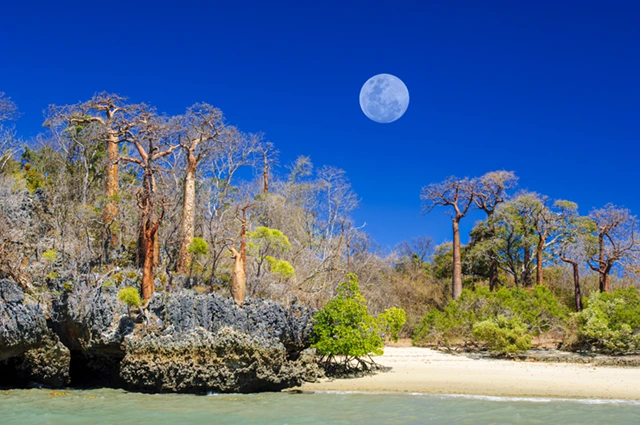
 We then move onto the beautiful beachfront L'Hotel Anjajavy in the north-west, where a private deciduous forest reserve is home to stunning Coquerel’s sifakas, brown lemurs and even the bizarre and bewitching aye-aye, surely one of the strangest mammals on Earth.
 Much of Madagascar’s extraordinary wildlife is under severe threat, as large areas of the island’s unique forests are being removed to grow crops. Sensitive wildlife tourism and working with the local community are integral strategies for the conservation of Madagascar’s remaining natural resources. The positive empowerment this brings to local communities is paramount. During this Festival, many of our outings are to community-managed reserves, which help to support numerous crucial conservation projects.
If you're looking for a wildlife spectacle in a destination like no other, then join our team of enthusiastic experts in 2026 and celebrate some of the planet’s most peculiar and treasured species. Magical Madagascar awaits you.
Find out more about our Festival of Wildlife in Madagascar, view all our wildlife holidays in Madagascar or contact our expert team to book your place.