Galapagos Wildlife Calendar

The Galápagos is an incredible location, with most of the animals and birds visible year-round. From lizards and iguanas to giant tortoises, sea lions and fur seals, cormorants, flamingos and boobies, to frigatebirds and penguins, the islands are rich with magnificent wildlife. There’s so much to see, and there really is no ‘best time’ to see wildlife in the Galapagos; it’s fabulous throughout the year. The archipelago is generally warmer and wetter between December and May, and between June and November, it’s cooler and drier, during which cooler ocean currents attract more marine life.
Below, you can find out more about what wildlife you can see in the Galápagos per month, including when to witness special events. It's the perfect tool if you have a certain species on your wish-list. Read on to find out when you should time your holiday to the Galápagos Islands.
January
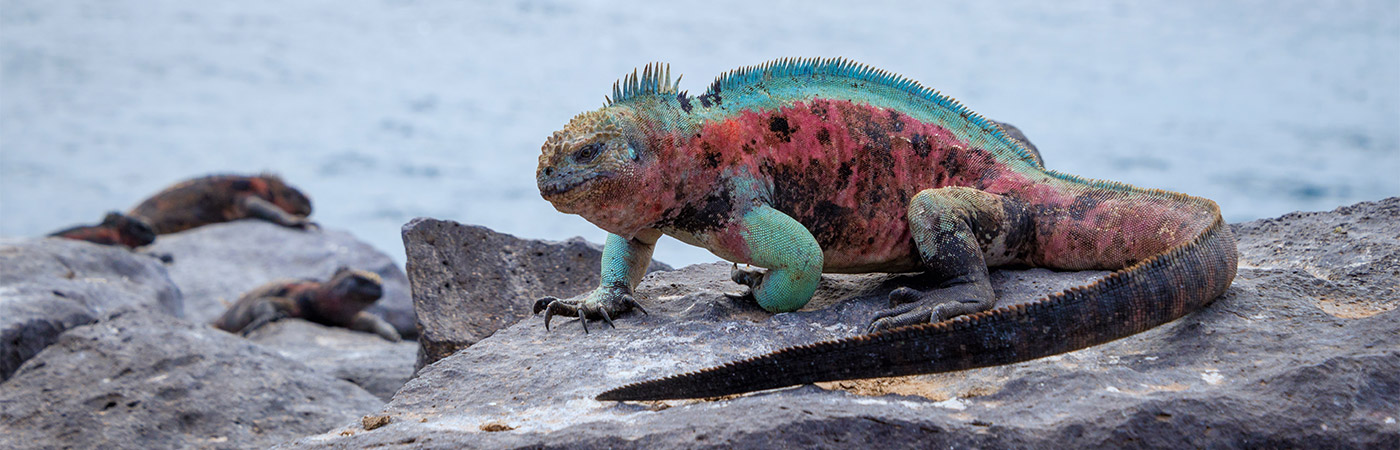
- On Española Island, adult marine iguanas change colours in preparation for their mating rituals
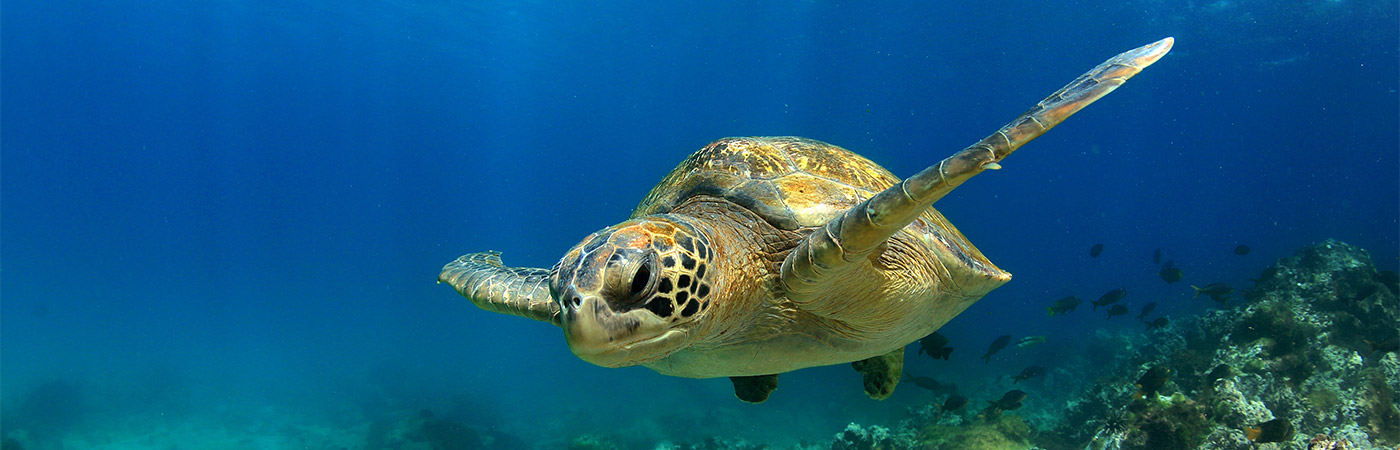
- Green turtles arrive to the beaches to lay their eggs
- Land iguanas begin their reproductive cycles on Isabela
- The water and air temperatures rise and stay warm until June – it's an ideal time for snorkelling
- The rainy season begins, and the land birds start nesting. Species such as red boobies, Nazca boobies, flightless cormorants and frigatebirds can all be seen
February
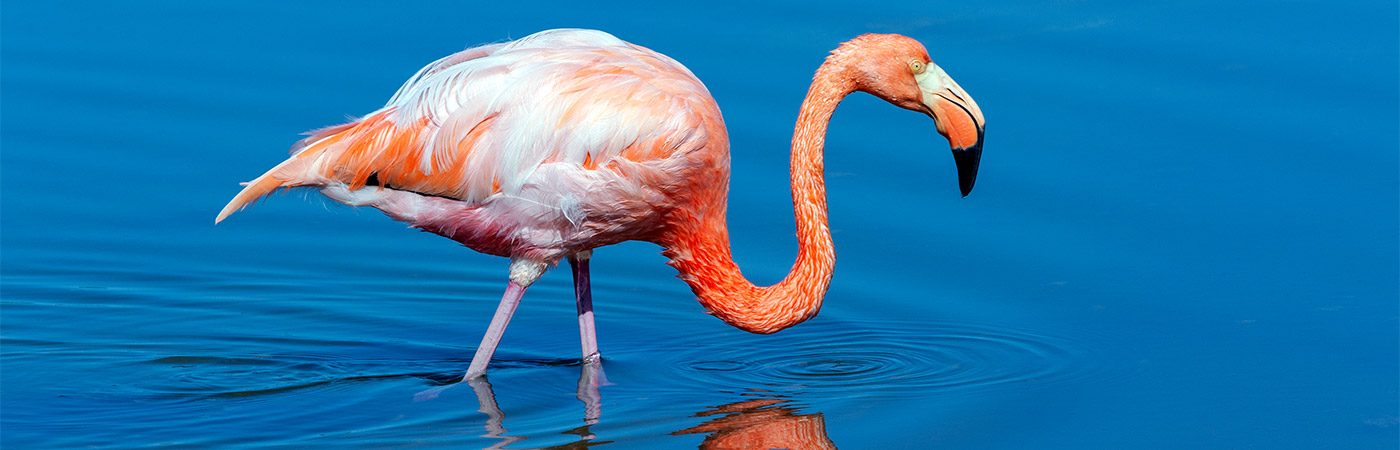
- Greater flamingos begin nesting on Floreana
- Beginning of the black-tailed pintails breeding season
- Nazca boobies on Española are at the end of their nesting season
- Marine iguanas begin nesting on Santa Cruz
- The water temperature reaches 25°C and remains constant until April
- The nesting season of the Galapagos dove reaches its peak
March
- The rainy season reaches its peak (but it doesn’t rain every day). The rains are sporadic and tropical the sun is intense, and the air temperature can reach up to 30°C
- Marine iguanas nest on Fernandina
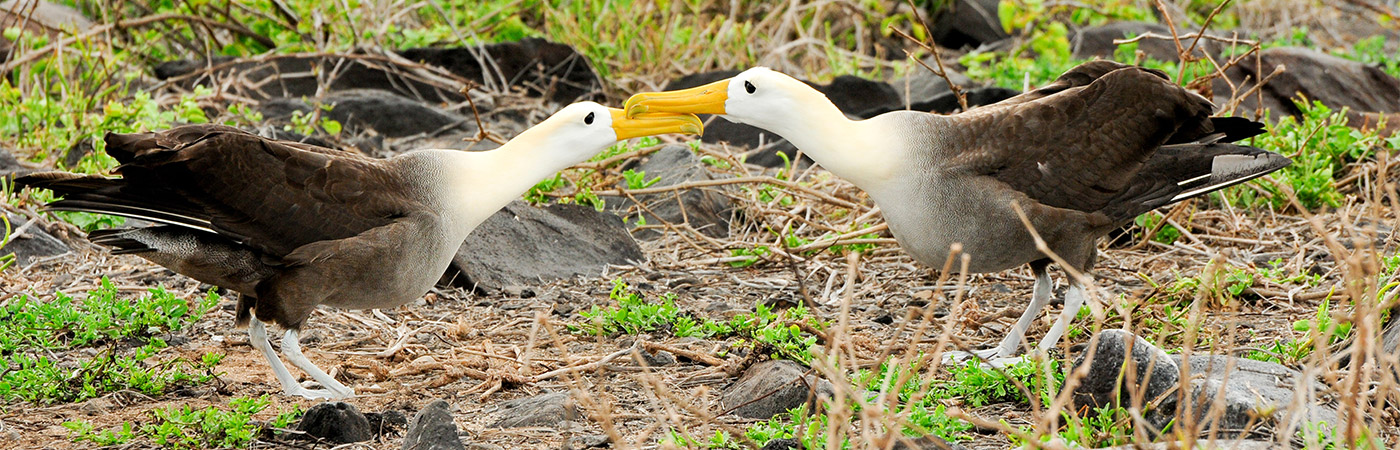
- 21st March, the beginning of the summer equinox, signals the arrival of the first waved albatross to Española
- Frigatebirds nest on San Cristobal and Genovesa
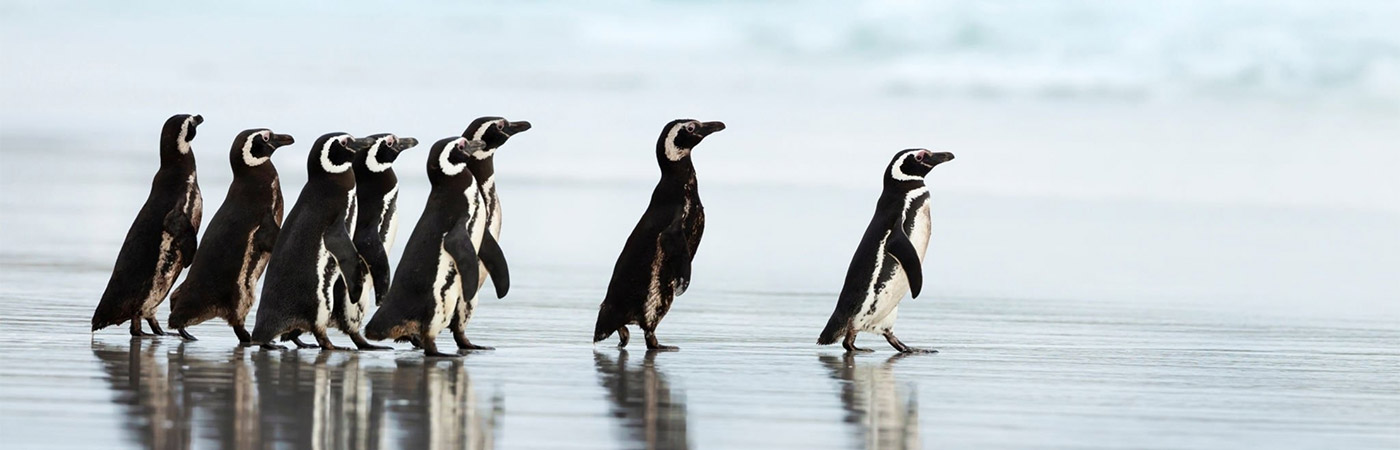
- Start of the nesting period for Galápagos penguins and flightless cormorants
April
- Waved albatross arrive en masse on Española to start their courtship
- Giant tortoise hatching season comes to an end
- Green sea turtle eggs start to hatch
- Land iguana eggs hatch on Isabela
- The rains have ended, but the islands are still green
- Good visibility in the water for snorkellers
- Wildflowers bloom in the highlands
- Excellent time to see Galápagos penguin on Isabela
May
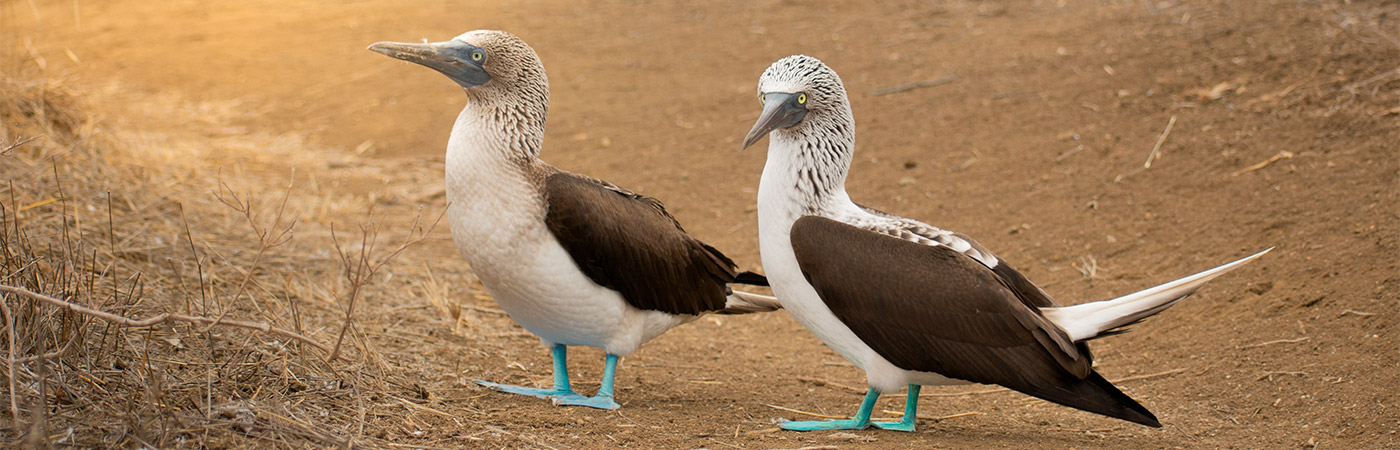
- North Seymour’s blue-footed boobies begin their courtship
- Green turtles are still hatching on Gardner Bay, Punta Cormorant and Puerto Egas
- The waved albatross on Española begin laying their eggs
- Band-rumped storm petrels begin their first nesting period
- Breeding and nesting also begins for other endemic birds such as Galápagos penguin, flightless cormorant and flamingo, offering a beautiful display
June
- Beginning of the cooler season
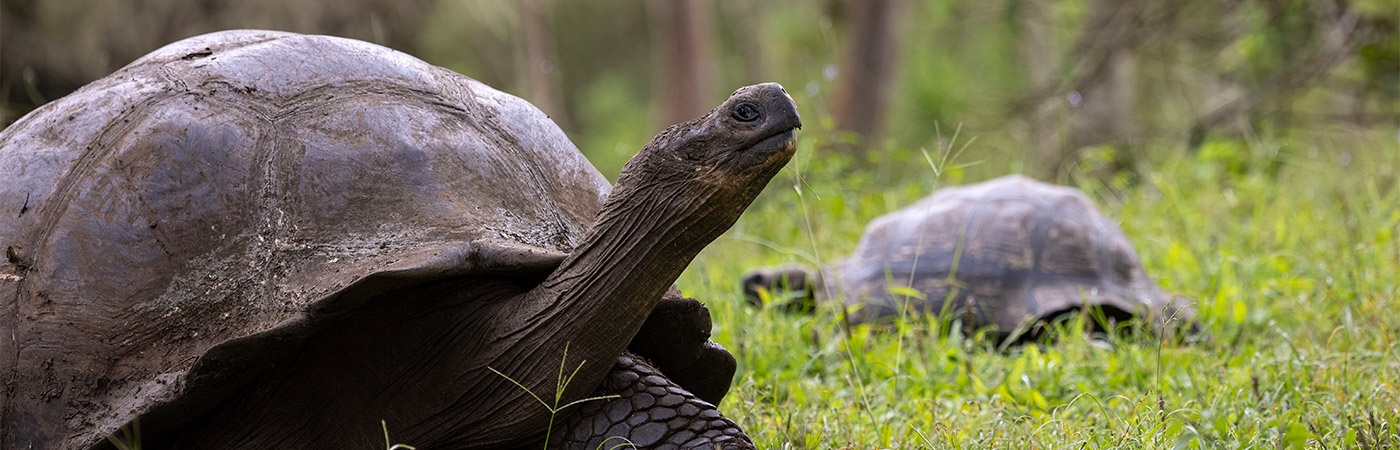
- Giant tortoises on Santa Cruz Island migrate from the highlands to the lowlands in search of suitable nesting places
- Beginning of the giant tortoises nesting season
- The south-east trade winds return, making currents stronger
- Southern migrant birds begin their journey towards the north. Galapagos is an important landfall
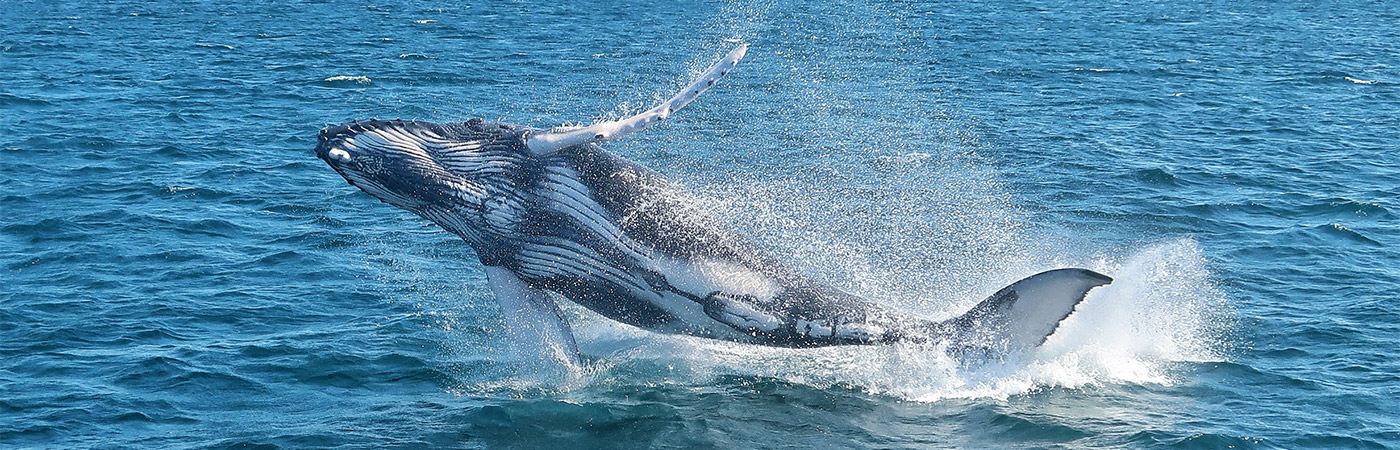
- Migrating humpback whales are seen between now and September
July
- Peak nesting season for seabirds
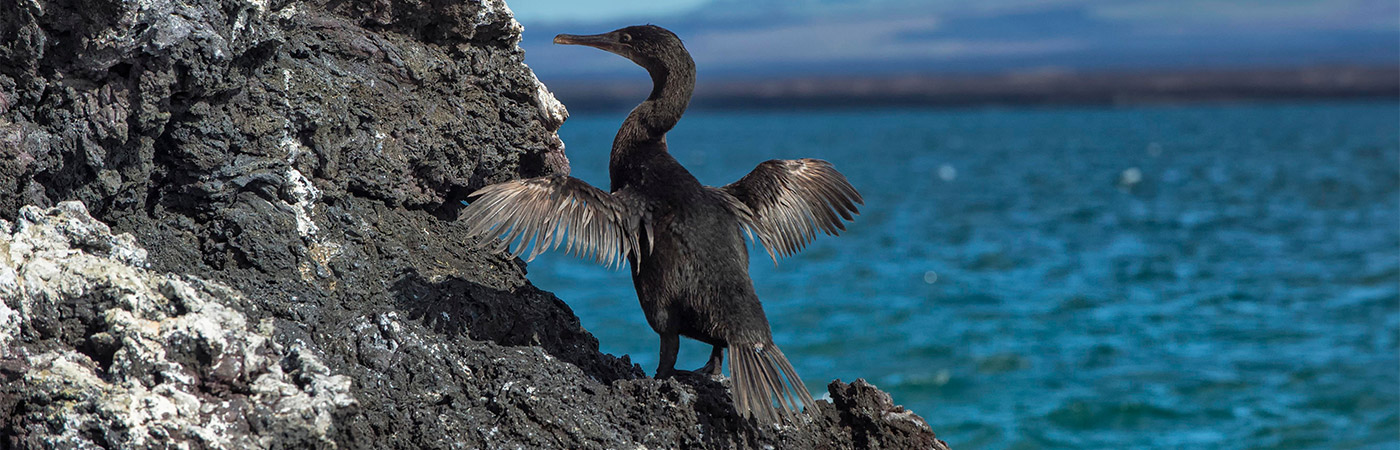
- Flightless cormorants perform beautiful courtship rituals and nesting activities on Fernandina
- American oystercatchers are nesting on the beaches of Santiago
- Lava lizards begin their mating rituals, which continue until November
- One of the best months for marine wildlife, including bottlenose dolphin, orca, hammerhead sharks, Bryde’s whale and whale shark
- A good time to observe the four stages of nesting in blue-footed boobies – eggs, chicks, juveniles and subadults
August
- Galapagos hawks begin their courtship displays on Española and Santiago
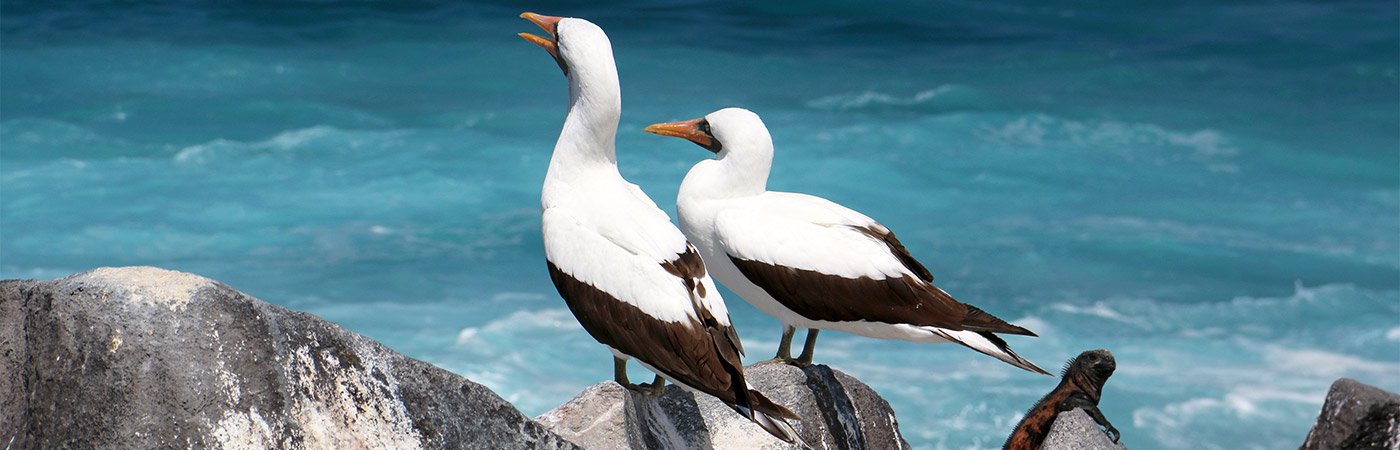
- Nazca boobies and swallow-tailed gulls nest on Genovesa
- The ocean temperature drops to 18°C
- Migrant waders begin to arrive and stay on the islands until March
- Giant tortoises return to the highlands of Santa Cruz after laying their eggs
- The sea is choppy, and ocean currents are at their strongest levels
- Galapagos sealions begin to give birth
September
- Excellent month for migrating whales off the coast
- The air temperature is at its lowest level at 19°C
- Galapagos penguins are at thier most active on Bartolome
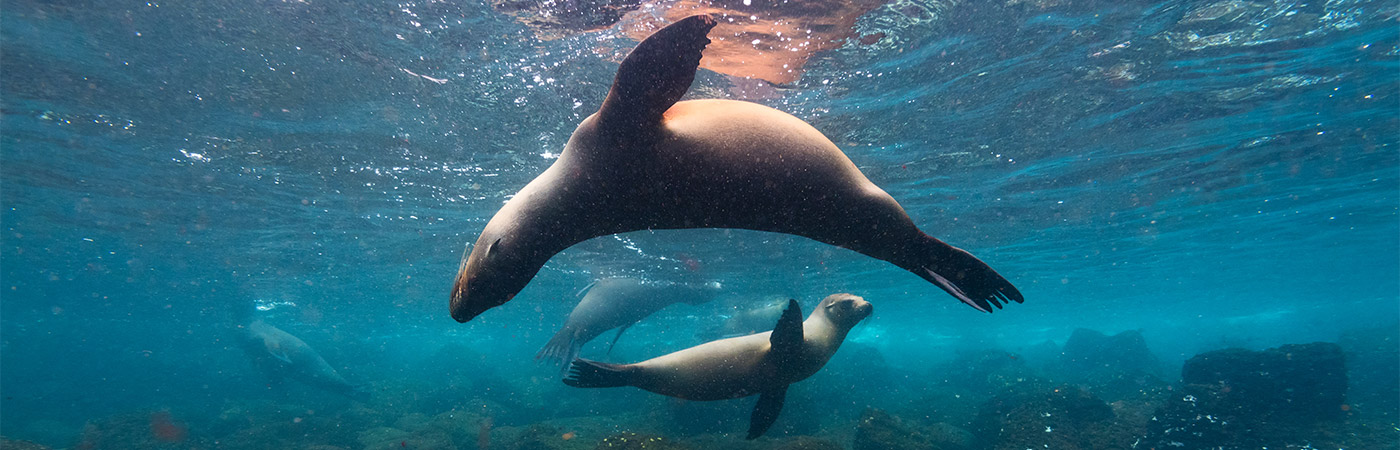
- Galapagos sealions are very active. Females have come into season and the males are constantly barking and fighting
- Most species of sea birds remain quite active at their nesting sites
October
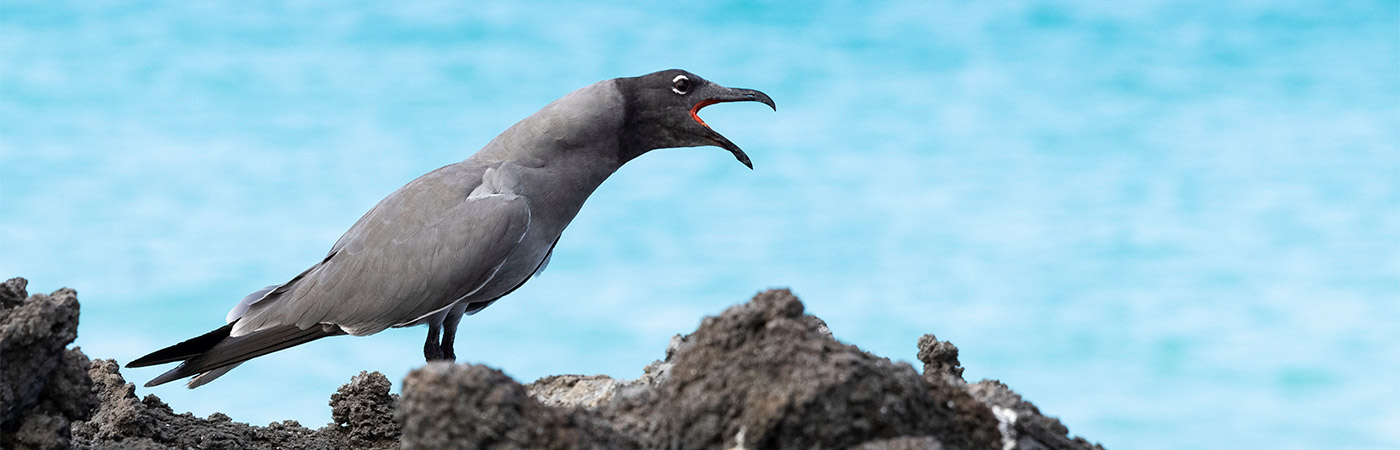
- Lava herons start nest building and continue until March
- The Galapagos fur sealions begin mating
- Blue-footed boobies raise their chicks on Española and Isabela
- Giant tortoises are still laying eggs
- The beaches are teeming with sea lions and their pups
- Ideal weather for hiking excursions
- Excellent time for photography with stunning natural landscapes and good lighting and early morning sunrises
- Endemic lava herons start building their nests close to the ocean
November
- Breeding season for the brown noddies begins
- Some species of jellyfish can be seen around the islands. The genus Physalia is commonly seen floating around Gardner and Tortuga Islets. Some can also be seen stranded on the shores of Flour Beach on Floreana
- Band-rumped storm petrels begin their second nesting period
- The seas are calm, and the south-east trade winds have decreased in strength. The water temperatures are slowly rising
- Generally good weather due to a seasonal transition
- Excellent visibility for snorkellers
- Migrating waders begin arriving from North America in good numbers
- Hammerhead sharks begin their migration as the dry season comes to an end
- Excellent month to encounter humpback whales, whale sharks, and sperm whales
- Galápagos penguins begin courtship
December
- Hatching of giant tortoise’s eggs begins and lasts until April
- Green turtles begin their mating display
- The rainy season begins and all the plants in the dry zone produce leaves. The Galapagos archipelago turns into a green oasis of lush vegetation and blossoming flowers
- The first young waved albatrosses fledge
- Marine and land iguana begin mating rituals
View all our wildlife holidays to the Galapagos Islands, or to find out more speak to our friendly team.