Land of the Lynx

Winter is a wonderful time to visit southern Spain, particularly the sierras of Andújar and Cazorla, areas that are home to an excellent variety of raptors as well as mammals such as mouflon, red squirrel and one of the world’s most endangered species of cat, the Iberian lynx. In this article, Product Manager Chris Smith describes our holiday to the area.
For many the idea of observing remarkable wildlife and experiencing true wilderness seems always to involve travelling to the planet’s most distant corners. Yet, in reality, this doesn’t have to be the case and you needn’t rack up the air miles to have memorable wildlife encounters. Whilst much of Europe has seemingly been developed beyond recognition, there are pockets of remaining wilderness that serve as strongholds for the continent’s beautiful, yet increasingly threatened, wildlife. Nowhere is this more evident than in southern Spain in the mountain ranges of Andújar and Cazorla.
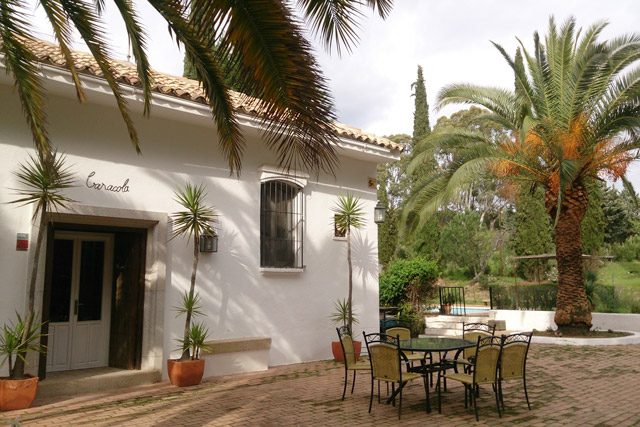
 On our small group wildlife holiday to Spain, we spend a whole week in this pristine environment enjoying the wealth of wildlife that it supports. Staying in a charming, traditional guesthouse that provides comfortable accommodation, authentic Andalusian character and delicious food, we set out to explore this wild region of Iberia.
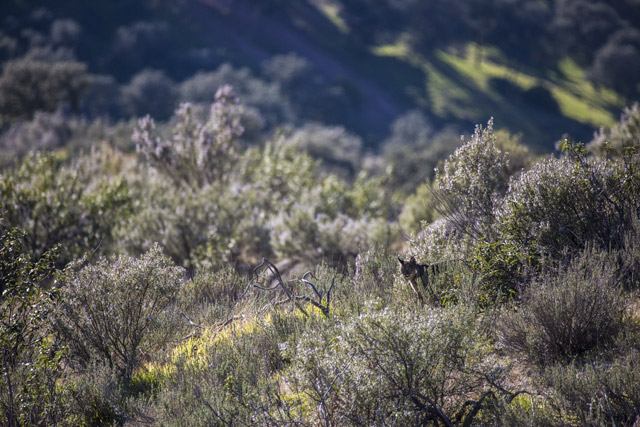
 The gently rolling hills of the Sierra de Andújar have some of the best-preserved swathes of natural Mediterranean forest and scrubland in Spain. Weathered oak trees and grassy glades dominate with rocky outcrops punctuating the vegetation, and it is in this expanse of relatively undisturbed habitat that we have the best opportunity for watching Iberian lynx, one of the world’s rarest cats.
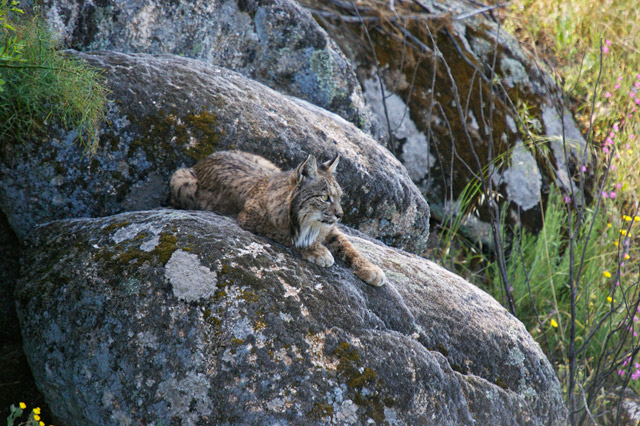 Almost extinct at the turn of the century, dedicated conservation efforts have brought the population back up to nearly 500, and the lynx are now, once again, breeding in the wild. With the aid of our private vehicles, and guides who have more knowledge and experience of the area than anyone else, we venture to the best locations for spotting these elusive felines.
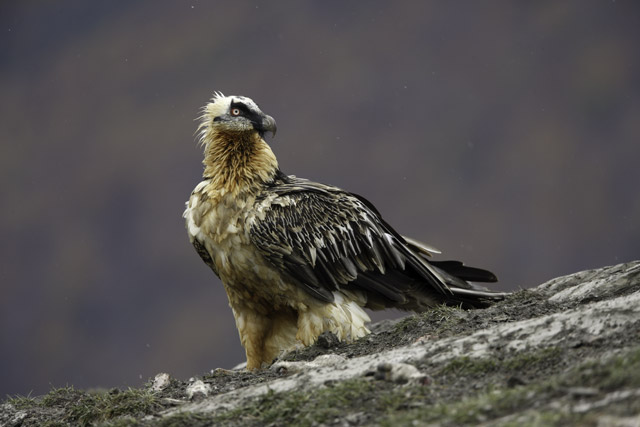
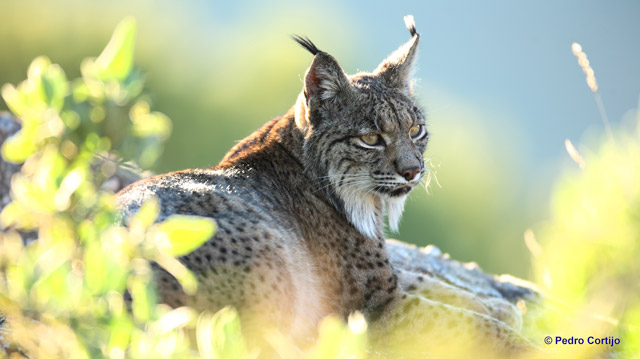 The defining feature of this region of Spain is the biodiversity of species that can be observed here. The locations for lynx are also reliable places for encountering red deer, otter, wild boar and fallow deer. To help us see more of the wonderful species found in this southern Spanish wilderness, we also spend time at Sierra de Cazorla which is a haven for some of Europe’s great raptors, including golden eagle, booted eagle, peregrine falcon, griffon vulture and the iconic lammergeier. This is in addition to a good range of mammals which includes mouflon, Iberian ibex, red squirrel and red fox.
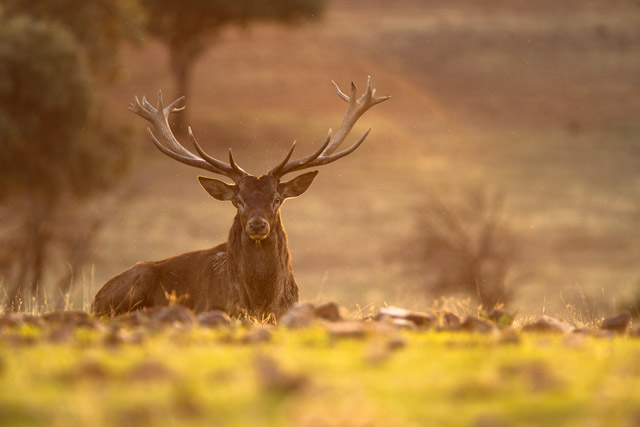 Image by José Luis Ojeda Navío.
 Our departures for Wild Spain are currently scheduled for the winter months which are the optimum time for wildlife observation on these south Iberian sierras and, in particular, increases our chance of seeing Iberian lynx. So, if you’re looking for a week of rewarding relaxed-pace wildlife watching, in stunning scenery and comfortable accommodation, accompanied by highly knowledgeable guides (plus some good company and delicious food and drink), all closer to home than you might expect, then Wild Spain is the perfect trip for you.
Join us as we watch Iberian lynx and other mammals and birdlife on our Wild Spain group trip. To find out more, contact a member of our team.