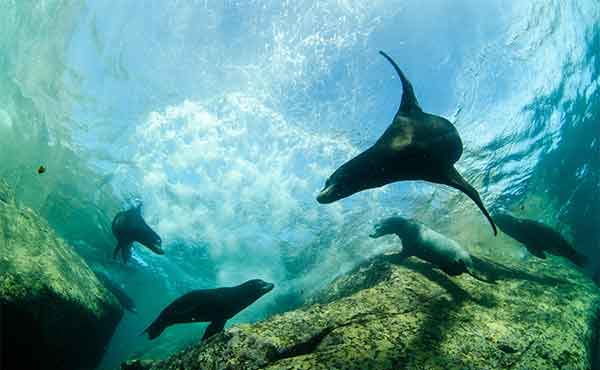
This month, I returned from a 10-day trip taking in the southern tip of the peninsula, the Sea of Cortez and then San Ignacio Lagoon - it's mind-blowing stuff. A visit in February or March will fill your mind with images that run so deep they will steal your soul forever and you’ll never be the same again.
 Cabo San Lucas (a playground for, mostly, wealthy North Americans) is where you're most likely to begin your trip - as I did on this occasion - and this is where the whale watching starts with a vengeance. On a boat trip from Cabo, you may only be 20-minutes out to sea before you have your first sighting of a whale, and it’s most likely to be a humpback - one of a significant number that travel to Mexico’s southern tip to breed and calve. Here, the males are in pursuit of receptive females, even though some of the females they are pursuing have only just calved themselves.
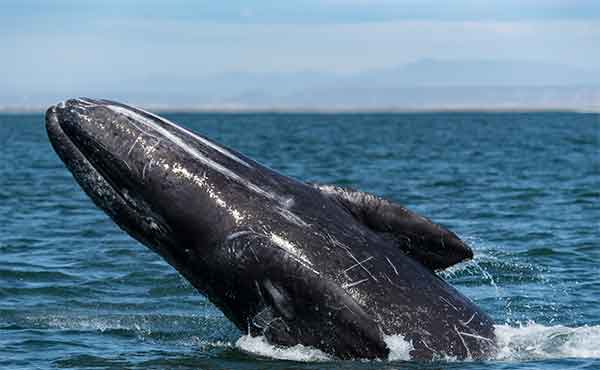
 The males don’t care, they will ‘escort’ the females in hope. They slap their tails and fins in gushing displays of almighty strength, and breach repeatedly showing off to any potential suitors. For photographers and non-photographers alike it's a dream come true. On my visit a couple of years ago we stopped counting when one humpback had breached 47 times - it was utterly exhausting to watch, but of course an extraordinary moment.
Heading up into the Sea of Cortez brings a whole new set of wonders including likely encounters with the largest mammal that has ever existed - the blue whale. They take sanctuary in the waters south of Loreto where they too come to calve and mate. But to describe a blue whale encounter as ‘amazing’ or ‘incredible’ is to do it an injustice, it's nothing short of life-changing.
 Nature is raw, and the young blue whales don’t all make it to adulthood as these waters are patrolled by resident pods of orcas that are looking for any signs of weakness at which point their collaborative instincts come into play and they will strike. But they're hard to find, and good fortune plays a big part in whether you’ll have an orca encounter. If you do, like we did in February, it will be imprinted on your mind for ever.
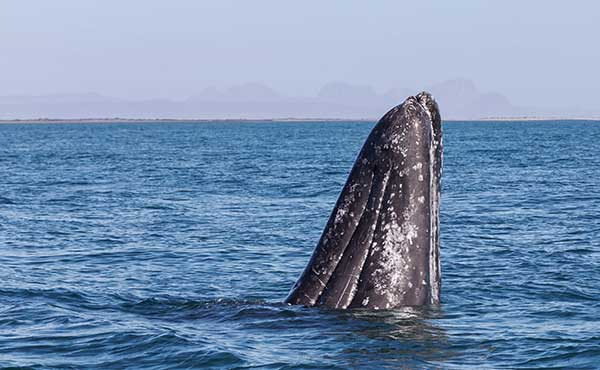
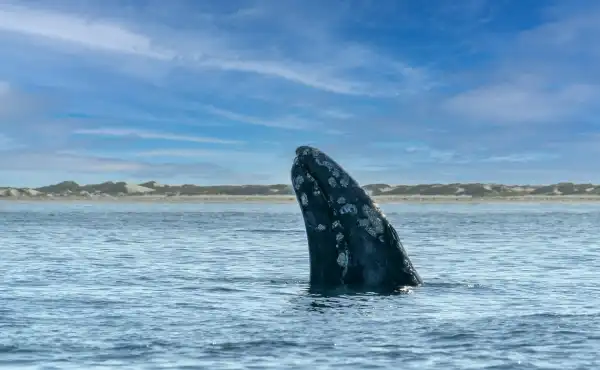
 But perhaps the best is yet to come. Staying in a beautiful tented camp on the shore of San Ignacio Lagoon, on the peninsula’s Pacific side you go out in pangas with a naturalist guide and a local fisherman - whose whale watching skills have become legendary - to look for grey whales. There aren’t just any grey whales though, these are whales that wish to interact with the small boats and appear to actively court human attention - this is not something that happens anywhere else. These are whales that defy all odds and travel south from Alaska to mate and give birth in the warm shallow waters of the lagoon which are safe from predators.
 But the whale watching here is only in accordance with the whales ‘terms and conditions’, not ours, and they really know how to steal a human's heart. They come right up to the pangas, nuzzle the engine, scratch their barnacles along the side of the boat, blow bubbles under the boat … all to the sound of whoops of joy and laughter.
 And then? They disappear as quickly as they appeared, and we hope desperately that they’ll do it all again, and again, and again ... Baja California is a very difficult place to leave.
Find out more about whale watching, or browse all our whale watching holidays in San Ignacio Lagoon and the Sea of Cortez, or to book your place contact our team!