Namibia: A Wonderful Wilderness

Tour Leader and Wildlife Photographer Emma Healey reveals the exceptional photographic opportunities in beautiful Namibia - a land of enormous sand dunes, big cats and fascinating desert-adapted wildlife.
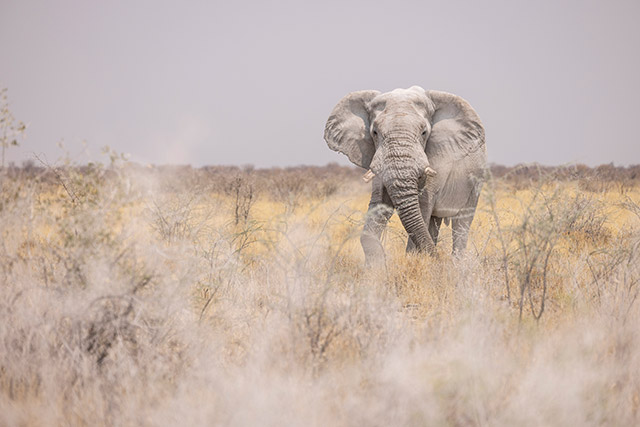
Offering some of the most diverse and seemingly uninhabitable landscapes in Southern Africa, Namibia is the second-least populated country in the world and on many people’s bucketlists. With the largest number of free-roaming cheetah, a good number of black and white rhino and desert-adapted elephants, the anticipation leading up to arrival is huge.
 Our ‘Wonders of Namibia’ tour takes us around the northern part of the country, covering 2,285 kilometres in 16 days. Starting in Epako, we travel from east to south Etosha, through Damaraland, to the stunning sunsets of the South Atlantic and finally back to Windhoek. At the start of a recent trip, the group’s ‘what I want to see’ list heavily favoured cats, dogs and rhinos, each of which, luckily, Namibia still has fairly good numbers of. In addition to the cheetah, lions and both black and white rhino, which we did see, the smaller animals were often the unexpected stars of the show.
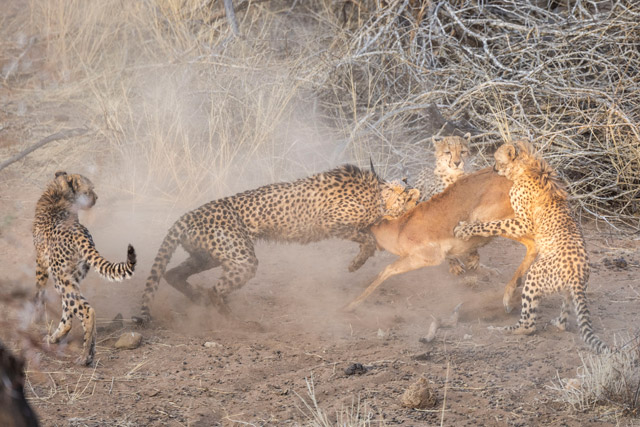
 On our second morning drive, we found a cheetah, at sunrise, sitting by the road with her three subadult cubs. As we arrived, they were just stretching and making their way to the waterhole nearby. After drinking, the cubs were playing but mum became focused on something and began to move away. As she started to trot, the cubs followed close behind. As we turned the corner, she was sitting still and the cubs were hiding by a tree trunk, watching a herd of impala that was grazing nearby and had become aware of her presence. The impala started to retreat but she was off, chasing them through a gulley and over the top, with a cloud of dust showing that a scuffle was taking place. We raced over the hill, along with her cubs, and there she was with her jaws around the neck of a large male impala. He made three valiant attempts to escape, but in the end, succumbed to his fate and provided the cheetahs with a much-needed meal. It's always hard to watch, but nature is nature and it’s a real privilege to watch a hunt in action.
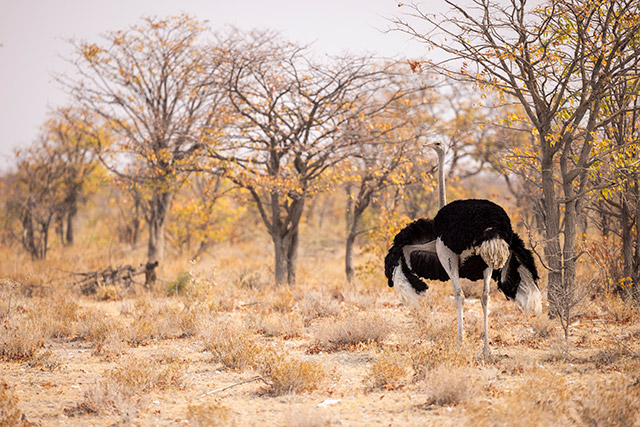
 Etosha’s waterholes provide fantastic wildlife opportunities and over a few days, we were lucky enough to sit and watch lionesses breeding and bachelor herds of elephants, including some young males play fighting, as well as various groups of hyenas, kudu, oryx, zebra, ostrich and black-faced impala. The openness of the landscape, and the eye-level views from some hides, enabled us to watch and photograph their behaviour, both within their groups and in the wider pecking order of the various species.
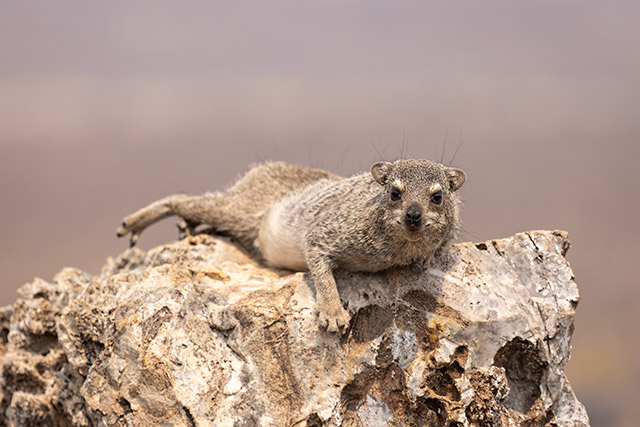
 At such a dry time of year, conditions weren’t great for macro photography with insects, but the smaller species didn’t disappoint. We had a couple of encounters with banded mongoose, which were much braver than usual and let us get down to eye level with them. Ground squirrels were also posing beautifully and both ground and rock agamas were very willing models. At Ongava Lodge, the rock dassies were fantastic at posing … when you could differentiate them from the rocks they were sitting on! In Swakopmund, the Living Desert tour introduced us to a number of species you don’t normally get to see, including Palmato gecko, Namaqua chameleons and shovel-snouted lizards and we learnt about their behaviour and the challenges they face on a daily basis.
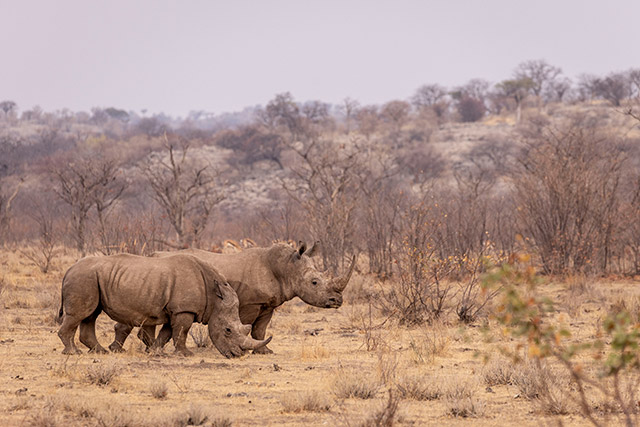
 With trips like this, it’s very difficult to summarise the highlights, as there are so many moments that make memories for the group. Whether it’s a hunt, kill, sunrise or sunset, an hour watching a honey badger, endless squirrel entertainment, or simply sitting quietly and watching two white rhinos resting, Namibia is a magical place to visit so you’ll have to come yourself to see what it has in store next time.
If you're interested in exploring Namibia, our friendly team are available to help - contact them today.