Seabirds, Elephant Seals & King Penguins in South Georgia

Wildlife Sales Consultant Helen Cox travelled on a trip of a lifetime to Antarctica's South Georgia earlier this year, and recounts her experiences, imploring you to follow the calling of your heart and see the magical wildlife of Antarctica for yourself!
Following Sir Ernest Shackleton’s epic journey in April 1916, I travelled from the icy white world of Antarctica, over the Scotia Sea to Elephant Island and onward to South Georgia. In contrast to the James Caird lifeboat, I was thankfully aboard the substantially more luxurious Greg Mortimer and, well-fed and warm, stepped out of my cabin and onto my balcony to gawp in awe at the magnificent sight of a burning red sunrise at an island that has been a place I’ve longed to see for as long as I can remember. I can only try and imagine what Shackleton, Worsley and Crean felt upon their arrival after their torturous journey.
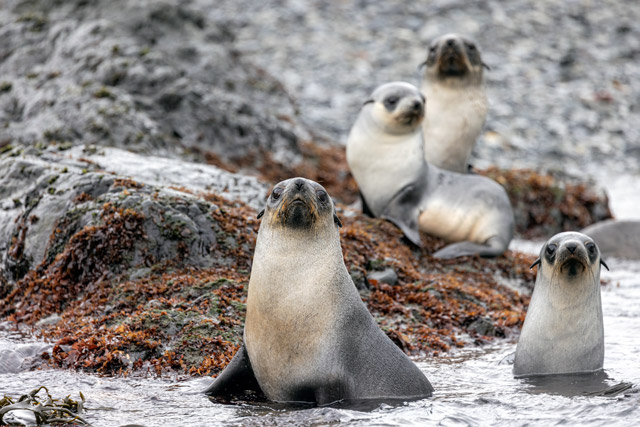
 It certainly feels like a haven after Antarctica. Although still festooned with glaciers, the green of the tussac grasses shimmering in the wind on the hillsides makes for such a welcoming sight. Porpoising fur seals and breaching humpback whales seemed to be rejoicing in fanfare at our arrival. Giant petrels and South Georgia cormorant, skuas and terns flew by the ship – as did a South Georgia pipit – the world’s most southerly songbird.
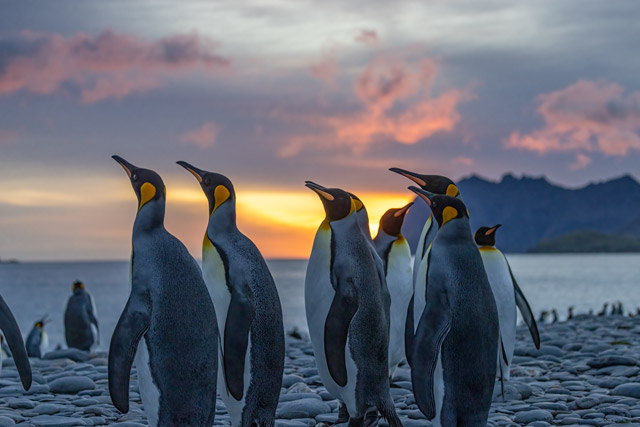
 Sub-Antarctic weather is notoriously changeable but on one idyllic sunny afternoon, I visited Gold Harbour. The name perfectly suits the place, with the sunshine bathing the mega colony of king penguins, complimenting their yellow-orange chest and amber cheek feathers and orange lower mandibles, becoming ever-more beautiful as the sun lowered. King penguins are extraordinary en masse – the cacophony of calls is overwhelming (as is the smell!) but on an individual level they are equally interesting, walking at the height of a three-year-old with a wobbling gait on short legs along the grey pebble stone beach, fending off the curious fur seals and greeting fellow penguins along the way. Others seemed to be enjoying bobbing in the surf in small rafts, before ducking below where they swim so gracefully or wading out onto the shore with less ease!
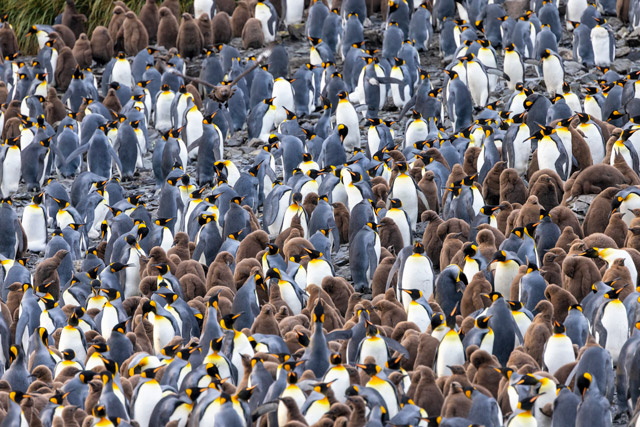 I visited in late March – Antarctic Autumn - and at the centre of the colony was a dense gathering of adults with large fluffy chicks, still being fattened up by their parents before they will leave them on their own to huddle together over winter and live on their reserves, before their mother and father return to feed the chicks again around September time. Giant petrels constantly surveyed the colony, looking out for small or weakened penguins, whilst Antarctic skuas and snowy sheathbills scavenged for carcases or eggs.
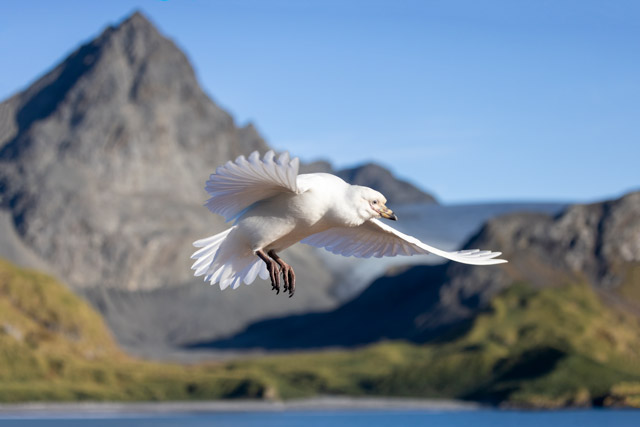 I witnessed an adult penguin at the edge of the colony as it looked down at the egg it held on top of its feet, then up again, then down – contemplating what to do? It was surely too late in the season for the chick – if alive – to survive. Later, the penguin rolled the egg off its feet with its bill and stared at it – still seemingly conflicted and continuing to defend it from surrounding penguins but then stepped further from the egg. Then came the skua. Penguins including the parent rallied to defend the egg but the skua made short work of it, stabbing the shell with its beak and gobbling the contents within moments, while a snowy sheathbill looked on hungrily. Such is nature here – a fine balance of life in all its incredibly well-adapted forms.
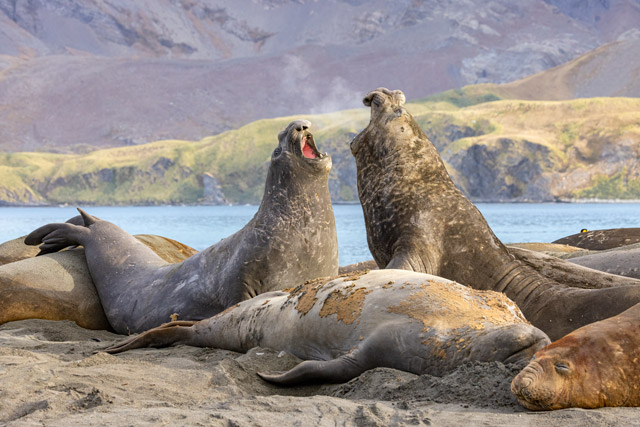
This brings me to elephant seals, the form of which is utterly improbable! At Gold Harbour, there were around 30 males lying together, hauled out on the beach. Ranging from four to six metres in length they were ginormous, blubbery things with faces and bodies akin to Jabba the Hut but with the characteristic large nose and fins! Typically weighing around 3,000 kilogrammes, the scale of them became even more apparent when a diminutive fur seal took what I imagine was a quite precarious walk close by. It wasn’t just their appearance that was amusingly repulsive but also the sound and smell of constant farting, snorting and burping! I can tell you from first-hand experience, elephant seals have bad breath! It’s amazing to think how these cumbersome giants turn into elegant swimmers, diving up to two kilometres underwater in search of squid and fish.
 With the sun dipping below the mountains and katabatic wind picking up, it was time to return to the zodiac and return to the Greg Mortimer. My goodness – what an experience it all was.
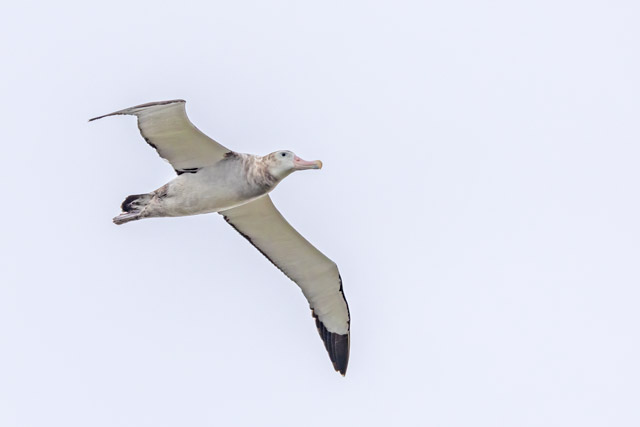 Altogether, South Georgia is a sensory overload – the soaring jagged-peaked mountains, gleaming white glaciers and incredible mass of wildlife on and around the island really make this an Eden for nature and one to treasure.
View all our holidays to South Georgia. Contact us to discuss your holiday plans or to book!