Searching for the Pantanal's Big Five

Wildlife photographer and Travel Consultant Emma Healey returns to the Pantanal leading our new wildlife photography trip to Brazil focusing on five of the region’s most sought-after species including its most famous resident, the jaguar.
The vast open wetlands of the Pantanal in west central Brazil are an incredible destination to observe and photograph wildlife. A fantastic variety of exciting species combined with typically high-quality sightings has led the Pantanal to become one of the leading wildlife viewing locations in South America, with many of the continent’s most elusive species frequently observed.
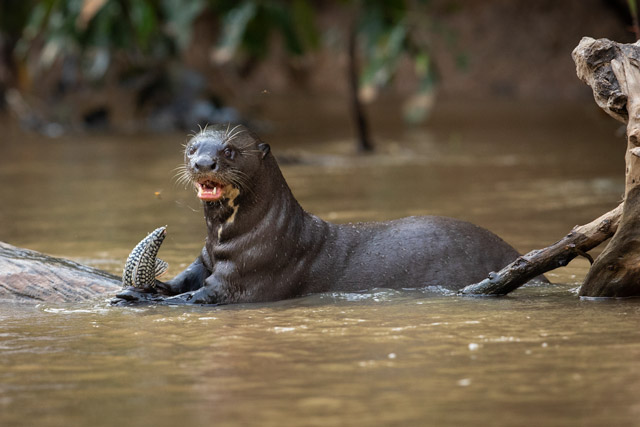
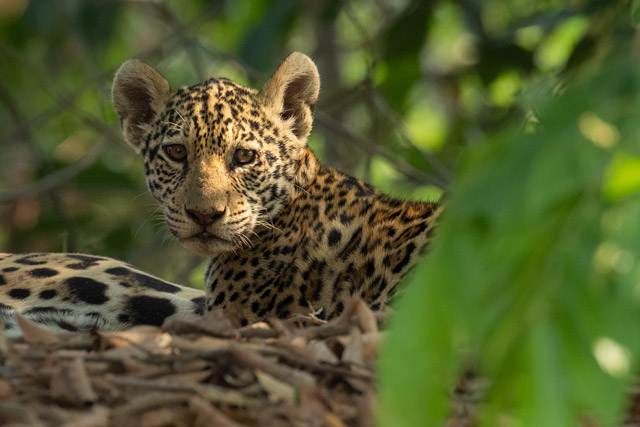 This exciting new trip goes in search of five of Brazil’s most sought-after species, seeking to observe these magnificent animals in their natural habitat, and with luck, capturing a stunning range of images of each. Arguably the Pantanal’s most famous resident, the jaguar, is frequently encountered along the vast network of waterways that typify this region, found resting in the shade of a tree or perhaps stalking an unsuspecting capybara or caiman. This same habitat provides refuge to another of Brazil’s big hitters, the ever so charismatic and entertaining giant river otter. Found in small family groups, they’re highly vocal and ferocious predators, consuming large amounts of fish and it’s not unknown for them to drive a jaguar away from an area if they feel threatened.
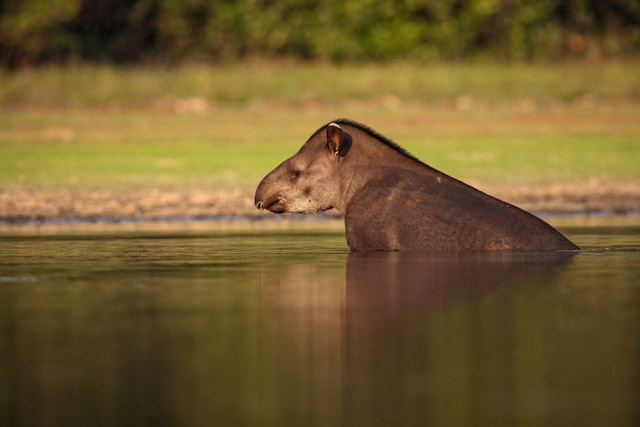
 Weighing up to 170 kilogrammes the Brazilian tapir is the largest terrestrial mammal in South America and despite their large size, it can be a challenge to find, moving silently through the undergrowth and often only active at night. However, they frequent specific fruiting trees and watering holes, particularly in the late dry season and this presents us with our best opportunity to view them.
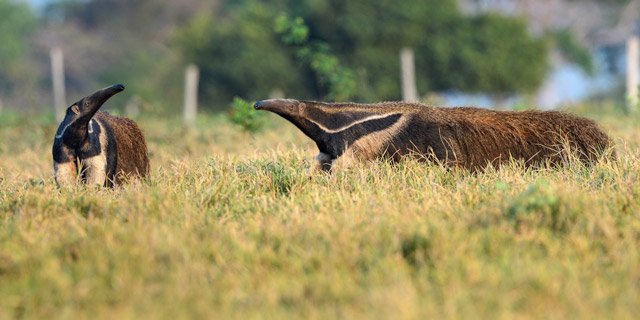
 There can be few creatures more bizarre looking than the giant anteater and rightfully it’s very often near the top of most people’s wish list when visiting Brazil. Whilst the Pantanal has a healthy population of this species, we specifically target them in the area around Bonito, where the vast open grasslands studded with termite mounds allow for better photographic opportunities. With two full days dedicated to this area, we have a great chance of encountering these fascinating animals.
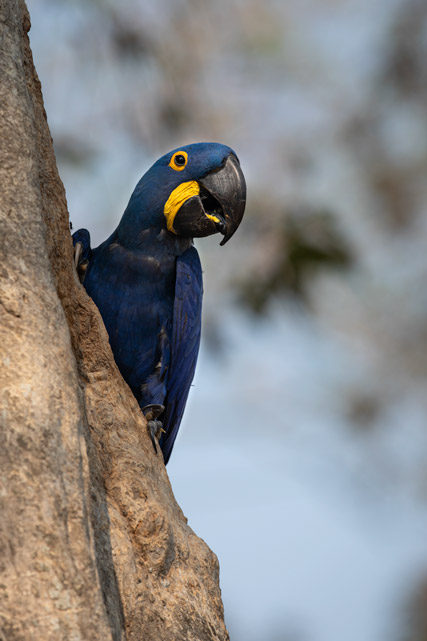
 Our fifth and final target, is of the avian variety, the hyacinth macaw, an iconic species of the Pantanal and at a metre in length, the largest flying parrot species in the world. We’re likely to see and hear these magnificent birds flying overhead throughout our time in the Pantanal, but there are a couple of locations where we hope to be able to observe them feeding on the ground or roosting at a lower elevation, allowing for some fantastic photographic opportunities.
 In our quest for Brazil’s Big Five we can expect to encounter a wealth of other mammals, birds, and reptiles, from ocelot and howler monkeys to jabiru storks and toco toucans. Each day will present an extraordinary range of subjects and with our exclusive vehicle and boat, we will endeavour to maximise the photographic opportunities at every turn. We will also travel south into the heart of the Pantanal National Park, encountering lily-covered lagoons and stunning landscapes seldom visited by other tourists.
 I’d heard a lot of hype about the Pantanal before my first visit and travelled with high expectations, but the experience far exceeded anything I ever imagined, and I can’t wait to return.
If you're feeling inspired join us on our wildlife photography holiday to Brazil. To book your place, contact our team.