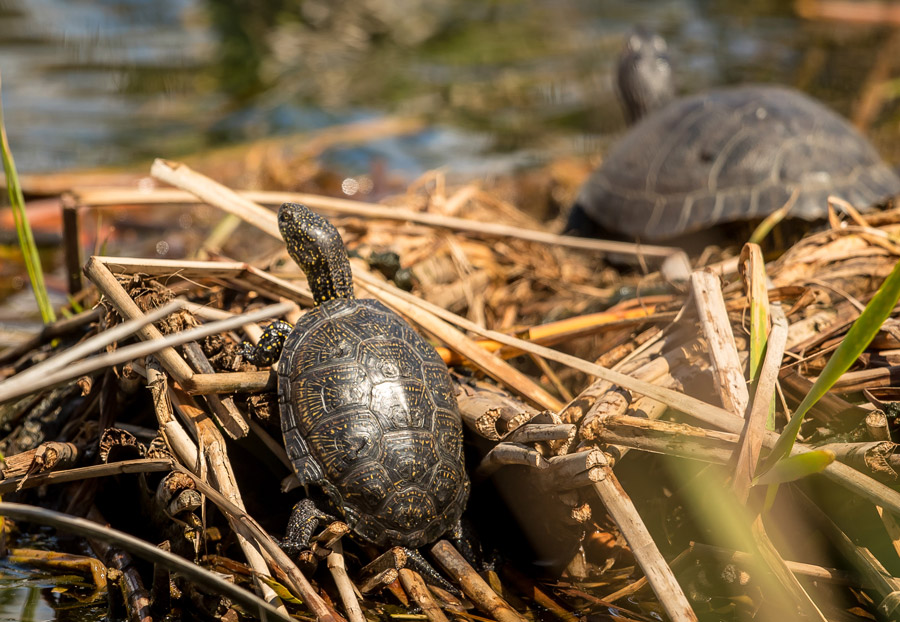
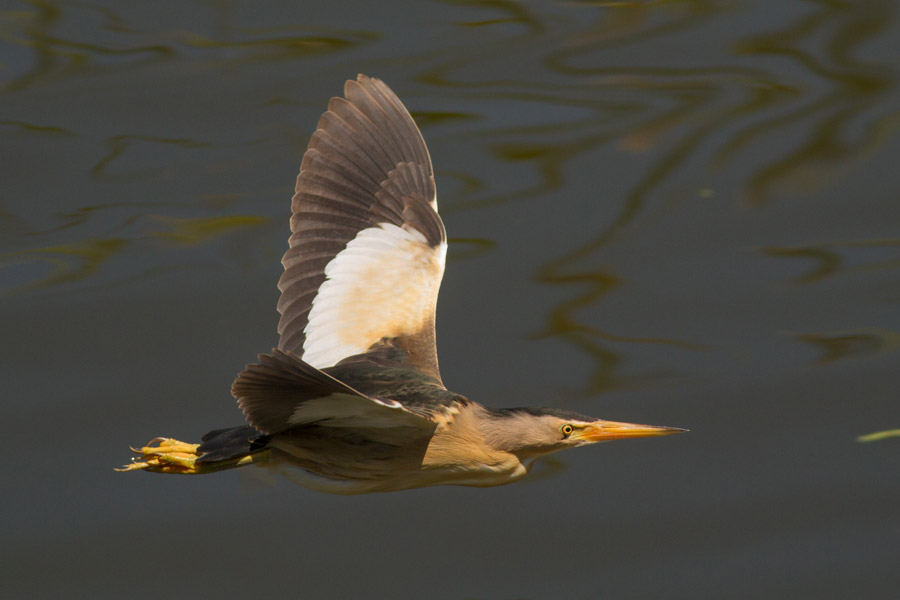
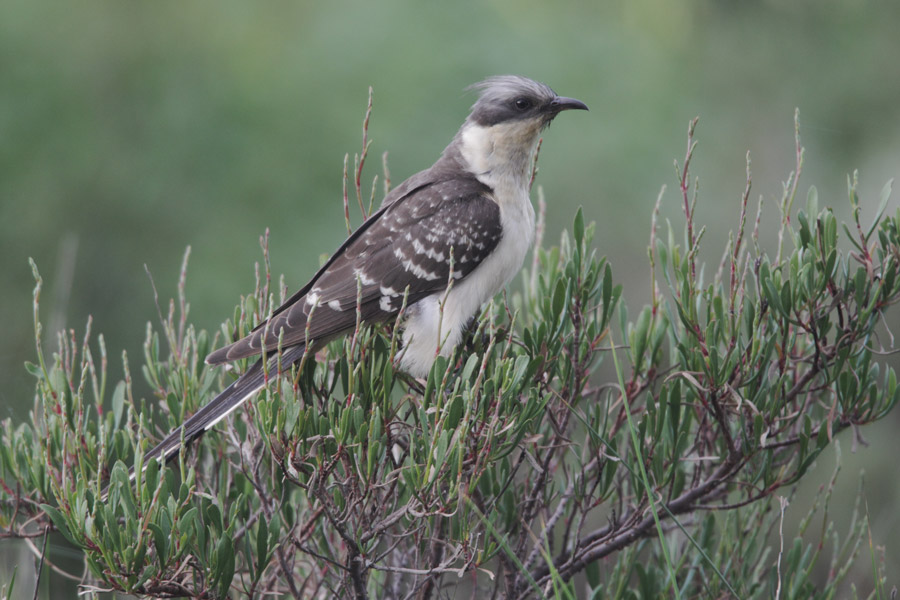
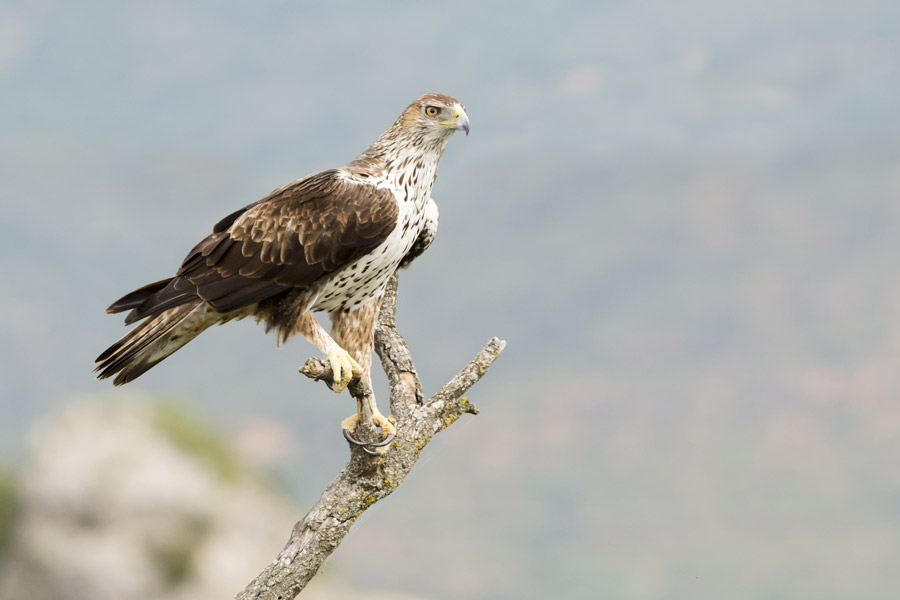
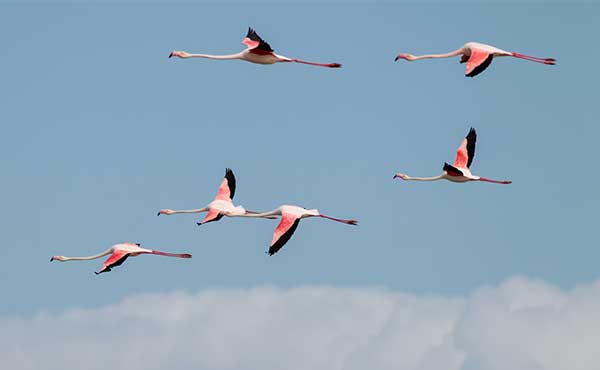
Portugal’s Alentejo and Algarve regions present first landfall to huge numbers of migrant birds each year and, along with a fine variety of resident species, offer some of Europe's best birdwatching.
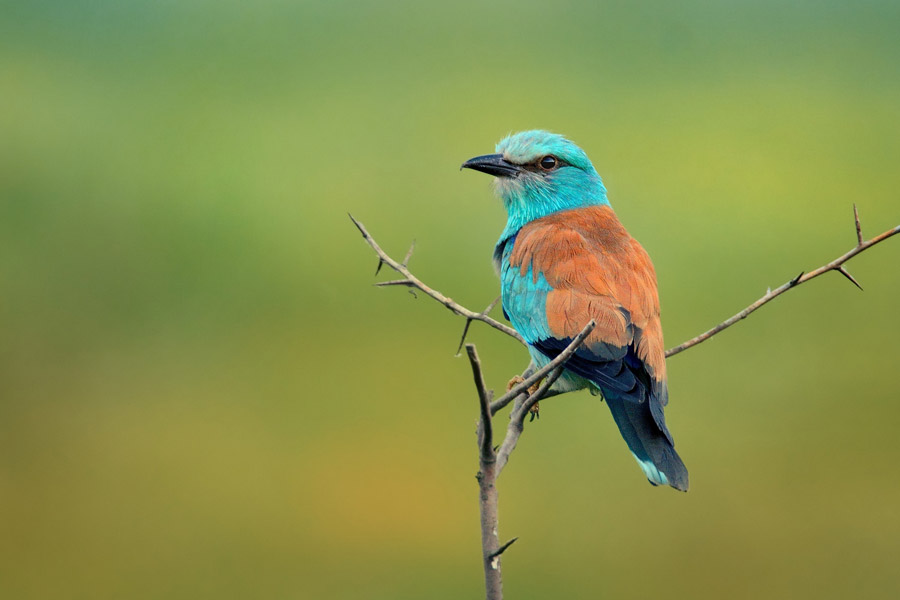
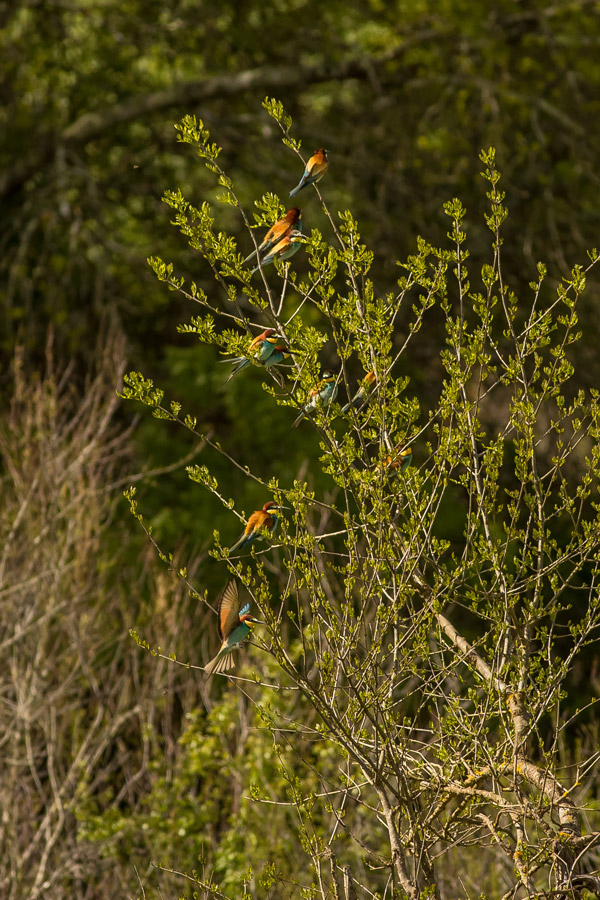
The rolling plains of the Alentejo are dotted with cork oaks and home to great and little bustards, larks, buntings, raptors including Montagu’s harrier, breeding white storks, European bee-eaters and hoopoes. Further south, the Algarve has a good variety of coastal habitats, from the rugged cliffs of Cape St Vincent on the Atlantic coast to the Salgados Marsh and Ria Formosa wetlands.
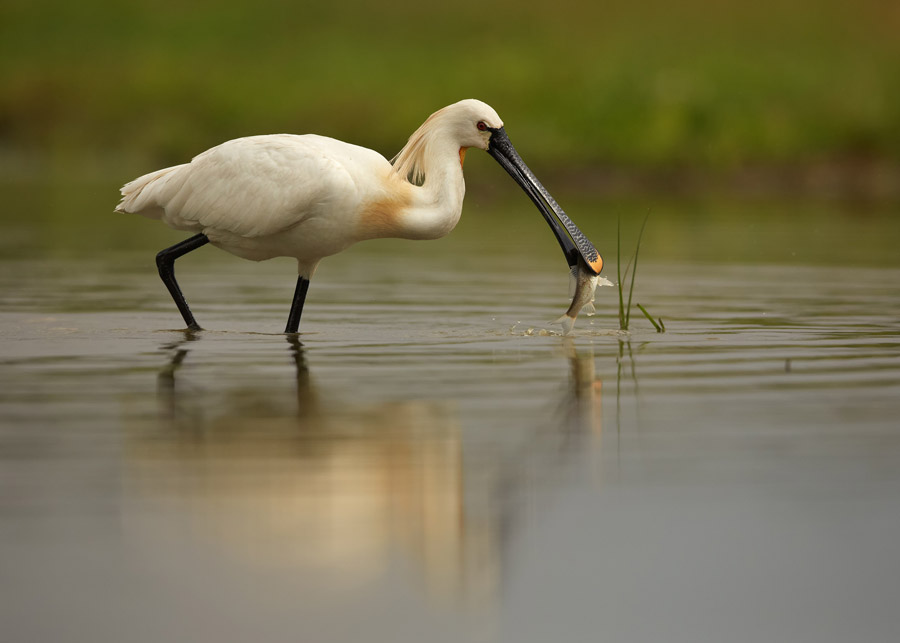
In spring this south-facing coast attracts countless migrant waders and other birds that pass through on their way to their breeding grounds. However it is not just the passing migrant birds that give such good possibilities for birdwatching in this area. There is also an impressive array of resident and breeding birds, including azure-winged magpie in the stone pines and purple swamphen in the freshwater marshes.
In addition, the flowers in springtime whether on the plains of the Alentejo or on the coastal heathlands, sand dunes or limestone cliffs, can be spectacular and varied.
View suggested itinerary