iSimangaliso (meaning ‘miracle’ in Zulu) was proclaimed a UNESCO World Heritage site because of the rich biodiversity, unique ecosystems and natural beauty in a relatively small area.
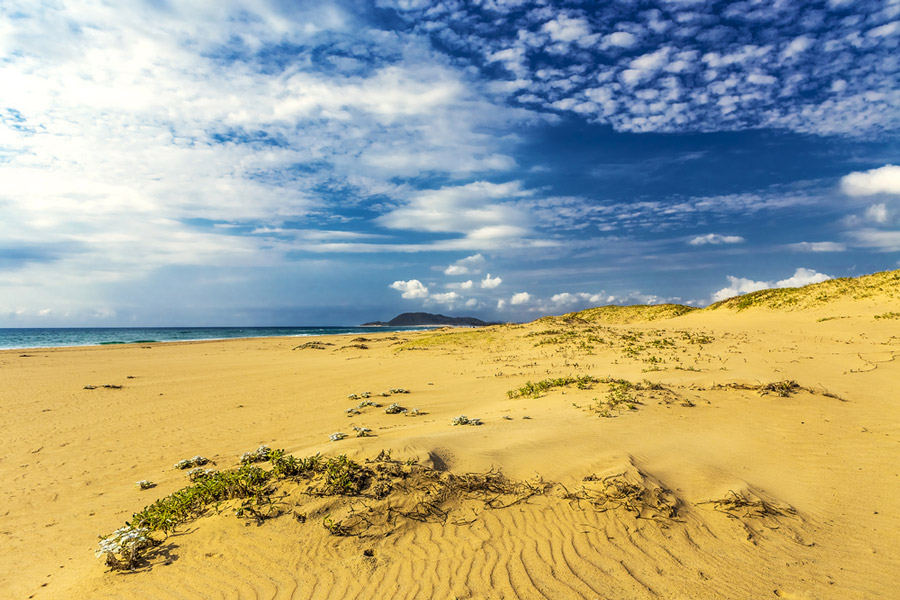
Formerly known as Greater St. Lucia Wetland Park, this nature reserve is the largest estuarine system in Africa, embracing five ecosystems: marine, eastern shores, Lake St. Lucia, Mkuze swamps and western shores. This diversity offers nature lovers a rich variety of outdoor and wildlife experiences. At 65 kilometres long and 21 kilometres wide, with its lakes, lagoons, freshwater swamps, and grasslands, iSimangaliso supports more species of animal than the better-known Kruger National Park and the Okavango Delta, although these areas are much larger.
Situated offshore is the almost virgin Maputaland Marine Reserve, offering extraordinary diving and snorkelling encounters with huge shoals of fish, with raggedtooth sharks, cetaceans, pristine reefs and excellent visibility. From April through to October, there is a good chance of seeing the humpback whale migration - June, July and August being the peak months. On land you can enjoy nature walks to explore the area's unique flora and fauna or simply relax on the beach or in a hammock.
“The St. Lucia Wetland Park must be the only place on the globe where the world’s oldest land mammal (the rhinoceros) and the world’s biggest terrestrial mammal (the African elephant) share an ecosystem with the world’s oldest fish (the coelacanth) and the world’s biggest marine mammal.” Former South African President Nelson Mandela, 10th August 2001.
View suggested itinerary