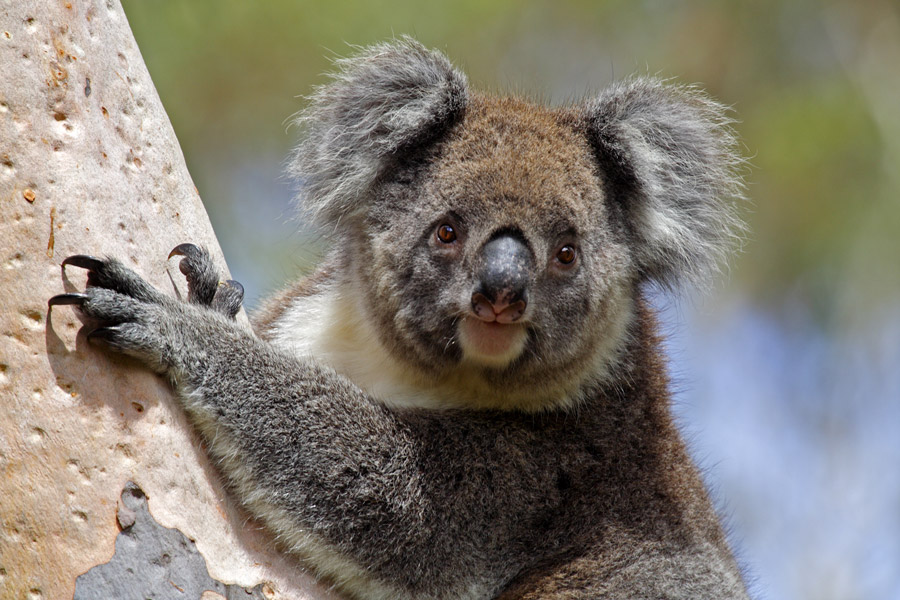
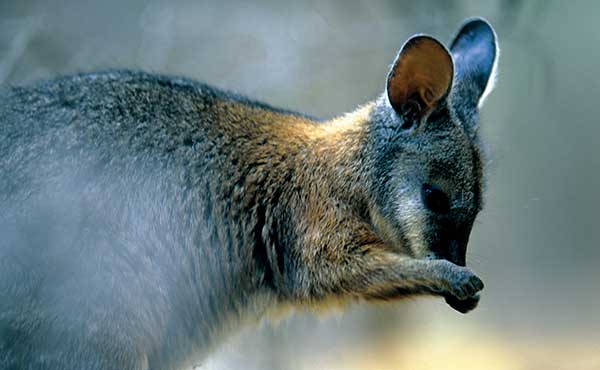
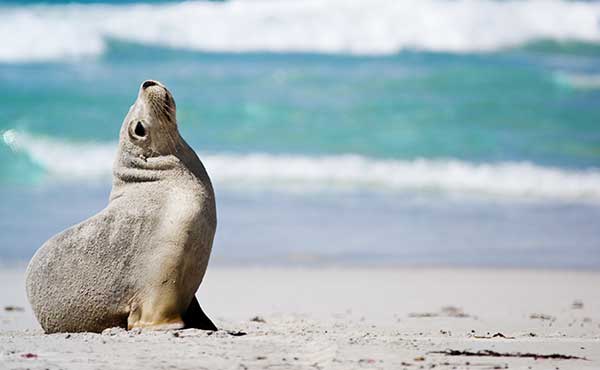
A refuge for native wildlife, Kangaroo Island has its own kangaroo species, endangered Australian sealions, echidna, koalas and 267 bird species. From May to September migrating southern right whales may be seen.
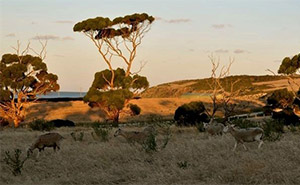
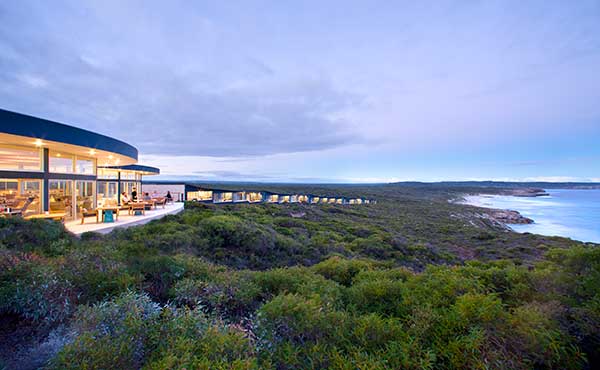
Kangaroo Island is a remarkable sanctuary for Australian native species, with none of the pests prevalent on the mainland and a tiny human population – fewer than three individuals per 1.5 kilometres. Most of the island’s beaches are deserted, except for wildlife.
With five protected areas on the island: Flinders Chase National Park, Seal Bay Conservation Park, Cape Gantheaume Conservation Park, Cape Bouger Wilderness Protected Area and Ravine des Casoars Wilderness Protection Area, Kangaroo Island's many species include short-beaked echidna, koala, the tammar wallaby – the smallest of the wallabies – and the platypus. Here you might also see the glossy black cockatoo and the southern brown bandicoot.
There are many ways to enjoy close encounters with the wildlife that thrives in this pristine environment. From four-wheel-drive style tours or quad bike rides through the bush, to boat trips to visit little penguin colonies or swim with dolphins.
The island is not only famed for its wildlife. There is a ‘Farm Gate and Cellar Door Trail’ celebrating the islands fresh produce – including honey from Ligurian bees, gourmet cuisine and locally produced wines. Australia’s third largest island, Kangaroo Island is 155 kilometres long from east to west, and lies 112 kilometres southwest of Adelaide, just a short flight, or a ferry ride from Cape Jervis.
View suggested itineraries