Komodo National Park is located within Indonesia's Lesser Sunda Islands. A UNESCO World Heritage Site since 1986, it is home to the world’s largest lizard – the Komodo dragon.
This national park consists of the three large islands of Komodo, Padar and Rinca, as well as 26 smaller ones. Accessible only by boat, the islands offer unparalleled views and easy hikes on grassy slopes. Visitors to Komodo can enjoy world-class snorkelling in warm turquoise waters abundant with marine life, as well as dramatic white sandy beaches.
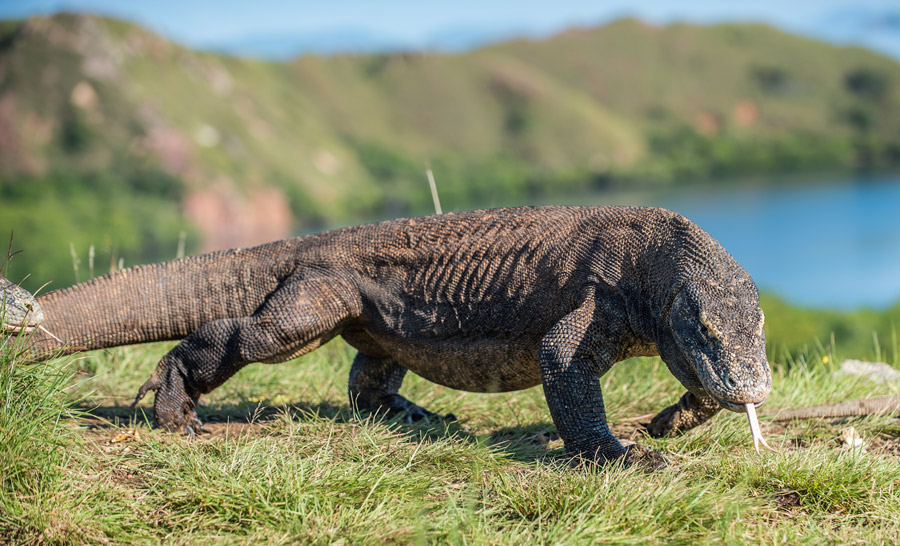
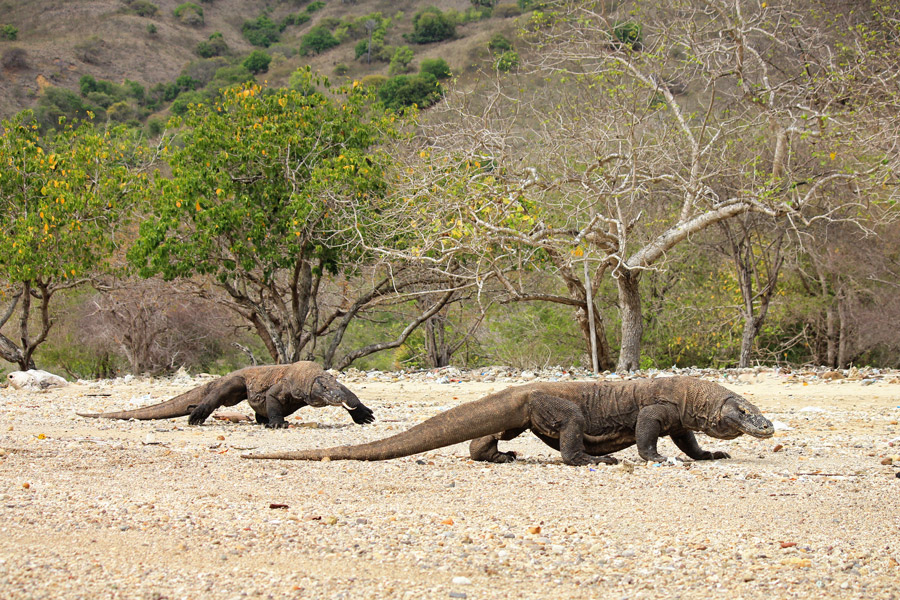
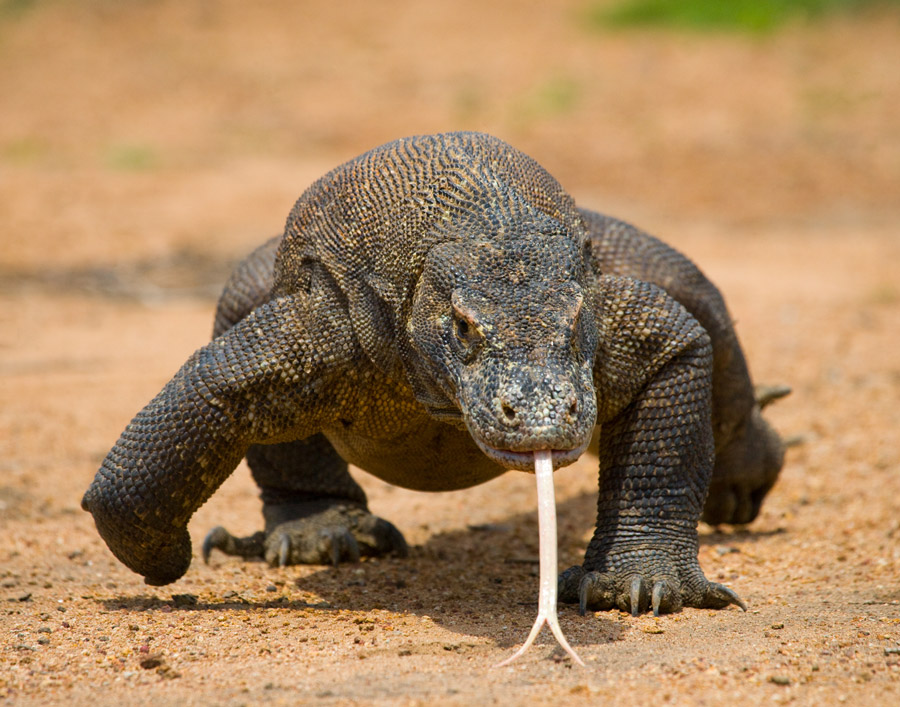
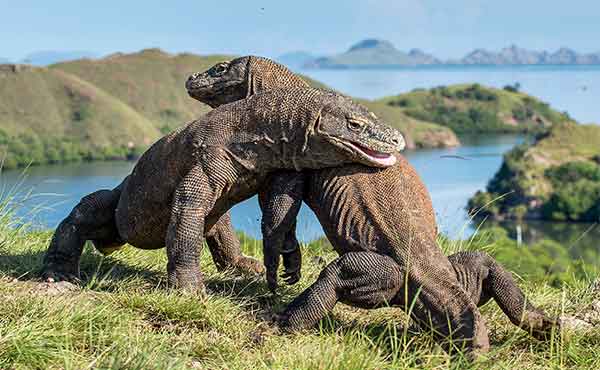
However, the reason the vast majority of travellers head to Komodo is to the animal that has made this part of Indonesia famous across the world. The Komodo dragon is the largest lizard in the world, growing to lengths of more than three metres, and is known to take down large prey like deer and water buffalo.
In 1969, American biologist Walter Auffenberg moved to the island of Komodo to study these famous lizards. He noticed that when large animals like water buffalo were injured by dragons, they soon developed fatal infections. Based on this observation, but no actual evidence, he suggested that the dragons use bacteria as a form of venom. When they bite prey, they flood the wounds with the microbes in their mouths, which debilitate and kill the victim. This explanation is found in textbooks, wildlife documentaries, interpretative signage in zoos, and more. It's also wrong... In 2009, Bryan Fry from the University of Queensland discovered the true culprit behind the dragon’s lethal bite, by putting one of them in a scanner. The dragon has venom glands, which are loaded with toxins that lower blood pressure, cause massive bleeding, prevent clotting and induce shock. Rather than using bacteria as venom, the dragons use actual venom.
View suggested itineraries



 EXPEDITION VESSEL
 EXPEDITION VESSEL