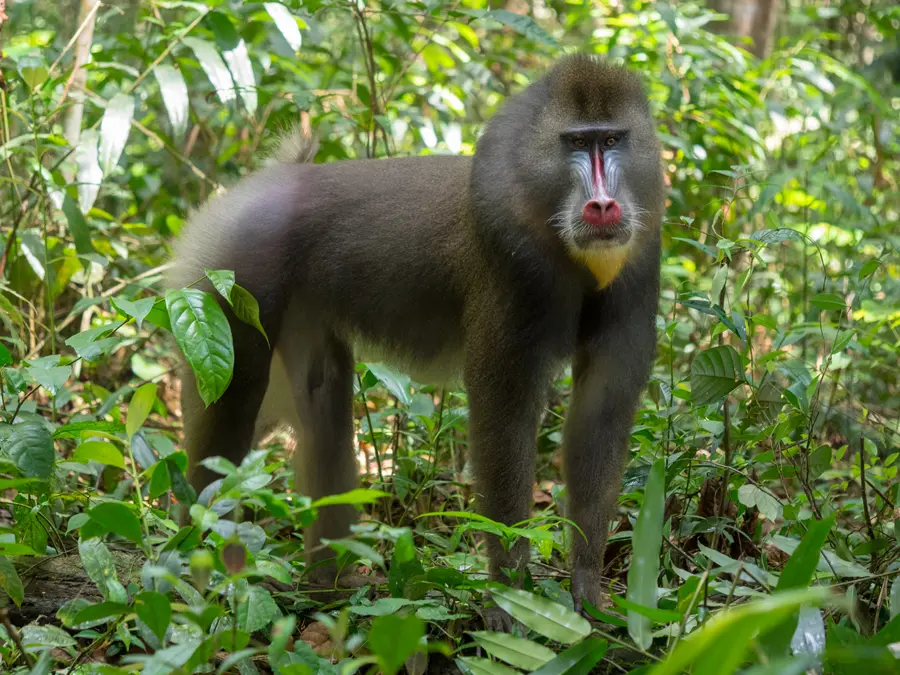
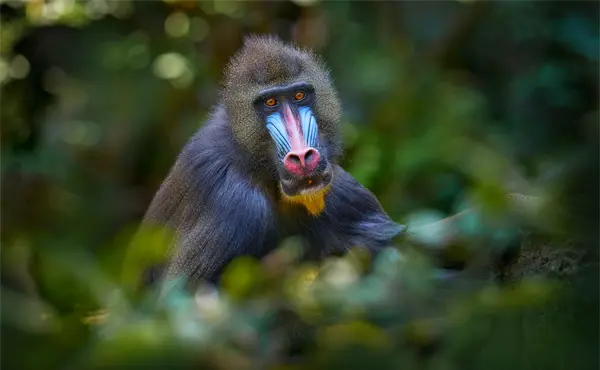
Lopé National Park is one of Central Africa’s most compelling protected areas, and an excellent showcase of Gabon’s biodiversity. It sits at the transition zone where equatorial rainforest meets open savannah, and is home to Africa’s largest population of mandrills.
Covering around 5,000 square kilometres of protected area in the heart of Gabon, Lopé National Park lies within an ecological transition zone where dense tropical rainforest meets open savannah, an unusual combination that supports an exceptional diversity of species.
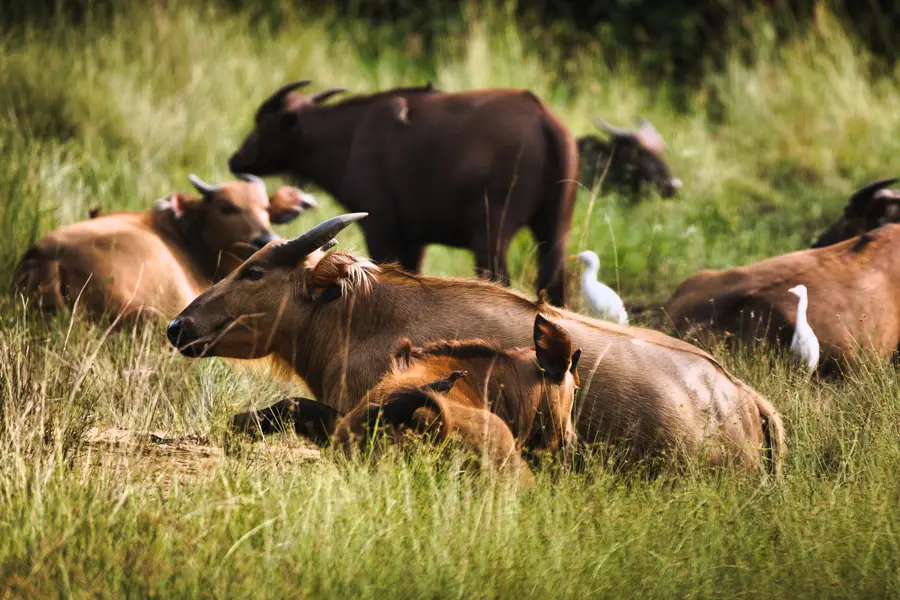
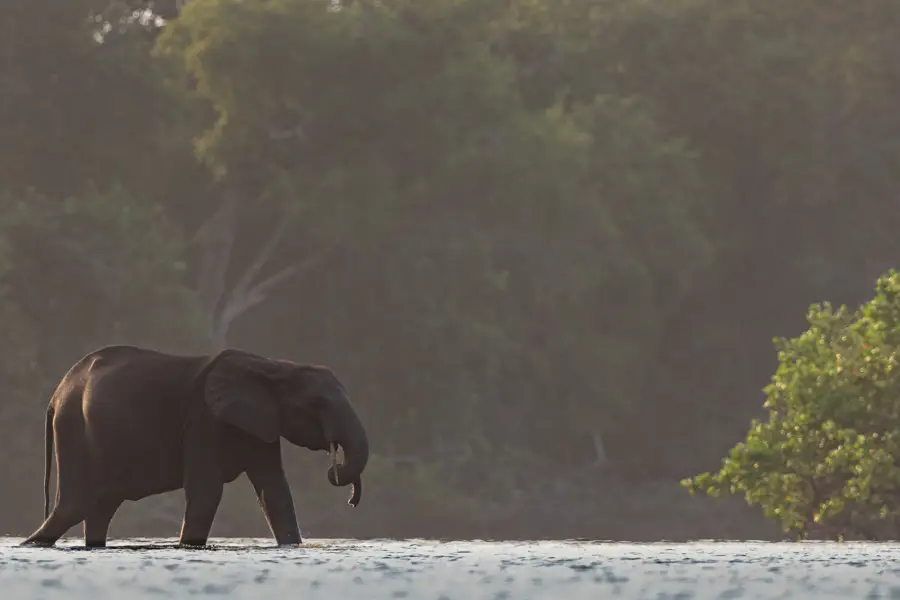
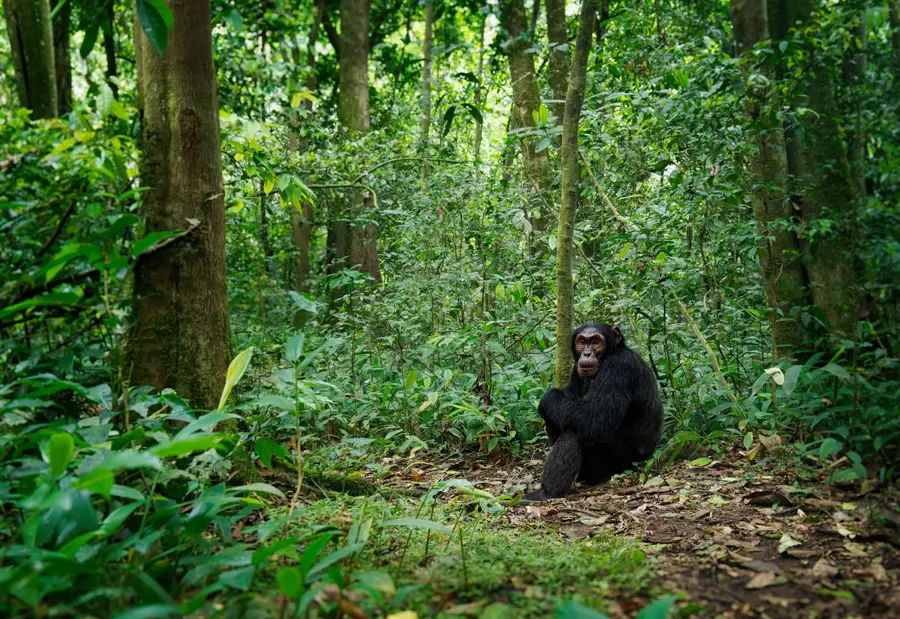
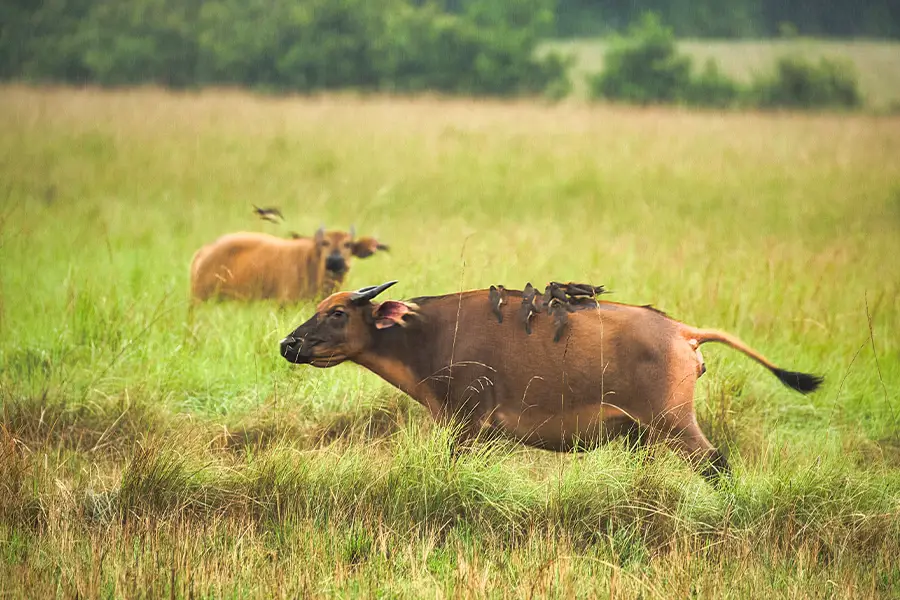
The central savannahs form the core of the park. These rolling grasslands, often veiled in early morning mist, are bordered by forest and provide ideal habitat for forest elephants, which play a vital role in maintaining the balance of the ecosystem. Lopé is most famous for its large mandrill troops, sometimes numbering well into the hundreds, which travel through the forest in search of fruit, roots and insects. In more remote areas, the park offers opportunities to encounter chimpanzees, although they're not habituated here and sightings require more tracking.
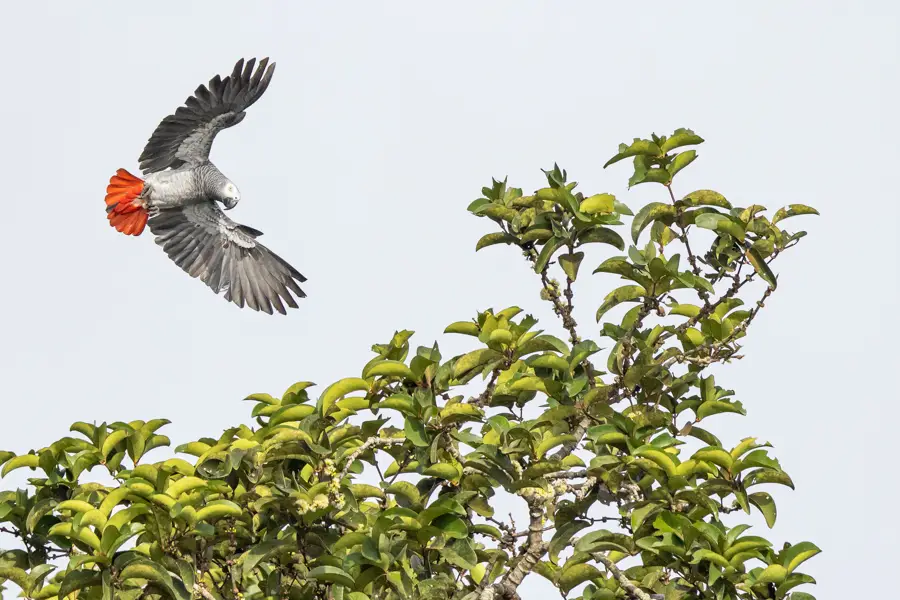
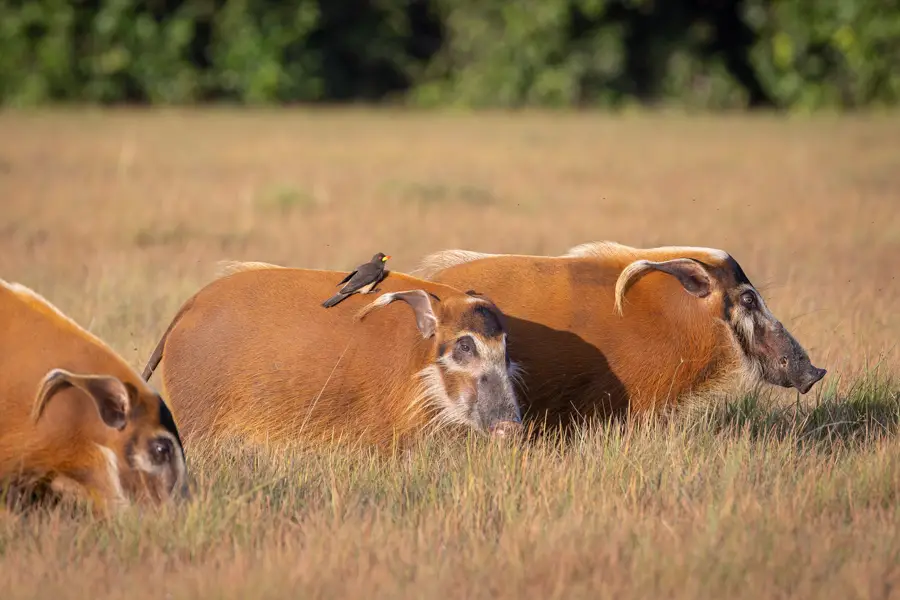
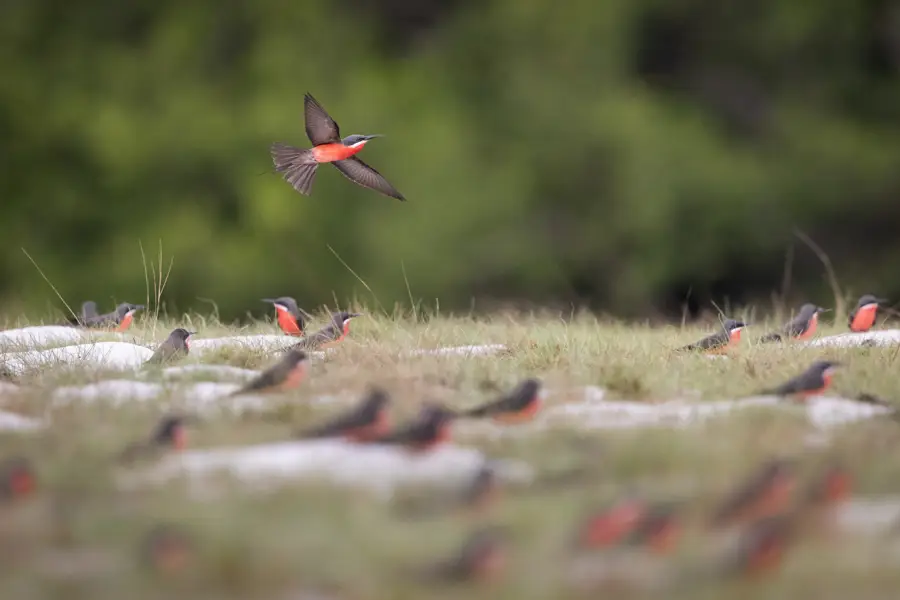
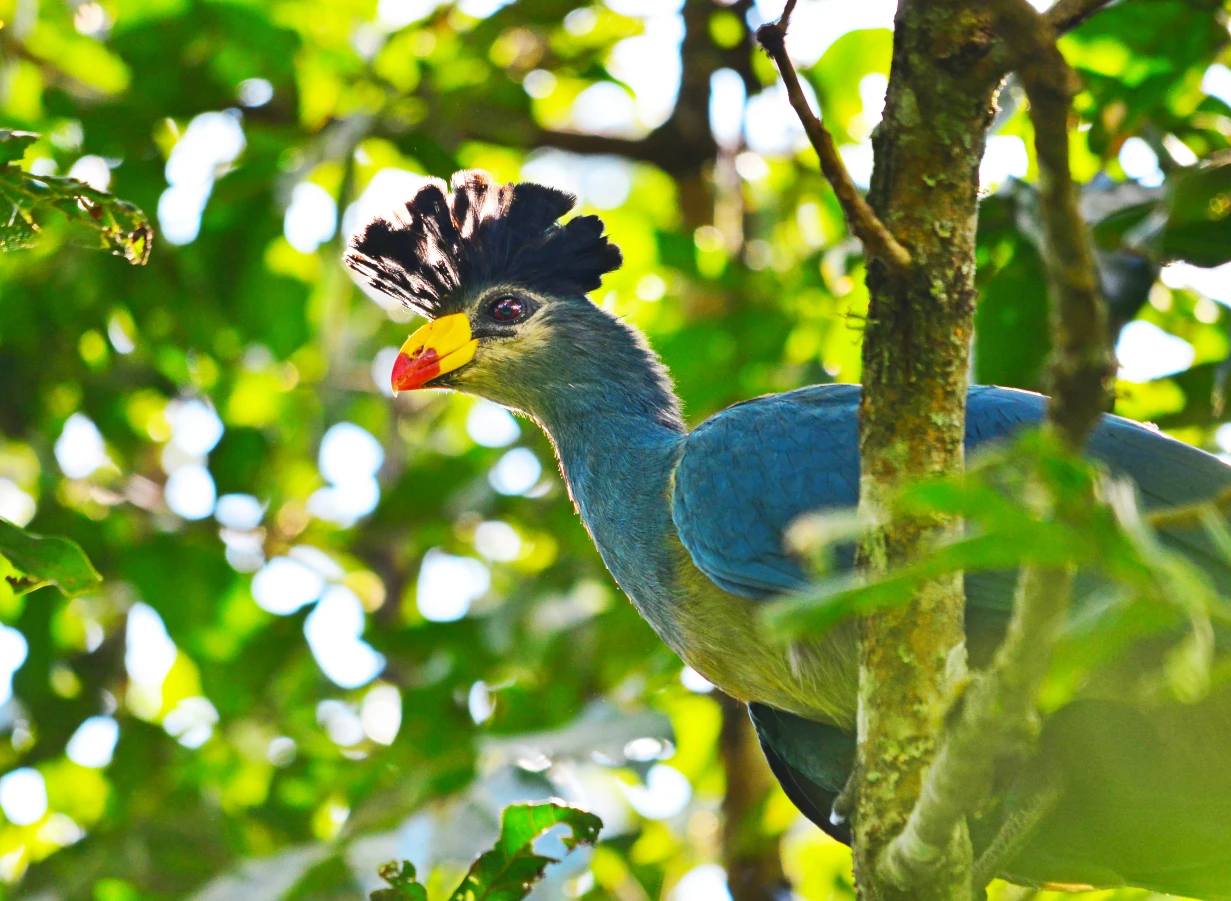
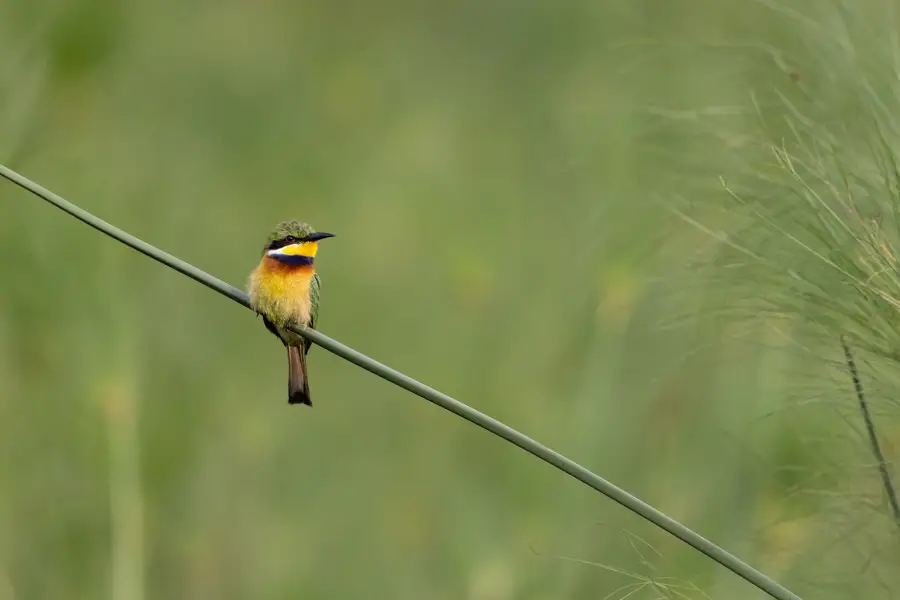
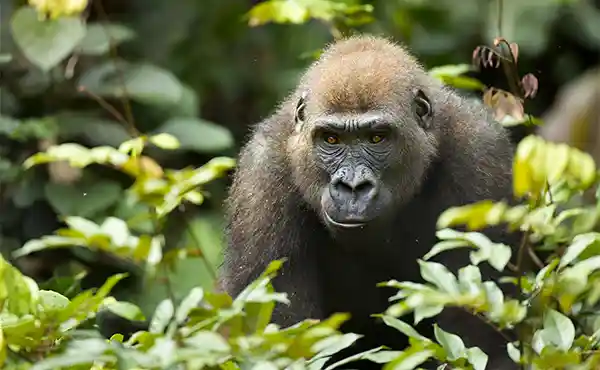
Beyond the savannah, wetlands, rivers and gallery forests add further ecological richness. Red river hogs and sitatunga are occasionally seen in quieter clearings, while the park’s birdlife is also very impressive, with African grey parrots, rosy bee-eaters, black-casqued hornbills and great blue turacos. In the deeper rainforest, a closed canopy shelters more elusive wildlife: several species of duiker, galagos, genets, leopard, African palm civet and even giant pangolin all live in the depths of the forest.
The chance to track habituated mandrills and explore a mosaic of savannah, forest and wetland in search of seldom seen mammals and birds makes Lopé National Park a particularly rewarding destination to visit. It's a more rugged and adventurous landscape than many traditional safari areas, but for travellers seeking a broad and authentic experience of Central Africa’s remarkable biodiversity, it's not to be missed.
View suggested itineraries