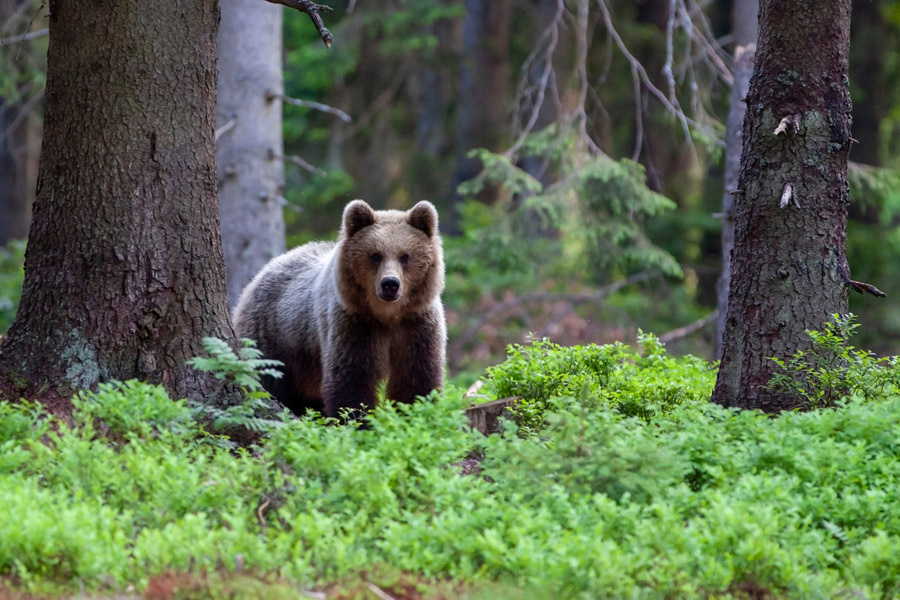
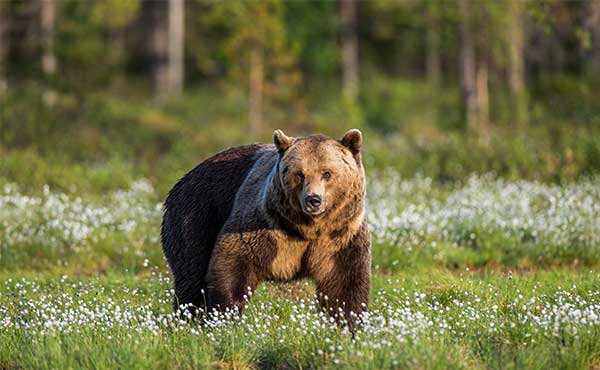
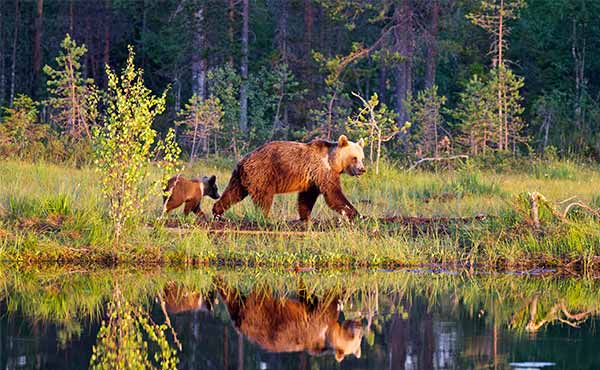
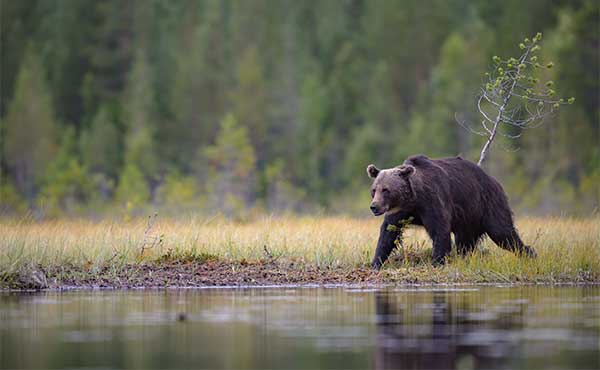
Martinselkonen Reserve, located in Eastern Finland, is one of the best places in Europe to photograph brown bears. This tranquil wilderness location is highly recommended – with purpose-built wildlife hides providing close encounters with these apex predators.
Wildlife of Martinselkonen
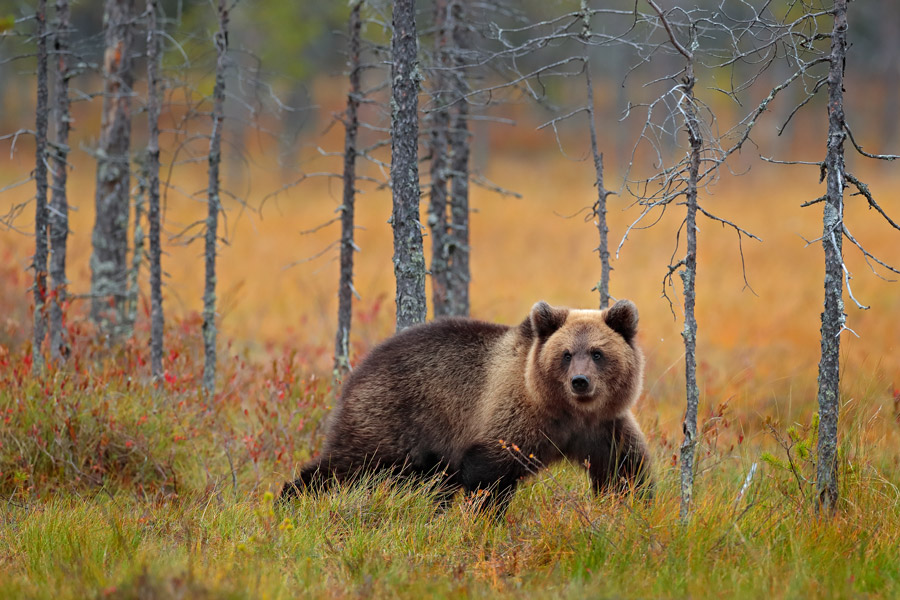
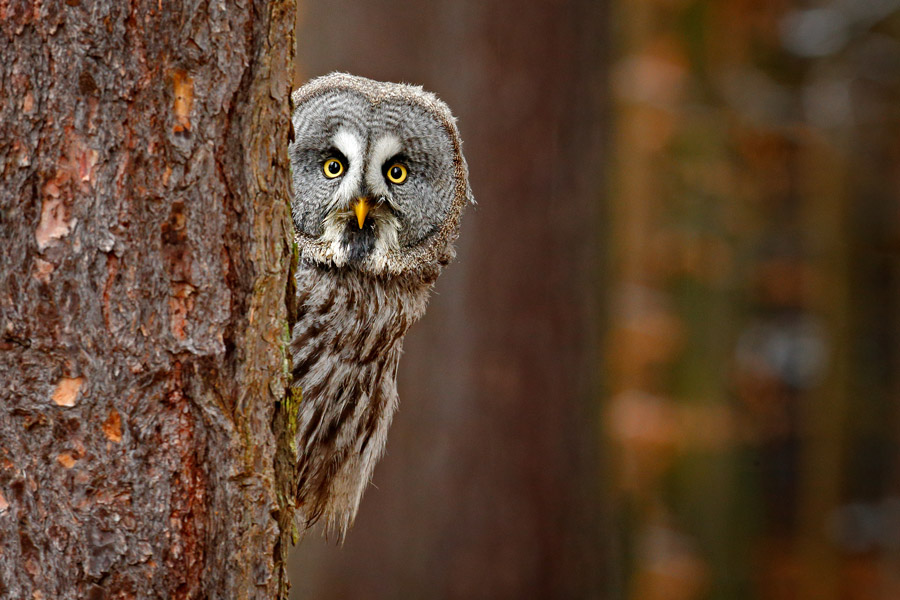
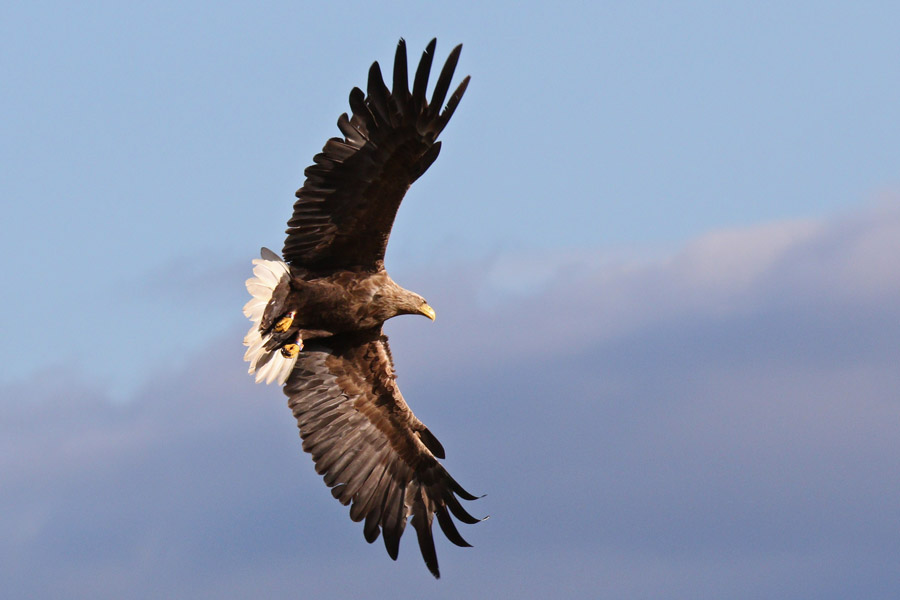
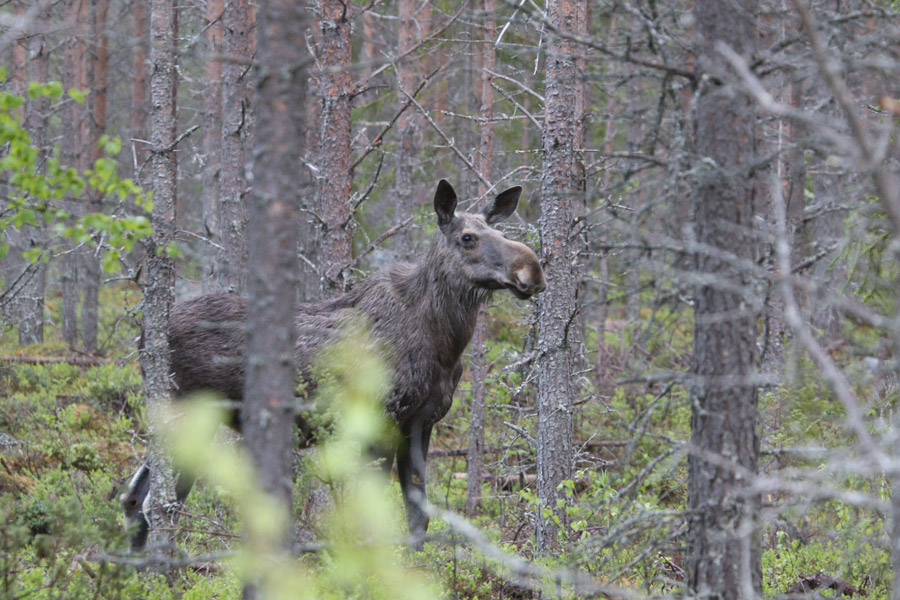
Martinselkonen Nature Reserve is one of the most reliable locations in Finland for observing Eurasian brown bears in their natural habitat. Situated in the remote wilderness and taiga forest of Eastern Finland, close to the Russian border in the municipality of Suomussalmi (150 kilometres from Kuusamo, 170 from Kajaani, 180 from Kuhmo and 270 from Oulu), this tranquil reserve is filled with spruce, pine, and birch trees, creating a dense canopy which provides the resident wildlife with shelter from the elements. The bear watching here is fantastic with there having been sightings of over 15 bears in one night, and although they are undoubtably the star attraction here, the reserve is home to so much more remarkable wildlife, including the occasional Eurasian wolf, wolverine and elk, red squirrels and various bird species, such as white-tailed eagle, black kite, great grey owl, Ural owl, bullfinch, great spotted woodpecker and Siberian jay.
Bear watching season in Martinselkonen
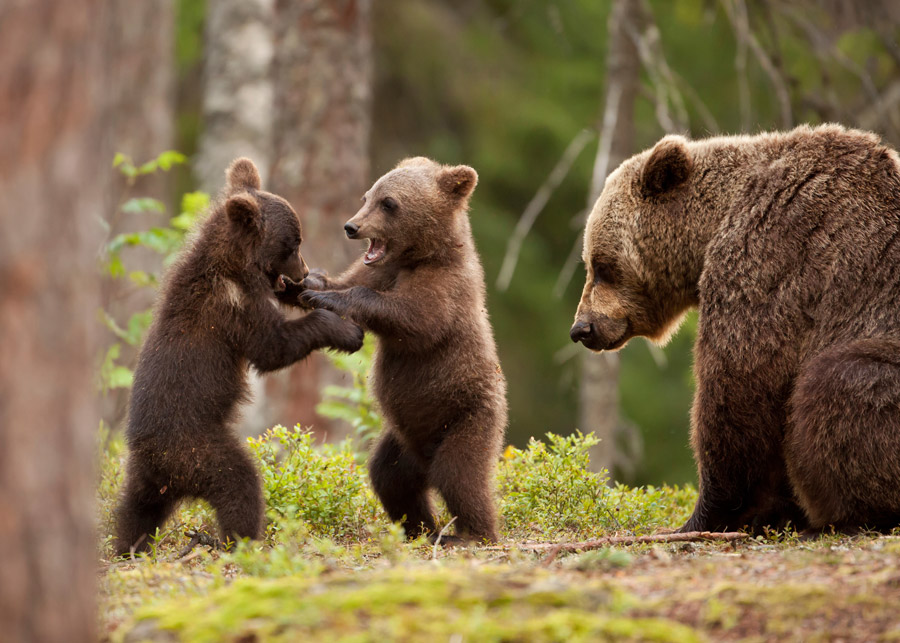
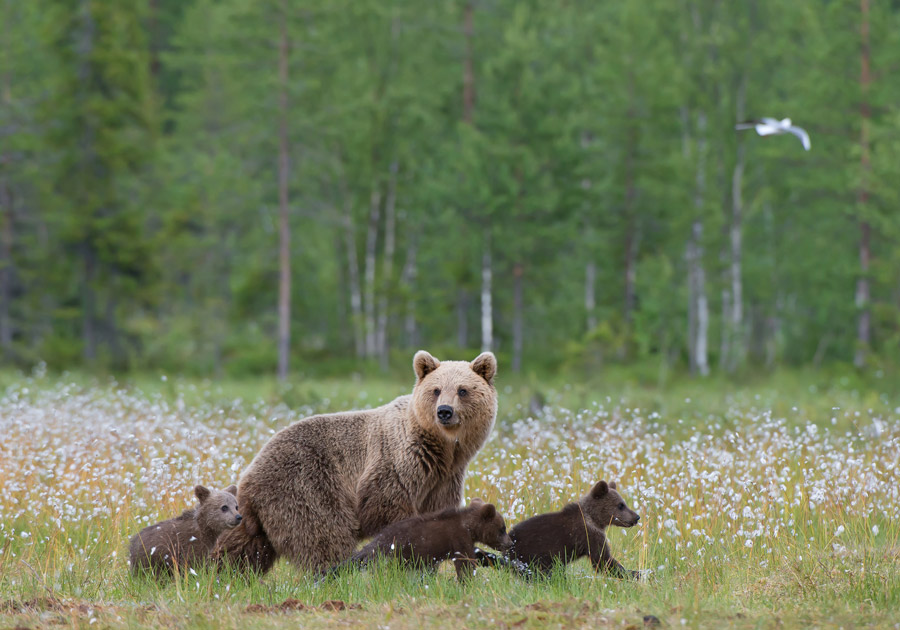
The bears begin to awake from their hibernation in the spring, with the season commencing as they start to become active in April. The amount of daylight increases throughout the season with a peak in June of around 22 hours in a single day, as August approaches the nights start to become longer and this coincides with the season's climax. After a long hibernation the bears emerge, lean and hungry, with their coats in excellent condition. The male bears will generally depart their dens first as females will often give birth to their cubs during the winter, as long as they gained enough body fat in the previous year to sustain themselves and their offspring. The cubs will nurse while the mother sleeps and will leave the den once the climate has warmed, and they've grown stronger. The snow will often linger until early May, enabling the opportunity to capture images of bears against a snowy backdrop.
Larger numbers of bears tend to arrive at the feeding site as May progresses and towards the end of the month, the males will begin their rutting season, occasionally resulting in fights as they become determined to obtain mating rights. Sometimes bears are observed mating during the rutting season, which culminates around the end of June and once this season finishes, the bears begin to forage voraciously. June is a particularly good time for photographers due to the increased daylight and higher levels of bear activity, this time of year often coincides with mothers being seen with their cubs more regularly as well.
From June onwards the days begin to shorten and as the winter approaches, the bears will make the most of their foraging opportunities. The process of fattening up for the winter is called hyperphagia and is imperative for the bears to partake in to ensure they survive the cold winter months.
View suggested itineraries