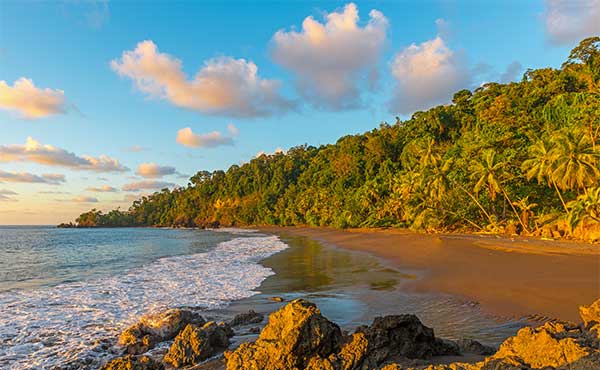
The wild, remote Osa Peninsula is situated on the Pacific coast just north of Panama. Along with the sheltered Golfo Dulce, Corcovado and Peñas Blancas National Parks, it is Costa Rica’s foremost natural highlight.
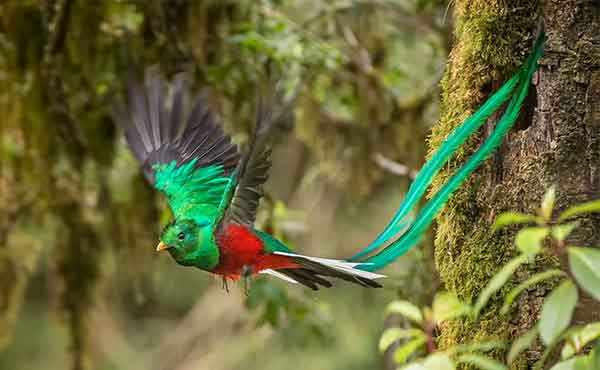
As the refuge for Costa Rica's largest population of jaguars and tapirs, the extensive rainforest is well worth a visit. Roughly half the peninsula is occupied by Corcovado National Park, home to an astonishing range of wildlife that includes the endangered giant anteater, tapir, harpy eagle, monkeys and all Costa Rica’s big cats (jaguar, puma, jaguarondi and ocelot) - though these are more difficult to see. The adjacent Golfo Dulce Forest Reserve, a number of private reserves, and Peñas Blancas National Park further extend the protected area to create a huge wildlife corridor.
Dolphins can be seen all year off the coast of the Osa Peninsula and there are a variety of species, with spotted, spinner, bottlenose, rough-toothed and common dolphin all possible. Humpback whales can be seen at various times of year – those humpbacks migrating northwards from Antarctica are seen from July to November, whereas those migrating south from North America arrive in December and depart in April. Orca, sperm, sei, pilot and Bryde’s whales can also be seen, but there are less frequent.
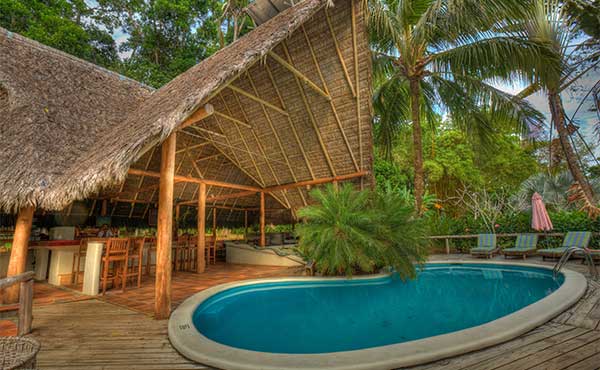
Accommodation consists mainly of upmarket eco-lodges scattered along the coastline, although there are increasing numbers of more economical, rustic options. All offer a comprehensive programme of excursions and activities on land and sea, such as watching wildlife in the forest, walking trails, kayaking in the mangroves, dolphin and whale watching by boat, horse riding, scuba diving and surfing. To visit the national park, you must be accompanied by a licensed guide, however as many lodges stand on their own private reserve, you can generally see the same fauna and flora without actually entering the national park.
There are few roads, but a handful of small airfields are served by daily flights from San José with light commercial aircraft; thereafter you transfer to your accommodation by launch and/or 4x4 vehicle.
View suggested itineraries





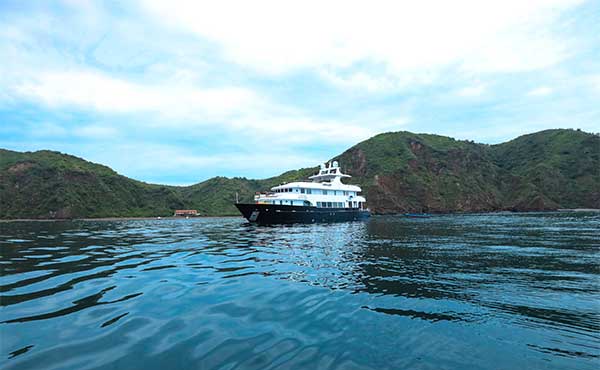 LUXURY VESSEL