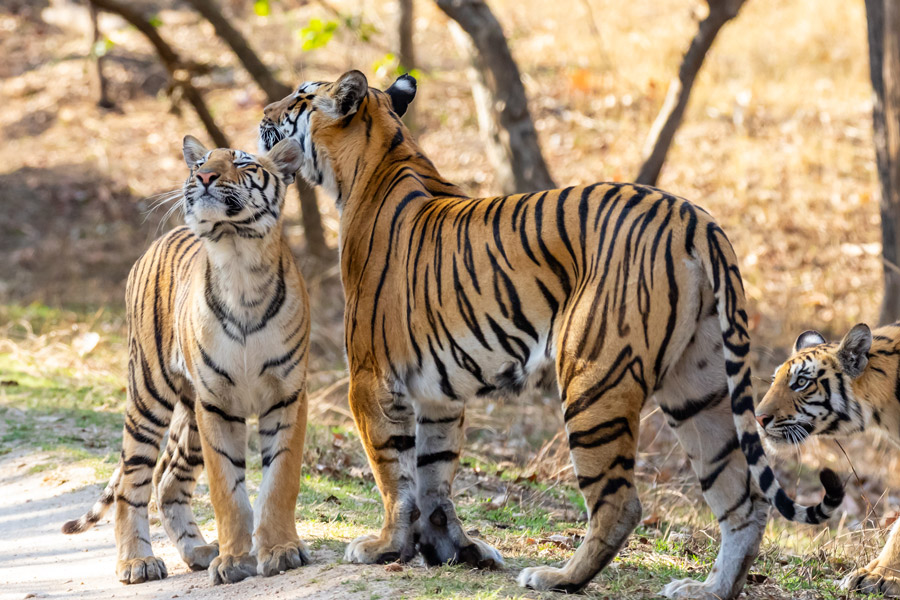
Pench Tiger Reserve is full of diverse wildlife and scenic landscapes, with its namesake river providing a source of life to the spectacular flora and fauna that reside within the park’s boundary.
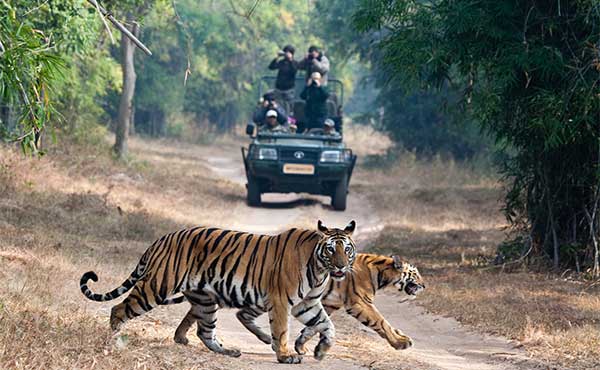
A stunning wildlife sanctuary in Central India that covers an area of 758 square kilometres dominated by hills, teak forests and valleys. Running north to south, the Pench River divides the park into almost equal halves, western and eastern, the Chhindwara and Seoni districts respectively, the latter being the Seonee Hills made famous as the haunt of Shere Khan in Kipling’s Jungle Book. The highest summit in the park, the hill of Kala Pahar, reaches 650 metres above sea level. The national park provides excellent opportunities for wildlife safaris and jungle walks, and it's often possible to go on a night safari in some of the buffer zones too.
Wildlife in Pench National Park
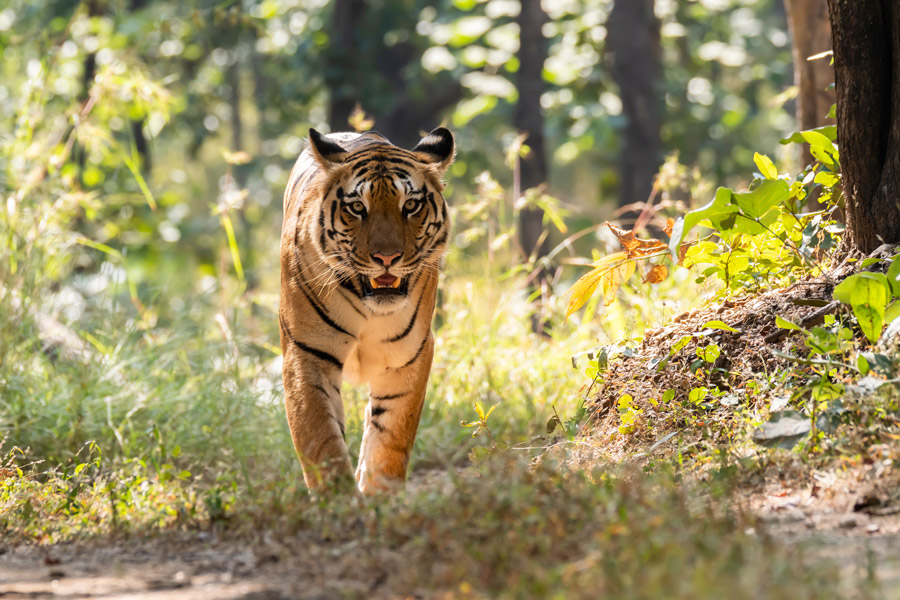
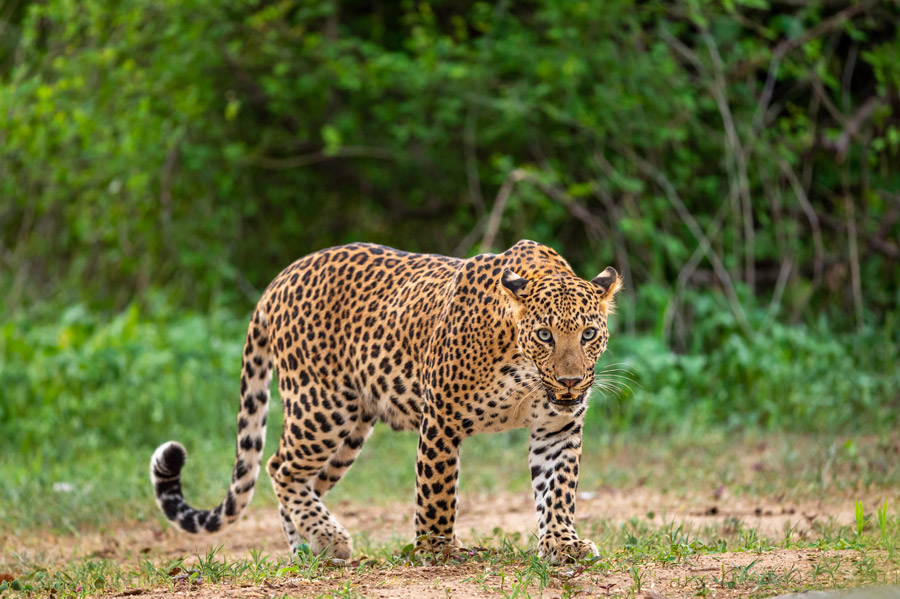
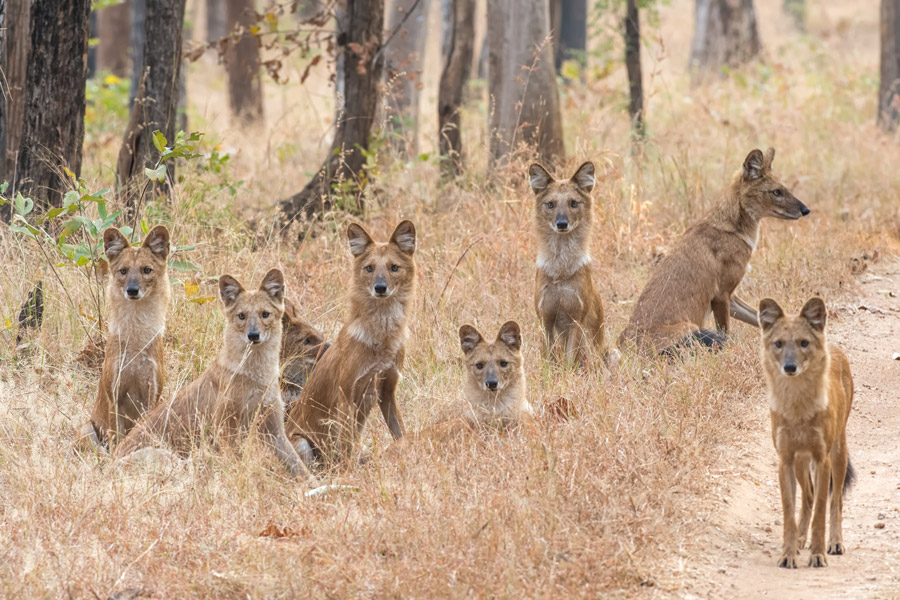
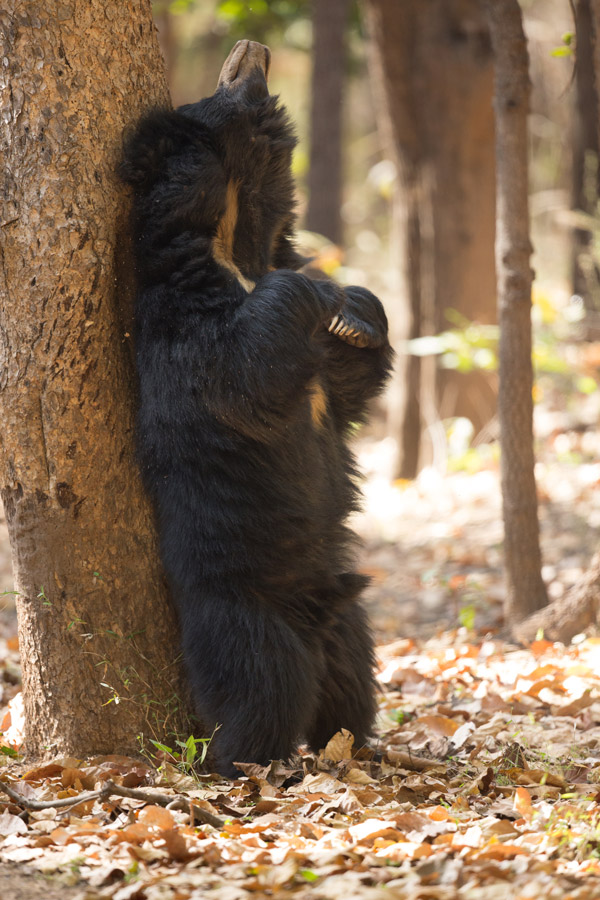
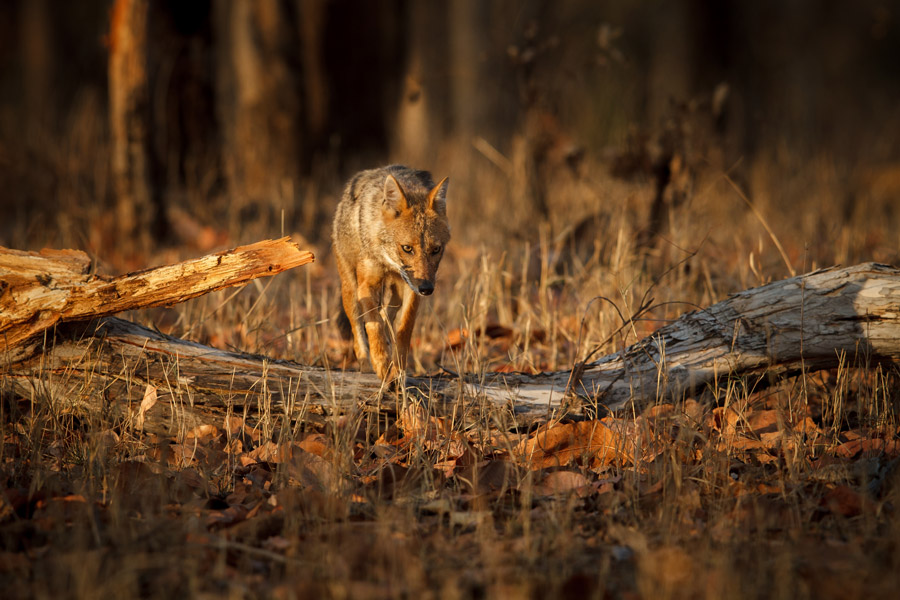
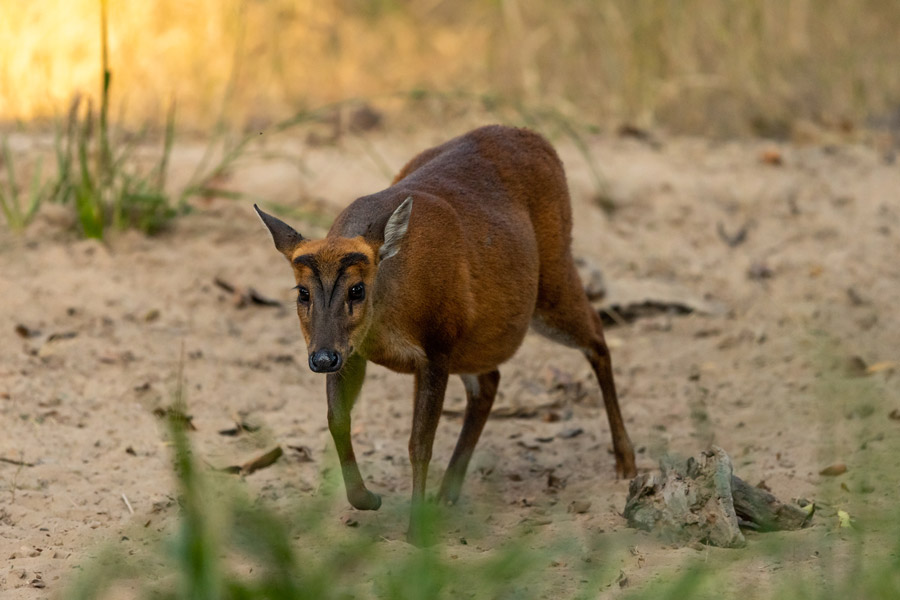
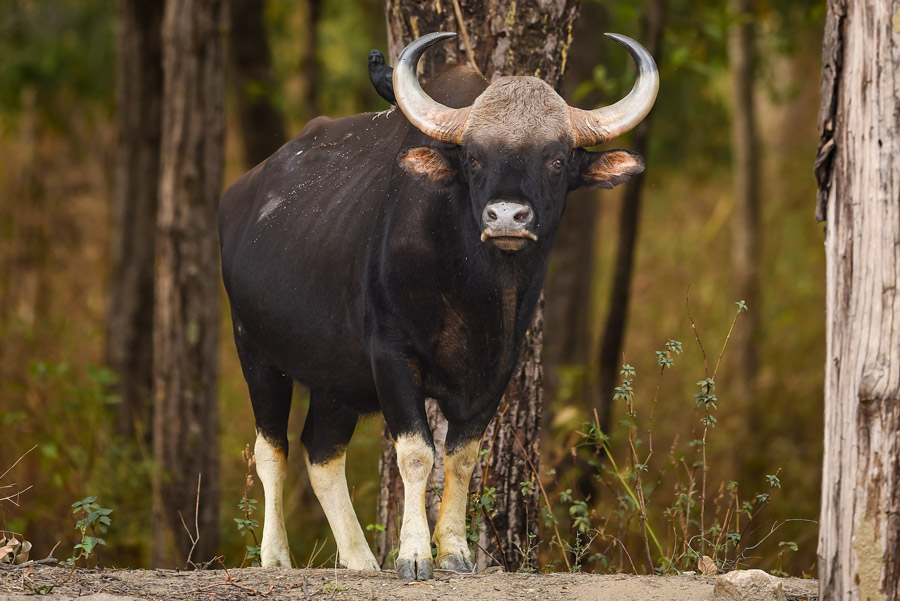
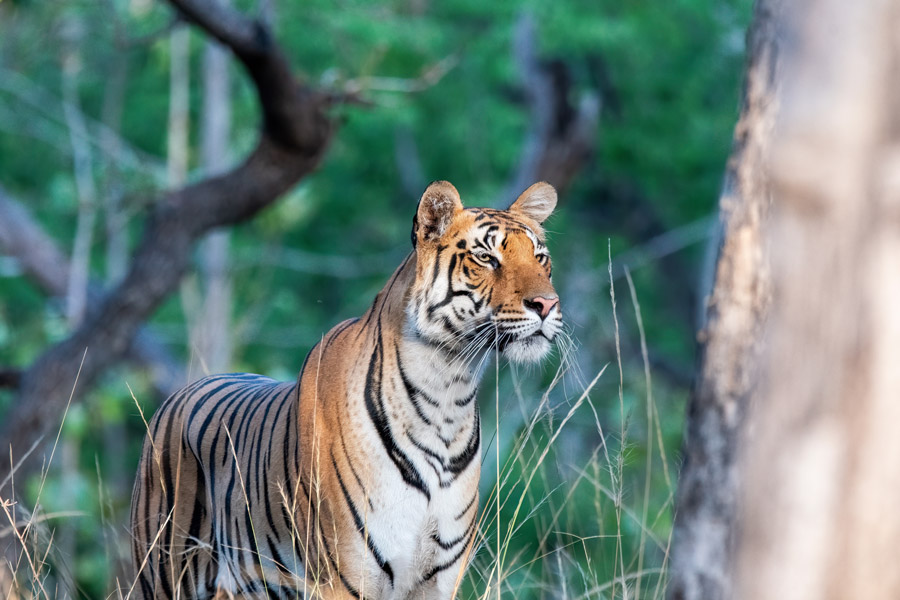
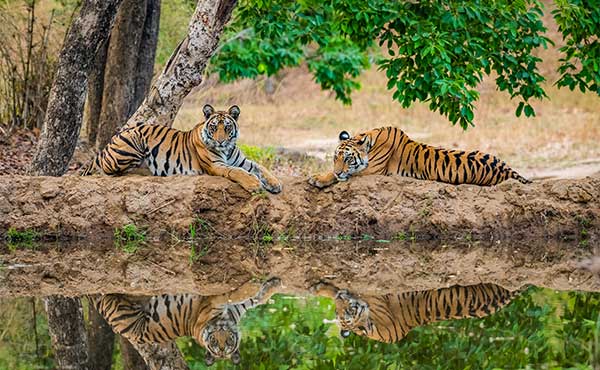
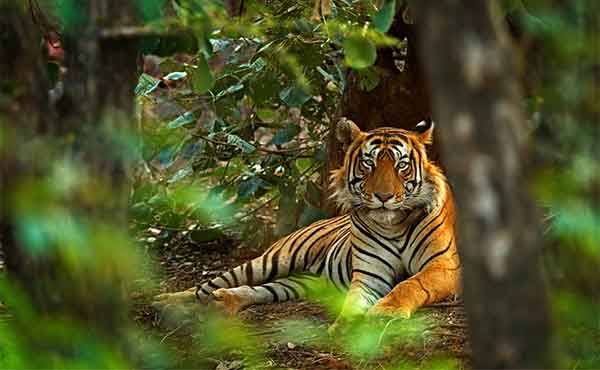
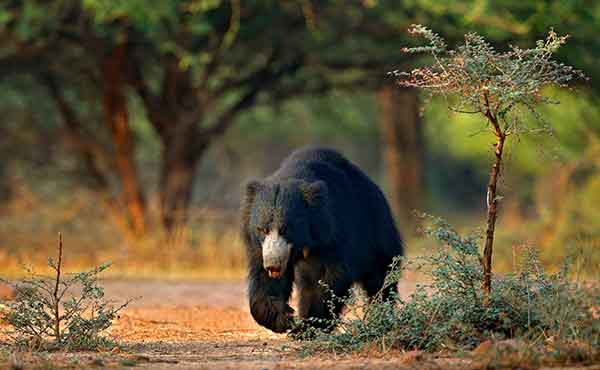
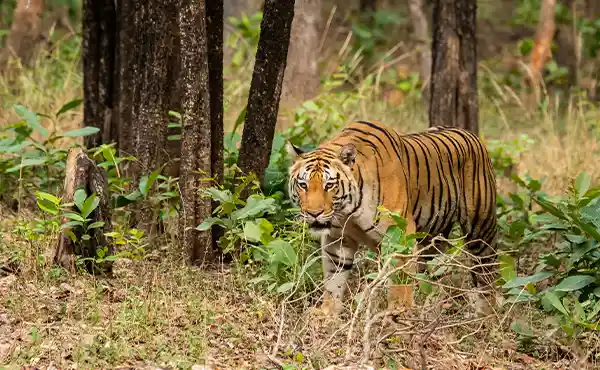
Pench’s dry deciduous forest of teak trees supports a rich variety of wildlife. In addition to the park’s famous tigers, leopard, dhole (Indian wild dog), gaur (Indian bison), sambar, chital (spotted deer), wild boar and sloth bear are all seen here. Rarer species include jungle cat and small Indian civet. The open habitat lends itself to wildlife viewing, but also offers striking and photogenic views of the area’s natural beauty.
Birds in Pench National Park
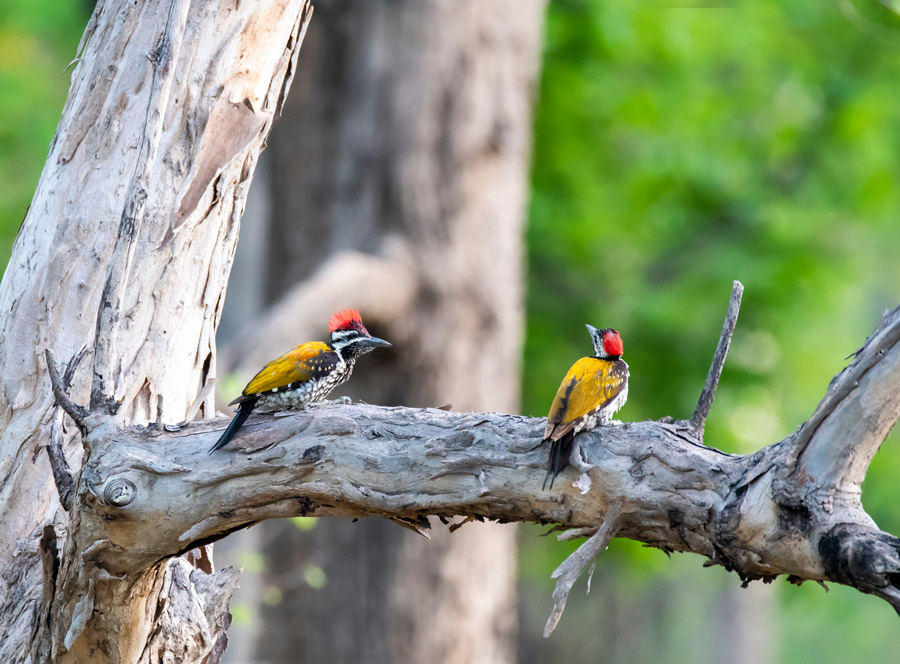
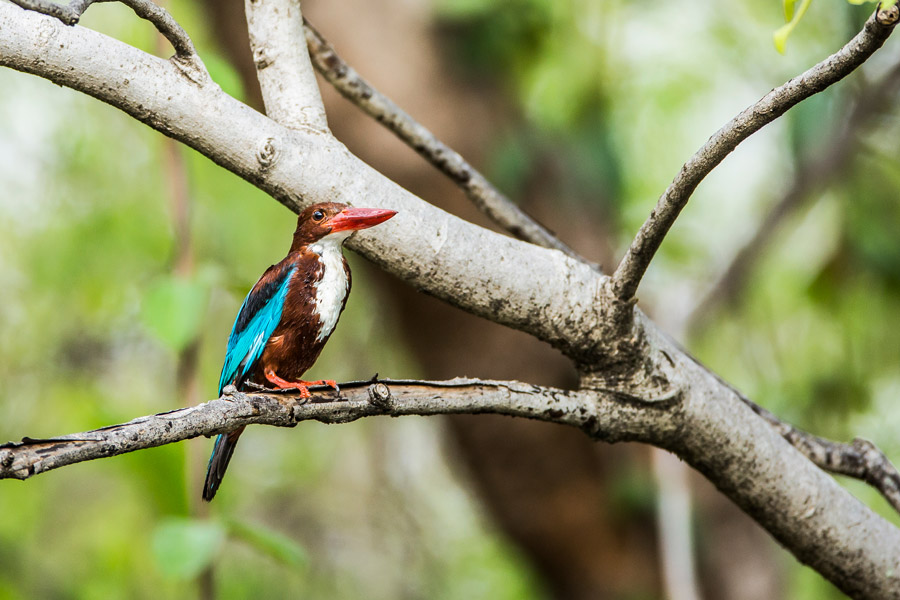
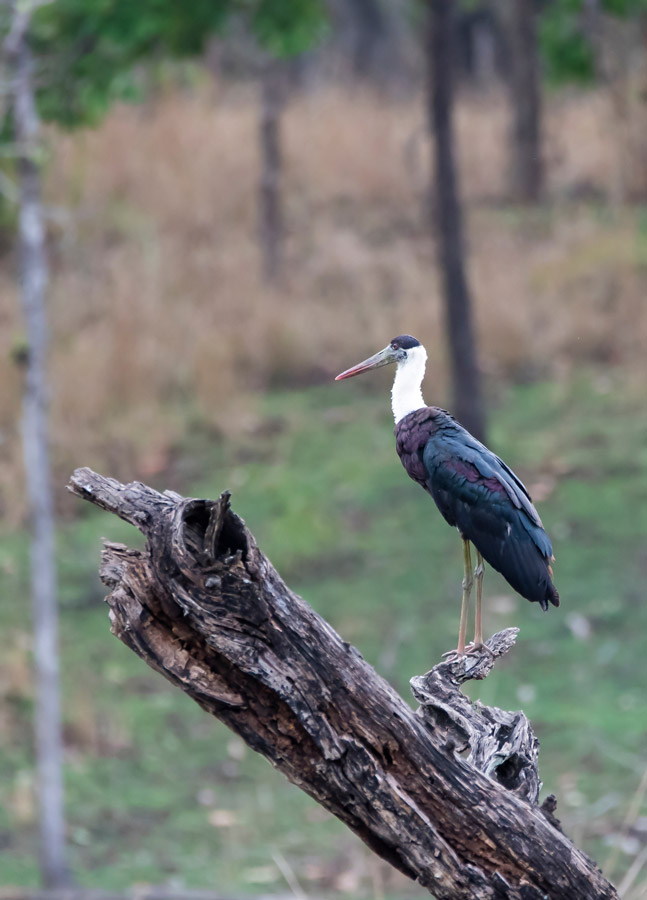
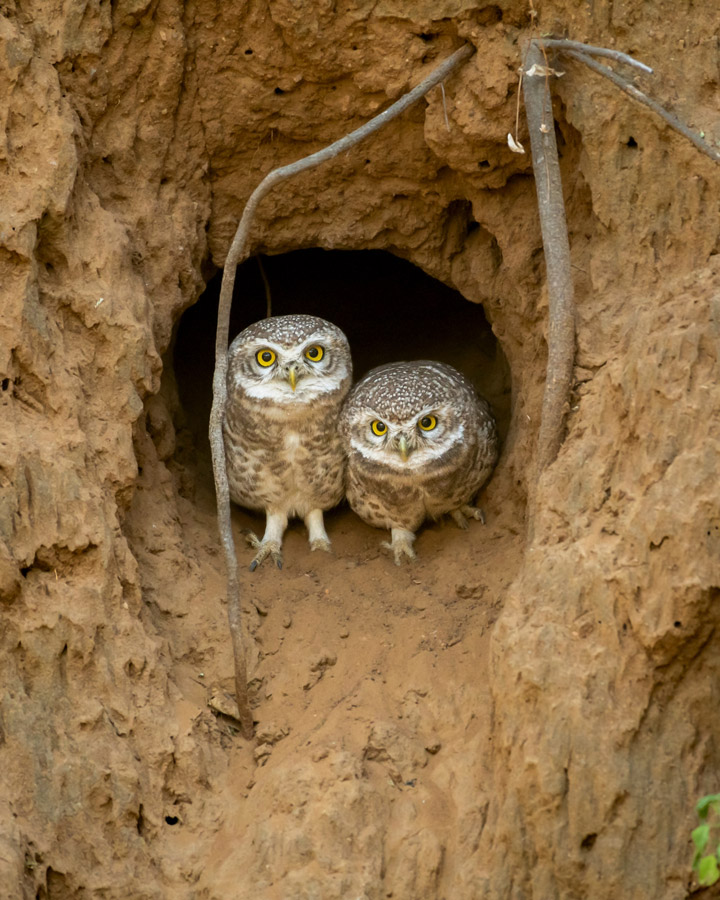
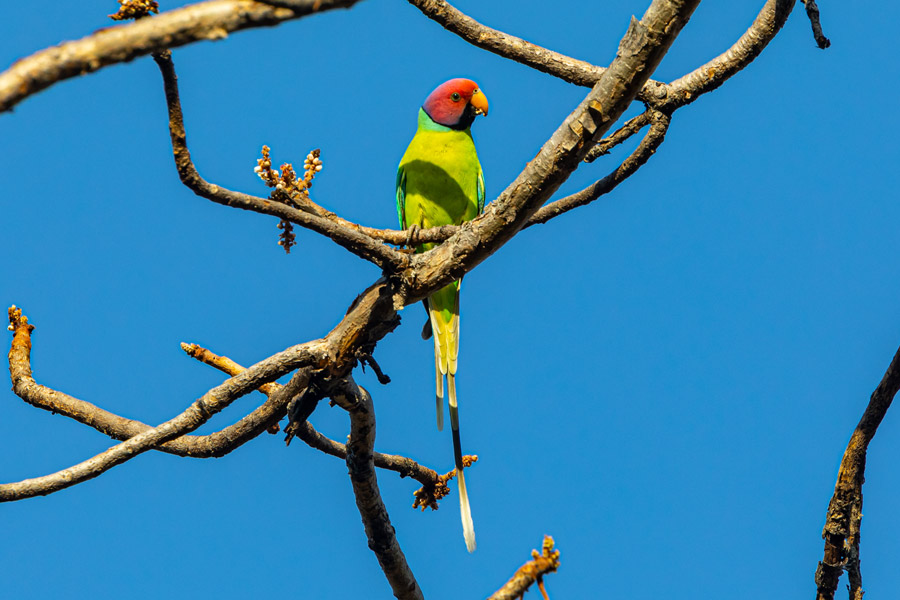
The bird watching is also first class, with dry-country species such as ashy-crowned sparrow-lark, yellow-wattled lapwing, chestnut-shouldered petronia and white-eyed buzzard all commonly seen. Other birds include Malabar pied hornbill, grey-headed fishing eagle, king vulture and Indian pitta.
There are also several other migratory birds including ruddy shelduck, Indian cuckoo, wood sandpiper, black stork and bluethroat.
How to get to Pench National Park
Pench is conveniently situated 95 kilometres by road from Nagpur (which is served by flights to/from Delhi and Mumbai) and 210 kilometres or around four and a half hours by road from Jabalpur (which is connected by rail and air to Delhi), and a three to four hour drive from Kanha, with which it is sometimes combined. The park opens from mid-October to April.
View suggested itineraries