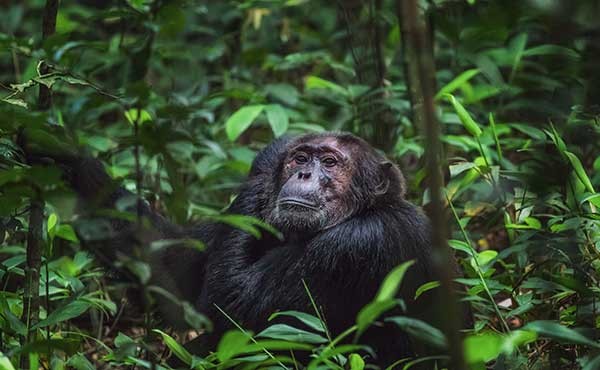
The recovery of the wildlife population at Queen Elizabeth National Park is a remarkable success story. Great herds of Ugandan kob roam the grasslands, giant forest hog are bold and unwary, and nearby Kyambura Gorge is home to a family of habituated chimpanzees.
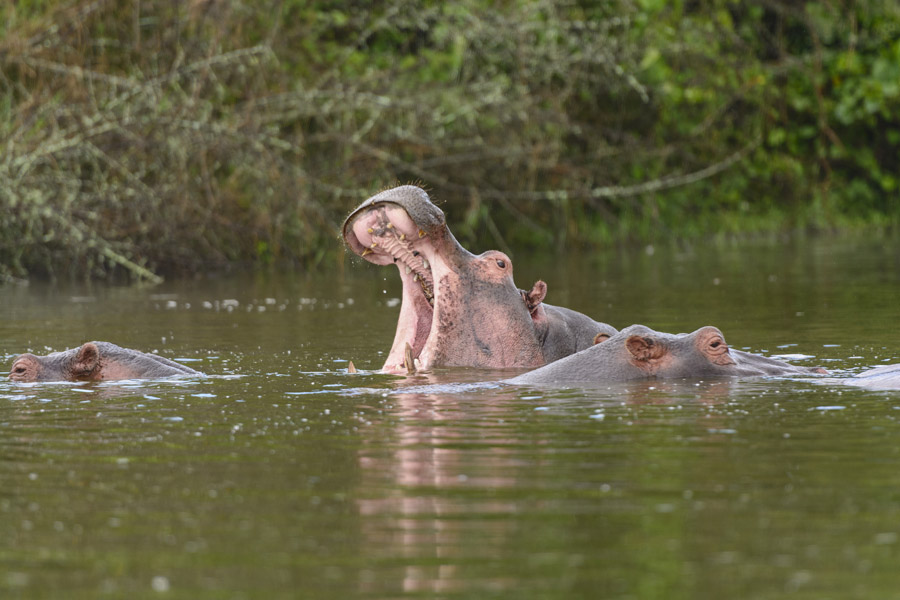
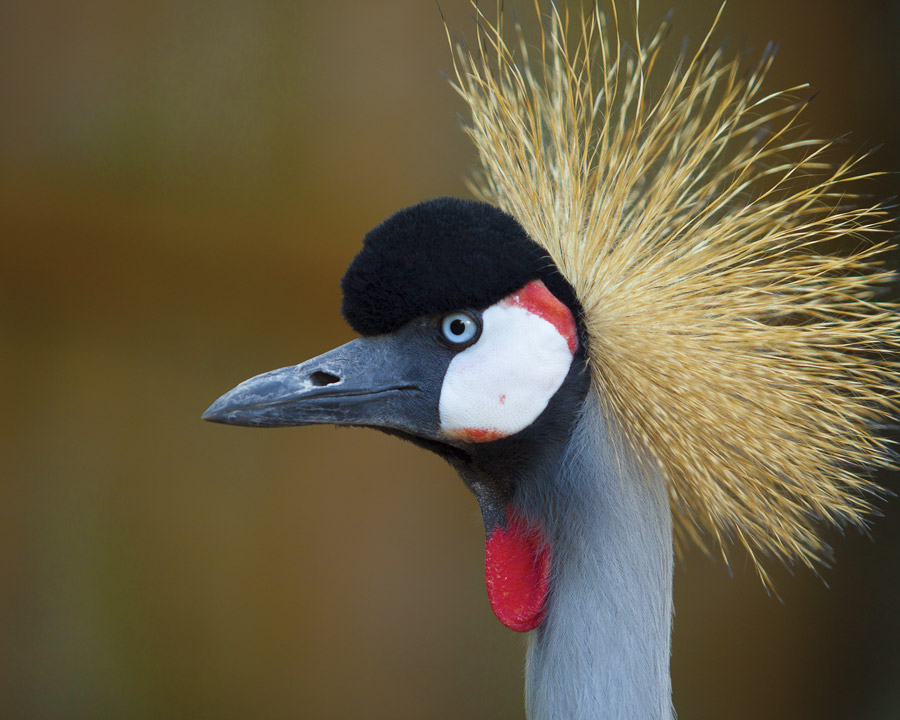
Along the Kazinga Channel you will be able to approach herds of elephant, Cape buffalo and hippo by motor launch – an outstanding opportunity for photographers to obtain close-up shots of these mammals. You should also be able to get very close to a wide variety of waterbirds on the channel cruise, amongst them both white and pink-backed pelicans, a variety of herons, storks and waders, and graceful African skimmers.
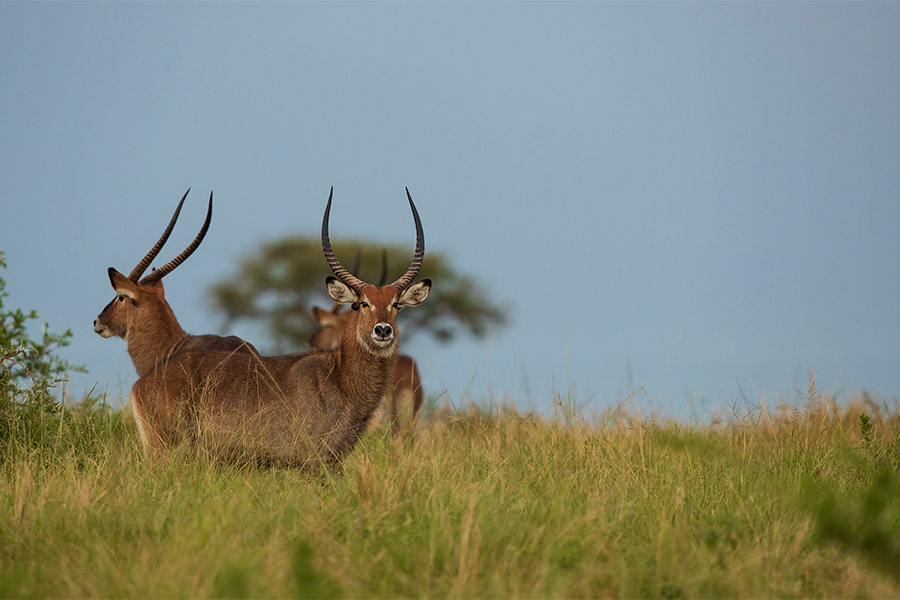
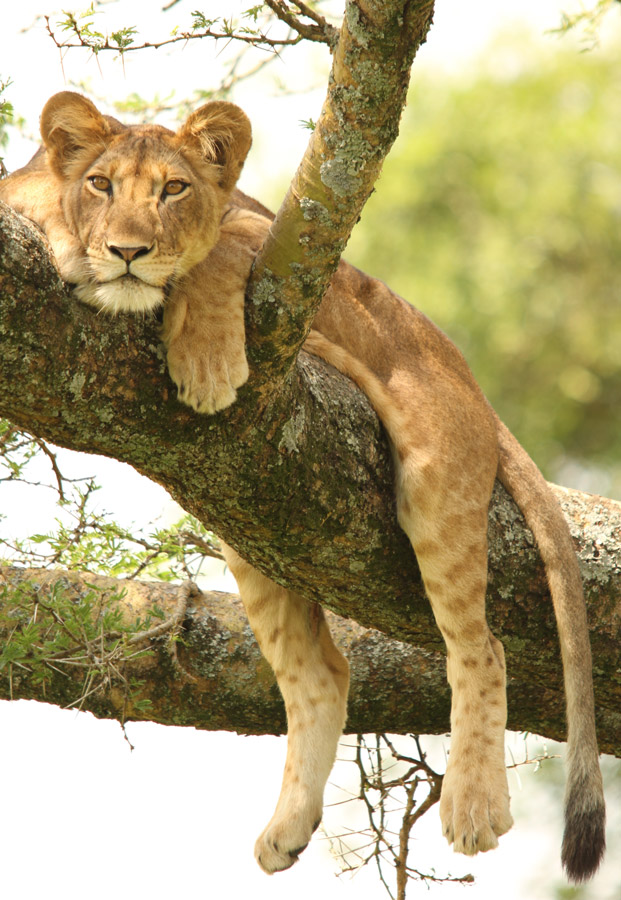
Other mammals here include: lion, leopard, warthog, bushbuck, Defassa waterbuck, topi, and spotted hyena – though the latter are shy and more nocturnal than those found in many of east Africa’s reserves. Amongst the numerous open-country birds that you may see are a variety of vultures, tawny, and martial eagles, red-necked spurfowl, little bee-eater, and a good selection of larks, cisticolas, flycatchers, weavers and finches.
Near to Queen Elizabeth National Park is Kyambura Gorge, where dense tropical forest harbours a large family of habituated chimpanzees, red-tailed and black and white colobus monkeys and a good selection of forest birds, including black bee-eater. Walks through the forest here will often come across the fast moving, noisy and elusive chimpanzees as they swing through the canopy above. The chimp population is quite mobile and viewing is unpredictable, but the walk is always enchanting.
Queen Elizabeth National Park is situated on the Kazinga Channel between Lake Edward and Lake George, to the south of the great Ruwenzori Mountains.
View suggested itineraries