Iceland’s Golden Circle is made up of three incredible natural attractions: tectonic plates meeting at Thingvellir National Park, erupting geysers in Geysir, and the powerful waterfall at Gullfoss.
Lying approximately 100 kilometres outside of Reykjavik, the Golden Circle is a popular tourist circuit, visiting three amazing natural attractions which can be combined in an easy day trip loop from Reykjavik or incorporated as part of a longer self-drive itinerary of the country.
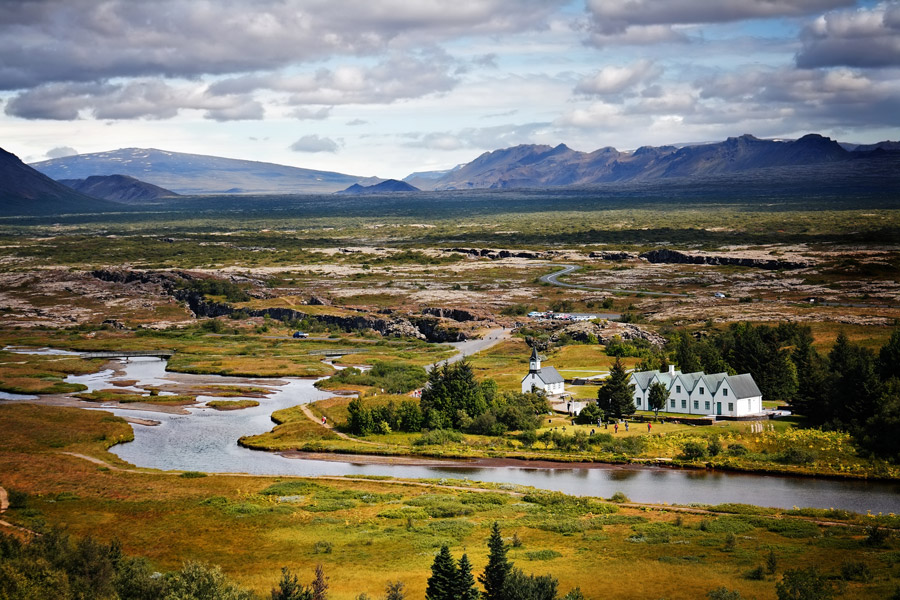
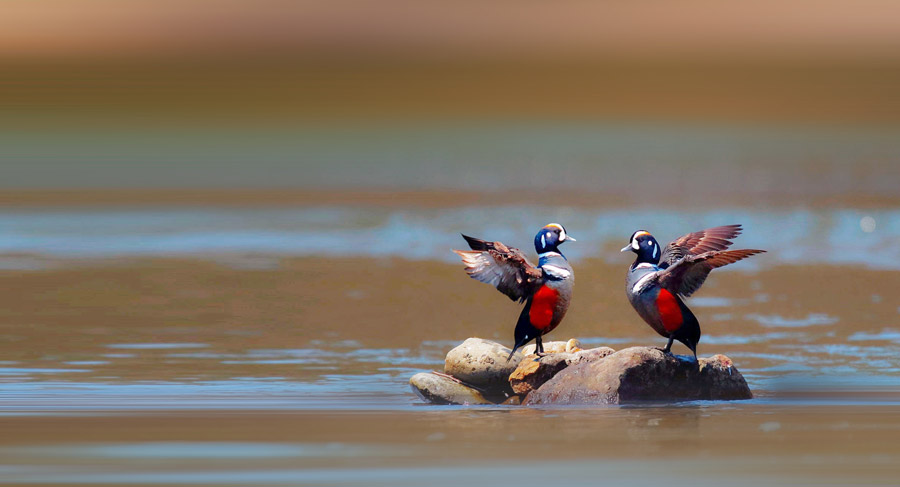
The valley floor at Thingvellir National Park marks the mid-Atlantic fault line, where the American and Eurasian tectonic plates are pulling part at a rate of a few centimetres a year. Aside from the Great Rift Valley in east Africa, Thingvellir is the only place on earth where seafloor spreading of plates can be witnessed. Iceland’s largest natural lake can be found at the park and, along with the rivers, birch scrub and meadows, offers good habitats for birding. The national park also has historical cultural importance and is where the remains of Althing, Iceland’s first gathering of parliament, can be found. Thingvellir was declared a UNESCO World Heritage Site in 2004.
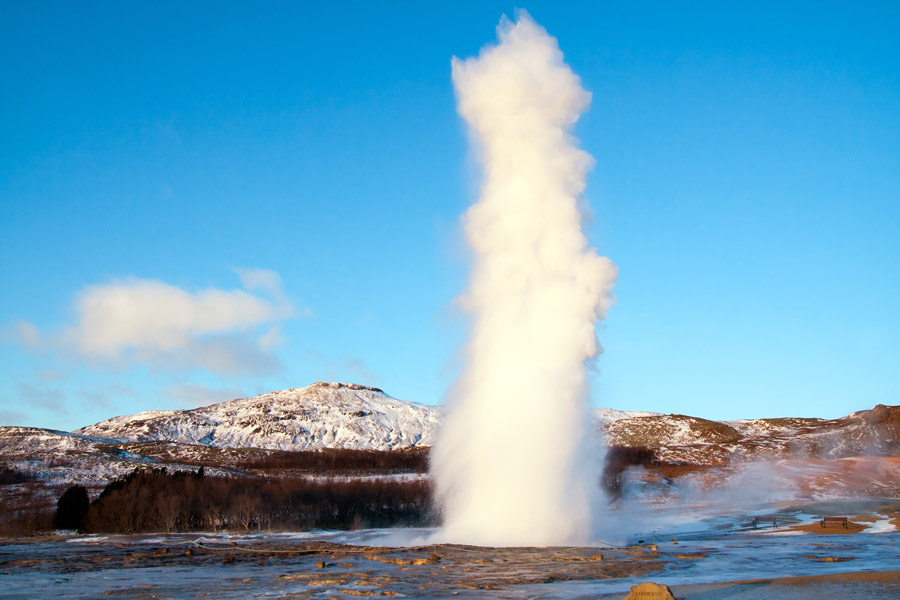
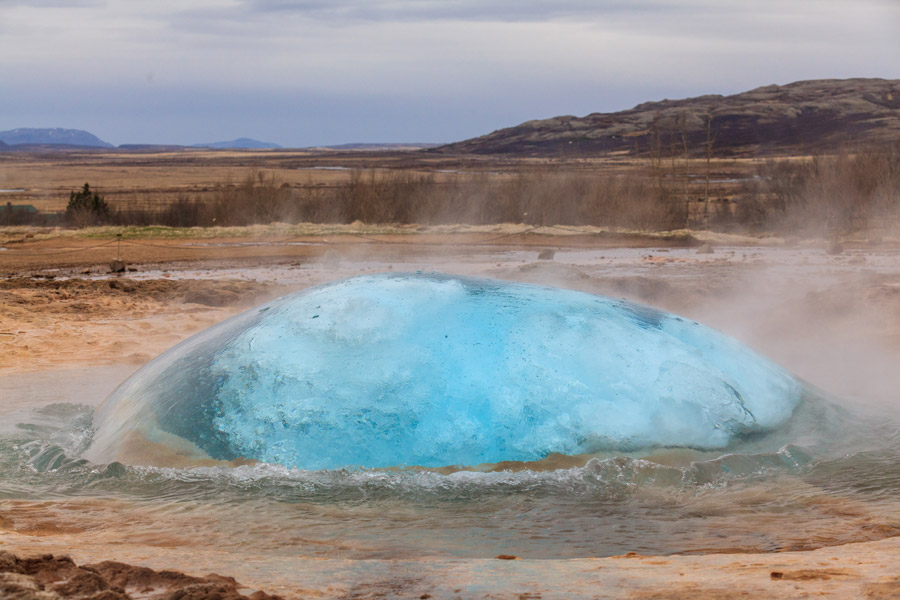
Geysir is the birthplace of the name geysers and whilst no longer active itself, nearby Strokkur currently is and every four to eight minutes erupts a vast amount of hot water high out of the ground, reaching up to an impressive 20 metres high!
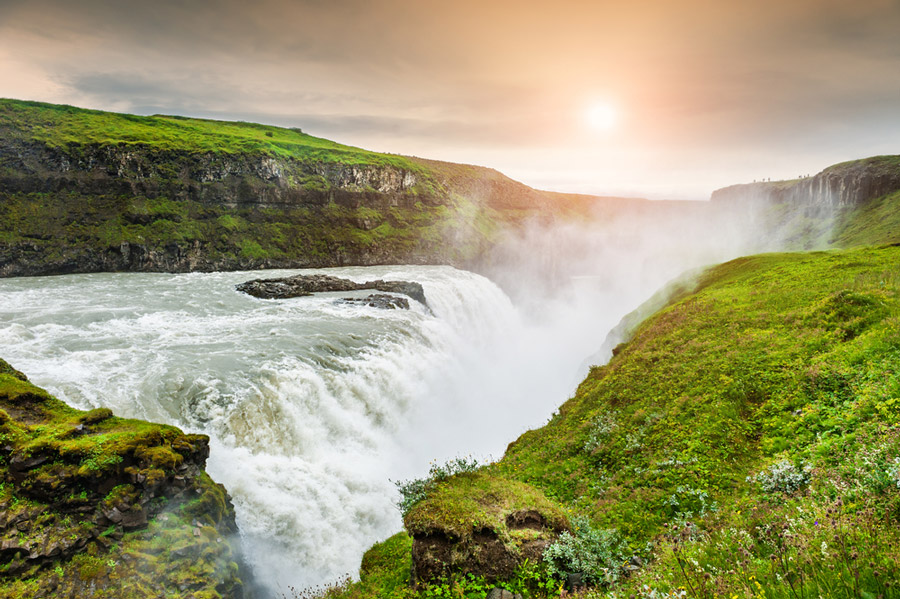
The ‘Queen of Waterfalls in Iceland’ is Gullfoss, a powerful double waterfall created by the river Hvítá as it travels from Langjökull glacier before dropping down a dramatic 32 metres to create the spectacular falls.
View suggested itinerary