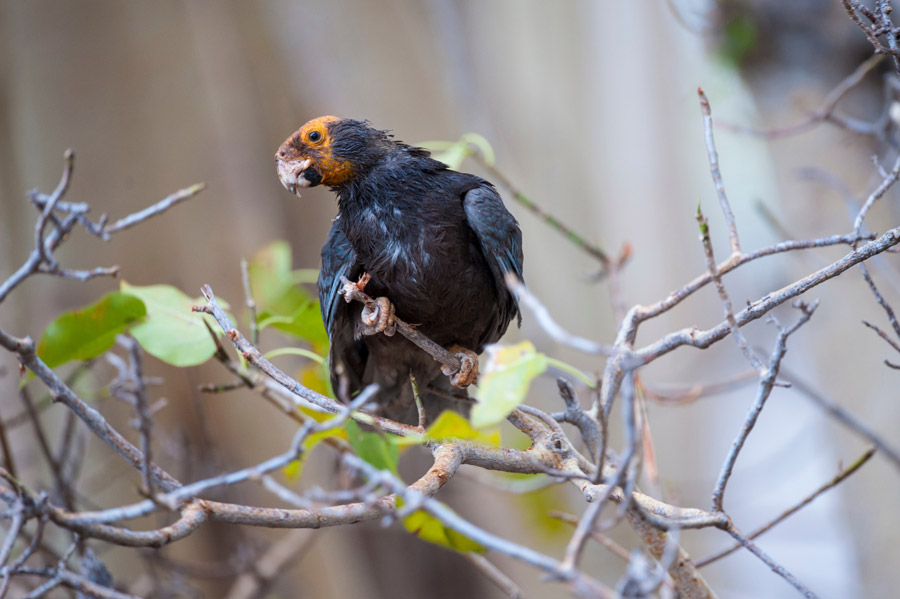
Tsimanampetsotse is one of the best examples of Madagascar’s unique spiny forest with a range of other speciality plants, as well as limestone caves, a huge saline lake and rare and localised wildlife.
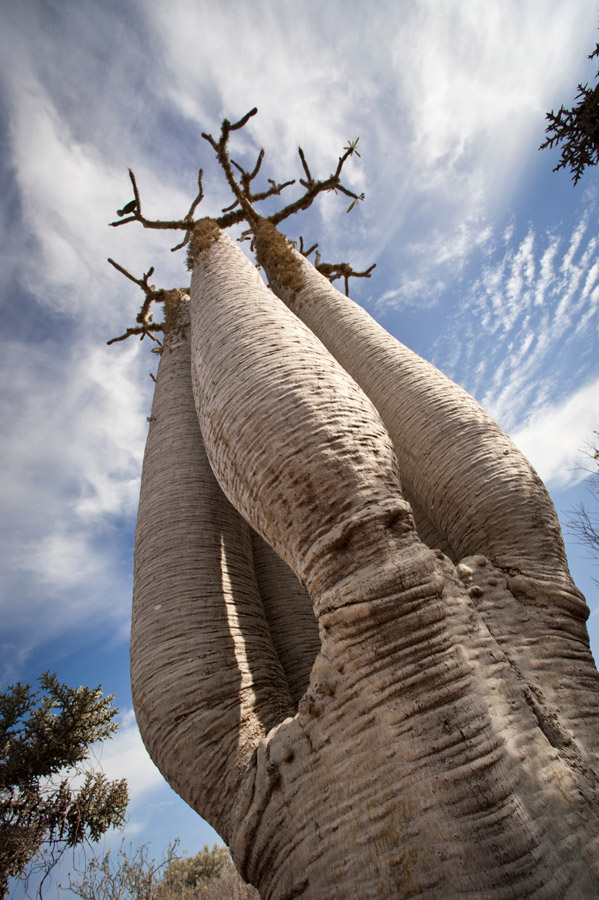
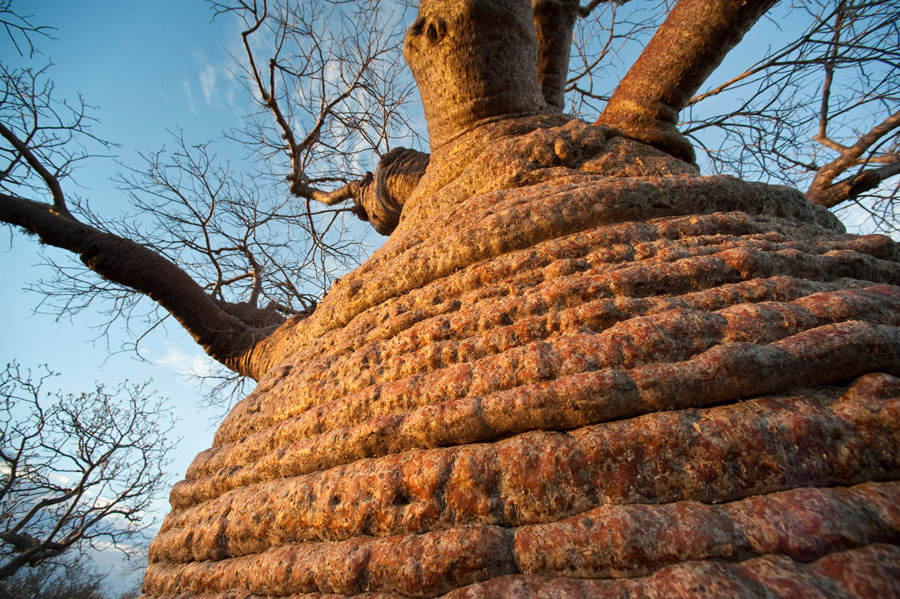
Located in the far south-western region of Atsimo-Andrefana, near the village of Ambola, Tsimanampetsotse is one of the most special national parks. It covers over 400 square kilometres of spiny and dry forest and is home to bottle baobabs, one of which known as the grandmother baobab is thought to be over 2,000-years-old. In one of the limestone caves, a pool of water that was once connected to the sea now supports a small population of pink-white blind cave fish that can be seen.
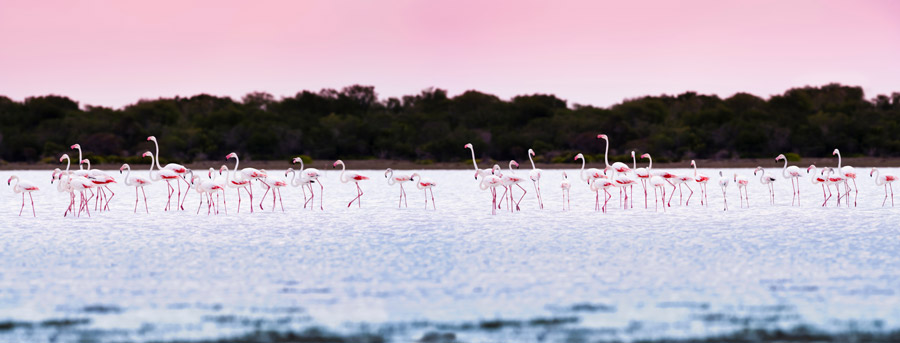
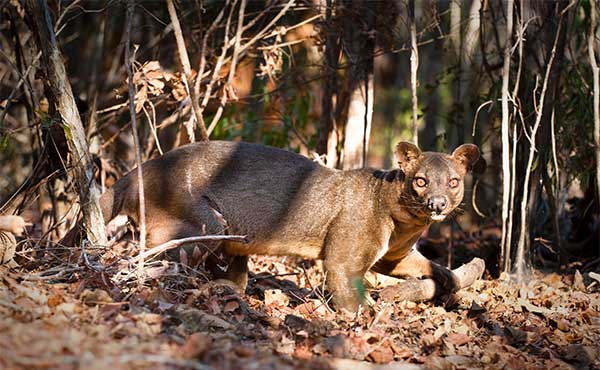
There is also an impressive banyan tree with roots stretching down into a sinkhole, where ring-tailed lemurs are sometimes seen coming to drink. The park was named after its Salt Lake which shimmers a milky blue and attracts flocks of flamingos as well as the rare Madagascar plover which breeds along its shoreline. Reptiles abound and the park is one of the few strongholds of the rare radiated and spider tortoises, and is also home to jewel chameleons, thick-tailed day geckos, three-eyed lizards and many more. Mammals are less abundant but include a good population of ring-tailed lemur and smaller numbers of Verreaux’s sifaka, white-footed sportive lemur and grey-brown mouse lemur. After dark the beautifully marked Grandidier's vontsira, can be locally common, and this inquisitive small carnivore is locally endemic to the park.
View suggested itinerary