Famed for its wildlife and geothermal features, Yellowstone National Park is home to many species of mammals, birds, fish and reptiles. The world’s first national park takes its name from the headwaters of the Yellowstone River, and is located principally in Wyoming, but also extends into Montana and Idaho.
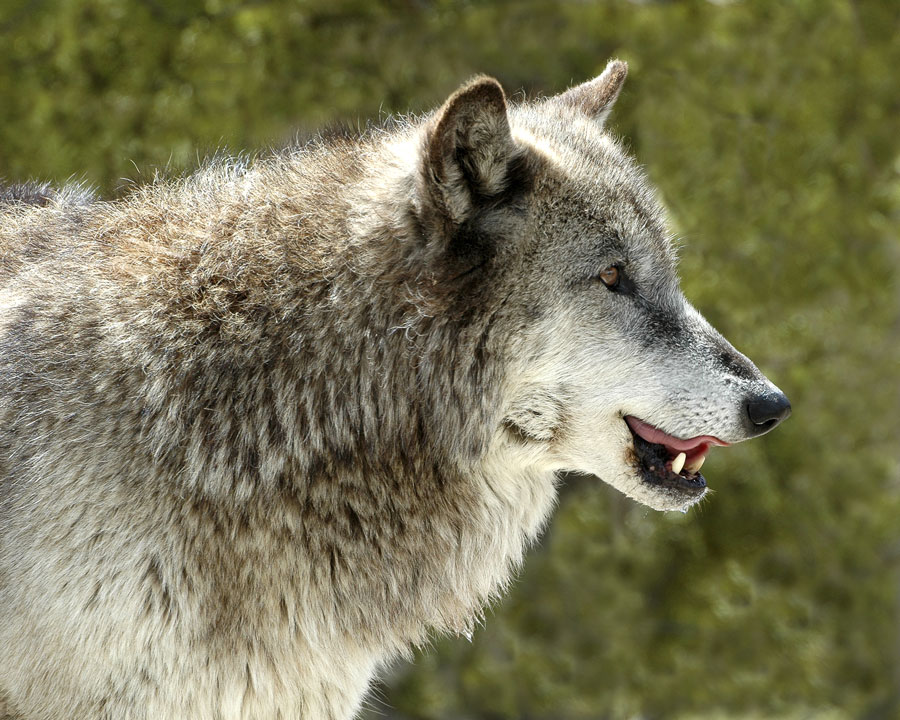
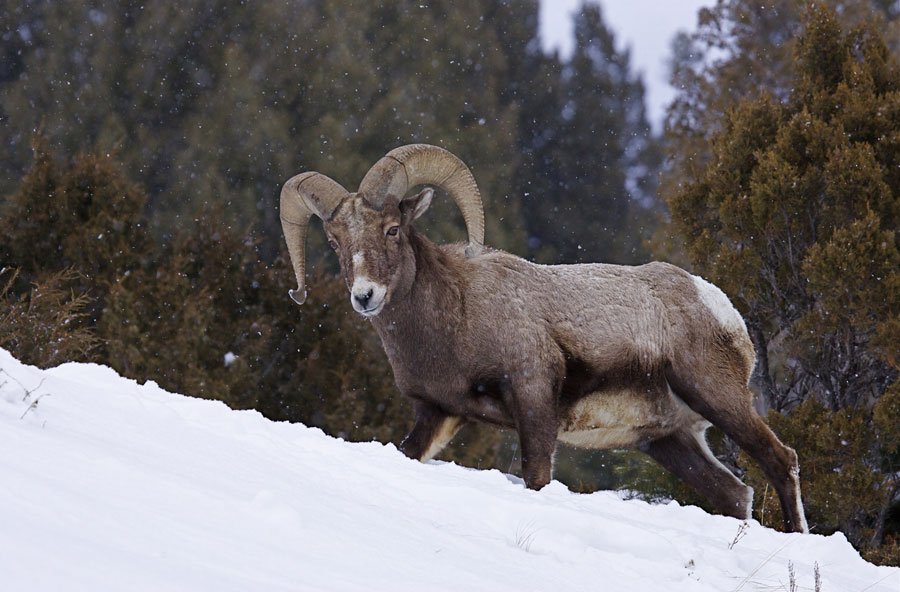
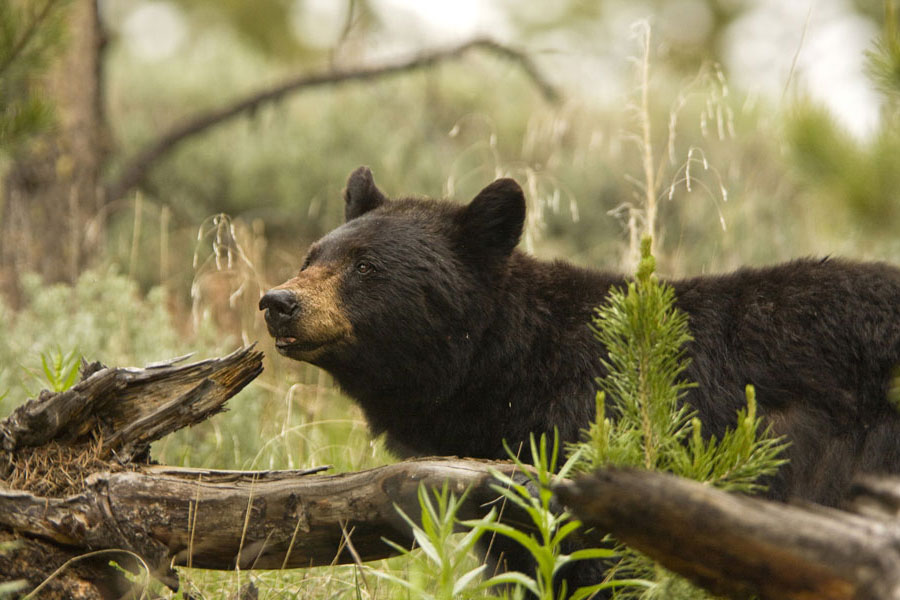
Many species of mammals, birds, fish and reptiles – including several that are either endangered or threatened – are found here, and the vast forests and grasslands include several unique plant species, making Yellowstone the largest and best known location for megafauna in the United States – almost 60 species of mammals include grey wolf, lynx (threatened), grizzly bear, coyote, black bear, elk, moose, mule deer, white-tailed deer, mountain goat, pronghorn, bighorn sheep and mountain lion (puma). Yellowstone is one of the last strongholds of the bison, once numbering between 30 and 60 million across North America. The free-rangng herd here is the country’s loldest and largest, at 4,900 in 2015.
Our Yellowstone Wolf & Wildlife Safari takes you to observe the fabulous wildlife found here in wintertime. And our photography trip, with award-winning widlife photographer Nick Garbutt, will give you thrilling encounters with bison, elk, big horn sheep, and even wolves, whilst honing your photography skills.
The park has many different ecosystems, however, subalpine forest is dominant. Although Native Americans have lived here for at least 11,000 years, organized exploration did not start until the 1860s, and the National Park Service was created in 1916.
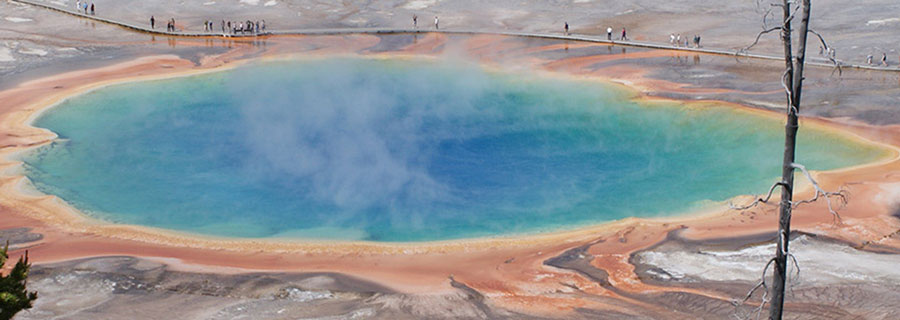
The area of 8,983 square kilometres of lakes, canyons, rivers and mountains includes one of North America’ largest high-altitude (2,357 metres) lakes, which lies directly above the Yellowstone Caldera – the continent’s largest supervolcano – which has erupted violently several times in the last two million years. The many geothermal features are fuelled by continuous volcanic activity, and much of the land is covered with lava flows from volcanic eruptions.
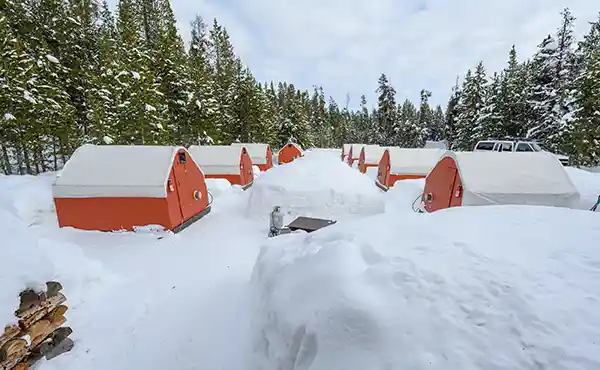
The Yellowstone Plateau, at an average elevation of 2,400 metres above sea level, is bounded on most sides by the mountain ranges of the Middle Rockies. The area is cut by three canyons and contains one of the world’s largest petrified forests, which was buried under volcanic ash and transformed into mineral. Of the 290 waterfalls of at least 4.6 metres high, the highest is the dramatic 94-metre-high Lower Falls. A network of paved roads provides easy access to the major areas, although in winter, the preferred mode of transport is by snowoach or snowmobile.
Our wildlife holidays to Yellowstone National Park can be tailored to suit your specific requirements, just contact our expert team who will be happy to help.
View suggested itineraries