Witness this astonishing natural phenomenon when a great mass of wildebeest and zebra arrive in the Masai Mara between June and October. With exceptional opportunities for wildlife photography, this is an unforgettable trip.
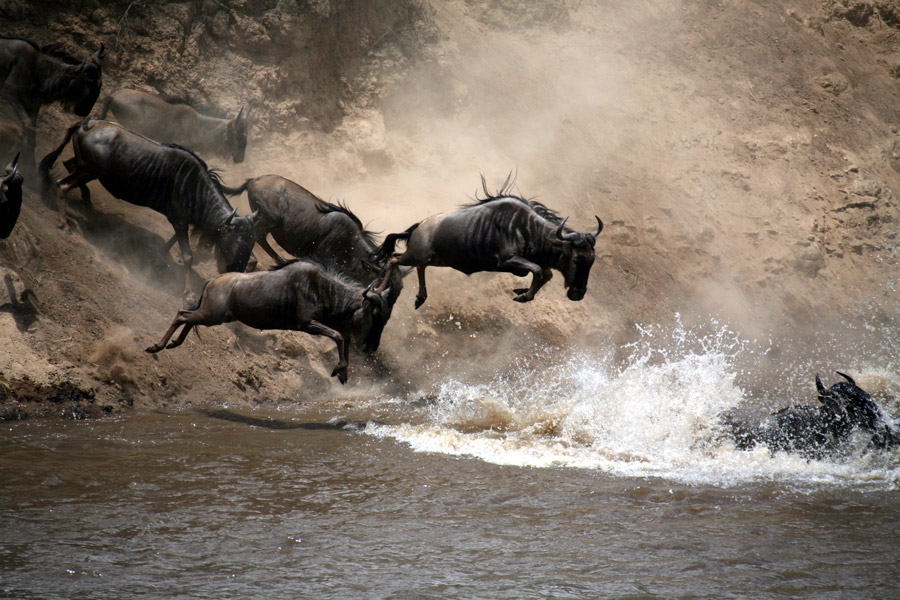
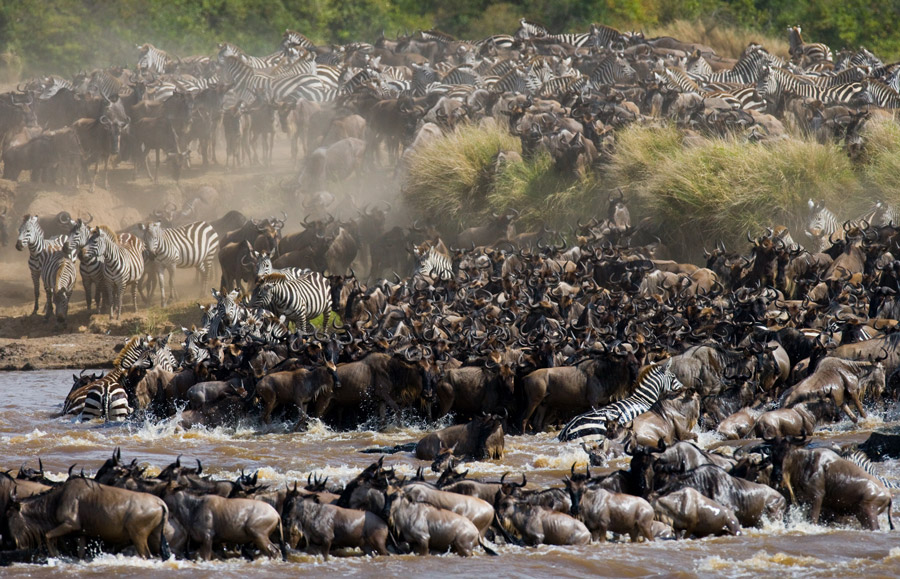
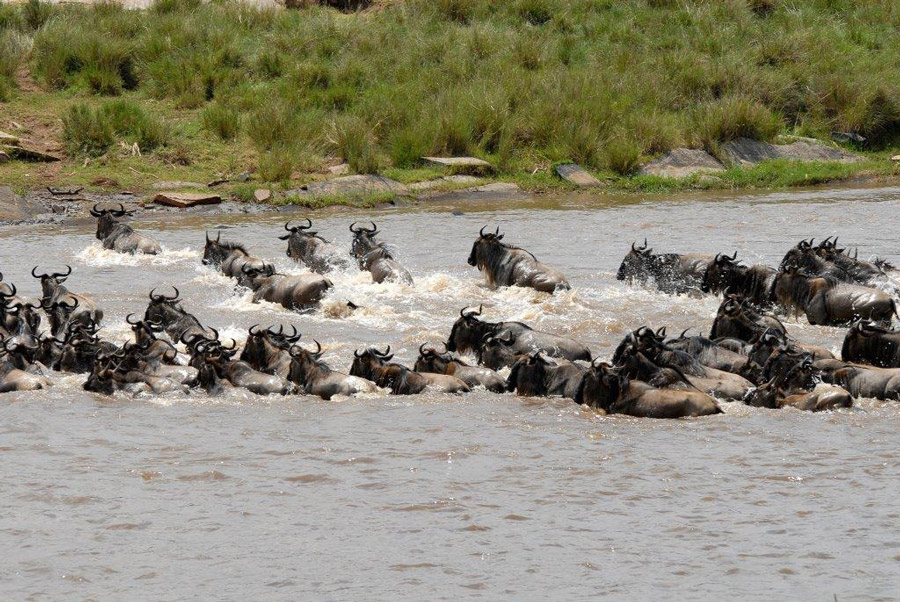
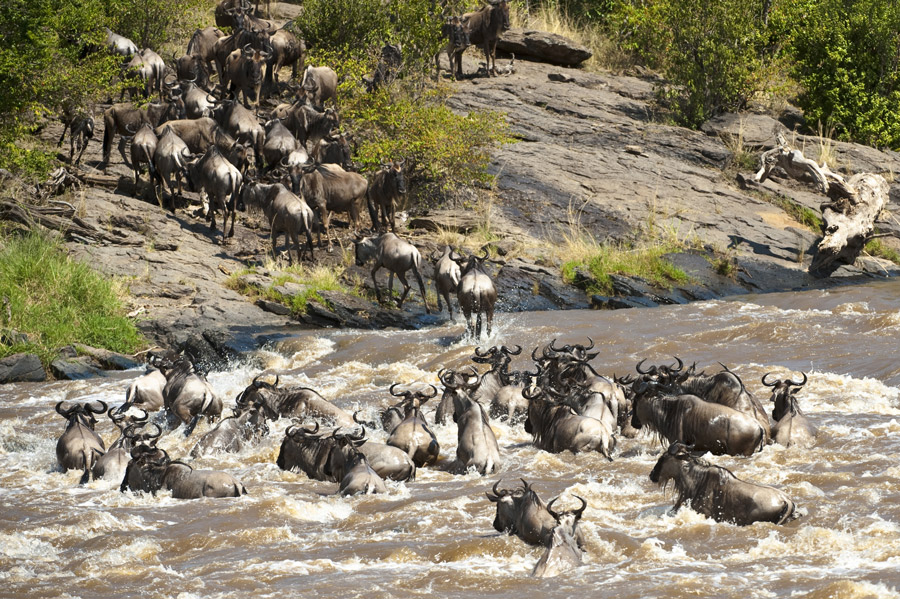
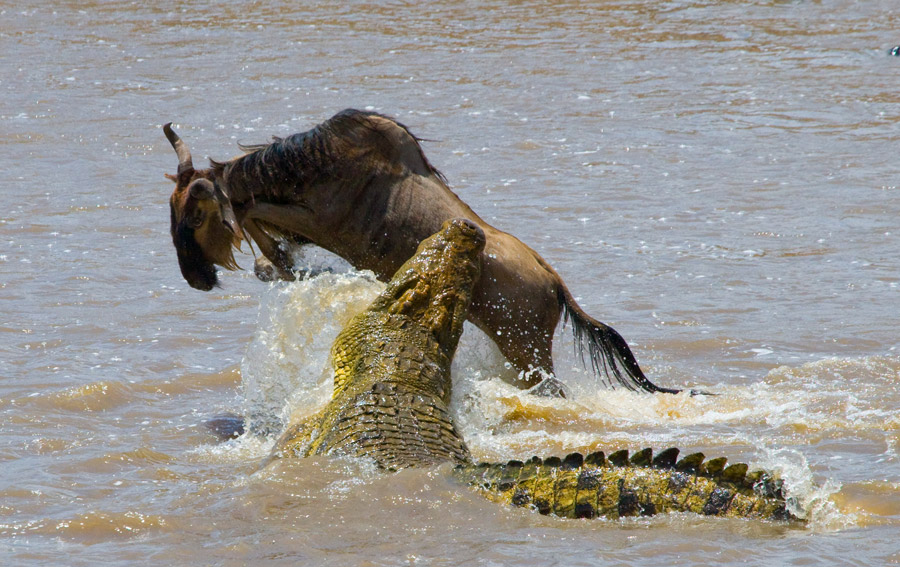
When the rains in the Serengeti are long over and the grassland there has turned to dust, huge herds of zebra and wildebeest make the long migration northward into the Masai Mara in search of fresh grazing. This journey is made more dangerous by the need to cross several rivers en route where hungry crocodiles lie in wait, while the region’s big cats are ready to pick off the weak and lame.
The timing is never completely predictable as it very much depends on the local weather patterns and the movement of the rains. For the iconic river crossings you need to visit the area either early or late in this period. From late June to the end of July they are crossing in the western side of the Mara heading north, and late in the season they are crossing in the eastern side of the Mara heading south.
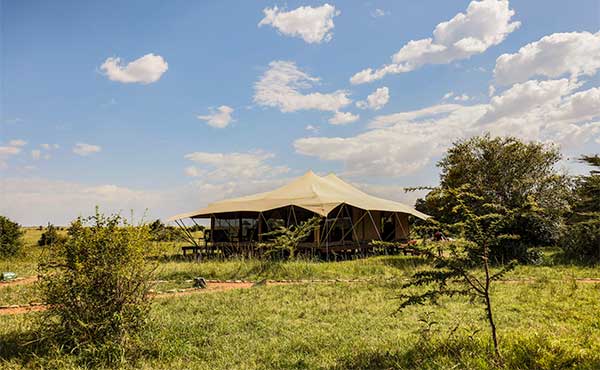
This itinerary can be based at any of several tented camps that are well sited for the river crossing.
Suggested Itinerary
-
Day 1:
Depart the UK
-
Day 2:
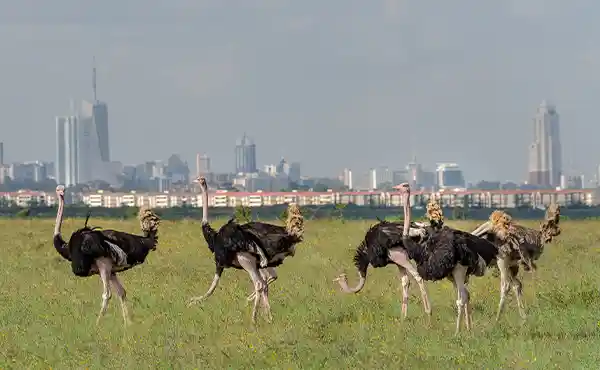
Arrive Nairobi & fly to the Masai Mara
On arrival at Jomo Kenyatta International Airport, you will be met and transferred by road to Wilson Domestic Airport and assisted to check in for your onward domestic flight to the Masai Mara.
Accommodation: Rekero Camp, 3-nights
-
Days 3-4
:
Vehicle safaris to see the migration
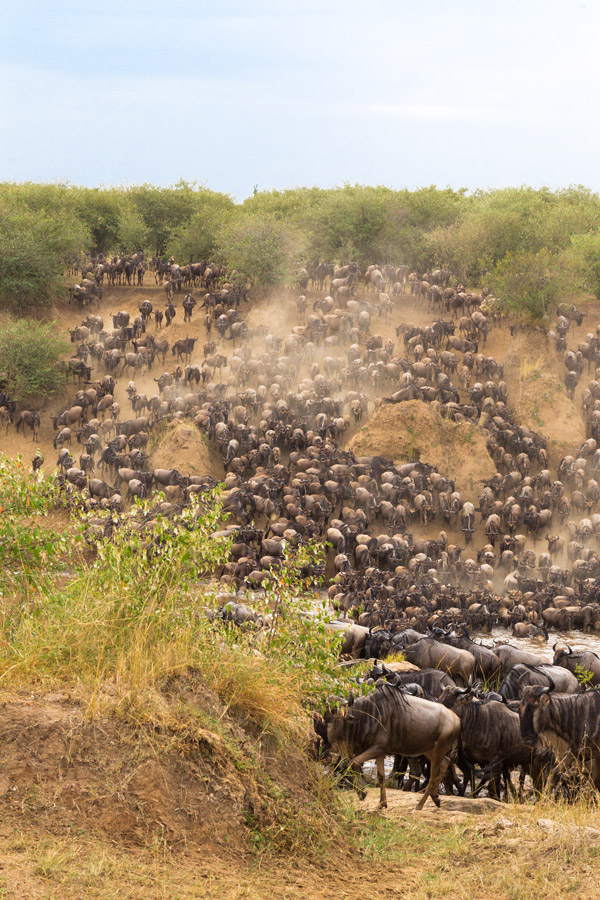
One of the greatest shows on earth, the Great Migration sees one and a half million wildebeest, accompanied by vast numbers of zebra and gazelle, making the long and dangerous trek from the dry Serengeti northwards to this corner of Kenya. Lines of animals stretch across the plains as far as the eye can see. They come to give birth to their young, and in this season the grasslands echo with the sounds of new-born calves.
This is a time of plenty. But it is also a time when predators are drawn from all around. High overhead, eagles and vultures soar on the hot updrafts, while lion, cheetah, leopard and hyena prowl in the long grass. The most dramatic moment of all is when the migration arrives at the Mara River, which the animals must cross to reach the rich grazing. As the herds throng the riverbank, huge Nile crocodiles patrol the waters. Rekero Camp is situated close to the confluence of the Talek and Mara Rivers, only 10 minutes from the main crossing point.
-
Days 5-8
:
Olare Orok Conservancy or Ol Kinyei Conservancy
Transfer by road to a nearby private concession on a conservancy, where you will spend the next four nights.
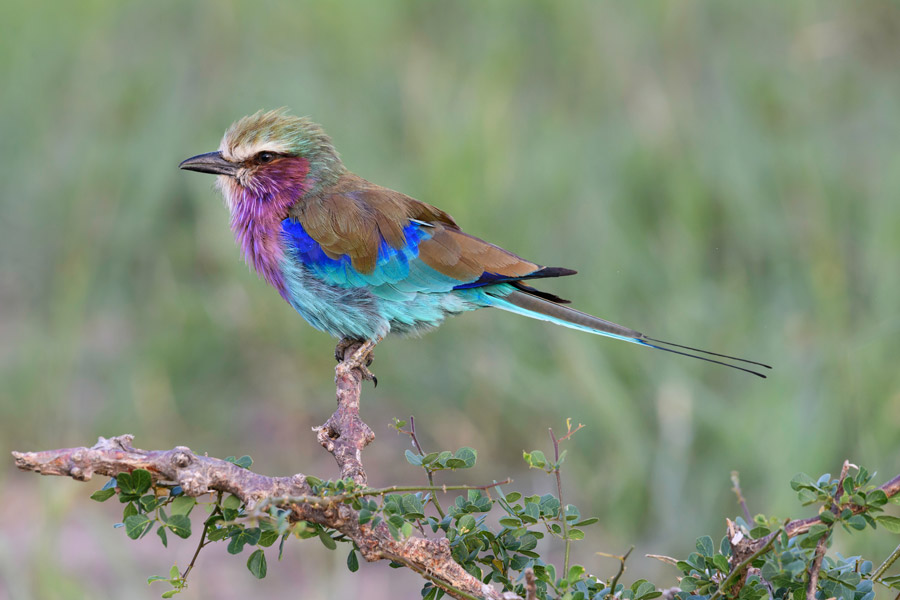
A typical day on safari involves rising just after dawn to head out on an early morning game drive - this is a good time to see both animals and birds before the heat becomes too intense. Like most of the wildlife, you too will avoid the heat of the day, returning to camp when it gets hot for an ample brunch. You then have some down time, before getting ready to head out again on a late afternoon game drive. Animals and birds become more active once the bush cools down, and the warm, soft light of the setting sun brings out all the colour and contrast, so it's an ideal time for photography.
Accommodation: Porini Lion Camp or Porini Mara Camp, 4-nights
-
Day 9:
Fly to Nairobi
Fly by light aircraft back to Wilson Airport, Nairobi.
Accommodation: Hotel or tented camp in Nairobi, 1-night
-
Day 10:
Fly back to the UK
This morning transfer to Nairobi International Airport to check in for a daytime flight to London.
Please note: Accommodation at this time of year fills a long time in advance. We recommend you plan ahead and book early!