Lying in the centre of the island, Madagascar’s vibrant capital city is built on a series of hills and is among the most unusual and attractive capitals in Africa.
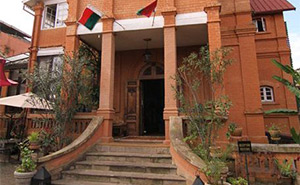
Many of the old buildings and narrow, cobbled streets retain an almost medieval quality, creating a city of surprises and a lively and bustling place to visit. A mix of many cultures, neither exclusively African nor Asian, here you will see rice paddies, churches, a mosque, palaces and local markets. There is an incongruous juxtaposition of old and modern as zebu carts laden with produce plod slowly along the same roads as Japanese cars and buses. Architecturally, Antananarivo combines old wooden houses, French colonial style buildings and modern offices.
The best way to see the city is to walk around it; most people take a taxi to the Upper Town, dominated by the ruins of the Queen’s Palace, which was destroyed by fire, and begin their walk from there. The views from various vantage points are commanding: far below you can see the Avenue de l’Independence, the hub of the lower part of town with the impressive old train station at its far end. The main area between the high town and the avenue (known as Isoraka) is the smarter part of the city, where many of the better quality hotels, boutiques and classy, vibrant bars and restaurants are located.
Founded in the early 1600’s, Antananarivo’s (Tana) name means ‘the city of a thousand’ referencing the 1,000 soldiers who supposedly protected the city during the reign of the King Andrianjaka. Today, Antananarivo has a population of about 1.4 million people.
View suggested itineraries