Travel, experience, conserve with
Phone:
Jump to main menu

Travel to this outstanding region and combine two of South America’s finest wildlife destinations - the Amazon and the unique Galápagos Islands.

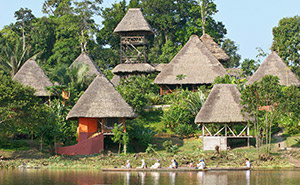
The Amazon rainforest is a rich paradise, home to an incredible diversity of mammals, birds, and fish. Nestled within this lush wilderness, Napo Wildlife Centre serves as the perfect base for exploring the dense jungle. From this comfortable eco-lodge in the heart of the jungle, you traverse winding trails and navigate meandering rivers, and discover its colourful and varied wildlife.

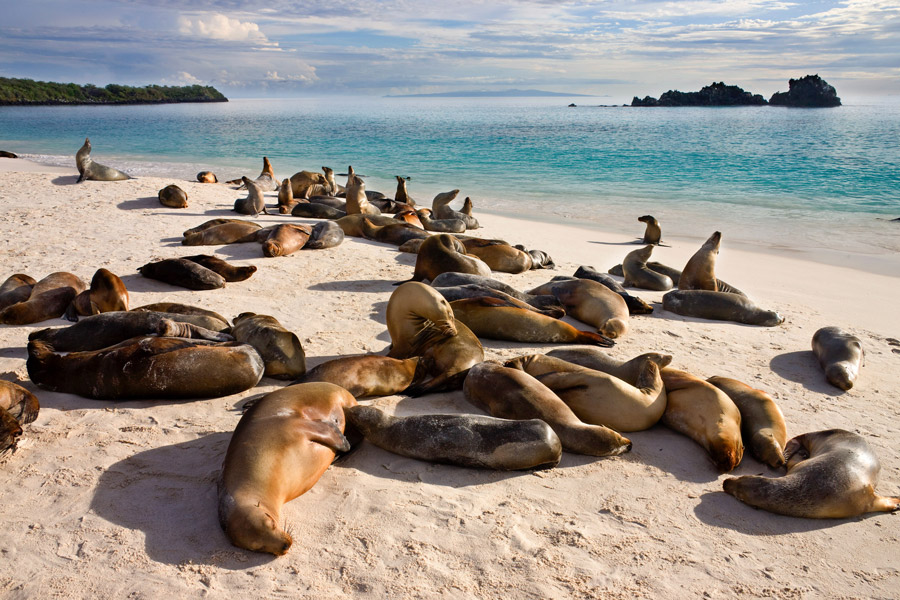
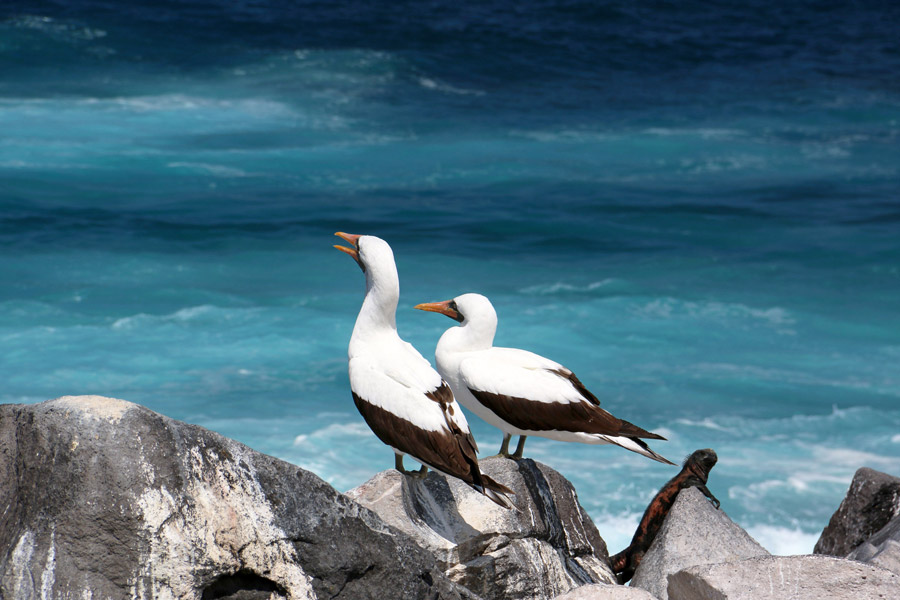
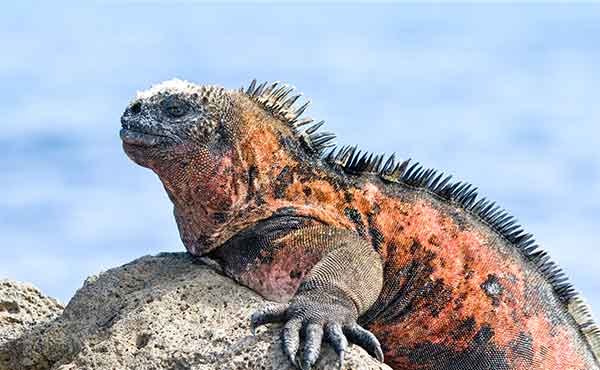
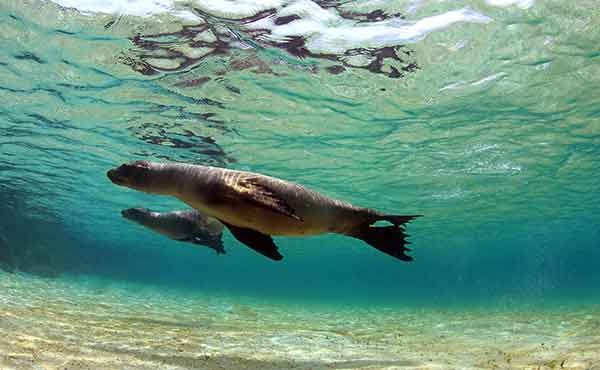
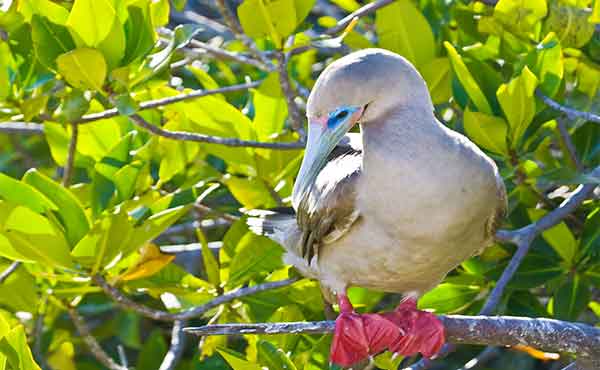
Continuing your journey to the Galapagos Islands, you board your vessel and sail from island to island, exploring this unique volcanic landscape. Enjoy close encounters with its prolific birdlife and fearless land and sea-dwelling wildlife, including, Galapagos sea lion, land and marine iguana, giant tortoise, blue-footed boobies and frigatebirds.

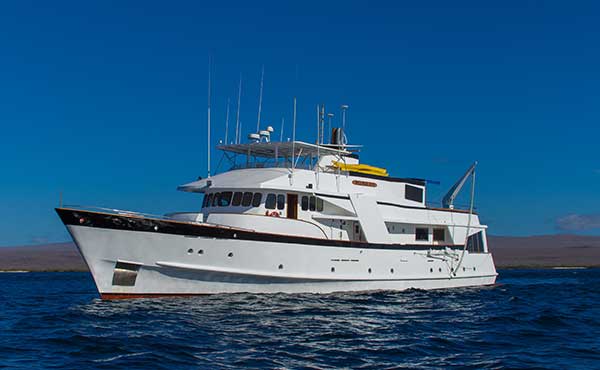
The itinerary shown below is based on travelling on board Beluga, however we offer a variety of other vessels to suit all budgets. Please contact us for more information.

Suggested Itinerary

  1. Day 1: Fly to Quito

    Fly from London to Quito, arriving later the same day. On arrival you're met by one of our representatives and transferred to your hotel.

    Accommodation: La Casona de la Ronda, 1-night

  2. Day 2: Fly to the Amazon

    Departing Quito, a 30-minute flight over the eastern Andes mountain range takes you to Coca, where you then board a motorised canoe along the Napo River for around two and a half hours, with lunch en route. After arriving at the lodge's entry dock, you disembark and then take a peaceful dugout canoe ride, paddling along a narrow creek that connects to the lake where the lodge is located. There are good possibilities of monkey sightings, in addition to large birds such as toucans, parrots or even macaws. You should arrive at the lodge in the late afternoon, and after dinner there's an optional caiman observation around the lake.

    Accommodation: Napo Wildlife Lodge, 3-nights

  3. Day 3: Rainforest activities: canopy walkway, trail walks

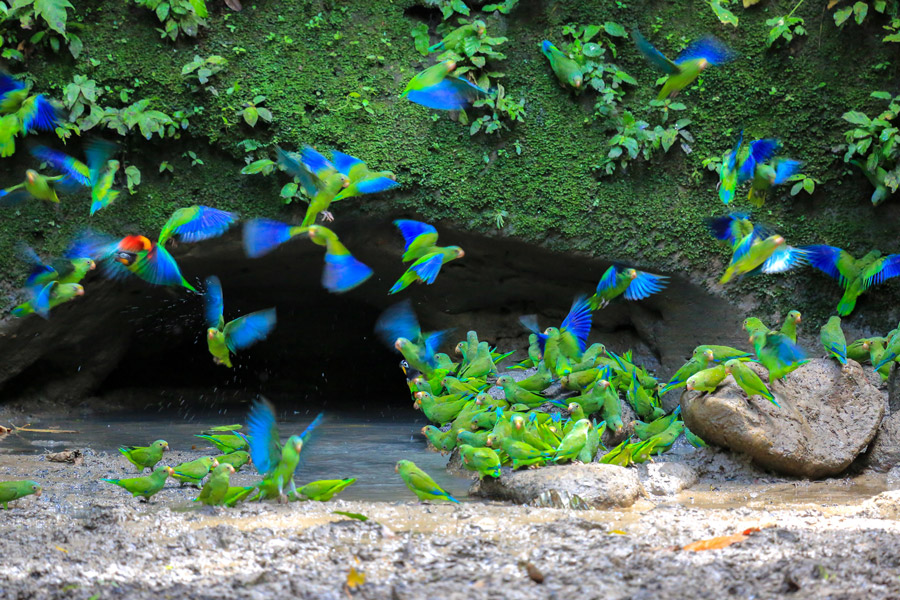
    An early start takes you to the best and easy access parrot clay licks in Ecuador, about one hour away from the lodge, reaching them at around 8 o'clock. A total of 11 species of parrots, parakeets and macaws can be seen. Later, hike along the forest trails to visit the Quichua community of Añangu and spend some time with a family there. Return to the creek and hike through the forest for about 30 minutes until you reach the second parrot clay lick where (subject to weather conditions) you can see different species of parrots, parakeets and even macaws.

  4. Day 4: Rainforest activities: canopy walkway, trail walks

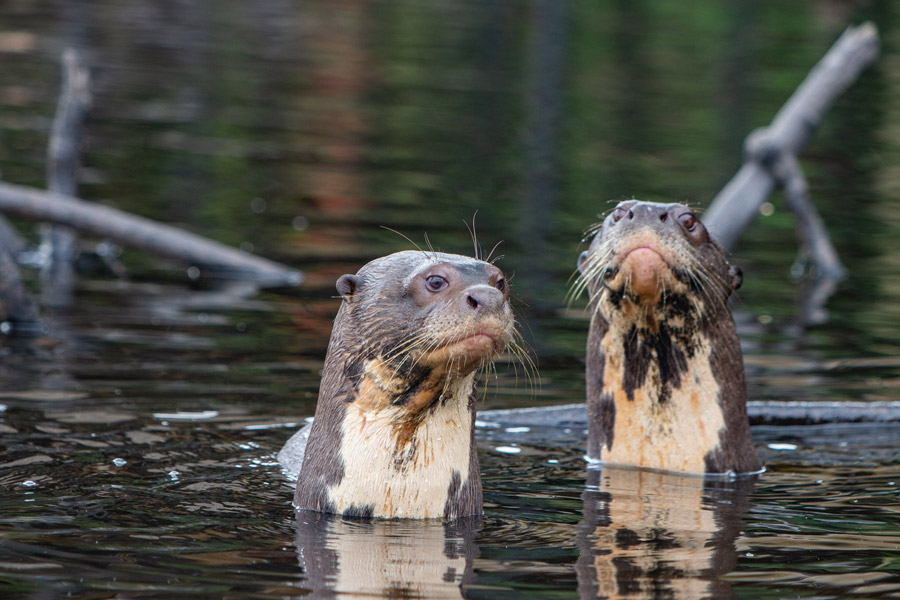
    After an early breakfast, depart from the lodge to the 36-metre canopy tower on the Napo, a great way to experience the life above the forest floor. You should see flocks of colourful tanagers pass right through the canopy, blue macaws and yellow macaws; birds that are virtually impossible to see from the forest floor far below are suddenly right beside you, oblivious to your presence. After lunch back at the lodge, you can hike along primary forest to discover the forest interior, with possibilities of finding lizards, or the unique and endemic golden mantle tamarin monkeys. After the hike, explore the lake and creeks by dugout canoe, with chances of running into a giant otter family on the way.

  5. Day 5: Fly to Quito

    An early departure takes you on your last excursion, canoeing back to the Napo River; the creek may reveal new sights of giant otters, monk saki monkeys or many other rare birds. Then it's time to board the motorised canoe to return to Coca, and a flight back to Quito.

    Accommodation: La Casona de la Ronda, 1-night

  6. Days 6-12 : Fly to the Galapagos Islands

    Fly to the Galapagos Islands (included), where you transfer to your vessel.

    Over the next few days, explore the Galapagos archipelago with its unique biological identity. You should see a phenomenal amount of wildlife as you cruise from island to island, and encounter sea lions, land iguanas, frigatebirds, giant tortoises and blue-footed boobies to name a few. Choose your preferred expedition voyage from our Eastern Galapagos Highlights or Western Galapagos Highlights

    Accommodation: Beluga, 7-nights

  7. Day 13: Disembark and fly home

    This morning, you visit Black Turtle Cove, located on the north side of Santa Cruz. At certain times of year, you can see nesting marine turtles. Rays, sharks, and pelicans can also be found here. Afterwards, disembark and return to the mainland for your return flight back to the UK. 

Key info

Our trip ideas are offered to inspire you and can be tailored to suit your requirements.
  • Duration and price including flights from/to UK: 12 days from £7,615 pp
  • Duration and price excluding international flights: 11 days from £6,615 pp
  • Trip type:
    Tailor-made Holiday
  • When to go: Jan-Dec: Departures monthly throughout the year
  • Included in the price/package:
    • Accommodation
    • Return flights between Quito & Coca
    • Return flights to Galapagos Islands
    • Transfers as indicated
    • Most meals
    • Excursions as indicated
    • Guided activities & experiences at Napo Lodge
    • 7-night Galapagos voyage
    • Snorkelling gear & wet suit rental on board voyage
    • Conservation fund contribution
  • Activities available:
    • Boat trip
Featured locations:

Ecuadorian Amazon

Ecuadorian Amazon

This vast rainforest east of the Andes protects more species of plant and mammal than any area of similar size. It is home to an astonishing repertoire of wildlife, including 15% of the world’s bird species. There are over 100 species of mammals, and a network of rivers, steams and lakes to explore by boat or canoe. Find Out More about {acc:title}

  • Where: Amazon
  • Ideal for viewing: blue and yellow macaw, harpy eagle, jaguar, three-toed sloth, capybara
  • Excellent for: Birdwatching

Galapagos Islands

Galapagos Islands

Submarine volcanic activity caused this remarkable archipelago to rise from the seabed. Millions of years of isolation then allowed species to evolve through natural selection, creating a unique biological identity. There are no predators, so the animals know no fear – allowing close encounters. Find Out More about {acc:title}

  • Where: Galapagos
  • Ideal for viewing: blue-footed booby, Galapagos penguin, land iguana, marine iguana, giant tortoise
  • Excellent for: Wildlife cruises, Birdwatching

Fernandina

Fernandina

Fernandina is an active volcano with rugged slopes and unusual lava formations, which create some surreal landscapes. Its constant change of volcanic state and lack of plant life mean it is probably the least visited island.It is home to a huge population of marine iguanas, and penguins are commonly spotted. Find Out More about {acc:title}

  • Where: Western islands
  • Ideal for viewing: flightless cormorant, Galapagos penguin, land iguana, marine iguana, Sally Lightfoot crab
  • Excellent for: Penguin watching

Isabela

Isabela

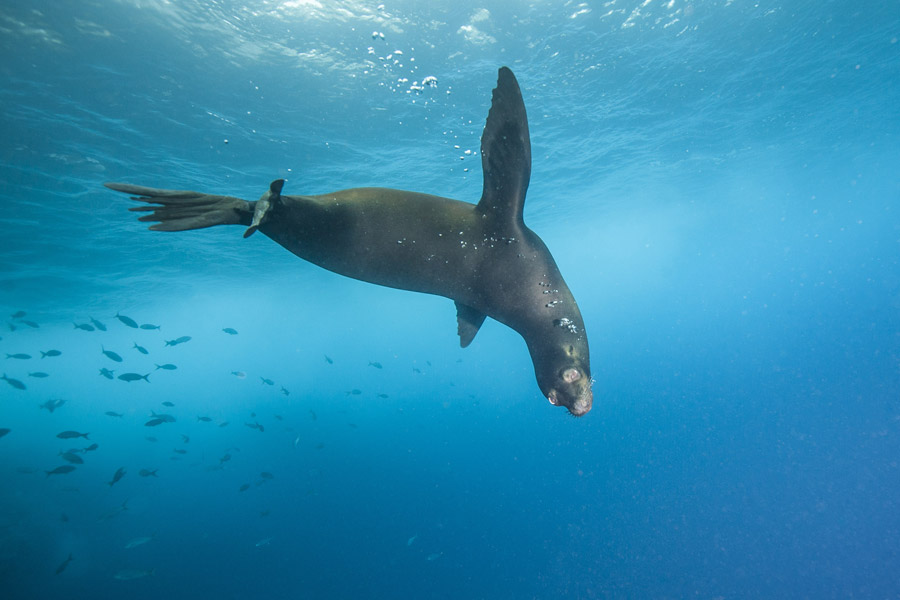
The volcanic slopes of the largest island in the archipelago are home to some 6,000 Galapagos tortoises. On the west coast the cold water currents produces an abundance of marine life and it is possible to snorkel with sealions. An uplifted coral reef provides brackish lagoons which are home to a variety of seabirds. Find Out More about {acc:title}

  • Where: Western islands
  • Ideal for viewing: Galapagos penguin, South American fur seal, white-cheeked pintail, Galapagos hawk, land iguana
  • Excellent for: Penguin watching

Santiago

Santiago

Santiago Island has a narrow, steep-sided point of land, which provides an extraordinarily beautiful landscape with cliffs and rocky pinnacles that create a nesting site for hundreds of marine birds. In the 17th and 18th centuries, pirates used this place to maintain their vessels and replenish their supplies. Find Out More about {acc:title}

  • Where: Central islands
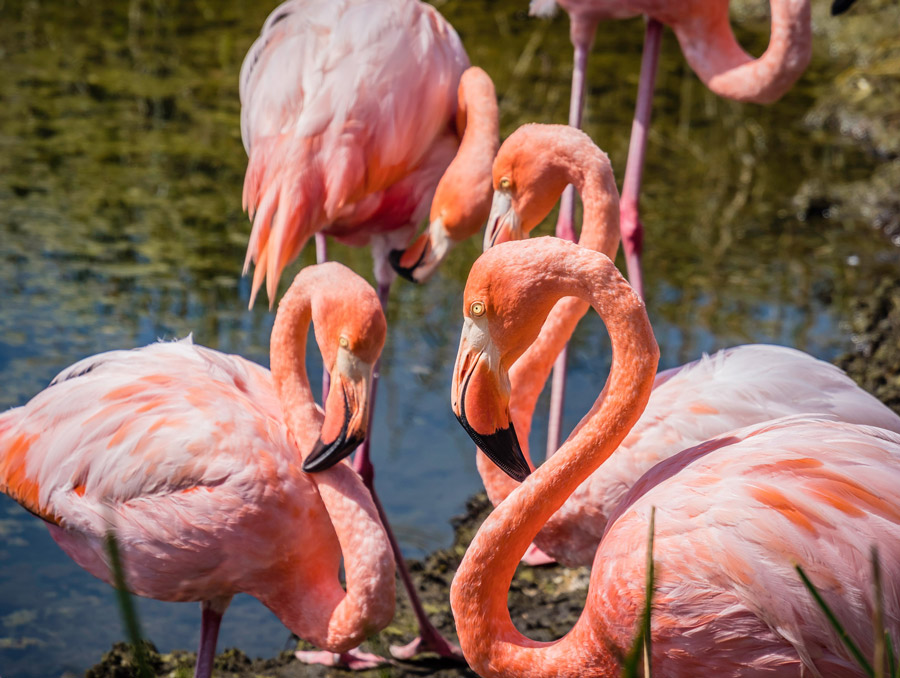
  • Ideal for viewing: Galapagos penguin, South American fur seal, Galapagos hawk, lava lizard, American flamingo
  • Excellent for: Birdwatching

Genovesa

Genovesa

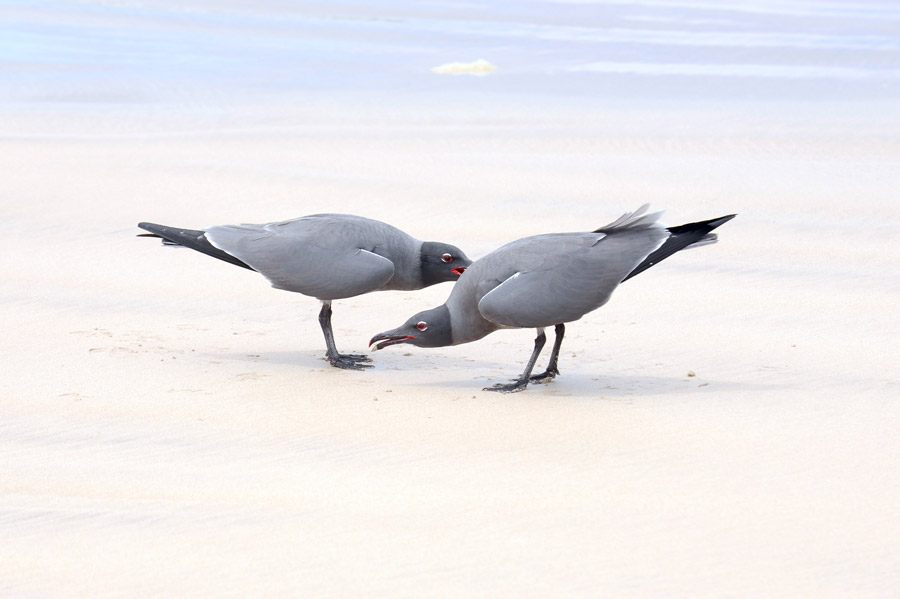
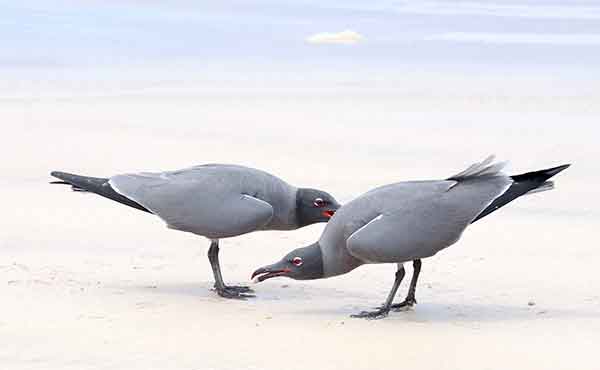
Isla Genovesa is one of the best places for birdwatching – here you can find the lava gull, the rarest gull in the world. A lava field on the north shore provides the ideal nesting place for storm petrels in its cracks and tunnels. The marine iguana is the only reptile on the island, and are the smallest in the archipelago. Find Out More about {acc:title}

  • Where: Northern islands
  • Ideal for viewing: lava gull, red-billed tropicbird, South American fur seal, South American sea lion, Galapagos mockingbird
  • Excellent for: Birdwatching

Santa Cruz

Santa Cruz

Santa Cruz is home to the Charles Darwin Research Station and Giant Tortoise Breeding Centre. The island’s rocky coastline and mangrove-lined inlets are good for marine life. The lush greenery of the highlands offers a welcome contrast, with its huge craters, lava tunnels and giant tortoises roaming freely. Find Out More about {acc:title}

  • Where: Central islands
  • Ideal for viewing: giant tortoise, green turtle, marine iguana, vermilion flycatcher, Galapagos rail

San Cristóbal

San Cristóbal

Home to frigatebirds, red and blue-footed boobies, Galapagos tortoises and sealions, this was the first island on which Charles Darwin set foot in 1835. A crater in the highlands holds the largest freshwater lake in the Galapagos, which is home to a lot of birdlife. It has one of the two commercial airports in the Galapagos. Find Out More about {acc:title}

  • Where: Eastern islands
  • Ideal for viewing: blue-footed booby, magnificent frigatebird, South American sea lion, great blue heron, swallow-tailed gull
  • Excellent for: Birdwatching

Napo River & Yasuni National Park

Napo River & Yasuni National Park

The Napo River region and the biologically diverse Yasuni National Park lie at the heart of the Ecuadorian Amazon. Bird species number around 600 and mammal diversity is very high, with numerous primates and predators. A motorised canoe down the Napo takes you into the heart of the rainforest and its creeks. Find Out More about {acc:title}

  • Where: Napo Province
  • Ideal for viewing: sungrebe, harpy eagle, tropical kingbird, howler monkey, capuchin monkey
  • Excellent for: Vehicle safaris
Suggested accommodation options are shown below. Please contact us for further recommendations.

Hotel Patio Andaluz

Hotel Patio Andaluz

The Patio Andaluz is a lovely, boutique hotel located right in the heart of the old city, and was declared a National Monument by UNESCO in 1978. It has 32 elegant rooms, each decorated with traditional woodwork and furnishings, a restaurant specialising in national and Spanish cuisine, a cava bar and a library. Find Out More about Hotel Patio Andaluz

Napo Wildlife Centre

Napo Wildlife Centre

Napo Wildlife Centre is the only lodge in Yasunì National Park, a UNESCO Biosphere Reserve. Built and run in conjunction with the local indigenous community, each of its 16 spacious cabanas has a private balcony, and facilities include an observation tower with a 360° view of the surrounding forest and its wildlife. Find Out More about Napo Wildlife Centre

This itinerary is available on the following cruise vessels:

Beluga

Beluga EXPEDITION VESSEL

The Beluga is a small but surprisingly spacious and comfortable, first-superior class, motor yacht carrying 16 passengers in eight double or twin cabins. The vessel is air-conditioned throughout, and facilities include a lounge, bar, dining area and plenty of deck space. The crew of ten includes a naturalist guide. Find Out More about Beluga

Santa Cruz II

Santa Cruz II LUXURY VESSEL

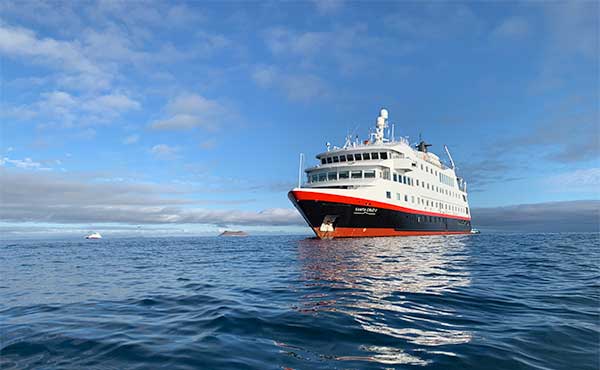
The Santa Cruz II is an elegant vessel, which carries 90 passengers in 50 modern cabins. Air conditioned throughout, facilities across the five spacious decks include indoor and outdoor dining, a lounge bar, library, a gym and two hot tubs overlooking the ocean. Activities include kayaking and snorkelling. Find Out More about Santa Cruz II