The Napo River is a tributary of the mighty Amazon that rises on the eastern slopes of the Andes in Ecuador. The rainforests that flourish along its banks are arguably the most biologically diverse within the Amazon.
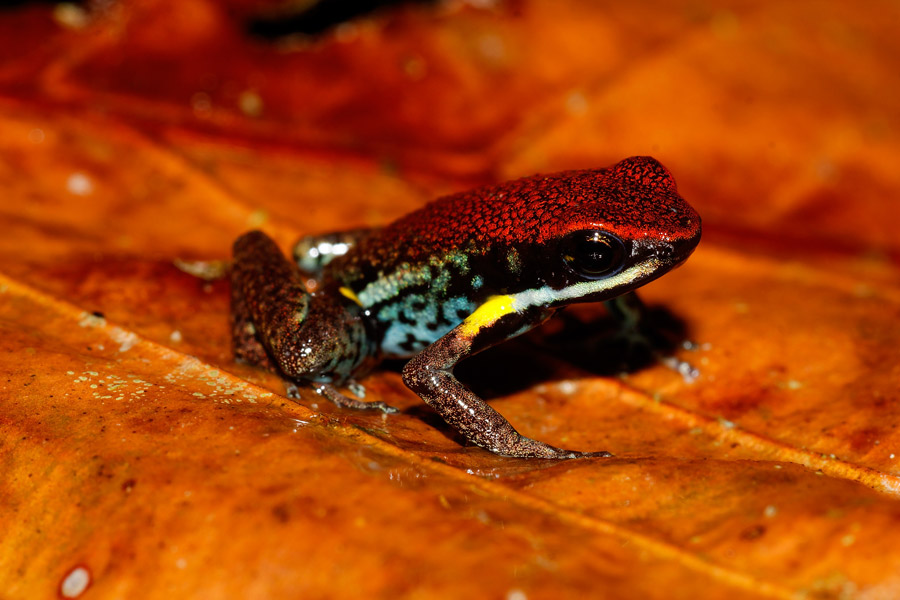
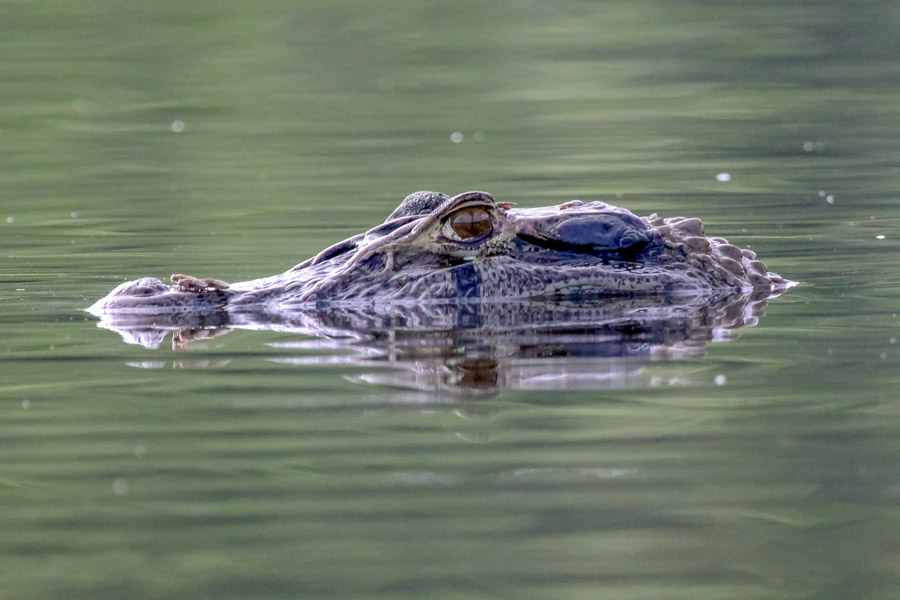
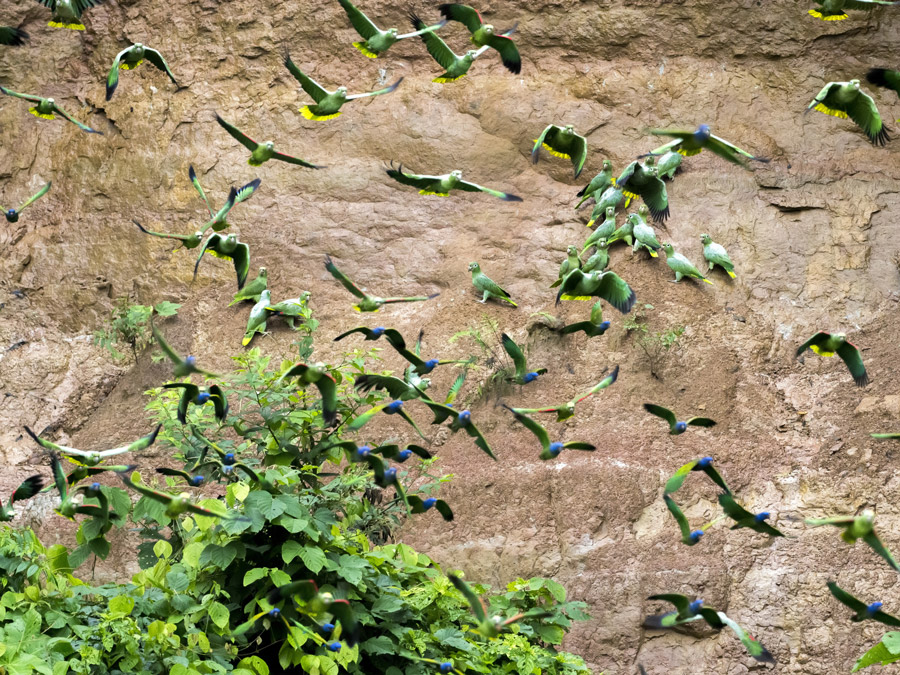
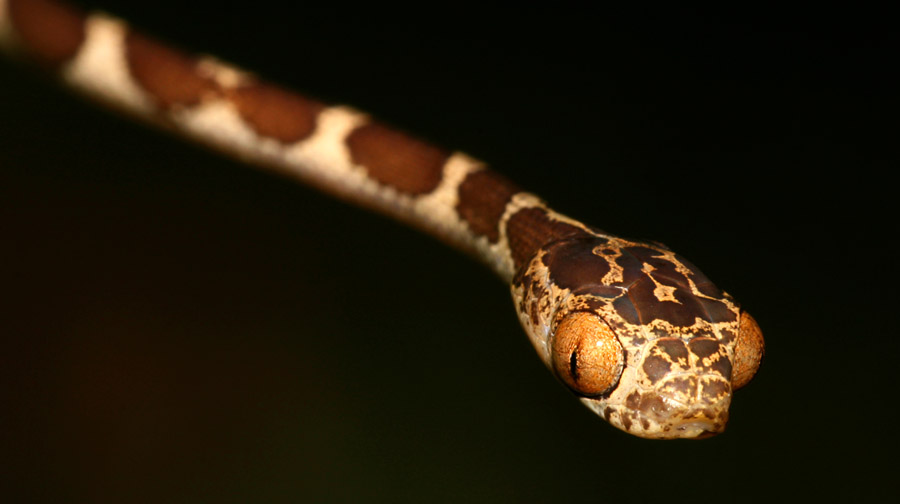
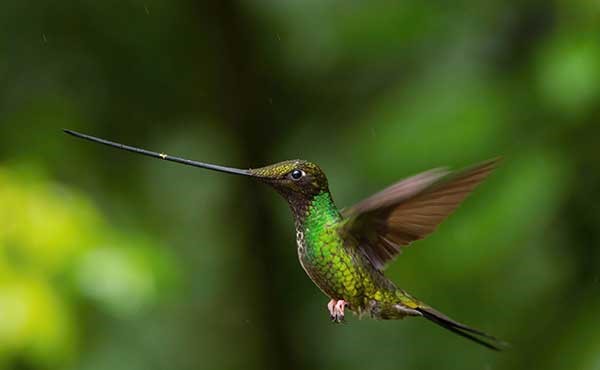
Yasuni covers around 10,000 square kilometres along the south bank and, together with areas on the opposite bank of the Napo, a small zone exists where animal and plant species diversity all reach their maximum levels within the western hemisphere. Nowhere are there a greater number and diversity of amphibians and reptiles, with approximately 35% of all species in the Amazon basin. In addition, round 600 species of birds have been seen, including many species of parrots and macaws that gather on a daily basis in their hundreds at know mineral licks. Mammal diversity is also extraordinary; there are numerous primates ranging from the diminutive pygmy marmoset to the raucous red howler monkey. Predators include the secretive tayra and ocelot and of course the mighty jaguar, although these are seen rarely.
The region is characterised by three main forest types, each of which harbours its own specialties and peculiarities. 'Terra Firme' forest is found on the areas of high ground and does not flood, whereas 'Varzea', forest is subject to periodic seasonal flooding, and 'Irapo' forest is permanently or near permanently flooded.
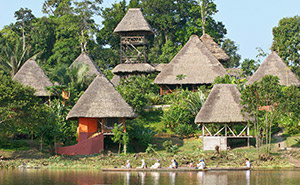
Excursions are by motorised canoe down the Napo, which take you into the heart of the rainforest and its creeks.
View suggested itineraries