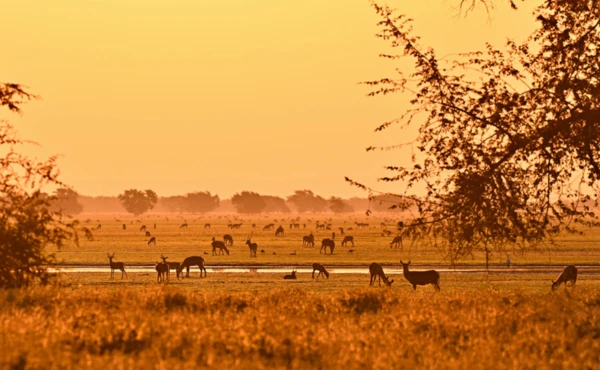
Gorongosa National Park’s 4,000 square kilometres of wilderness in the heart of Mozambique, which lies at the very southern end of the Great Rift Valley, must be one of Africa’s least-known wildlife havens – and it's truly magnificent. It’s thought to have greater biodiversity than any other park in Africa, and more is known about the wildlife of this park than any other on the continent.
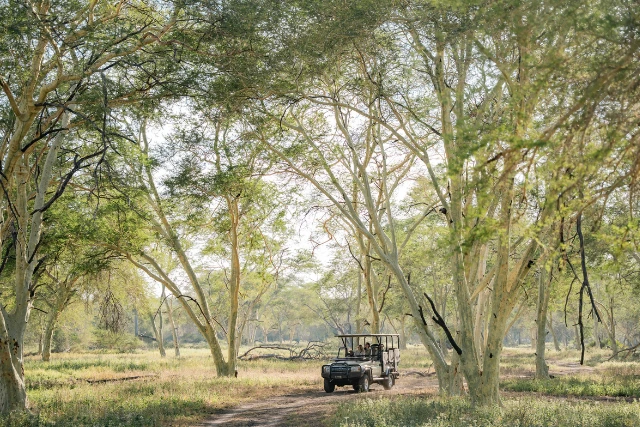
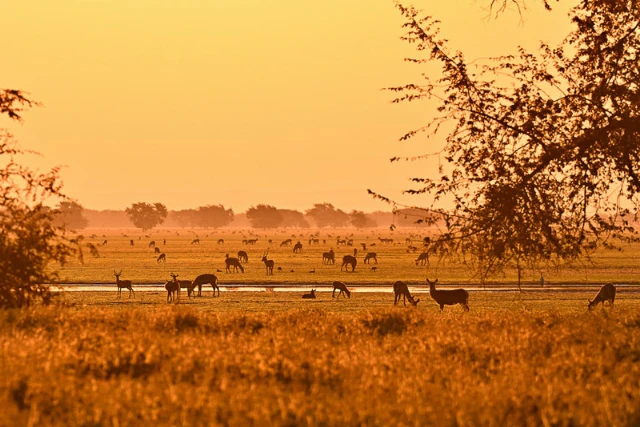
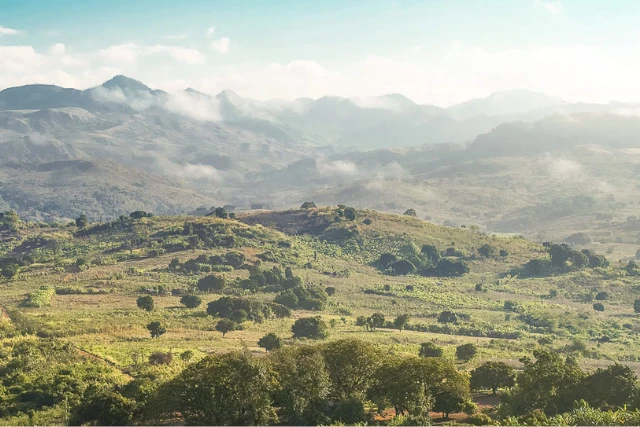
 It’s home to huge open plains full of waterbuck and impala, forests of Ilala and Borassus palms, acres and acres of fever trees with their magical green boughs, wonderful stands of baobabs, swamps, sinuous rivers and a vast lake. All of this makes it a paradise for birds and mammals. Mount Gorongosa, with its 1,800-metre high peak, lies in an isolated area to the northwest of the main park, and in the northeast is an extensive network of limestone caves.
 After its designation as a national park in 1960, it thrived until the ravages of the civil war almost destroyed it and all of its wildlife, but it was saved by the creation of a remarkable community conservation project that began in 2008. I first visited the park in 2009 and loved it, but the wildlife was thin on the ground and fled at the sound of a vehicle.
Over the course of the last 16 years, as a result of reintroductions, exceptional conservation work, and of course nature doing what it does best, Gorongosa is now a park that can stand shoulder to shoulder with some of the other greats in Africa.
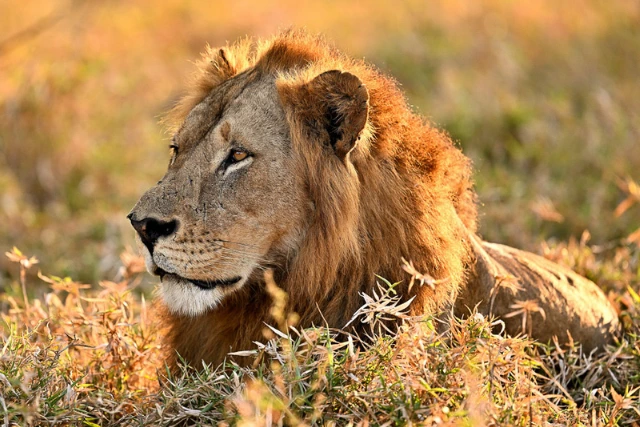
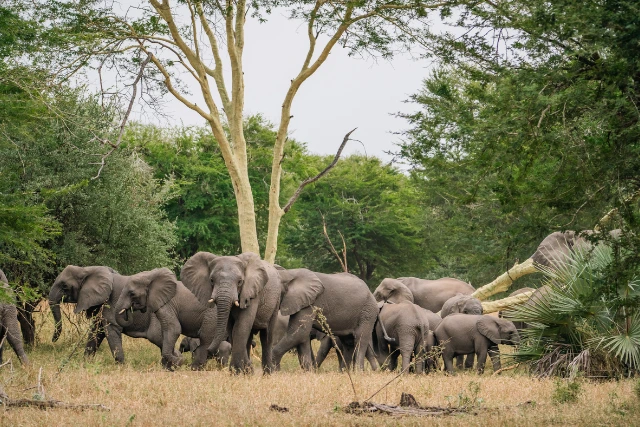 On my recent short visit I saw some fabulous herds of elephant (one 50-strong), two different prides of lion, spent time with a pack of 14 wild dogs (six adults and eight young) as they prepared to go hunting, and had the most remarkable daytime encounter on foot with a pair of courting civets that lasted nearly an hour.
In addition, I had plenty of sightings of what is now my favourite antelope – nyala – and a further eight species, including reedbuck, oribi, blue wildebeest, Lichtenstein’s hartebeest, and bushbuck.
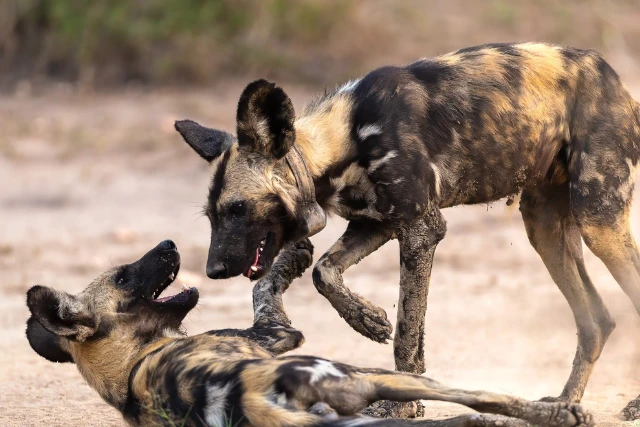 I visited at the height of the dry season in mid-September, and was overwhelmed by how it had changed since my first visit. There’s wildlife everywhere, and there was rarely a moment when something interesting wasn’t in view – be it a herd of antelope, elephants, predators (large or small) or simply just magnificent scenery. I managed to see more than 20% of the recorded 500 bird species, nine of the 17 species of antelope, four species of mongoose, and at night-time, genets, (more) civets, serval, porcupine and barred owlet.
 There are two superb safari lodges in the park and the opportunity to drive, night-drive, walk and (at certain times of the year) safari by boat on Lake Urema, which at its peak covers an area of nearly 1,000 square kilometres. There’s also an exceptional pangolin conservation and rehabilitation project that affords people the opportunity to get up close and personal with these extraordinarily endearing creatures.
 If you’ve enjoyed safaris in East and Southern Africa but never been to Gorongosa, then I would highly recommend you put it on your wish list. If you’ve not been to Africa before and would like to, there are few other national parks in Africa that can offer you so much variety.
If you've been inspired to visit Gorongosa National Park, discover our Classic Gorongosa Safari tour today. For further guidance, contact our expert team.