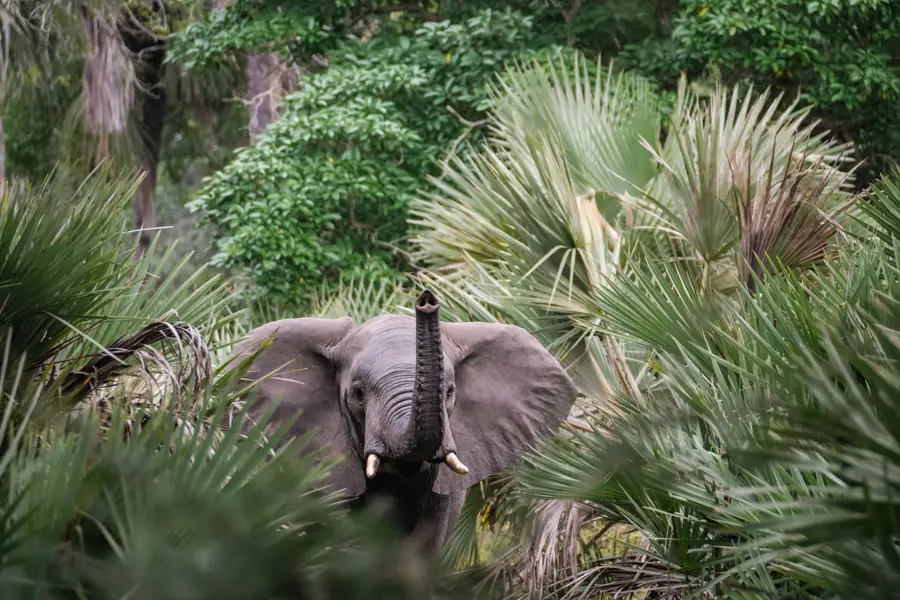
After restorative conservation, Gorongosa, 4,000 square kilometres of wilderness in the heart of Mozambique, has recovered and now its wildlife and landscapes are just as rewarding as Africa's other famous national parks.
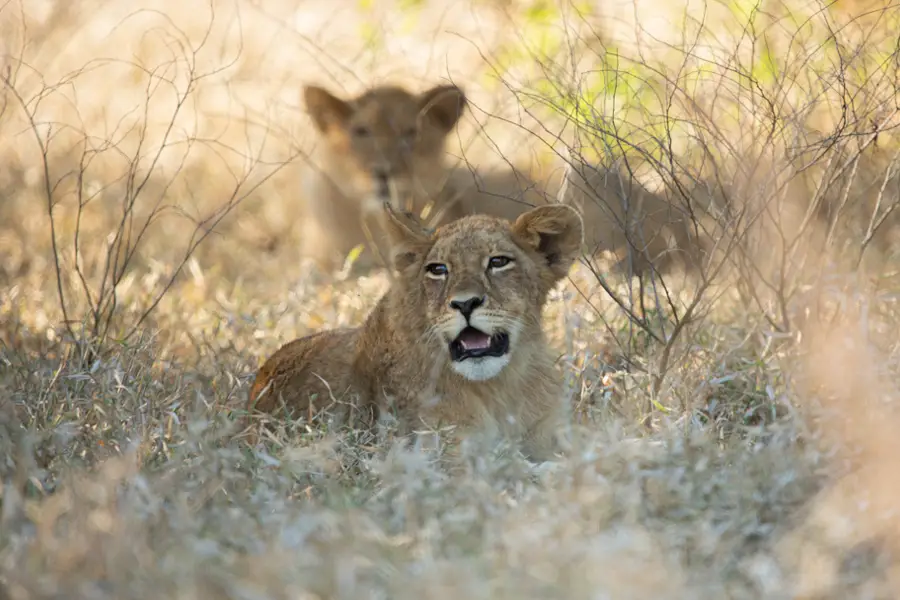
Lying at the very southern end of the Great Rift Valley, Gorongosa National Park is one of Africa’s least-known wildlife havens. It’s thought to have a greater biodiversity than any other park in Africa, and more is known about the wildlife of this park than any other on the continent.
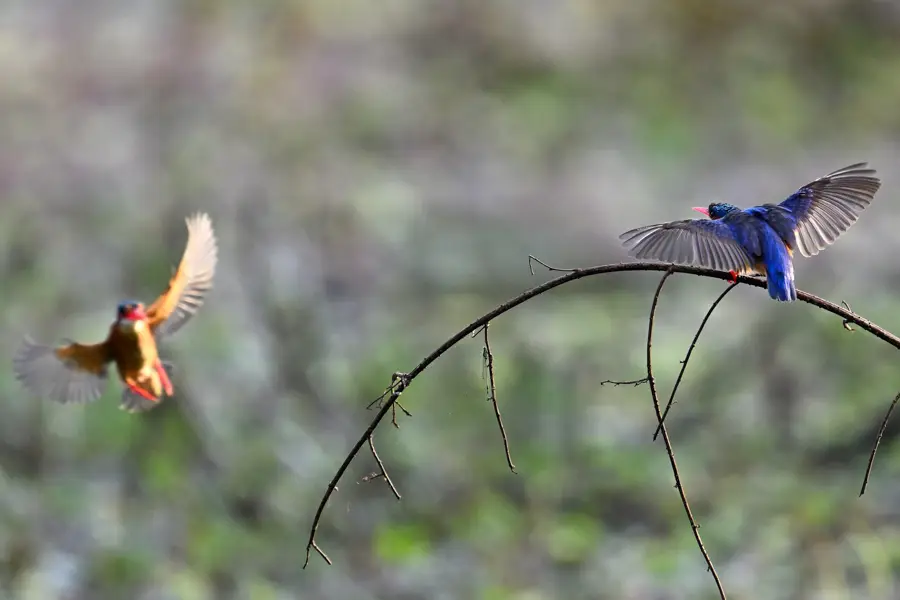
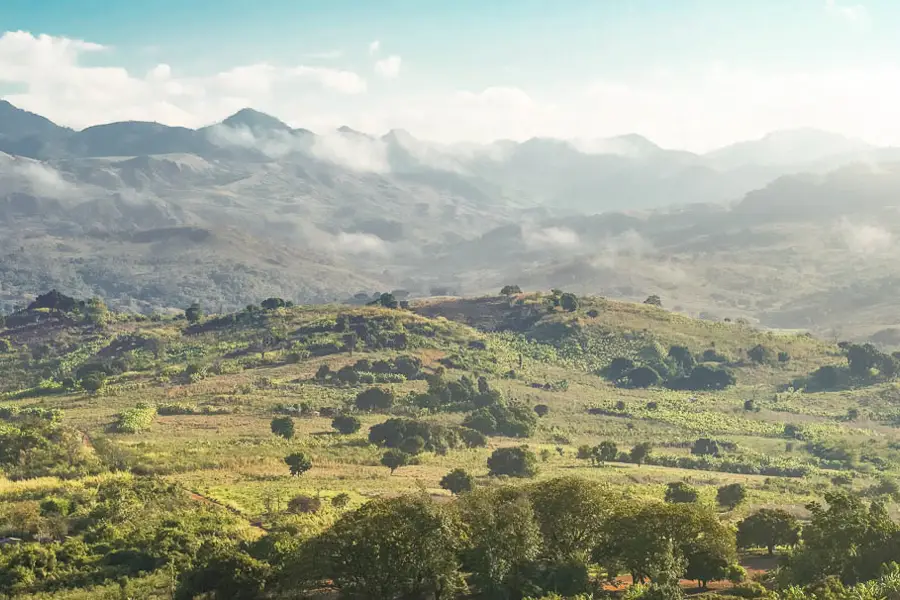
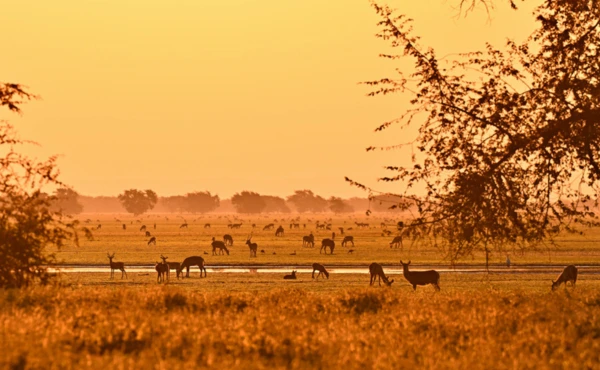
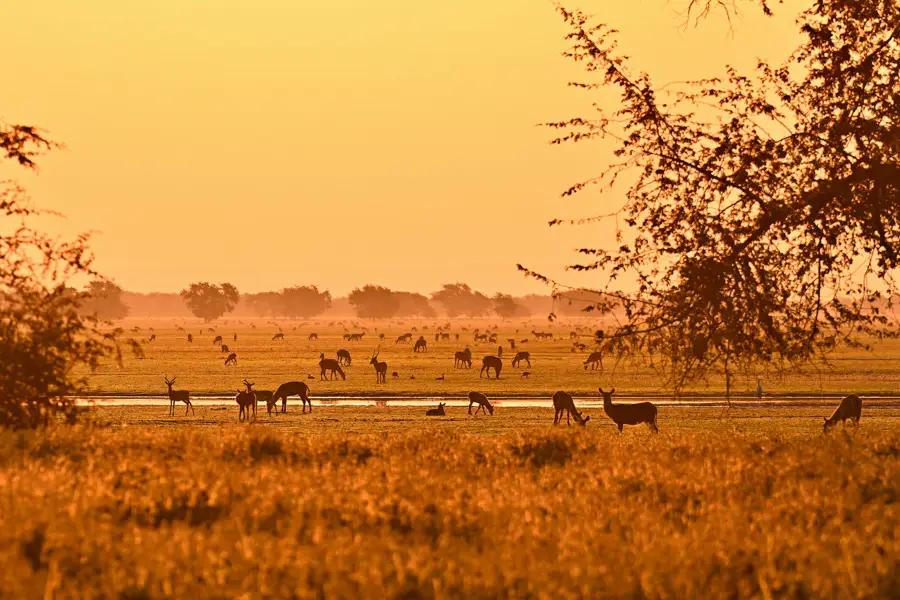
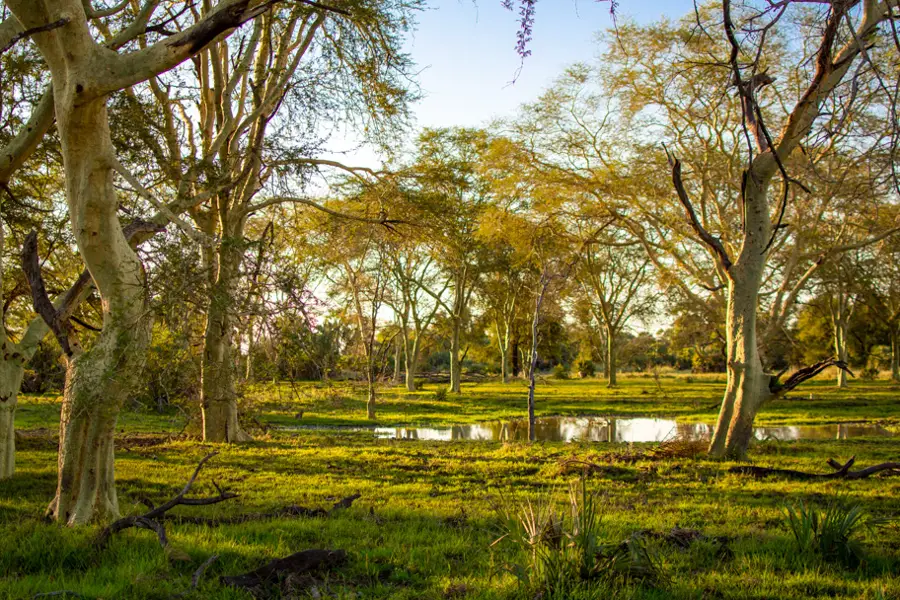
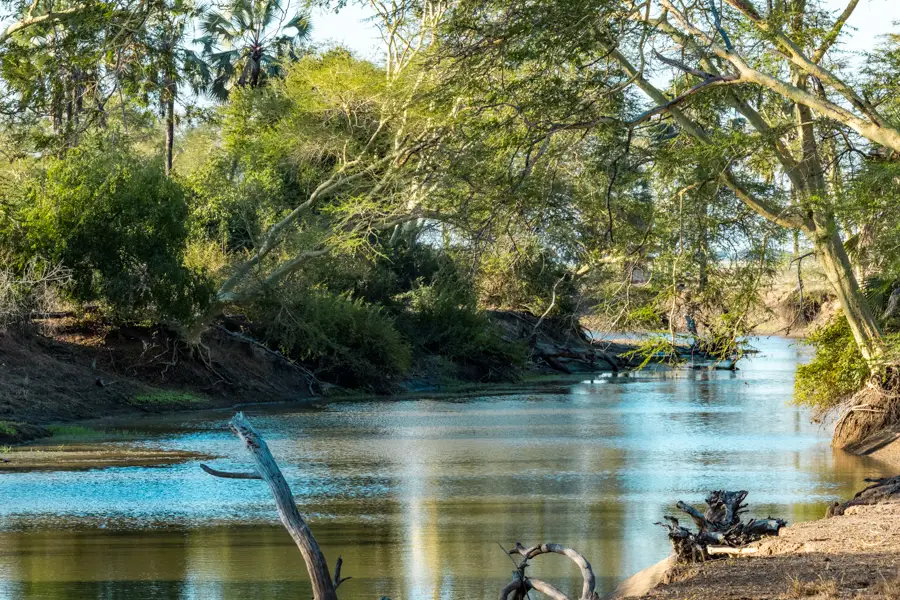
It’s home to huge open plains full of waterbuck and impala, forests of ilala and borassus palms, hectares and hectares of fever trees with their magical green boughs, wonderful stands of baobabs, swamps, sinuous rivers, and the vast Lake Urema. All of this makes it a paradise for birds and mammals. Mount Gorongosa, with its 1,800-metre-high peak, lies in an isolated area to the north-west of the main park, and in the north-east is an extensive network of limestone caves.
After its designation as a national park in 1960, it thrived until the ravages of the civil war almost destroyed it and all of its wildlife, but it was brought back from the brink by the creation of a remarkable community conservation project that began in 2008.
View suggested itinerary


-gorongosa-safaris-gallery.webp)