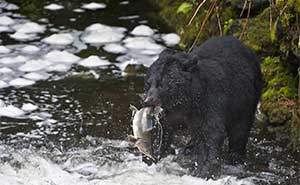
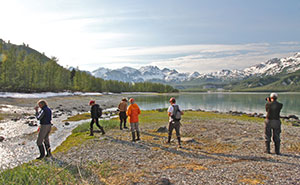
The 8.5 million hectare Tongass National Forest is the earth’s largest remaining temperate rainforest and an area of rare natural beauty. Covering much of the Inside Passage, it is home to bears grown fat on salmon, eagles soaring the endless skies and 500-year-old trees standing silently over a rich and verdant land.
Find Out More
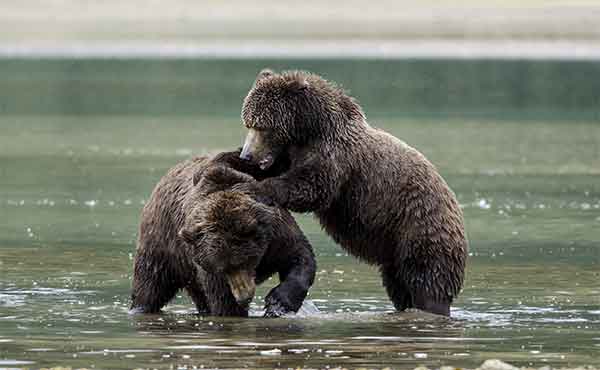
The largest island in the Gulf of Alaska is rich in wildlife. The Kodiak bear has lived here for 12,000 years, and 3,000 live in Kodiak National Wildlife Refuge, which is also an important staging post for seabirds and wintering wildfowl. Summer attracts migrant birds to nest and feed on the plentiful food supply.
Find Out More
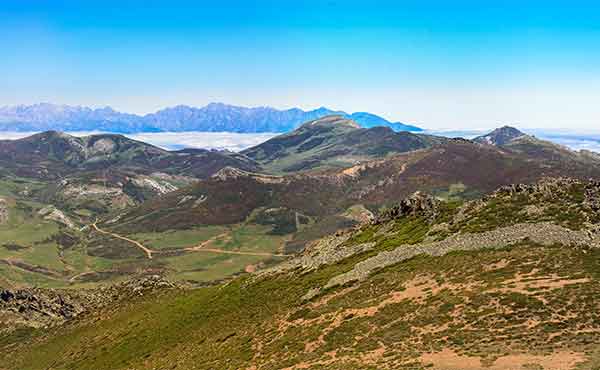
This mountainous area around 100 kilometres north of the provincial capital of Palencia, in the northern region of Castilla y León, is a distinct geographical entity. Part of the Cantabrian chain, it boasts peaks such as Espigüete, one of the most distinctive, that reach a height of 2,450 metres.
Find Out More
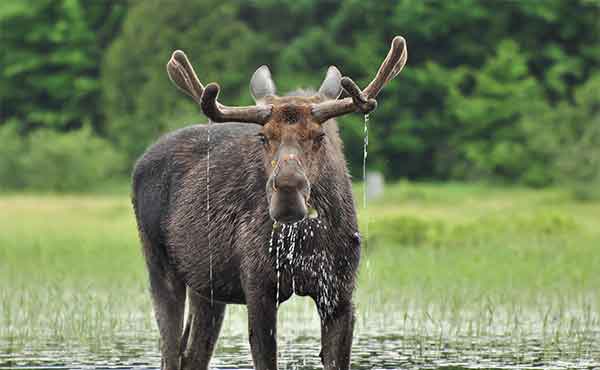
Recognised first and foremost for its exceptionally rich wildlife, this wildlife reserve offers nearly 1,300 square kilometres of breathtaking panoramas, with mountains and deep valleys crisscrossed by numerous waterways. Over 150 species of birds can be seen in Réserve Faunique Matane.
Find Out More
One of the world’s greatest wildernesses, Denali lies around North America’s highest peak, Mount Denali. Famed for its wildlife which includes 39 species of mammal and 167 birds, spring sees bears stirring from hibernation and birds returning, whilst late summer sees bears feasting on the salmon run.
Find Out More
Satpura National Park is one of India’s most intriguing wildlife destinations. Walking safaris are possible here and hides have been built in its meadows, forested plateaux and mountains, which are shared by a number of mammal species, including sloth bear, leopard and bison (gaur).
Find Out More
The Teton Range dominate the park’s skyline, rising to over 4,000 metres. Plains are dusted with wild flowers and streams cascade down rocky canyons to crystalline lakes. Home to the National Elk Refuge, the park offers stunning mountain scenery and a range of wildlife that includes bison, coyote and black bear.
Find Out More
The Yukon borders Alaska on its western edge and British Columbia to the south, and is one of three Canadian territories (rather than provinces). The entire region is dominated by pristine wilderness, home to many of North America’s iconic animals, such as black bear and brown bear, and the mighty Yukon River.
Find Out More
Facing the Pacific Ocean, backed by Vancouver Island’s mountainous spine, this park preserves the natural heritage of Canada’s west coast, whose cool maritime climate generates an abundance of life on land and in the water. Interwoven with these natural wonders is the history of the Nuu-chah-nulth First Nations.
Find Out More
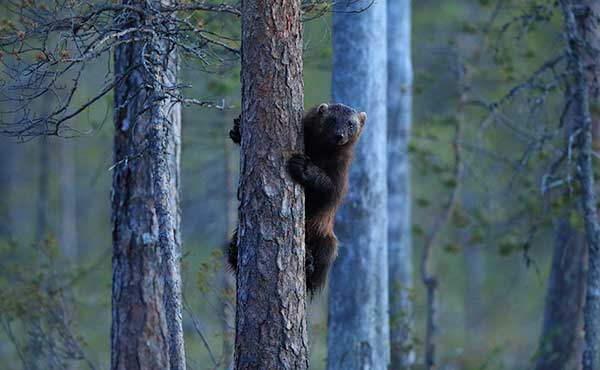
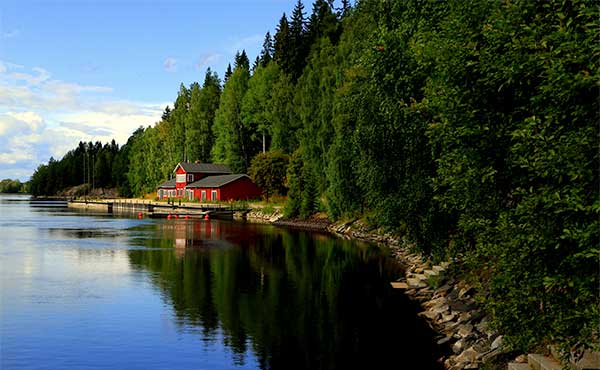
Viiksimo is located between two nature reserves – Elimyssalo and Iso-Palonen – in an area that is a tapestry of small lakes, numerous ponds, pine heaths and eskers. Right in the midst of the Finnish wilderness, it is a great place to watch and photograph bears, wolverines and wolves.
Find Out More
This pristine wilderness north of Québec along the Jacques-Cartier River consists of coniferous boreal forest, with yellow birch and sugar maple along the riverbank. Mammals include black bear, bobcat, raccoon, grey wolf, otter, moose, white-tailed deer and caribou, with birds such as barred owl and American kestrel.
Find Out More
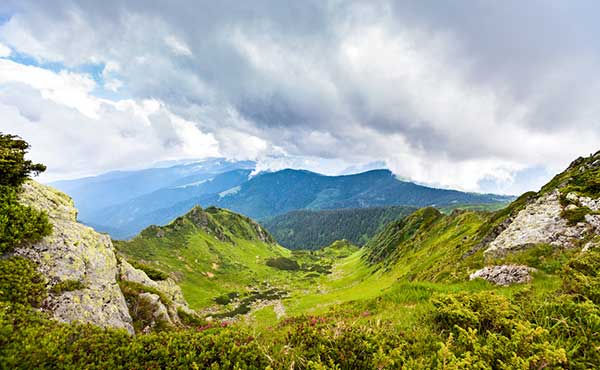
Piatra Craiului (King’s Rock) is a prominent mountain range in the Southern Carpathians. The narrow, 25-kilometre long, saw-tooth ridge, which rises to 2,238 metres altitude, is widely regarded as one of the most beautiful parts of the Carpathians. The entire range lies within the national park.
Find Out More
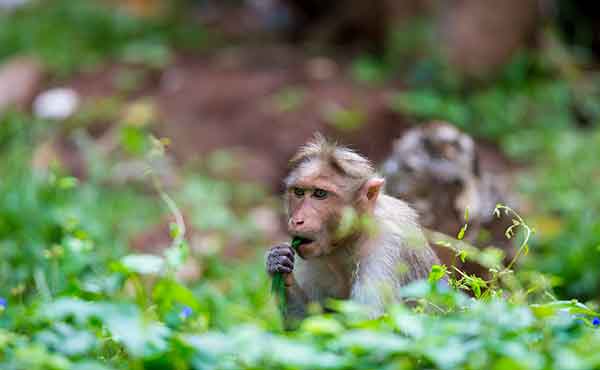
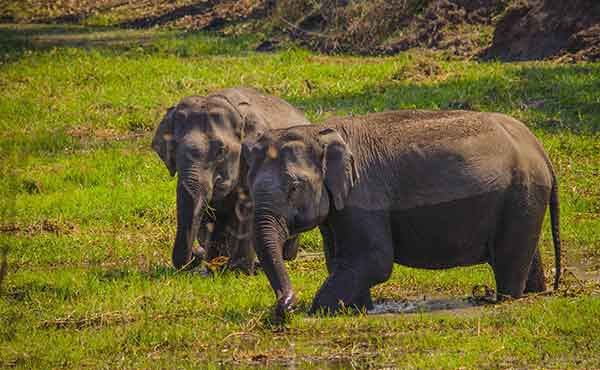
Mudumalai forms part of the Nilgiri Biosphere Reserve, an important conservation area for the wildlife of southern India. Its mixed environment with hills, watercourse swamps and tropical forests makes it an ideal home for a great variety of wildlife, including Asian elephant, leopard, gaur, sloth bear and sambar.
Find Out More
Baranof Island lies in the northern Alexander Archipelago in the Alaska Panhandle, with a shoreline of around 1,000 kilometres. Officially designated as the South Baranof Wilderness, this forested island is famed for its brown bears and Sitka deer, and its major industries are fishing, processing seafood and tourism.
Find Out More
The small town of Tofino lies on the west coast of Vancouver Island, at the southern edge of Clayoquot Sound. It is a popular destination for anyone wanting to enjoy whale watching, particularly in March when the migration of thousands of grey whales is celebrated at the Pacific Rim Whale Festival.
Find Out More
Bandipur National Park is located about 80 kilometres from Mysore and, like many of the other reserves in India, was once a Maharaja’s private hunting area. It is a reasonably large park and protects a number of India’s more interesting species, such as Asian elephant, sloth bear and striped hyena.
Find Out More
Cariboo Mountains Provincial Park is a true wilderness, dominated by high serrated peaks and glaciers, and densely forested valleys featuring attractive lakes and lush wetlands. Its extensive undeveloped landscape provides critical habitat for a number of wildlife species including grizzlies and rare mountain caribou.
Find Out More
Located in Finland's Kuhmo region, directly opposite the Russian border, Kuikka Lake is surrounded by boreal forest, the typical habitat of brown bear, wolverine, wolf and white-tailed eagle. The surroundings are composed of wetlands and open grassland, offering good visibility for spotting wildlife.
Find Out More
Located in southern Slovenia, the Dinaric Alps is a mountain range that stretches from Italy across Slovenia, Croatia, Bosnia & Herzegovina, Serbia, Montenegro before ending in Albania. Noted for their rugged karst topography and valleys, they also offer rich forests filled with brown bears.
Find Out More
Canada’s oldest national park, first protected in 1885, Banff National Park is also one of Canada’s most popular. With snow-capped peaks towering over glistening emerald lakes, including the ever photographic Lake Louise, the park is home to iconic wildlife including grizzly and black bears.
Find Out More
The largest of the national parks in the Canadian Rockies, Jasper National Park offers a quieter alternative to its more famous neighbour, Banff. With numerous trails to explore within the park, Jasper offers the chance to search for numerous mammal species in a truly unique wilderness setting.
Find Out More
Covering 77,000 hectares in the eastern range of the Colombian Andes, Chingaza ranges from 800 metres above sea level to over 4,000. It is consequently home to a wide range of Andean fauna and flora, including spectacled bear, mountain tapir and unique, mountain-adapted flora.
Find Out More
The Carpathians stretch for about 1,500km in a distinctive arc shape from the Czech Republic to Romania, and are the continent’s third longest mountain range. They are home to the largest populations of brown bear, wolf and lynx in Europe, as well as large tracts of native forest.
Find Out More
Situated in north-east Finland on the border with Russia, the region of Kainuu is one of Europe’s wildest and a haven to some of the continent’s finest wildlife. Covered by immense boreal forests, you can observe brown bear, wolverine, golden eagle, Ural owl and various other intriguing species.
Find Out More