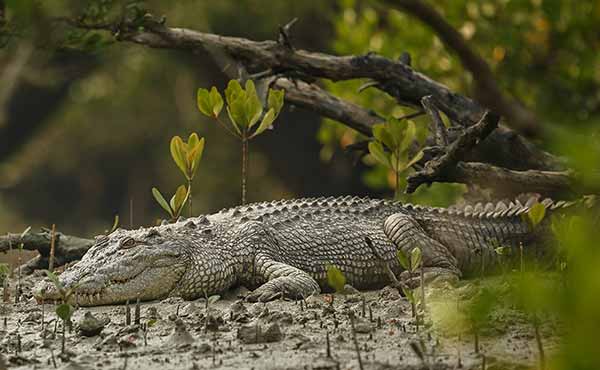
The world’s largest impenetrable mangrove forest covers 10,000 square kilometres of mudflats and tidal waterways in the Ganges Delta. Home to numerous birds and mammals – including over 250 tigers – the Sundarbans offer a unique wildlife experience, as viewing is done either by boat or from hides.
Find Out More
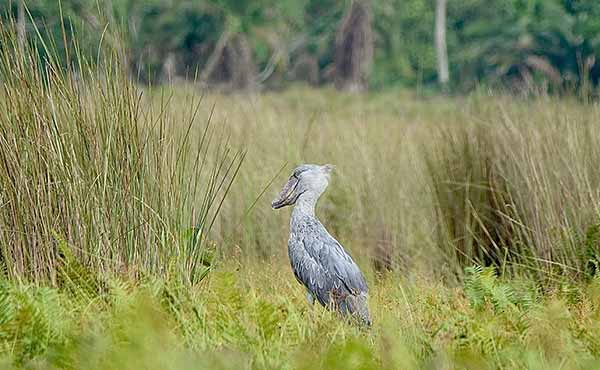
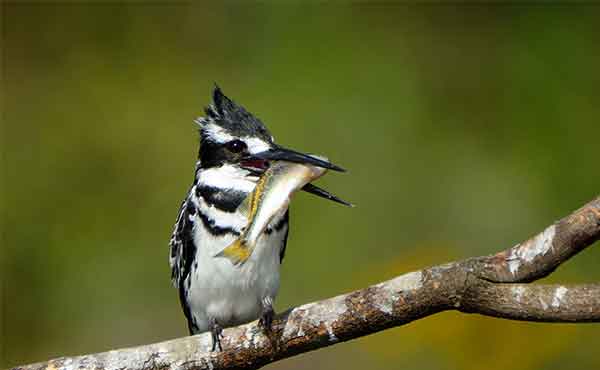
Murchison Falls National Park is renowned for its scenic beauty and abundant flora and fauna including the fascinating, endangered shoebill. Bisected by the meandering Victoria Nile, the river plummets through a narrow cleft in the rocks, resulting in the thundering raw of the powerful Falls.
Find Out More
This reserve occupies more than 122,500 hectares of a peninsula, surrounded by oil-palm plantations. The lowland forest contains many animals, some of which are highly endangered, as well as over 250 bird species. The mineral-rich mud volcanoes attract wildlife and there are many trails to explore.
Find Out More
Uganda’s oldest protected area is a 500 square kilometre reserve that lies in the Rift Valley, between the Rwenzori Mountains and Lake Albert. Its diverse habitats of riverine forest, woodland and acacia savannah support a wealth of wildlife, and the area is also rich in birdlife, with some 400 recorded species.
Find Out More
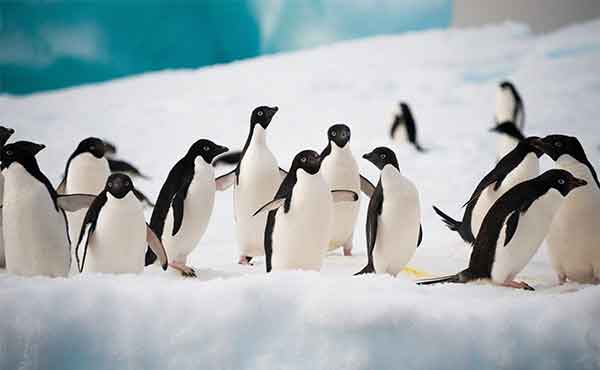
The South Shetland Islands are situated north of the Antarctic Peninsula. Most of the land is permanently glaciated yet, despite the harsh conditions, the islands do support a large variety of seals, penguins – including Adelie and chinstrap - and seabirds – including Antarctic terns and giant petrels.
Find Out More
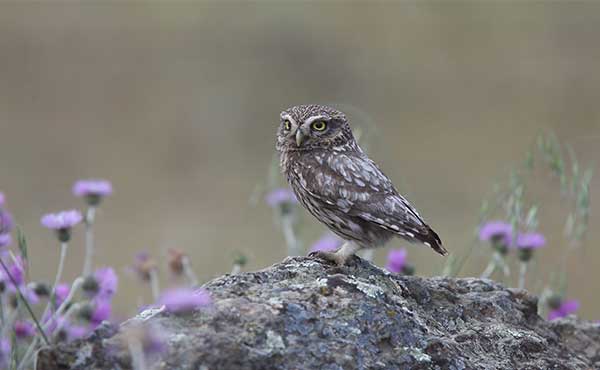
Monfragüe, Extremadura’s only national park, lies at the heart of the province of Cáceres, close to the confluence of the rivers Tajo and Tiétar, which carve out deep gorges as they run through a series of low mountain ranges. The resulting rocky cliffs offer an ideal location for birds to breed.
Find Out More
Sinharaja Forest Reserve is Sri Lanka’s only primary lowland tropical rainforest and is a treasure trove of nature. Its rolling terrain and series of ridges and valleys provide a diversity of niches and a vast number of endemic species from birds and trees to frogs and butterflies.
Find Out More
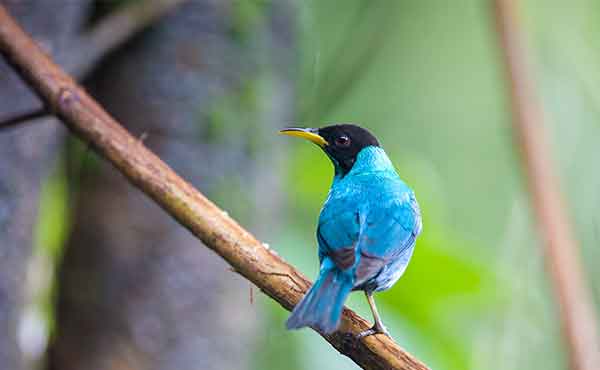
This fascinating lowland area is a good base for exploring Poas Volcano. However the main highlight is La Selva Biological Station, a major research centre for tropical ecosystems. The species diversity here is astounding, with more than 1,850 plants, 448 birds, 70 species of bat and five of Costa Rica’s six felines.
Find Out More
Santiago Island has a narrow, steep-sided point of land, which provides an extraordinarily beautiful landscape with cliffs and rocky pinnacles that create a nesting site for hundreds of marine birds. In the 17th and 18th centuries, pirates used this place to maintain their vessels and replenish their supplies.
Find Out More
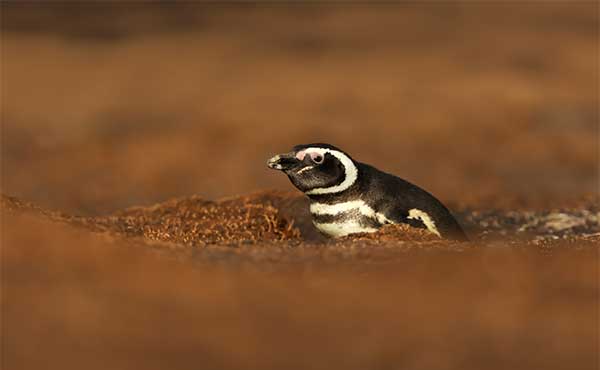
The second largest of the Falklands Islands, Saunders was the site of the first British settlement in 1765. The north is made up of two peaks, divided by a thin strip of sand known as the Neck - home to large colonies of Magellanic and gentoo penguins, and considered one of the best wildlife sites of the Falklands.
Find Out More
Named after the active volcano at its centre, this park protects the dry forest of the northwest, home to over 200 bird species. A short drive from Liberia, it nevertheless receives relatively few visitors, so you can walk its trails, ride horses, or enjoy its hot springs and pools of boiling mud in relative solitude.
Find Out More
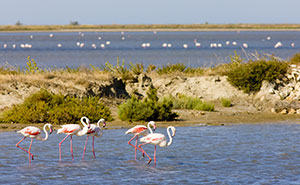
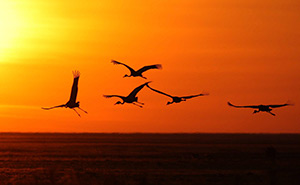
The vast, marshy wetland of the Camargue – one of Western Europe’s most important birding areas – lies at the heart of the delta of the river Rhône. Straddling the migration route from North Africa, it offers a safe haven for many migrants, and a nesting site for large numbers of greater flamingos.
Find Out More
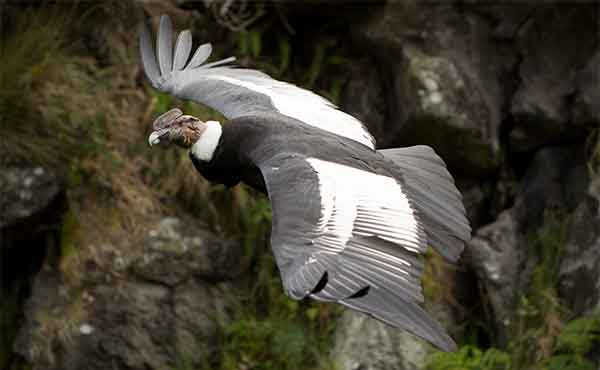
Nestling at the foot of Antisana volcano, Papallacta’s scenery is spectacular with rocky peaks and a vast sweep of bleak páramo above the tree line. At Antisanilla you can see an impressive lava flow and a deep canyon where Andean condor are regularly sighted. Gentians and orchids surround the many lakes.
Find Out More
The Mount Hagen area is the home of the Melpa people, a people with a strong culture, who still live largely traditional subsistence lifestyles. From the lowland rainforest to alpine grasslands, it is a land of colour and vibrancy and one of the best places to see Papua New Guinea’s birds of paradise.
Find Out More
Not far from San Jose, this national park preserves a pristine rainforest full of tropical plants, waterfalls and wildlife. Over 340 bird species have been recorded. The highlight is a ride on the famous rainforest aerial tram, from which you can look down into the forest canopy. There are also several walking trails.
Find Out More
The highest and purest of the Great Rift Valley’s lakes, Naivasha offers outstanding birdwatching, with more than 400 species recorded. It supports a variety of other wildlife, including a good population of hippo, and its lush vegetation provides a perfect setting for Joy Adamson’s house.
Find Out More
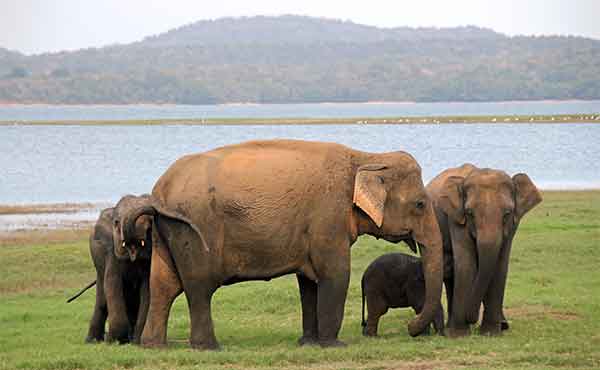
Located between Habarana and Polonnaruwa, Minneriya National Park consists of mixed evergreen forest and scrub areas. The central feature is the ancient Minneriya Tank (built in 3 AD), which becomes a magnet for elephants during the dry season, as well as huge flocks of birds that come to fish the shallow waters.
Find Out More
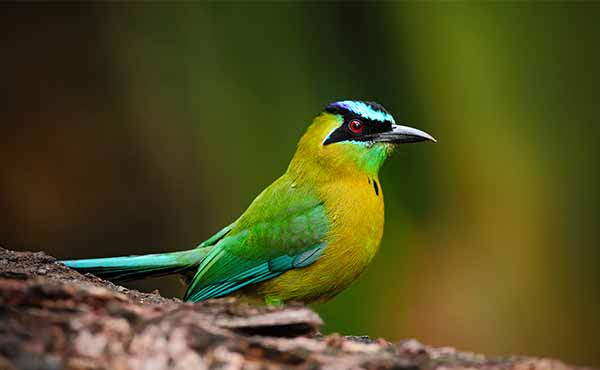
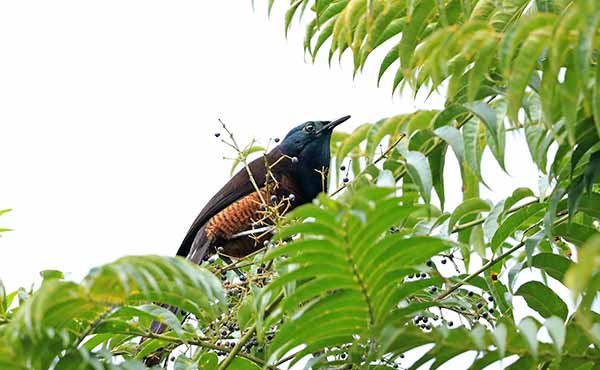
This area of primary forest is considered to be one of the finest birding areas in South America. The varied terrain supports more than 400 species of birds, including the elusive Andean cock-of-the rock. There is a remarkably high number of endemic plants, and orchids, bromeliads and heliconias grow in abundance.
Find Out More
Although Lake Nakuru is relatively small, it is known for one of the greatest bird spectacles on earth – thousands of fuschia-coloured flamingos. Over 400 species of birds are found here, and the surrounding national park is famous for its sizeable population of rhinos and the rare Rothschild’s giraffe.
Find Out More
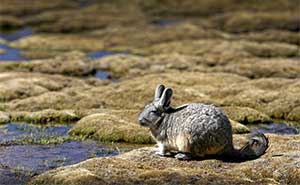
This spectacular northern area of dry, high altitude grassland plain and giant volcanoes supports many plants and a few mammals. Temperatures oscillate between -10°C at night and 20°C by day, and rainfall here is rare. This is one of the best parks in Chile for birding, with many species living around the lakes.
Find Out More
Liuwa is a pristine wilderness. Its wooded areas offer excellent birding, especially during the October rains when the remote grasslands are a carpet of wild flowers. And the rains bring herds of wildebeest, mingled with zebra, from across the Angolan border for Africa’s second largest migration.
Find Out More
Selous Game Reserve is the largest wildlife sanctuary in Africa. Its vast tracts of wilderness contain perhaps the greatest concentration of big game on earth, sustained by the waters of the Rufiji River whose tributaries form a network of lakes and lagoons to help create a home for a bewildering array of birds.
Find Out More
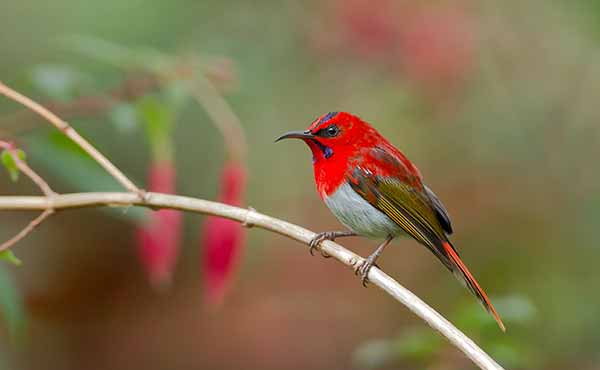
Kinabalu National Park is dominated by the peak of Mount Kinabalu, and is probably one of the most important biological sites in the world. It harbours a remarkable botanical diversity with as many as 6,000 species of flora and fauna, over 600 species of butterflies, 320 species of birds and 100 species of mammal.
Find Out More
Surrounded by rainforest, the little visited savannahs of this tableland are of enormous ecological importance, and attract many hummingbirds. Situated at the heart of South America, the red sandstone cliffs give the landscape its characteristic appearance, with canyons, caves and waterfalls.
Find Out More