Sinharaja’s importance as Sri Lanka’s only primarily lowland rainforest is recognised by UNESCO, which makes it a must for wildlife enthusiasts. Located in the south-west of the island, it's Sri Lanka's top biodiversity hotspot.
The Sinharaja Forest Reserve, believed to have originated during the Jurassic period, is considered one of the oldest and most pristine rainforests in Asia. Its long isolation has produced extraordinary species richness, and the forest is thought to contain nearly half of all Sri Lanka’s endemic species, including most of its endemic trees, frogs, and 139 plant species.
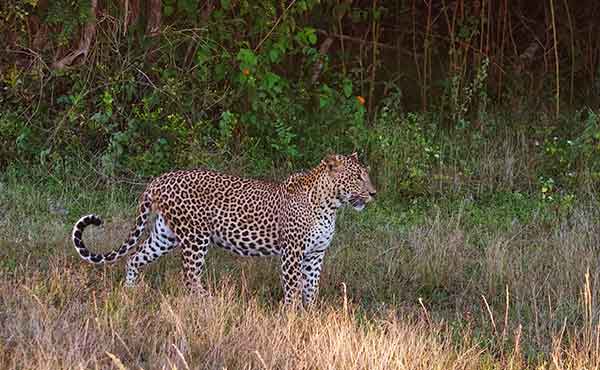
Due to the dense vegetation, larger animals are seldom seen, yet the forest’s remarkable biodiversity becomes apparent the moment you enter: orchids blooming beside trees draped in epiphytes, and striking insects and frogs resting along clear, bubbling streams.
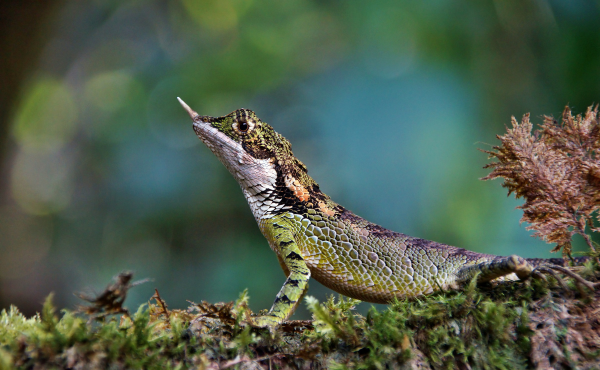
A colourful variety of butterflies thrives here, including the spectacular Sri Lankan birdwing, tree nymph, oakleaf, palmfly, and Ceylon rose, often drifting through shafts of dappled forest light like windblown paper. Lizards and snakes are also abundant, with several rare and vividly coloured endemic species among the residents.
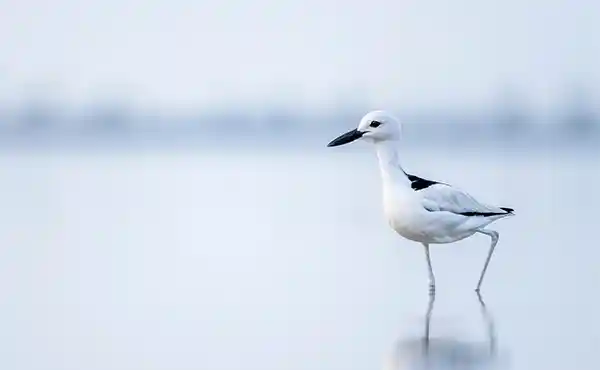
Sinharaja is perhaps most renowned for its birdlife, which includes 20 endemic species. Among the many highlights are the crested goshawk, Sri Lanka spurfowl, Layard’s parakeet, red-faced malkoha, green-billed coucal. Malabar trogon, brown-backed needletail, chestnut-backed owlet, yellow-fronted barbet, black-crested bulbul, yellow-browed bulbul, spot-winged thrush, orange-billed babbler, ashy-headed laughing thrush, Sri Lanka blue magpie, white-faced starling, hill myna, Sri Lanka myna, and black-throated munia.
Even at midday, visitors may encounter one of Sinharaja’s famous mixed species bird waves, typically led by orange-billed babblers and joined by crested drongos, Malabar trogons, red-faced malkohas, blue magpies, and a lively assortment of other forest birds.
View suggested itineraries