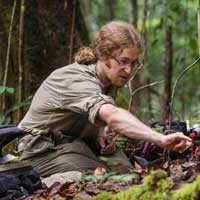
Join wildlife photographers Nick Garbutt and Alex Hyde on a photographic journey through one of the most biologically diverse areas on earth – Manu Biosphere Reserve in the Peruvian Amazon.
Manu National Park consists of several very different habitats and ecological zones, which are undoubtedly major factors in contributing to the extraordinary diversity to be found here. As such, Manu is the perfect place to gain new photographic skills with expert tuition from Nick Garbutt and Alex Hyde, whilst visiting several principle areas of greatest species richness. Our overland route takes us from highland Andean cloud forest to lowland Amazonian rainforest.
Tropical rainforests are the greatest expressions of life on the planet and offer a wonderful array of species to look for, but they are also amongst the most challenging places to take photos successfully. These challenges range from the fundamental issue of finding subjects, and basics like keeping equipment dry and functional, to more technical issues like illuminating subjects appropriately and gaining correct exposures to produce photos with impact.
Read our blog from a previous trip
Typical Itinerary
-
Day 1:
Depart UK
Depart London on an overnight flight to Cusco via Madrid and Lima.
-
Day 2:
Arrive Cusco
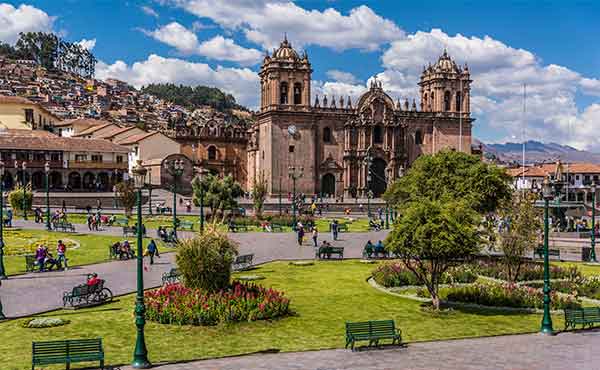
Transfer to our hotel in Cusco with a free afternoon to enjoy the beauty of this gorgeous UNESCO World Heritage city or relax while adjusting to the altitude.
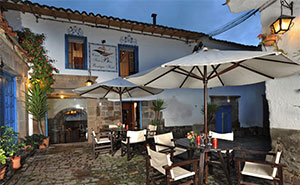
Accommodation: Hotel Casa San Blas, 1-night
-
Day 3:
Cusco to Andean cloud forest
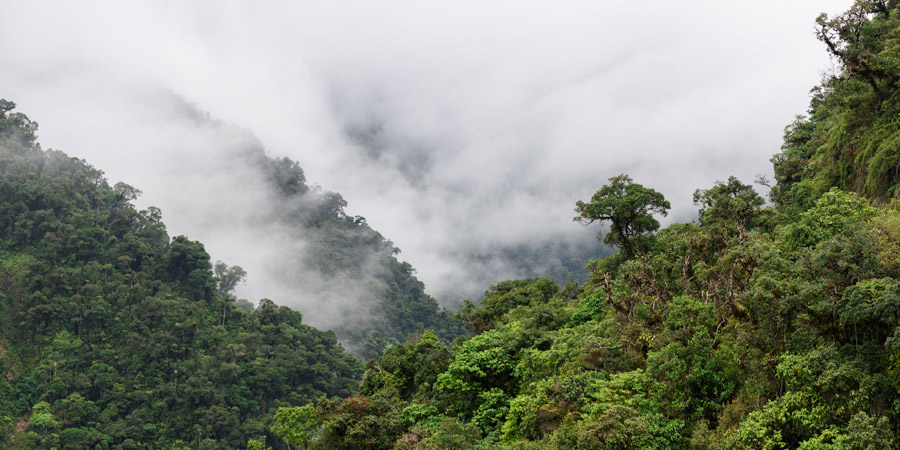
A day of scenic drama, as we drive across two mountain ranges between the Cusco Valley and the Paucartambo Valley, reaching a maximum altitude of 3,900 metres, before descending towards Ajanaco, where the Andes begin their drop into the Amazon Basin. We continue our descent, passing through different vegetation zones before entering the cloud forest region and our base. Depending on our arrival time, there may be time for an initial exploration of the vicinity.
Accommodation: Cock-of-the-Rock Lodge, 4-nights
-
Days 4-6
:
Andean cloud forest
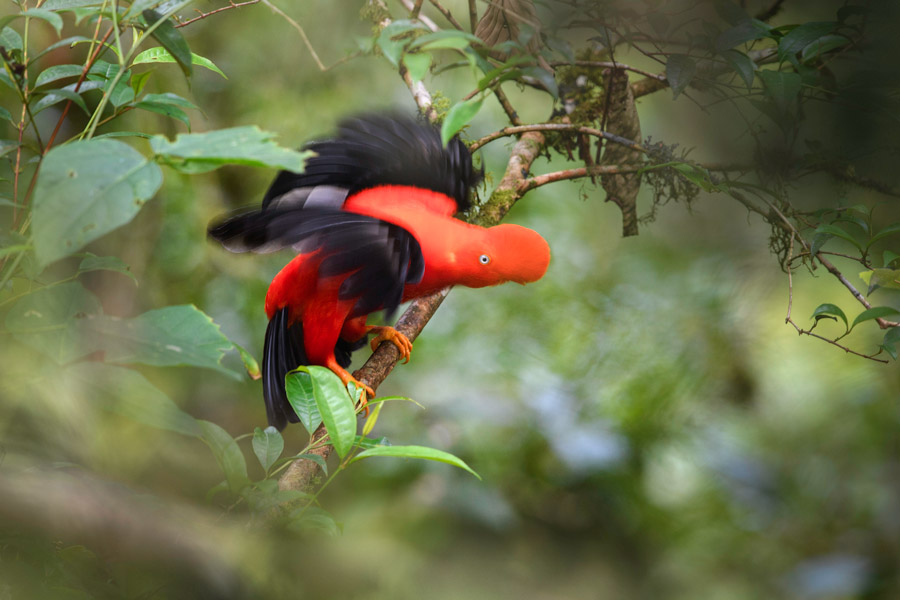
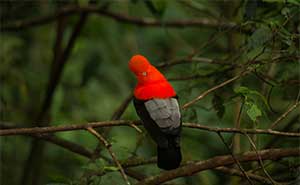
We have three full days to explore these forests which cover an altitudinal range from around 3,350 metres down to 1,550 metres on the eastern slopes of the Andes. Our main focus in both early mornings and late afternoons is to visit the cock-of-the-rock lek to watch and photograph these raucous birds during their courtship displays.
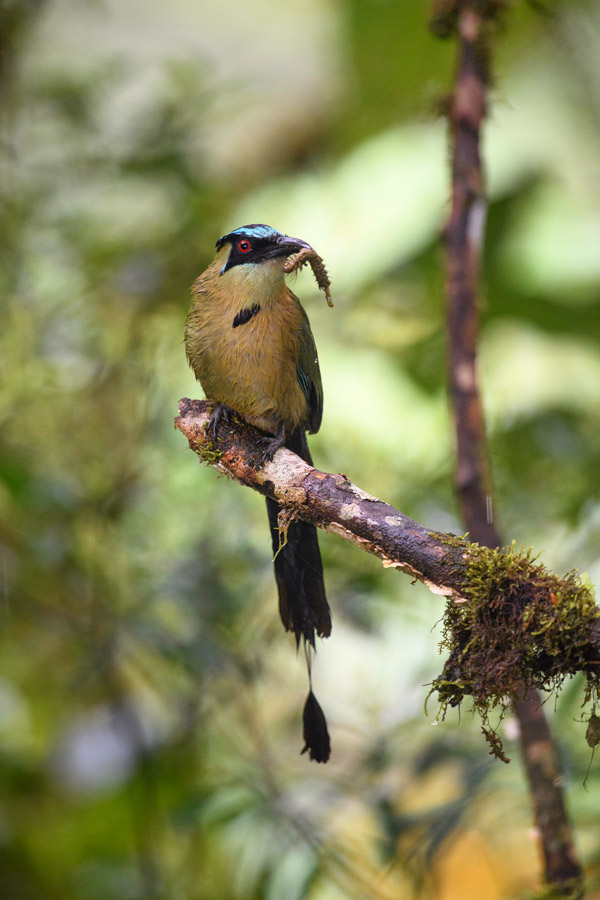
There is also plenty of opportunity to photograph other bird species, like toucanets and brightly coloured tanagers on the roads and trails above and below the lodge, and perhaps mammals like common woolly monkeys. Hummingbird feeders around the lodge attract many species that provide good photo potential, with delights such as wire-crested thorntail, many-spotted hummingbird, violet-fronted brilliant, white-bellied woodstar, booted racket-tail and long-tailed sylph regularly seen.
-
Days 7-9
:
Amazon (Manu Biosphere Reserve) – Manu Learning Centre
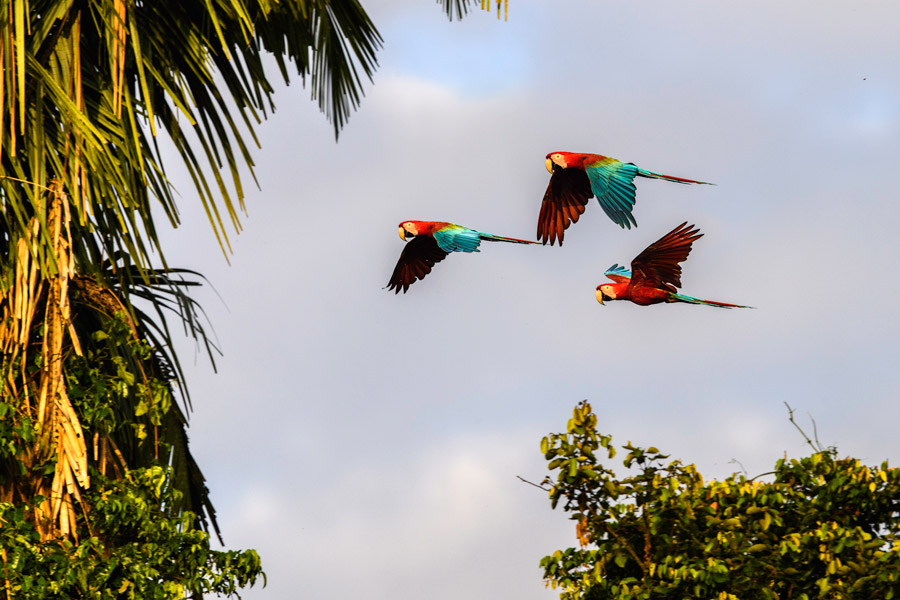
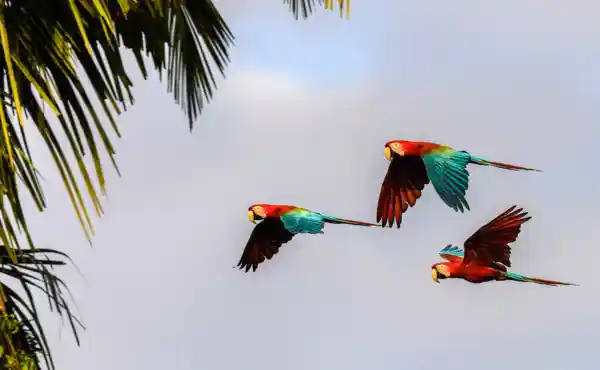
We drive into the lowlands to the small town of Atalaya, where the Piñipiñi River meets the Alto Madre de Dios River. After a picnic lunch we continue to our lodge by comfortable shaded motorised canoes. This river journey offers opportunities to see many typical water birds as well as many species of parrots and macaws flying over head.
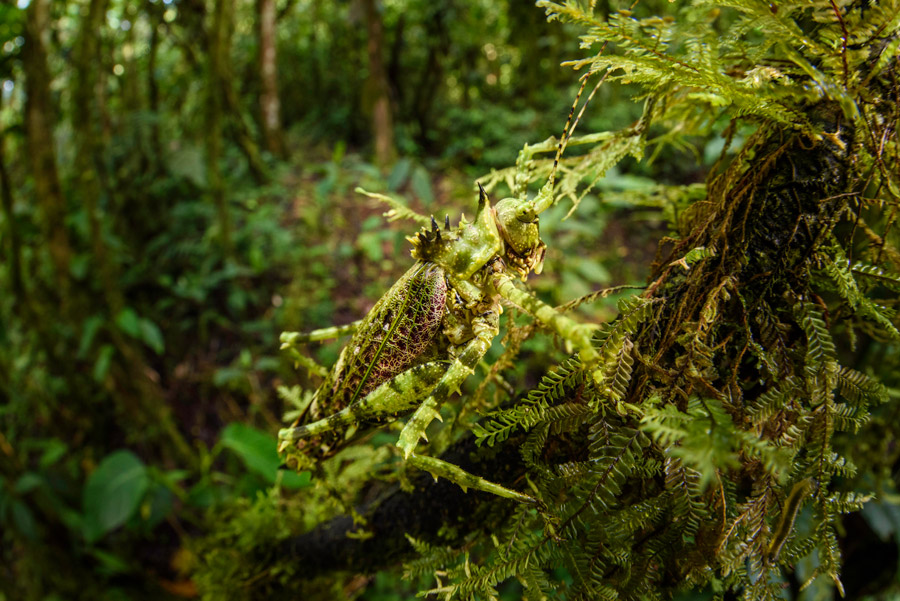
During our two full days we will explore the extensive grounds and trail system of the private reserve at Manu Learning Centre. The research staff at the lodge are always keen to encourage visitors to get involved and contribute, so there will be opportunities to fully immerse yourself in all manner of activities. The scientists often catch and collect various species as part of their research and this can present some excellent opportunities to photograph difficult to see species.
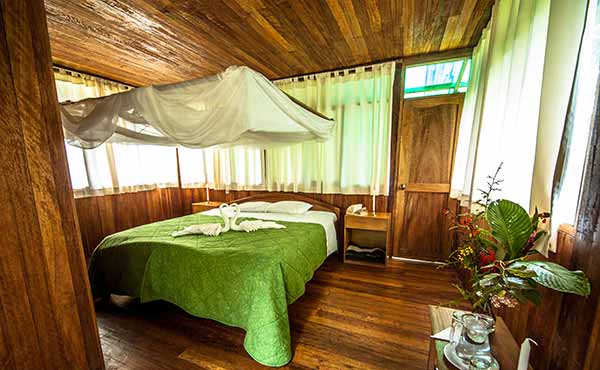
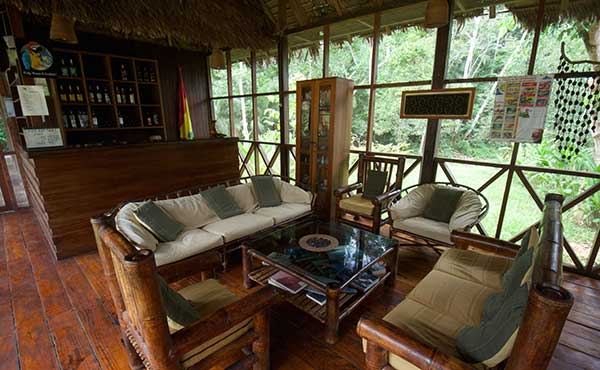
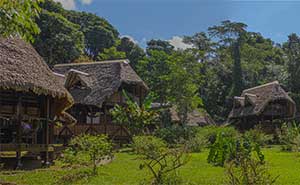
Accommodation: Manu Learning Centre, 3-nights
-
Day 10:
Travel further into the Amazon
We continue downstream by motor canoe on the Alto Madre de Dios River (there should be plenty of bird and wildlife spotting along the way) to the Manu River, which we then follow into the heart of Manu. The surrounding forests are pristine with abundant birdlife. After checking in at the Limonal Ranger Station we proceed upstream to our lodge.
Accommodation: Romero Rainforest Lodge, 1-night
-
Day 11:
The Amazon (Manu Biosphere Reserve)
We continue by boat up the higher reaches of the Manu River, looking out for species such as Orinoco geese, horned screamers and capped herons. After some four hours on the river we reach Manu Park Wildlife Centre, a simple but comfortable low-impact tented lodge nestled in the forest. We should have time for our first walks and the opportunity to look for frogs and invertebrates after dark.
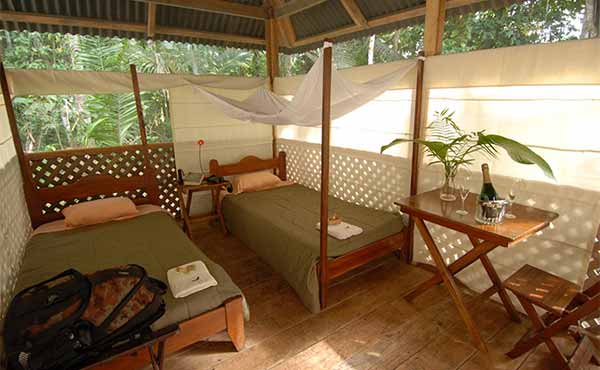
Accommodation: Manu Park Wildlife Centre, 3-nights
-
Days 12-13
:
Manu Biosphere Reserve: Cocha Salvador & Cocha Otorongo
There are two oxbow lakes in the vicinity that offer a wealth of prime wildlife and photography opportunities. Timings of visits can be determined by park authorities, but we aim to visit one in the morning and the other in the afternoon.
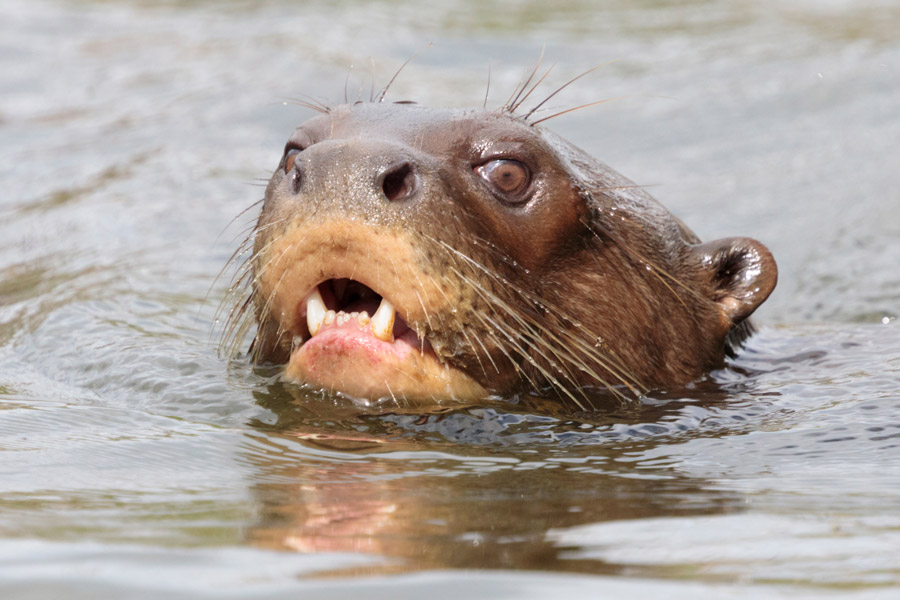
The trails to the lakes are short boat rides away and there is always the chance of special encounters along the river banks - jaguars are seen at times. The oxbow lakes are home to families of giant otters. At Cocha Otorongo there is a lake platform and a canopy tower. Cocha Salvador is the largest lake in the area. We cruise on a catamaran platform, with lakeside trees and margins often populated with monkeys; various species of macaws and a variety of herons and egrets. Trails around the lodge continue to provide plenty of options for photography after dark.
-
Day 14:
Manu Biosphere Reserve
Setting off at dawn, we head down river back to the Limonal Ranger Station, before continuing further downstream to Manu Wildlife Centre in time for lunch. The lodge is famous for its abundant and varied wildlife, with its own tapir clay lick: a nearby macaw clay lick; two close oxbow lakes and two canopy towers.
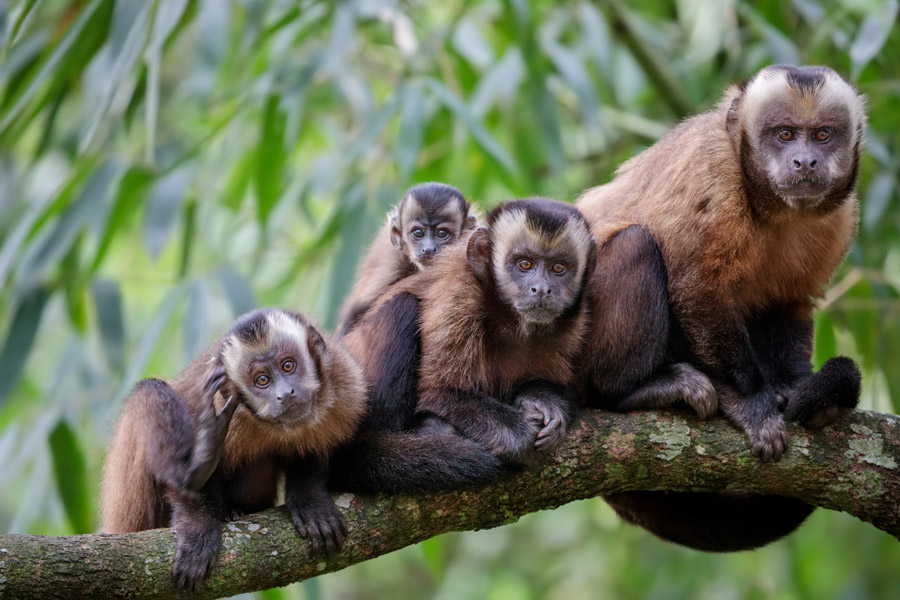
We have an excellent chance of encountering some of the 12 species of monkeys, including the spider monkey and emperor tamarin, which inhabit the surrounding forests. In the evening there will be a night walk and photography along the trails.
Accommodation: Manu Wildlife Centre, 4-nights
-
Days 15-17
:
Manu Biosphere Reserve: tapir & macaw clay licks
Over the next three days we have the chance to explore some of the 50 kilometres of forest trails that surround the lodge. There is also a canopy tower that is excellent for bird watching and photography, especially for the first hour or so after sunrise, when the action can be frenetic.
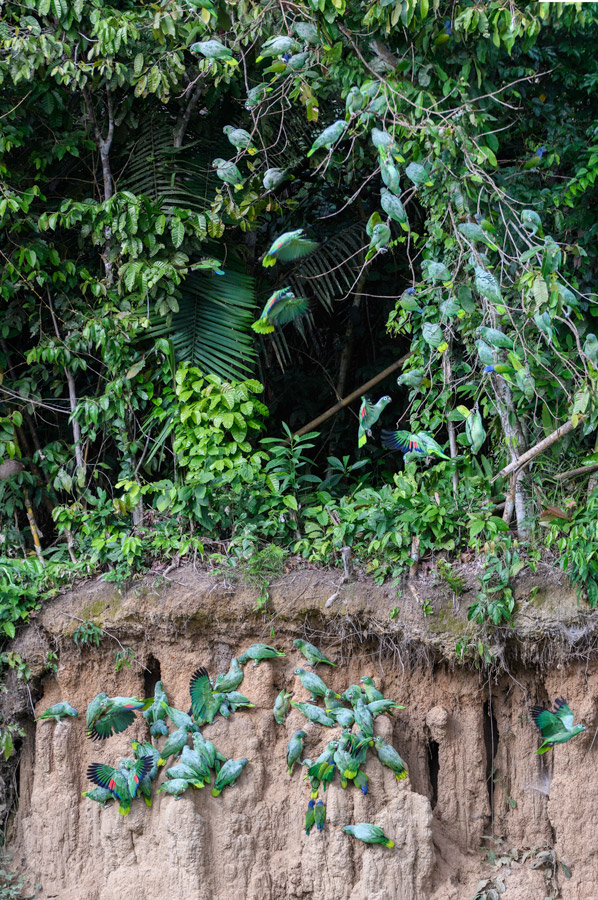
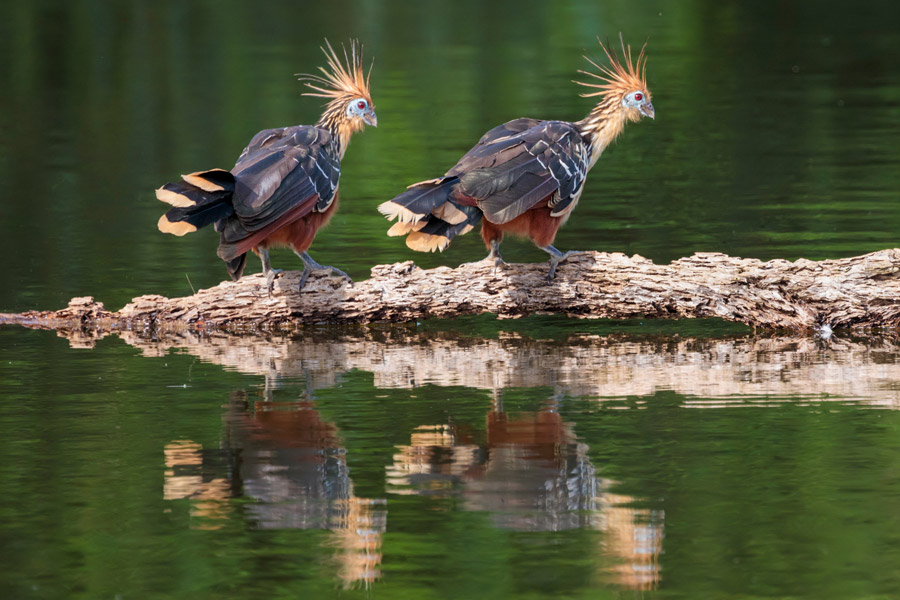
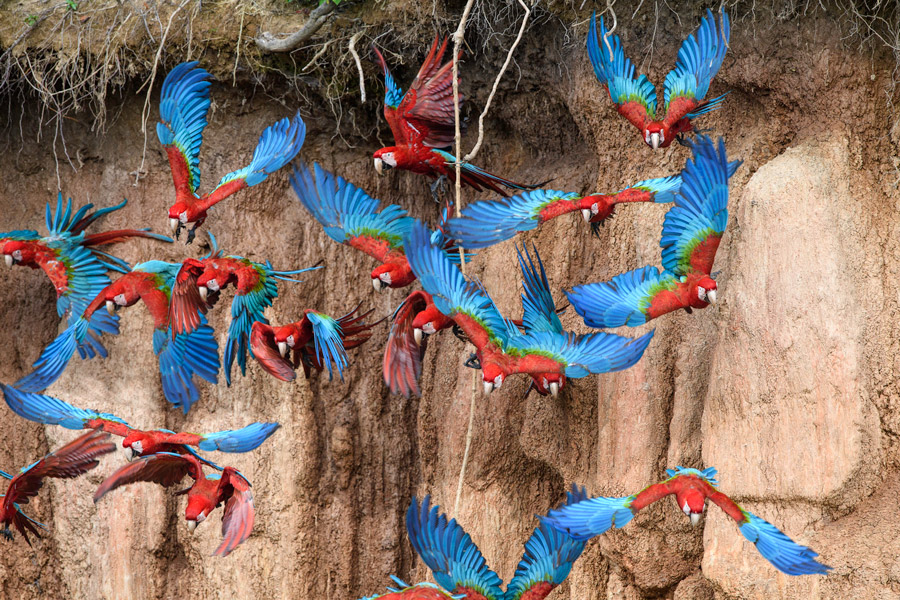
A short walk from the lodge, there is also a renowned macaw clay lick, which is our priority to visit. Again, mornings are better and we spend some time in the hide watching and photographing the scarlet macaws that gather. Also nearby is another oxbow lake, where giant otters are found and the margins are good places to look for hoatzins, jacanas and sun grebes. The surrounding forests are also good for several species of monkeys. On one afternoon / evening we have the chance to walk the ‘collpa trail’, and visit the tapir clay lick. Here a comfortable hide allows us to wait into the darkness in the hope of seeing one of the Amazon’s most peculiar large mammals. Flash photography is allowed. As always, there will be night walks and photography each evening.
-
Day 18:
Travel to Puerto Maldonado, fly to Lima & depart
After an early boat trip to Colorado Village, we then drive the short distance to Puerto Carlos, cross the Inambari River to Santa Rosa, and continue by road to the airport in Puerto Maldonado city. Fly to Lima and onward overnight connection to the UK.
-
Day 19:
Arrive UK
Please note: We offer an extension to Tambopata, also led by Nick Garbutt, staying in Heath River Lodge for 4 nights, focusing on the giant river otters on the oxbow lake, plus the famous Chuncho macaw clay lick. We also offer an independent add-on to visit Cusco, the Sacred Valley and Machu Picchu.