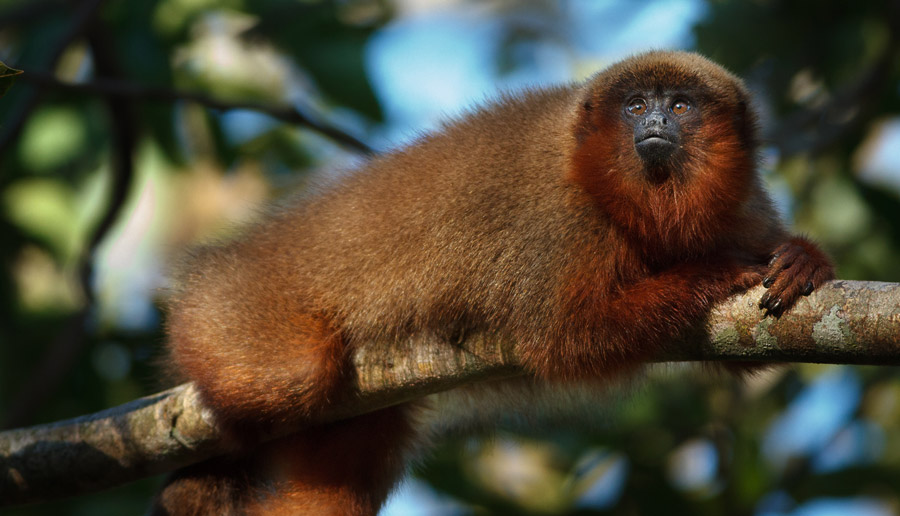
Beneath the sprawling green canopy of Tambopata National Reserve, troops of monkeys, brightly coloured toucans, vibrant macaws and the elusive jaguar can be seen.
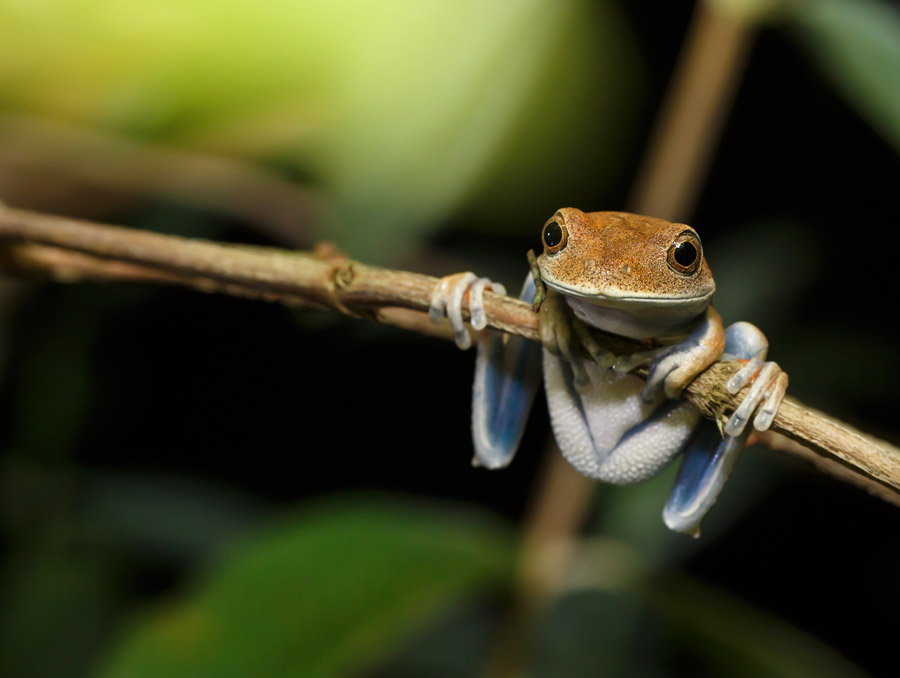
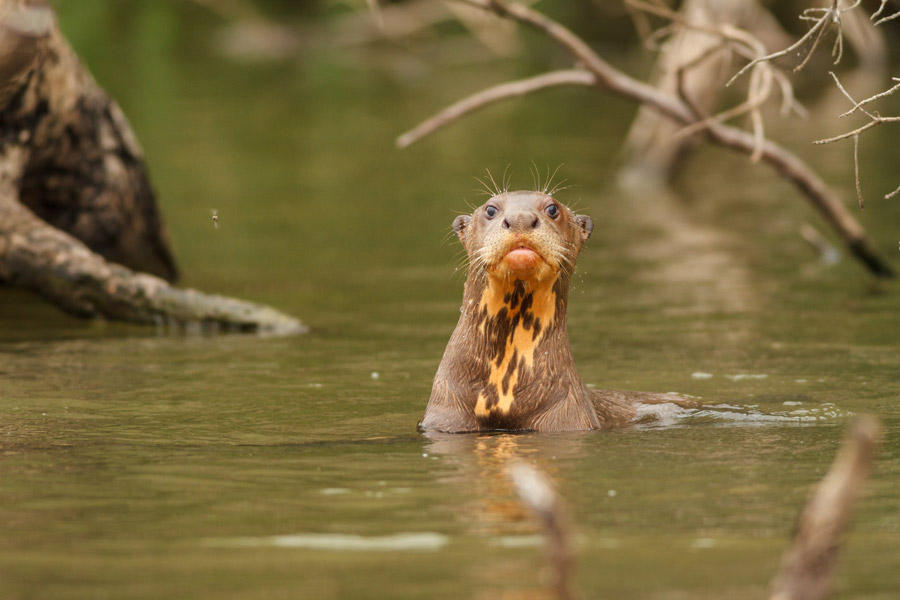
Situated in the Peruvian Amazon Basin, the reserve is home to an impressive biodiversity of wildlife. The beautiful lowland rainforests support more than 600 bird species including the vibrant macaws, parrots and toucans, 200 mammal species from giant otter to opossum, more than 1,000 species of butterfly and an astonishing 10,000 species of plant – not to mention the vast numbers of insects, amphibians and reptiles that flourish here.
Tambopata National Reserve is joined to sister reserves in Bolivia: Bahuaja Sonene National Park and the Madidi National Park, creating a protected area of scarcely inhabited rainforest equal to the size of Belgium, and over 30,000 square kilometres in size. Researchers within the protected forest area have discovered that many species which are rarely found elsewhere in the Amazon Rainforest due to poaching actually thrive in Tambopata, including tapir, jaguar, white-lipped peccary, spider monkey and caiman.
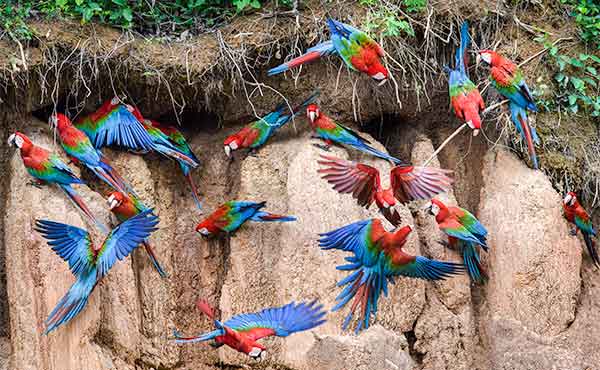
Within the reserve are well known macaw clay licks which have been studied by scientists for many years. It was initially thought that macaws consumed toxic substances through their food, and that the clay licking behaviour neutralised these toxins. Further studies, however, have disproved this, and researchers have found that macaws and other birds select clay licks depending on their sodium levels - a vital element, which is often scarce inland from the ocean. This unique and fascinating behaviour attracts numerous macaws to the river banks, providing excellent photographic opportunities in the reserve.
.
View suggested itinerary