Travel, experience, conserve with
Phone:
Jump to main menu

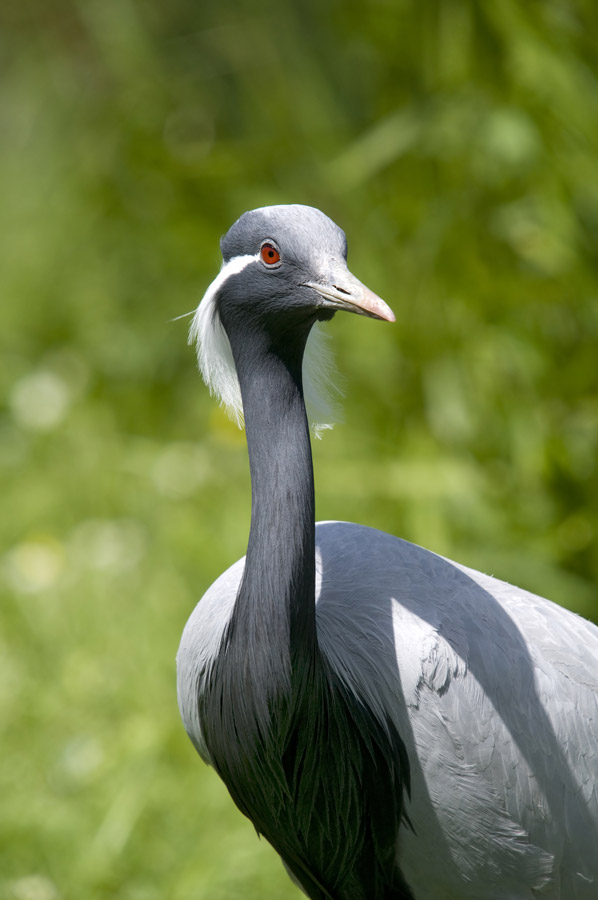
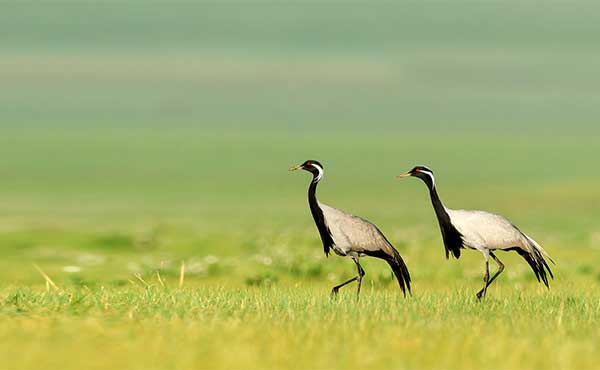
This tour focuses on the resident and migratory birds – demoiselle cranes in particular – of Armenia, which lies at the heart of the Transcaucasus, as well as its rich culture and diverse landscapes.

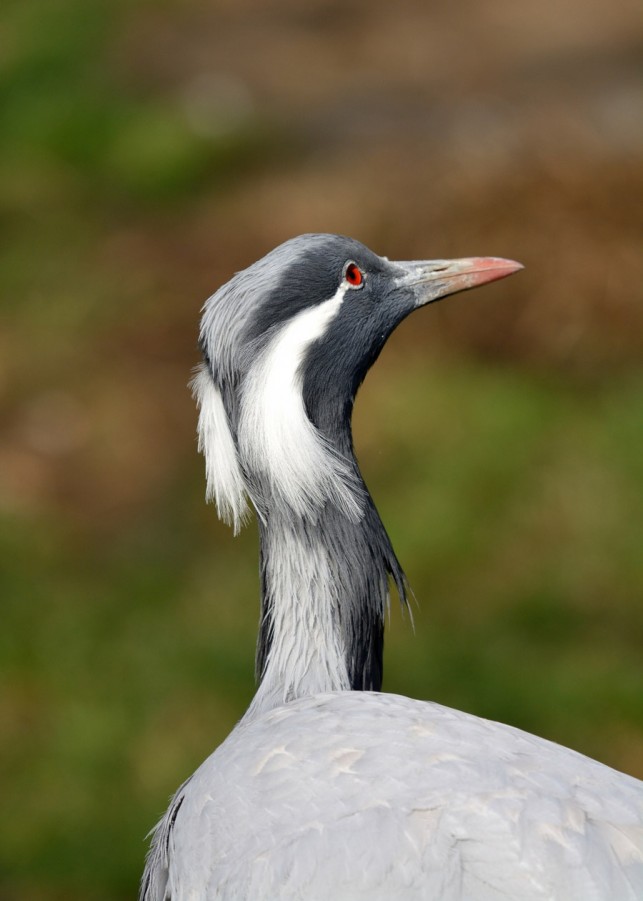
In addition to numerous resident and migrant breeders, a spectacular range of migrants passes through Armenia on the way from north of the Caucasus to Indian or African winter grounds. These include large numbers of demoiselle cranes, making Armenia one of the only places in the Western Palearctic where the species is regularly seen. Along with superb raptor watching and a wealth of migrants, the cranes make the country a very special place to visit in autumn.

Typical Itinerary

  1. Days 1-2 : Fly to Yerevan & overnight; Yerevan city tour

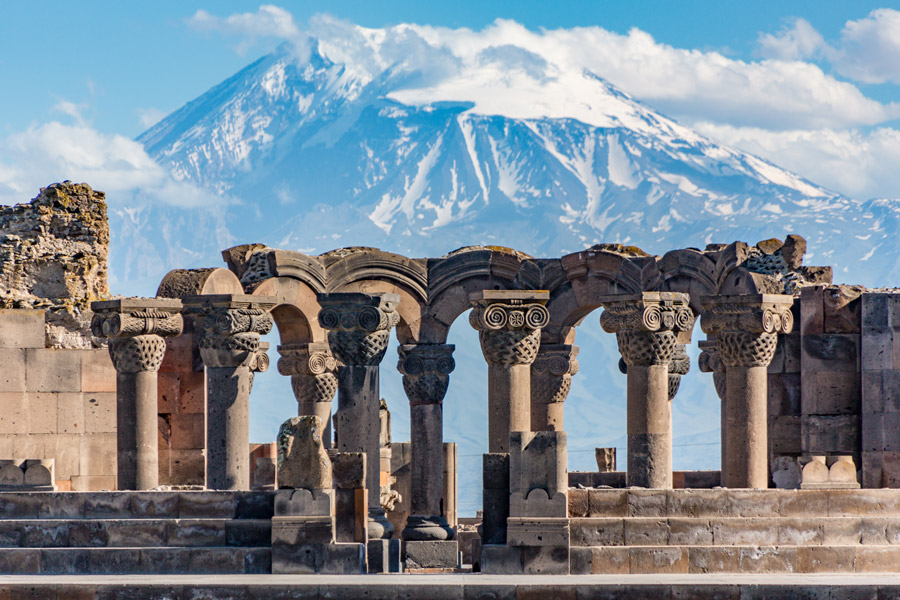
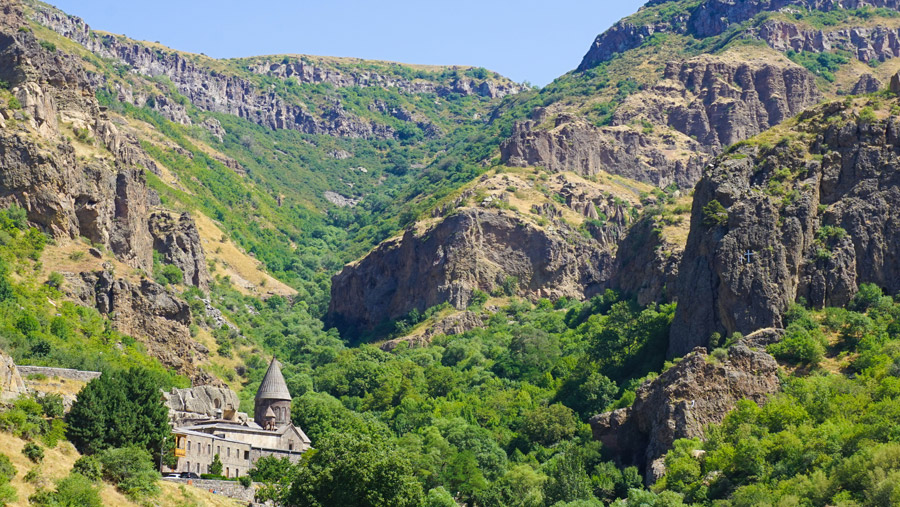
    Fly from London via Paris to Yerevan. On arrival in the evening we meet our local guide and drive to our hotel in the capital. The following day, we take a city tour of the historic town of Yerevan, visiting the sacred sites of Garni and Geghardavank.

    Accommodation: Cascade Hotel, 2-nights

  2. Day 3: Visit Armash Ponds; afternoon drive to Yeghegnadzor

    After breakfast, we drive to Armash Ponds, where we spend the entire day birding and enjoy a picnic lunch. The spectacular wetland of Armash attracts a huge range of birds to its open water, reedbeds, muddy edges and surrounding drier scrub. Species seen here include pygmy cormorant, little bittern, purple and squacco herons, Armenian gull, bluethroat, bearded tit, Eurasian penduline tit and warblers including barred, garden and eastern Orphean. On the open water we look for marbled, white-headed and ferruginous ducks, and the lovely red-crested pochard. Whiskered, white-winged and little terns hawk over the pools for insects, while in the wet meadows and muddy areas we can see glossy ibis and white-tailed lapwing.

    Among the large migratory birds here, we hope to see exquisite demoiselle cranes as they pass through. This site will also give us our best chances of finding some of the most localised breeding species in lowland Armenia, including blue-cheeked bee-eater and Menetries’ warbler. Towards the end of the afternoon, we continue to Yeghegnadzor.

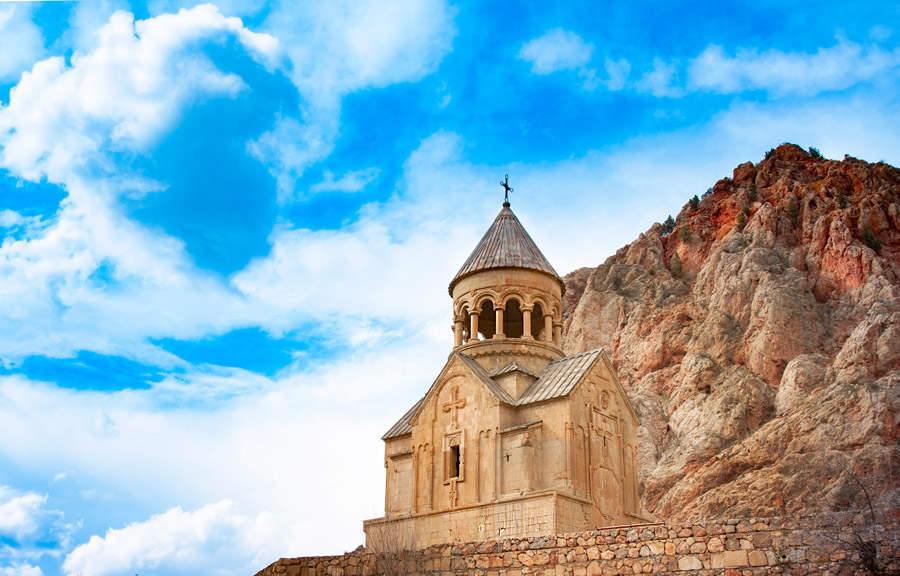
    Accommodation: Noravank Guesthouse, 3-nights

  3. Day 4: Birdwatching at Arpa River Gorge

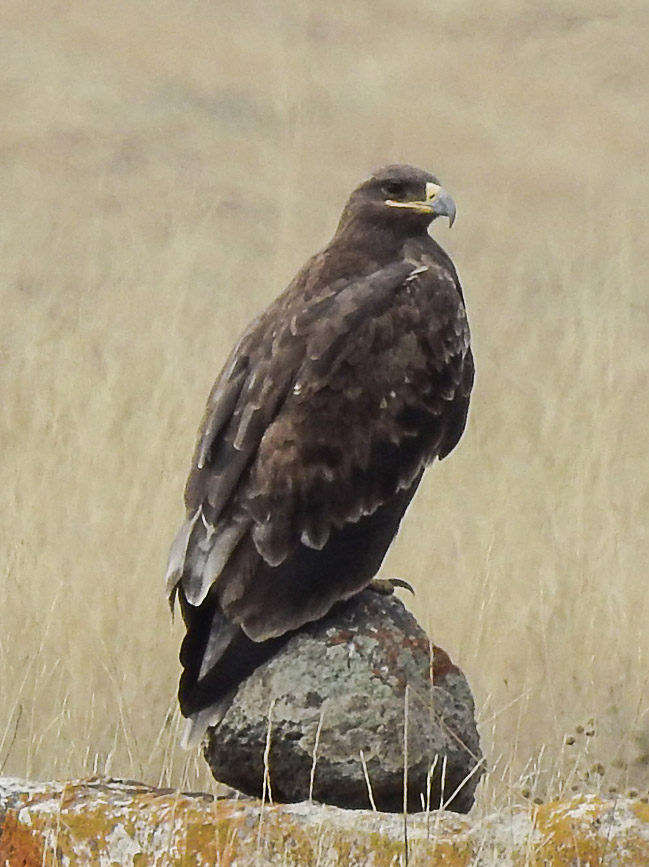
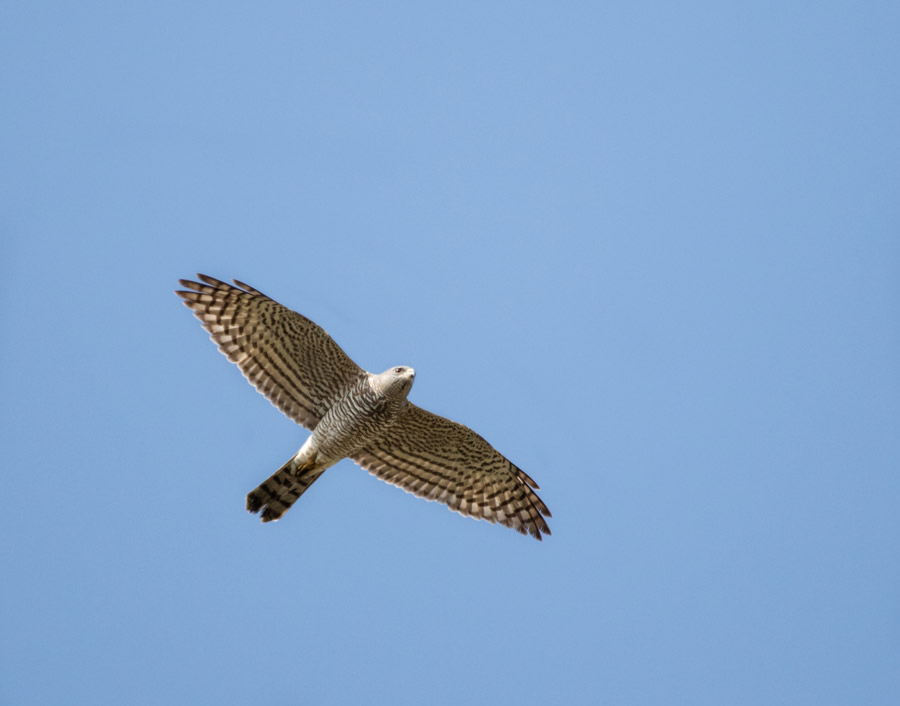
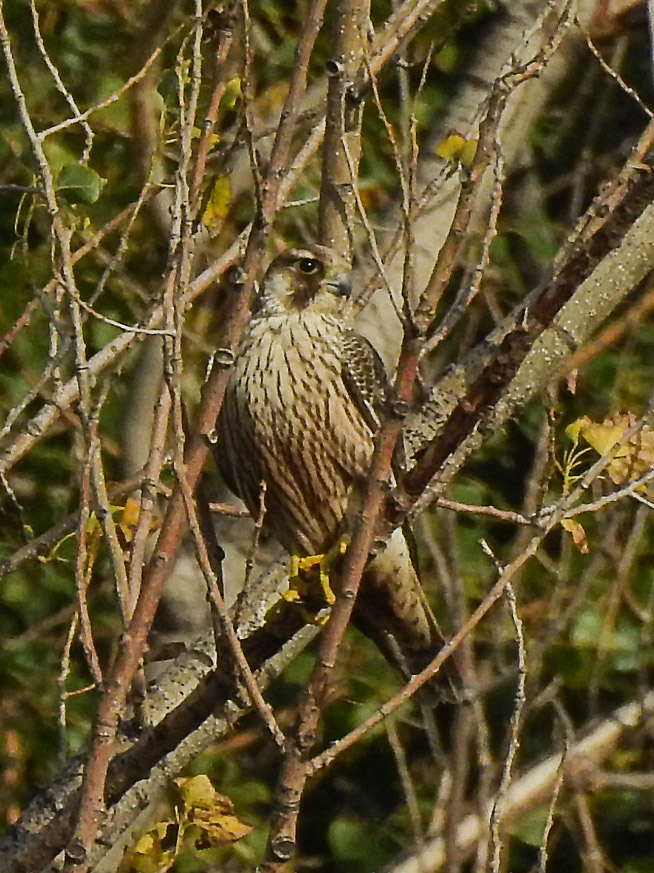
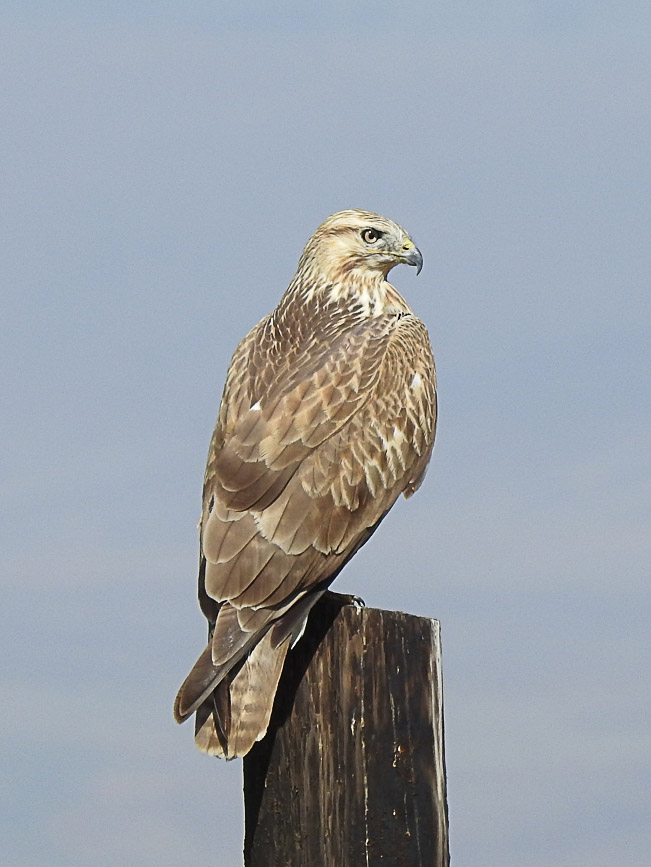
    Today we drive along the Arpa River Gorge to explore this rocky canyon and its old road leading to the town of Jermouk and the 10th century Gndevank Monastery. Here, between the steep-sided walls of the gorge, we can expect to see resident lammergeier and golden eagle, along with other raptors such as short-toed snake, booted and lesser spotted eagles, goshawk, peregrine falcon, and both common and long-legged buzzards.

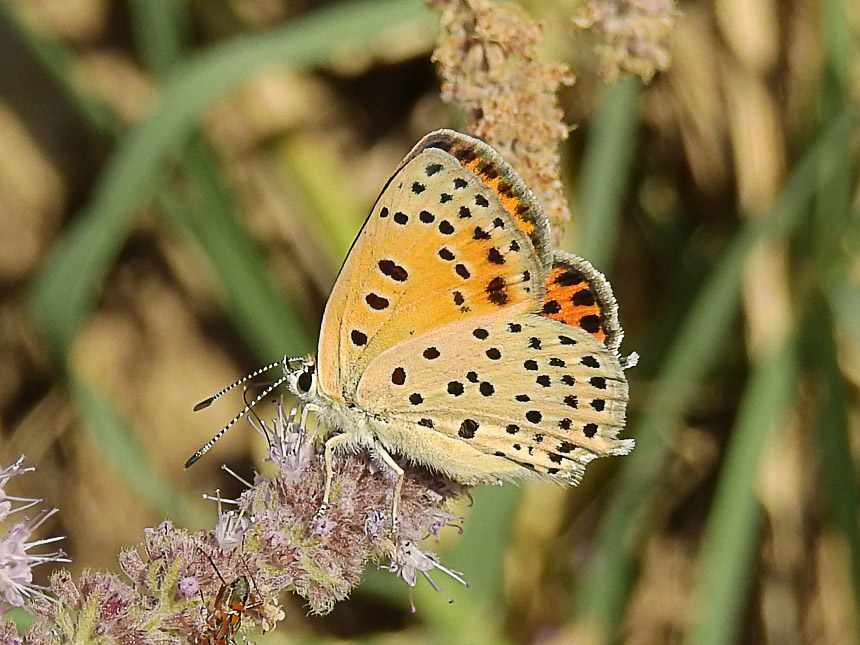
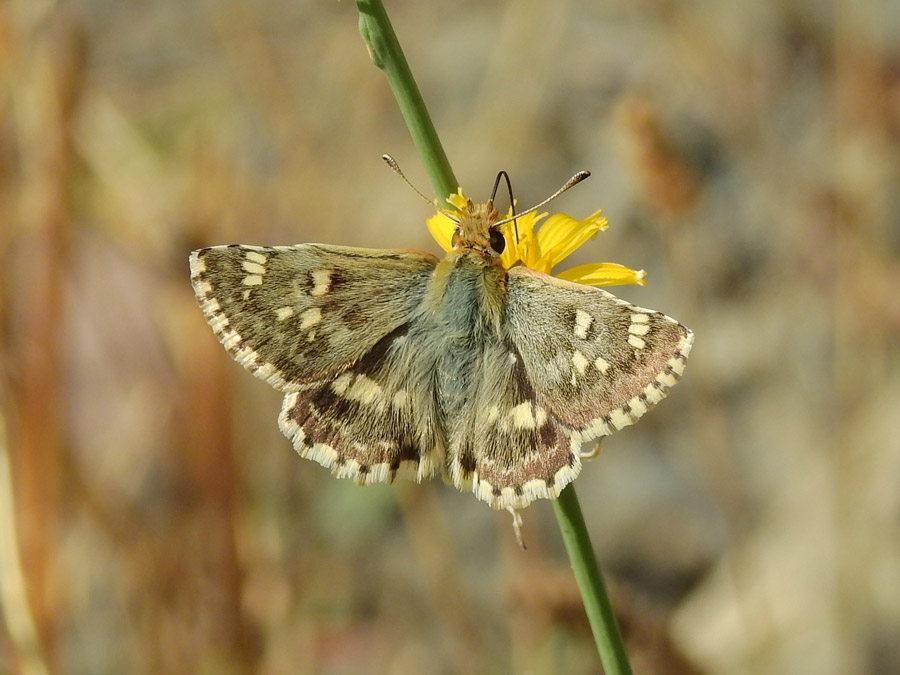
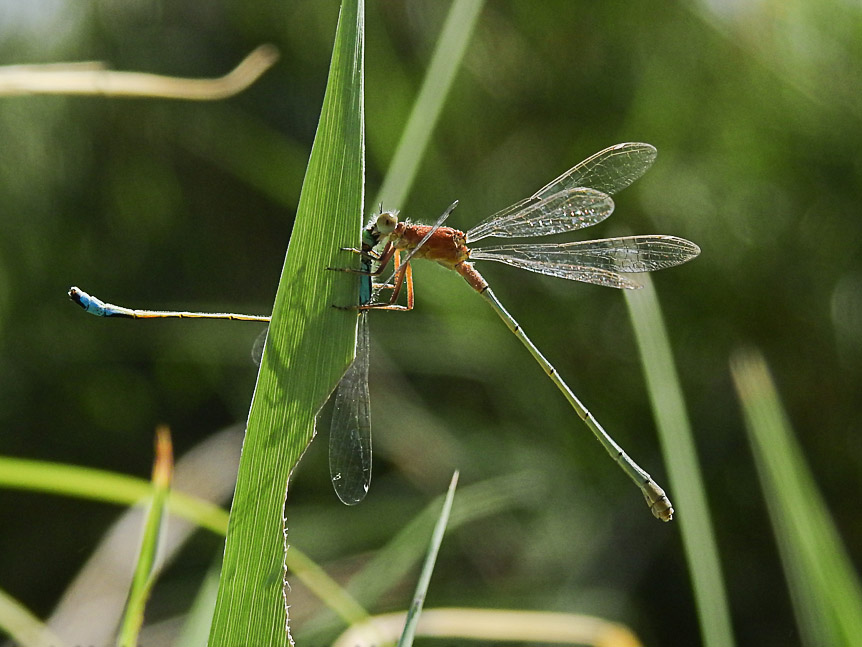
    This is also a great site for butterflies. Possible species include silver-spotted, mallow, inky and Anatolian skippers, tree grayling, white-edged rock brown and cardinal fritillary.

  4. Day 5: Mount Gndasar to look for Caspian snowcock

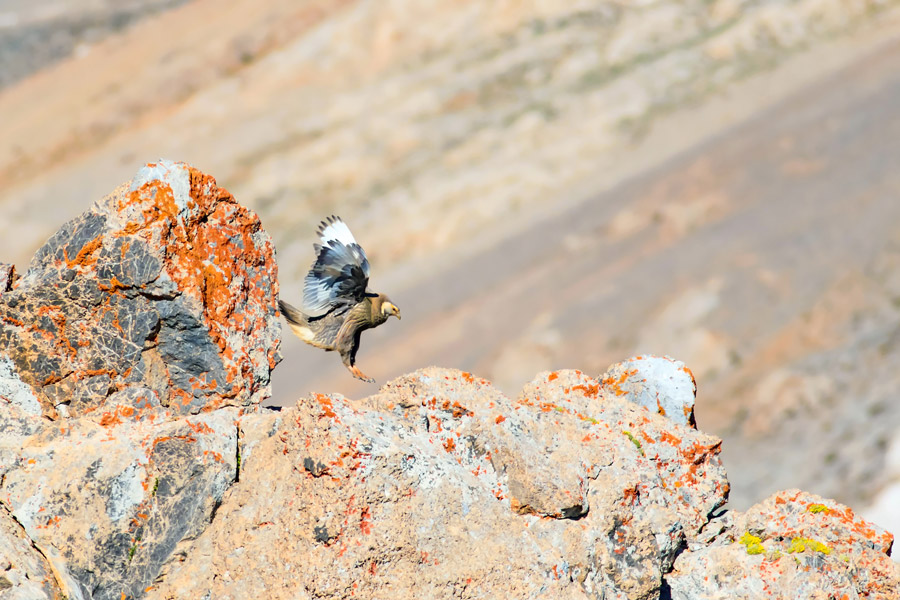
    After an early breakfast, we board local 4WD vehicles to drive up to a nearby area of high mountains to look for Caspian snowcock and magnificent bezoar ibex. This is a subalpine habitat with mountain steppe slopes and precipitous cliffs. In addition to Caspian snowcock, we focus on other high mountain specialists, such as golden eagle, red-fronted serin, wallcreeper, and crimson-winged finch. On our drive back, we stop in an area of semidesert, hoping to see eastern and western rock nuthatches, among others.

  5. Day 6: Transfer to Lake Sevan

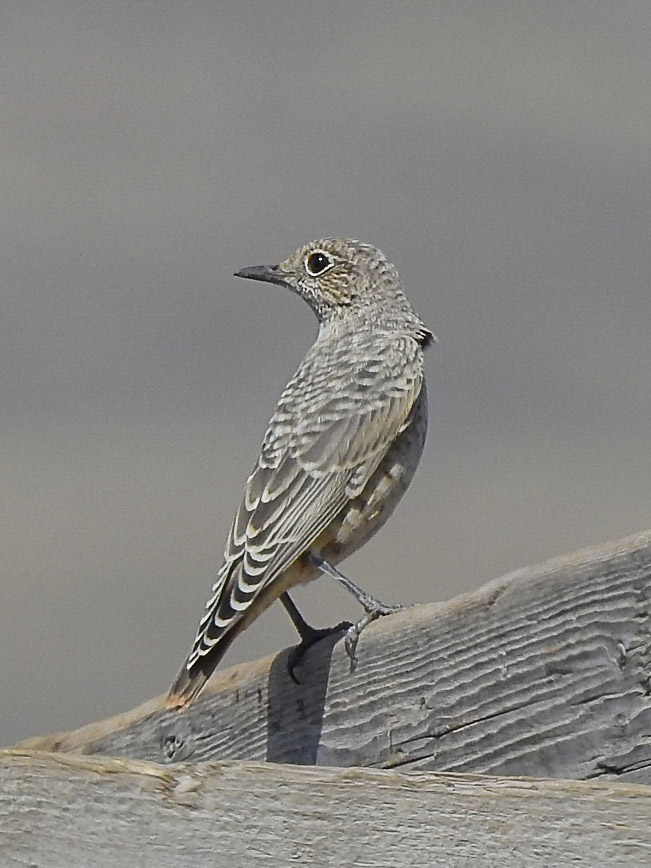
    After breakfast, we drive over the 2,410-metre-high Selim (Vardenyants) Pass, stopping as necessary to watch (Asian) twite, Asian crimson-winged finch, water pipit and rufous-tailed rock thrush. Close to the pass, we pause to visit the well-preserved Selim Caravanserai, which dates from 1332 and was built to provide shelter to merchants travelling on this branch of the Silk Road.

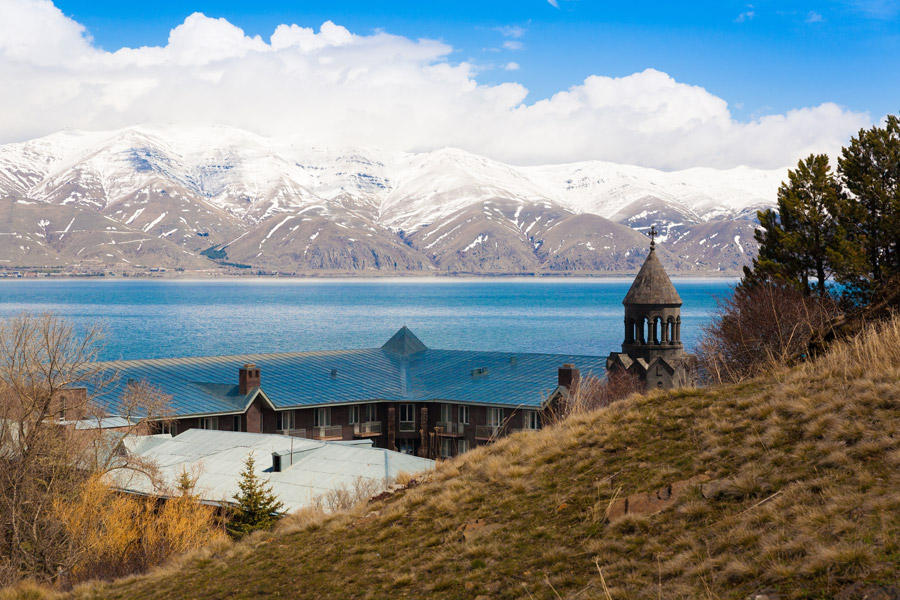
    We continue down towards the shores of Lake Sevan, Armenia’s largest lake, to a wetland in the Lichk area where we search for migratory passerines and waterfowl. The place has a resident pair of goshawks, and migratory Levant sparrowhawks are often found here too, but mostly we hope to find resting demoiselle cranes using the site as a stopover on their migration. Rock sparrow, mountain chiffchaff and wagtails including citrine and black-headed are among the many other possibilities today. Following the lake's western shore, we continue to Sevanavank at its northern end for an overnight stop.

    Accommodation: Local guesthouse, 1-night

  6. Day 7: Lake Sevan & transfer to Dilijan National Park

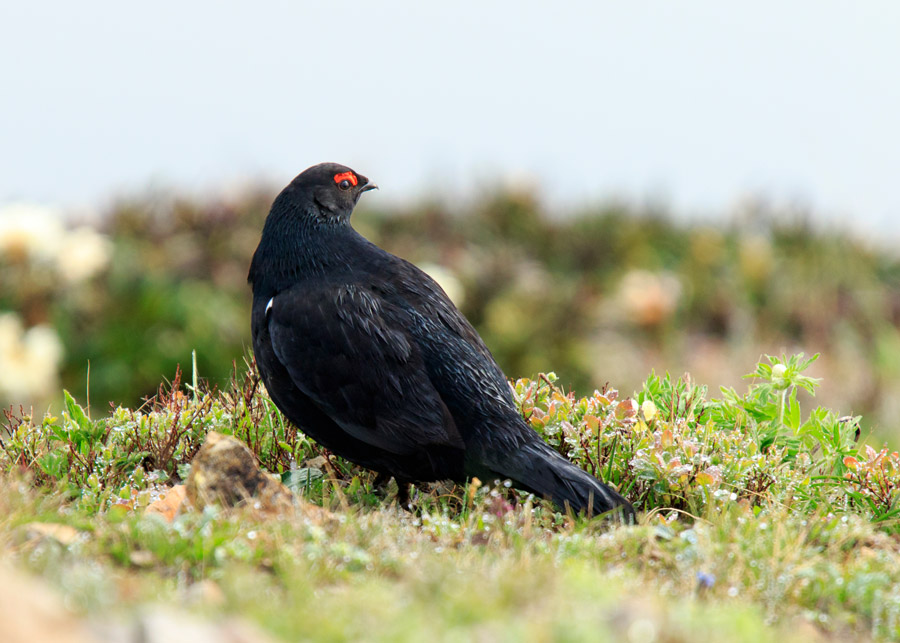
    After an early breakfast, we return to the northern reaches of Lake Sevan to visit 'Gull Island' which is an excellent location to spot Armenian gulls. We continue to the north-west via Dilijan National Park and climb into the slopes of the Tsaghkunyats Mountains for an opportunity to see Caucasian black grouse, mountain chiffchaff and perhaps even green warbler, along with other mountain meadow birds such as water pipit. (Note: depending on weather conditions, we may use local four-wheel-drive vehicles for this trip.) On the way down to Dilijan, we again stop to look for mountain chiffchaff in the woods.

    Accommodation: Hotel Vanatun, 2-nights

  7. Day 8: Margahovit & Haghartsin Monastery

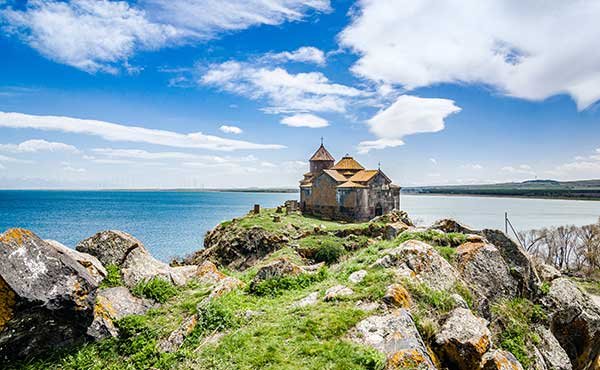
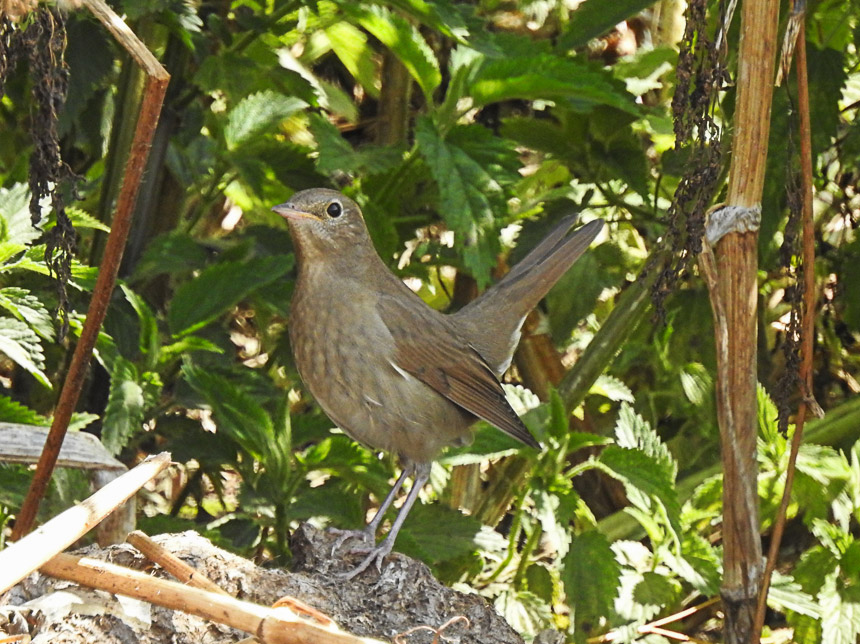
    It's an early start this morning as we head towards the small village of Margahovit in the Pambak Mountains in search of Caucasian black grouse. In order to reach this location, we're driven in 4x4 vehicles. Other species that we might also encounter during this excursion are ring ouzel, rock bunting, mountain chaffinch and even lammergeier and Eurasian griffon vulture. Afterwards, we continue to the wonderfully preserved monastery at Haghartsin which was constructed between the 10th and 13th centuries during the Bagratuni Dynasty. 

  8. Day 9: Transfer to Gyumri via Debed Canyon

    This morning we head north to the dramatic landscapes of the Debed Canyon, with the aim of encountering a diverse range of passerines, waterbirds and migratory raptors. Possible sightings could include crested grebe, squacco heron, glossy ibis, ruddy shelduck, red-breasted flycatcher, whiskered tern and also a possibility of common crane. The abundance of prey species should attract marsh and Montagu's harrier. After lunch, we continue to our next accommodation near Gyumri, birding en route. 

    One of the locations we may stop at is the old quarry at Pemzashen where we have chances of observing steppe and honey buzzards, griffon vulture, lesser-spotted eagle, linnet, northern wheatear and red-backed shrike.

    Accommodation: Stone Art Guesthouse, 2-nights

  9. Day 10: Lake Arpi National Park

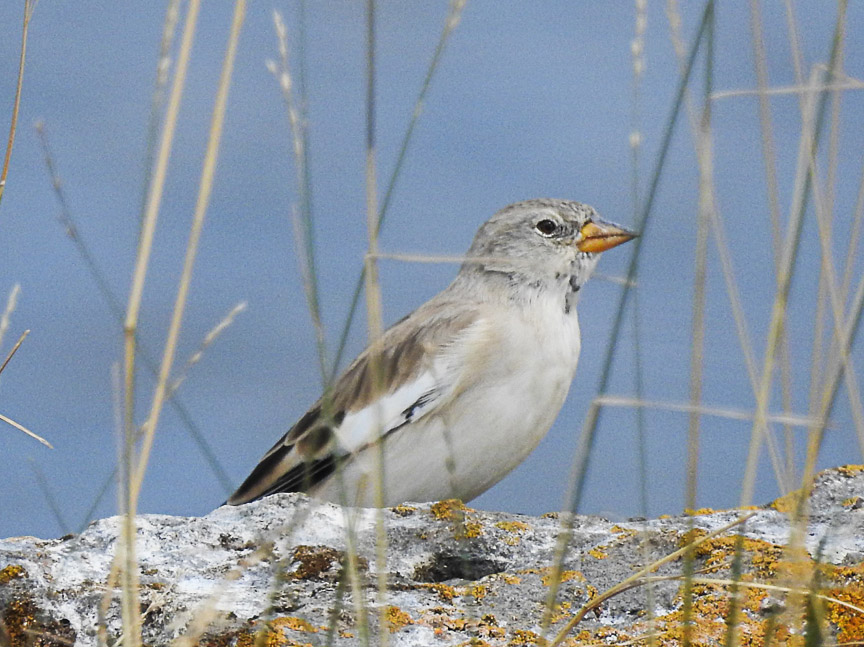
    We drive to Lake Arpi National Park for a full day’s birding in the vicinity of the lake to look for great white and Dalmatian pelicans, common crane, black stork, Armenian gull, western yellow, black-headed and citrine wagtails, greylag goose, ruddy shelduck, and other possible duck species, as well as a full selection of raptors. There is also a good chance of seeing white-winged snow finch, just one of the one hundred or so species found in this site protected under the Ramsar Convention. We have lunch by the ranger’s house in the national park before returning to Gyumri in the afternoon, birding as we go.

  10. Day 11: Drive back to Yerevan via Mount Aragats

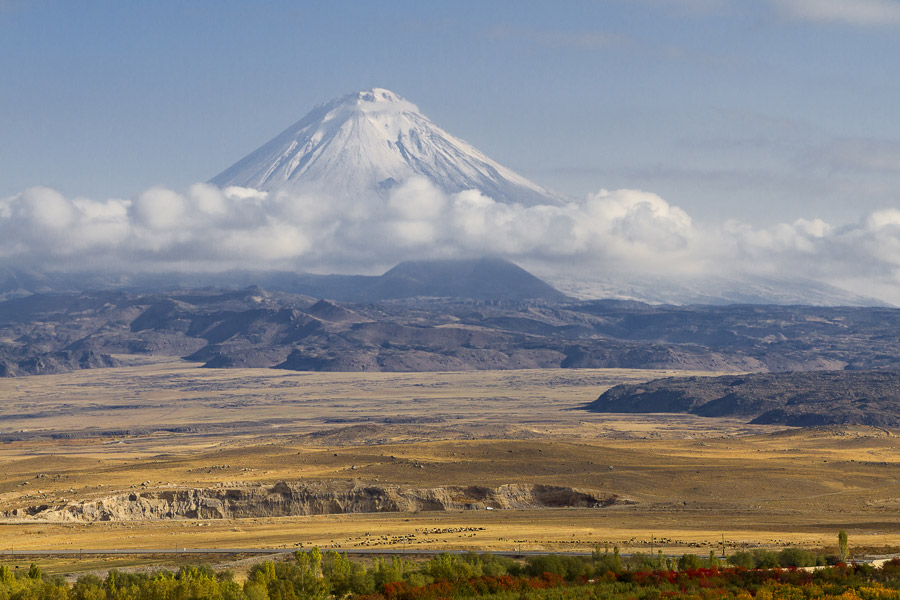
    We drive southward back to the capital today via the extinct volcano of Mount Aragats (4,090 metres), Armenia’s highest mountain, where we bird from the lower dry steppe up to Alpine meadows at 3,200 metres’ altitude. Among the species we aim to see are isabelline wheatear, Radde’s and Alpine accentors, rock sparrow, white-winged snow finch and water pipit, and griffon and black vultures – all common visitors to the mountains at this time of year. We stop to visit the 7th fortress of Amberd – known as ‘the fortress of the clouds’ – standing at an altitude of 2,300 metres on Mount Aragats. We have lunch at a local restaurant.
     
    In the afternoon, we continue to Yerevan. Throughout the day, we’ll make multiple stops to watch migratory raptors that may include Montagu’s and pallid harriers, black kites, booted, short-toed snake, lesser spotted and steppe eagles, steppe and long-legged buzzards, common and lesser kestrels, as well as rollers and lesser grey shrikes. This evening we head out for dinner in a traditional restaurant in the city.

    Accommodation: Cascade Hotel, 2-nights

  11. Day 12: Vedi & Armash Ponds

    This morning we drive south from the capital to Vedi, an area of semidesert where we look for specialist resident species that we may not have seen elsewhere on the trip, such as trumpeter finch, eastern and western rock nuthatches, and chukar. Later, we continue to Armash Ponds again and spend the rest of the day there to spot more migratory passerines and other key species we might have missed on our first visit. We then return to Yerevan in the afternoon for our final dinner this evening.

  12. Day 13: Fly back to the UK

    Early morning transfer to Yerevan airport to catch a flight back to London, via Paris.

Please note: The itinerary may change due to weather conditions or recent wildlife sightings.

Key info

  • Duration and price including flights from/to UK: 13 days from £3,995 pp
  • Duration and price excluding international flights: 12 days from £3,395 pp
  • Single supplement: From £350
  • Trip type:
    Group Tour
  • Group Size: 5–8
  • Group Departures:
    Make a booking request or enquire:
    1. , Limited spaces Enquire Book
    2. Enquire Book
  • Included in the price/package:
    • Services of an expert leader
    • Transfers
    • Accommodation
    • All meals
    • Guided activities
    • Conservation fund contribution
  • Activities available:
    • Birdwatching
    • Culture
    • Nature drive

Expert leader

John Muddeman

Photo of John Muddeman

A naturalist at heart, John has been interested in wildlife, especially birds, for as long as he can remember, and he now has over 40 years of birdwatching experience.

A freelance wildlife tour guide, author, translator and honorary member of the Extremaduran Association of Birdwatching and Wildlife Guides, his all-round natural history knowledge, affable personality and extremely sharp field skills have brought him a well-deserved loyal following. He has been a guide for well over 20 years as well and has had immense pleasure in leading more than 250 tours around the world.
View all tours led by John

Tour Reports

Find out more about the day-to-day sightings and wildlife activities on our group tours from our expert naturalist leaders.

Featured locations:

Yerevan

Yerevan

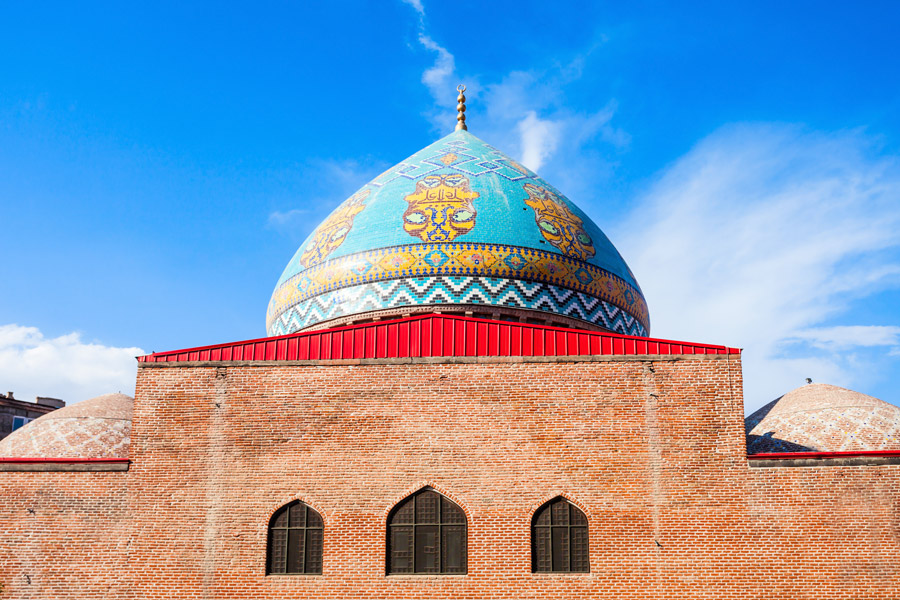
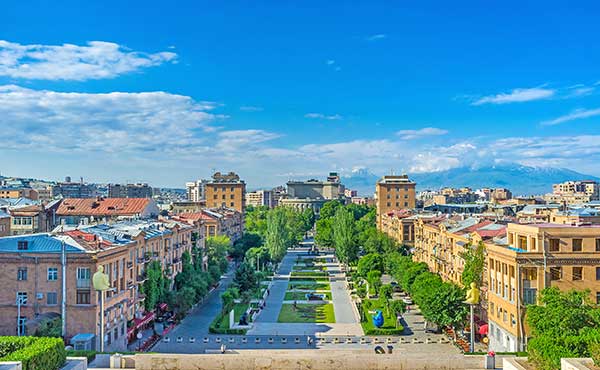
Capital and largest city of Armenia, Yerevan dates back to the 8th century and its strategic position between the east and west has meant occupation by several different ruling powers. The spectacular Mount Ararat dominates the skyline, and the city is the country’s artistic and cultural hub. Find Out More about {acc:title}

  • Where: Central west
  • Excellent for: City stopover, History & culture

Lake Sevan

Lake Sevan

Lake Sevan is an important wetland for migratory passerines and waterfowl. There is a resident pair of goshawks, while migratory Levant sparrowhawks and demoiselle cranes use the site as a stopover on migration. 'Gull Island' in the north of the lake is an excellent location for Armenian gulls. Find Out More about {acc:title}

  • Where: Lichk
  • Ideal for viewing: demoiselle crane, Armenian gull, ruddy shelduck, glossy ibis, white-winged tern
  • Excellent for: Birdwatching

Dilijan National Park

Dilijan National Park

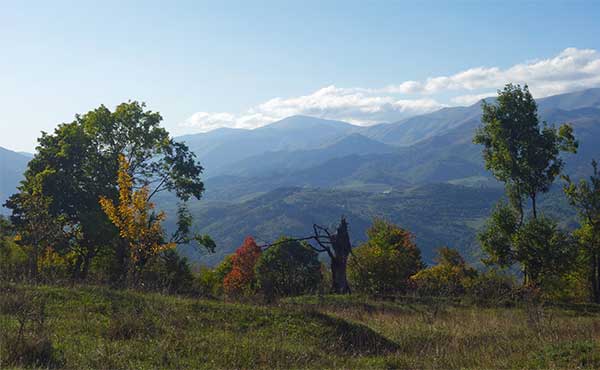
Dilijan National Park covers an area of 240 square kilometres and has tracts of forest, mineral water springs and a rich biodiversity. It’s covered in a network of hiking trails and there are several important national monuments contained within the park, including the Haghartsin Monastery. Find Out More about {acc:title}

  • Where: Tavush Province
  • Ideal for viewing: Caspian snowcock, golden eagle, green warblers, black grouse, booted eagle
  • Excellent for: Birdwatching