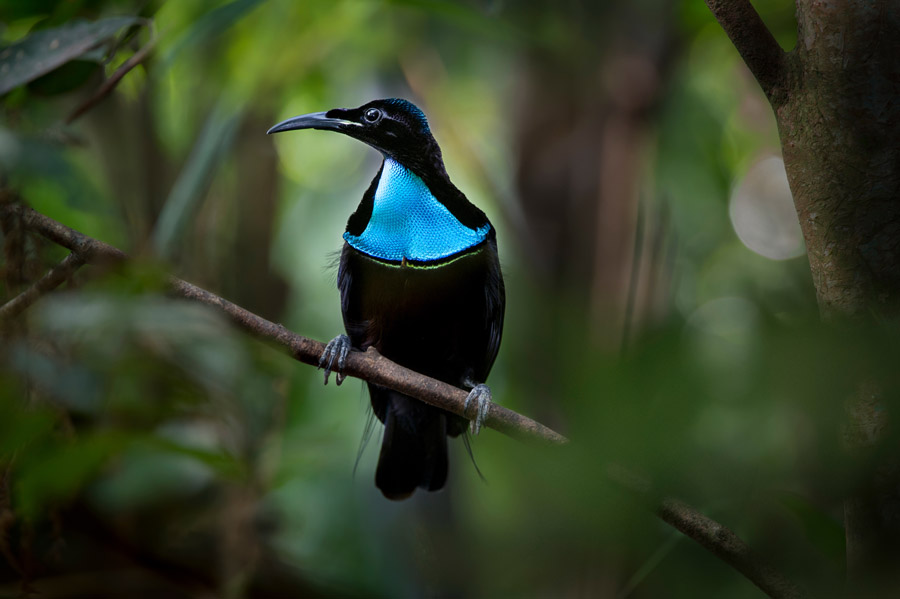
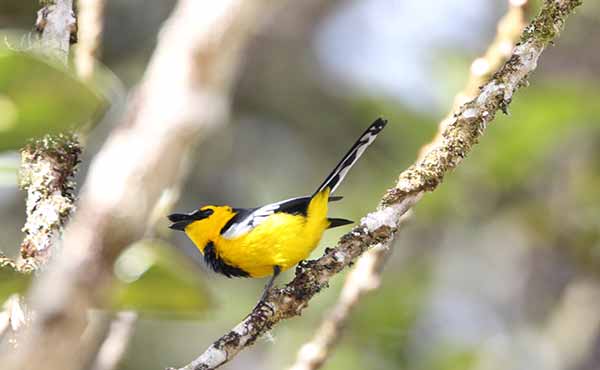
Enjoy an outstanding photographic journey in the company our wildlife photography expert, Bret Charman, travelling into the depths of Papua New Guinea’s tropical forests to capture images of magnificent birds of paradise along with colourful cultural rituals.
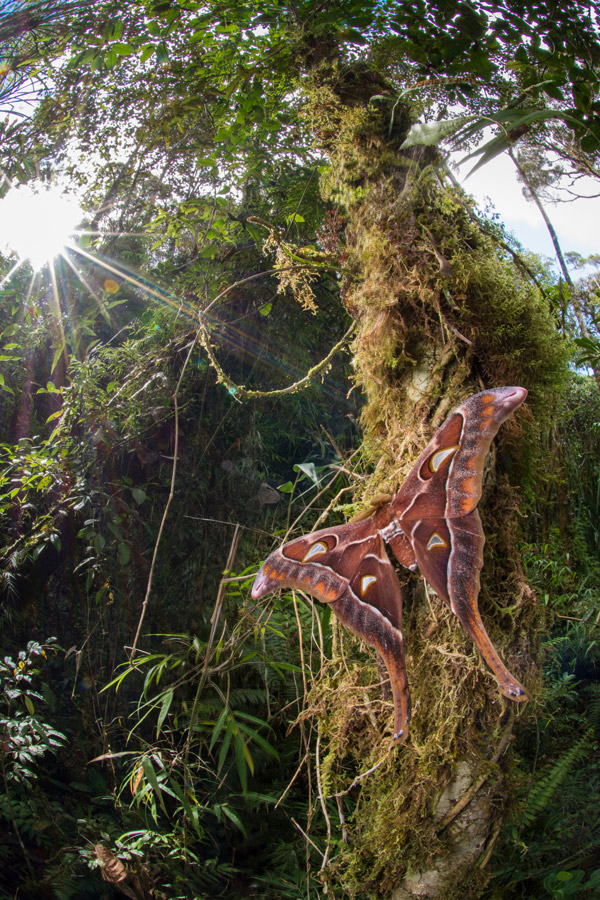
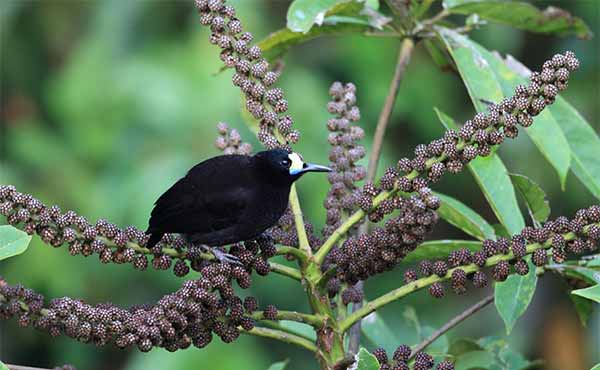
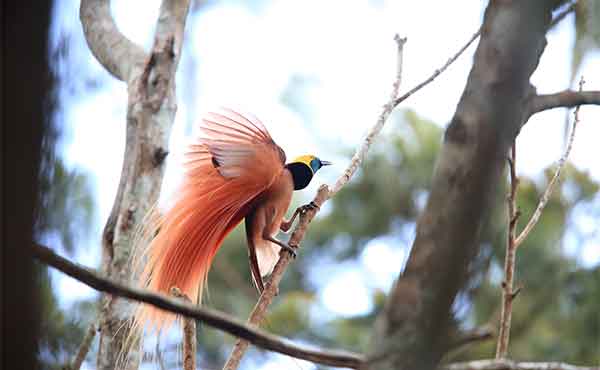
Papua New Guinea is a place where nature and culture meld into a cocktail of sights and sounds and millions of years of isolation have helped forge some of the most visually spectacular and unusual wildlife on earth. The famed birds of paradise are certainly the island’s show stoppers, and this stunning family of birds have long been recognised and revered, thanks to their ornamental plumage, dazzling colours and extravagant courtship displays.
Tribal groups have each created their own expressive forms of art, dance, costumes, music, architecture and even weaponry. These are celebrated in a variety of annual festivals or sing-sings where cultural groups and tribes come together.
On this unique small group wildlife photography tour, our expert will be on hand throughout to provide all the necessary advice and help you develop your skills; in addition he will cover a variety of subjects including camera basics and simplifying the photographic process, to essentials in composition and field techniques.
Typical Itinerary
-
Day 1:
Depart the UK
-
Day 2:
Singapore & on to to Papua New Guinea
-
Day 3:
Arrive in Port Moresby, visit Varirata National Park
We arrive in the early morning in Port Moresby and transfer to our hotel. Later this morning we visit a renowned local bird park, with walk-in aviaries offering good opportunities to photograph various birds of paradise in semi-natural settings.
After an early lunch, we take a short drive to Varirata National Park, which has a good network of trails, providing opportunities for birdwatching and other wildlife sightings.
Accommodation: Gateway Hotel, 1-night
-
Day 4:
Transfer to Highlands: Tari Gap
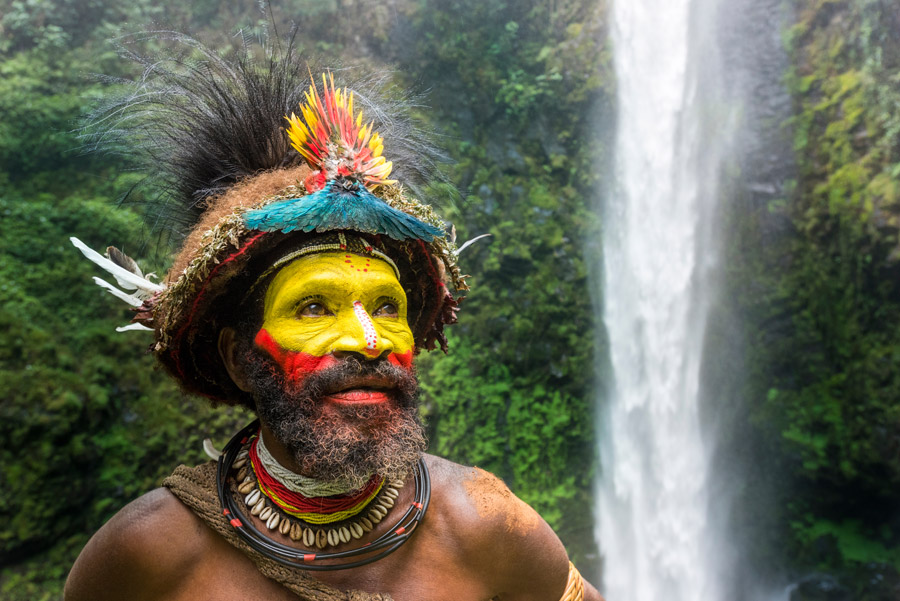
We have an early transfer to the airport for a flight to Tari Valley in the western Central Highlands. Tari is home to one of the most famous and recognizable cultures in Papua New Guinea: the Huli Wigmen. The Huli are a proud, flamboyant tribe known for their ornate ceremonial ‘wigs’, while their dances and songs are fashioned around the mating rituals of birds of paradise.
The drive from Tari to Ambua Lodge takes about an hour and there are spectacular views across the valley along the way. After lunch here, we have a first foray into the rich rainforest around the Tari Gap. Birdwatching opportunities are very good – more than 200 species have been recorded in the region, which include 13 species of birds of paradise inhabiting the area.
Accommodation: Ambua Lodge, 4-nights
-
Days 5-7
:
Highlands: Tari Gap
The early morning is the best time to look for displaying birds of paradise, and the forests around Ambua offer plenty of opportunities, with the most likely species to see being King of Saxony birds of paradise, Stephanie’s astraphia, ribbon-tail astraphia and the brown sicklebill. These montane rainforests also provide opportunities to walk along forest trails, following crystal streams looking for other wildlife.
During our time at Ambua we also aim to visit traditional villages and settlements with the opportunity to photograph the Huli Wigmen in their full ceremonial costumes.
-
Day 8:
Charter flight to Lowlands: Sepik Region
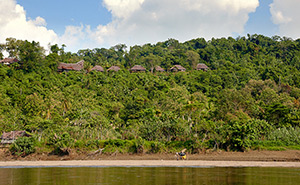
In the morning we transfer back to the airstrip in Tari and then fly to Karawari in the east Sepik region of the northern lowlands. This is an extremely remote area with no roads and only accessible by plane and boat. From the Karawari airstrip it is a 45-minute boat ride to our lodge, set in a vast alluvial floodplain laced with narrow waterways.
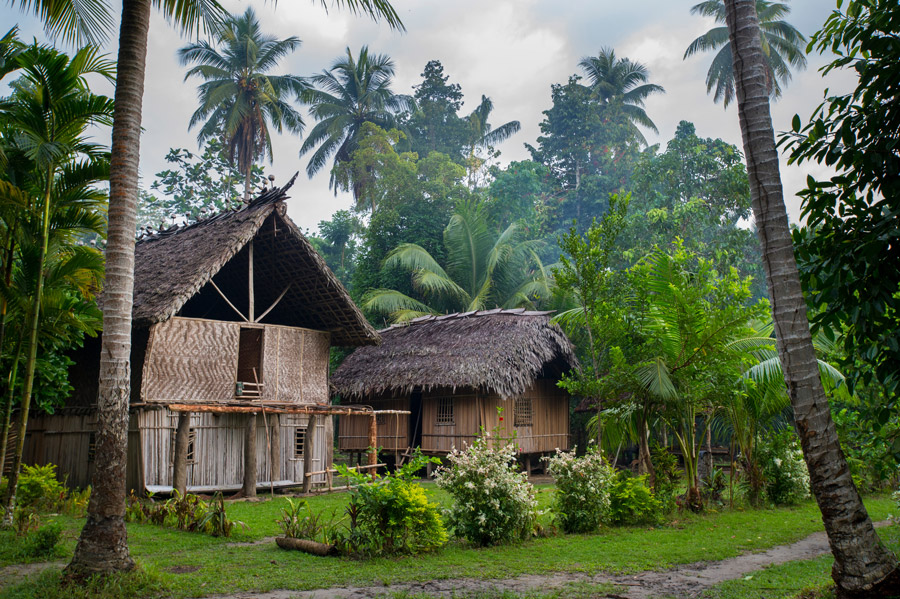
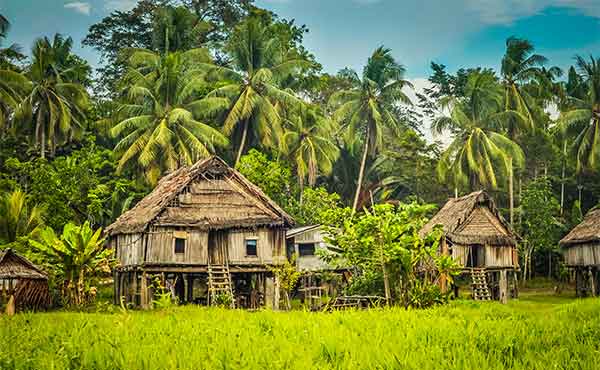
The Karawari people are the most remote of the floodplain communities. En route we see stilted villages lining the waterways and local people in dugout canoes, their primary mode of transport. The Sepik people famously express their culture and beliefs through their art, inspiring the carving of incredible masks, drums, baskets and other sculptures that integrate with their daily lives.
Accommodation: Karawari Lodge, 3-nights
-
Days 9-10
:
Lowlands: Sepik Region
Today we go birdwatching in the Sepik floodplain. Some 229 different bird species have been recorded in the Karawari area. Our wildlife and bird watching excursions concentrate on early mornings and late afternoons, where species like the 12-wired birds of paradise and king birds of paradise are amongst the most prized. There are also palm cockatoos, other parrots, Blythe’s hornbill various kingfishers and Victoria crowned pigeons.
Karawari also offers boat excursions to the surrounding villages where we visit traditional homes and are able to glimpse ways of life that have remained largely unchanged for centuries.
-
Day 11:
Transfer to Highlands: Mount Hagen Region
Today we transfer back to the airstrip by boat and fly to Mount Hagen in the Central Highlands. We then drive for around an hour to Rondon Ridge at an elevation of 2,150 metres. The Mount Hagen area is home to the Melpa people, a community with strong traditions and beliefs who still preserve their culture and live largely subsistence lifestyles.
Accommodation: Rondon Ridge Lodge, 3-nights
-
Days 12-13
:
Highlands: Mount Hagen Region
The next two days start with early excursions to look for birds of paradise and other wildlife. There are over 180 species of bird, including ten different birds of paradise, in the area. The most likely seen species are blue, superb and King of Saxony birds of paradise, Stephanie’s astraphia and brown sicklebill. The forests are also particularly rich in orchid diversity.
At other times in the day, there will be a variety of cultural excursions and photographic opportunities either at the lodge or during visits to local communities.
-
Day 14:
Transfer to East New Britain: Rabaul & Kokopo
We drive back to Mount Hagen and fly via Port Moresby to Rabaul on the island of East New Britain that lies to the north east of mainland New Guinea. There is then a short drive to our charming beachfront hotel, and the rest of the day is free to relax.
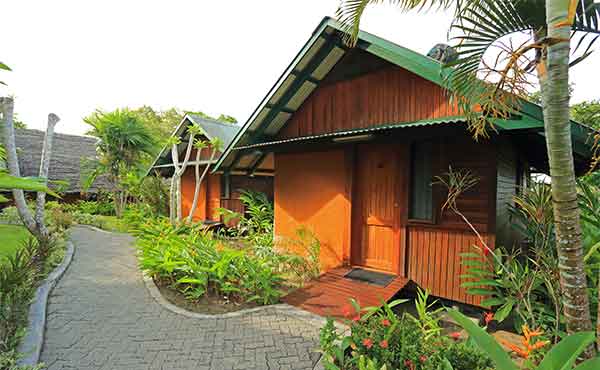
Accommodation: Kokopo Beach Bungalow Resort, 4-nights
-
Days 15-17
:
East New Britain: Rabaul & Kokopo
Since 1995 Kokopo has hosted the National Mask Festival – a four day extravaganza of cultural dancing, ritual performance and story-telling. Generally the first two days are a cultural tribute to the people of East New Britain - the Tolai, Baining, Pomio and Sulka - followed by the Warwagira Cultural Festival that involves participation from other cultural communities. There is also a spectacular Baining Fire Dance: in this night-time traditional dance, initiated young men from the Baining people perform harrowing dances through blazing fires amidst evocative chanting by their elders.
We have the opportunity to visit and photograph these celebrations and performances, which are sure to be exhilarating colourful events.
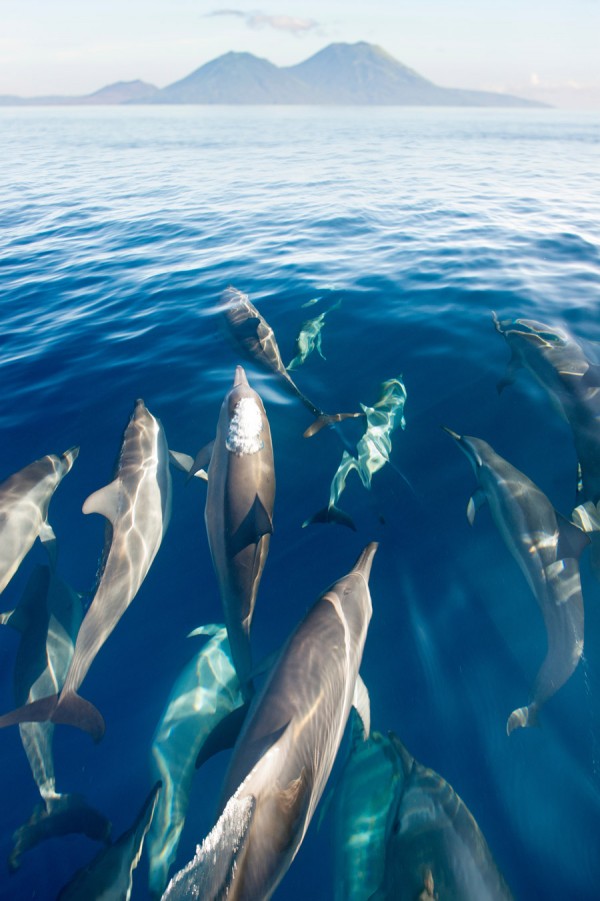
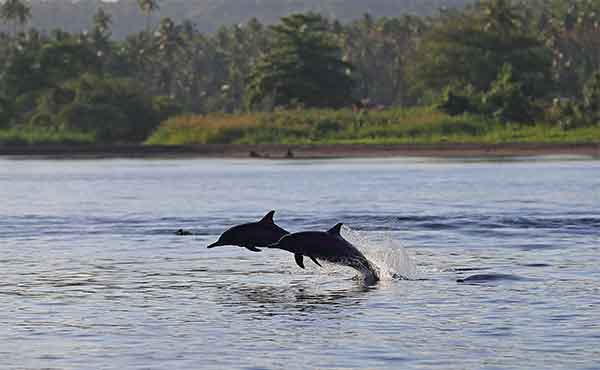
In addition we have the opportunity for some early morning dolphin watching. A short distance along the coast from the hotel, a resident population of spinner dolphins provide a daily display and can be easily approached. It may be possible to swim with them as well, or even snorkel or scuba dive (additional cost) at nearby off-shore islands.
-
Day 18:
Transfer to Port Moresby & depart
In the morning we begin the journey home, first flying to Port Moresby, before connecting onto Singapore. Later in the day we board the flight from Singapore to London.
-
Day 19:
Arrive UK
Please note: This itinerary is subject to change without notice to take into account possible flight schedule changes, which can occur at any time, prior to or during the tour. Flights to the Sepik River region may be particularly susceptible to change due to local conditions. In addition, this tour involves some travel in remote areas, which adds to adventure and increases the wilderness experience. Due to terrain, weather, road conditions, and other factors beyond our control, some elements of the tour may have to be altered at short notice.